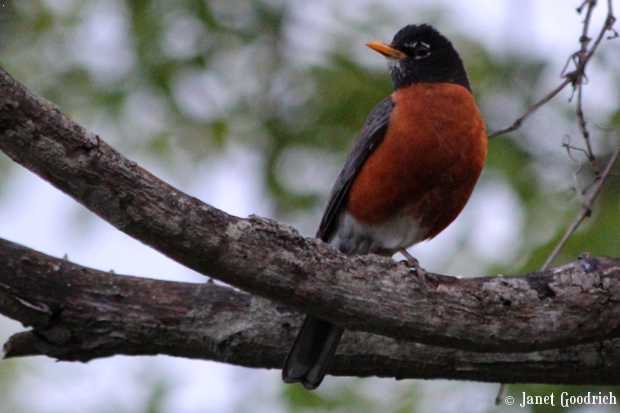
Walks
-
Fall exploring
The girls, the dog, and I had a great walk today. Our dog, we recently learned, has a tumor in her spleen, and the doctor speculates that she has perhaps 2-6 months to live. We are grieving, but trying to give her good quality of life in the time we have. She’s always loved a good woodland explore.
It was a brilliant, clear day, cool and comfortable. Here a few of the sights we took in.
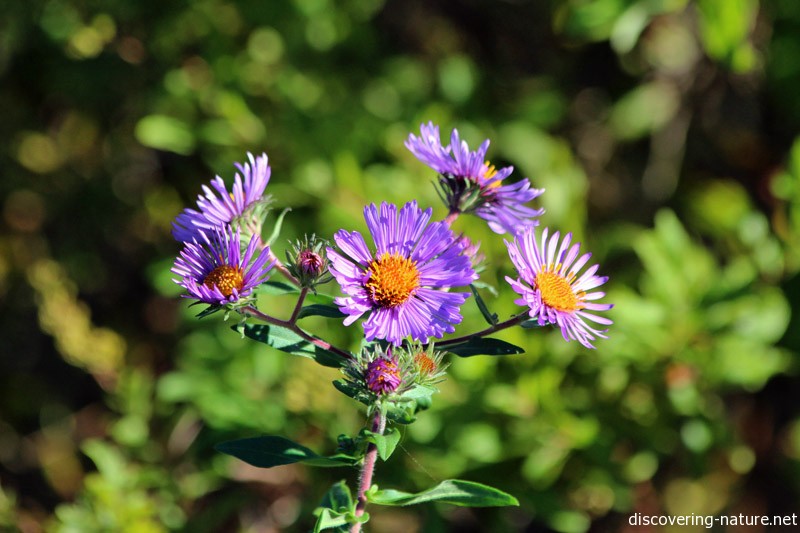
New York Aster 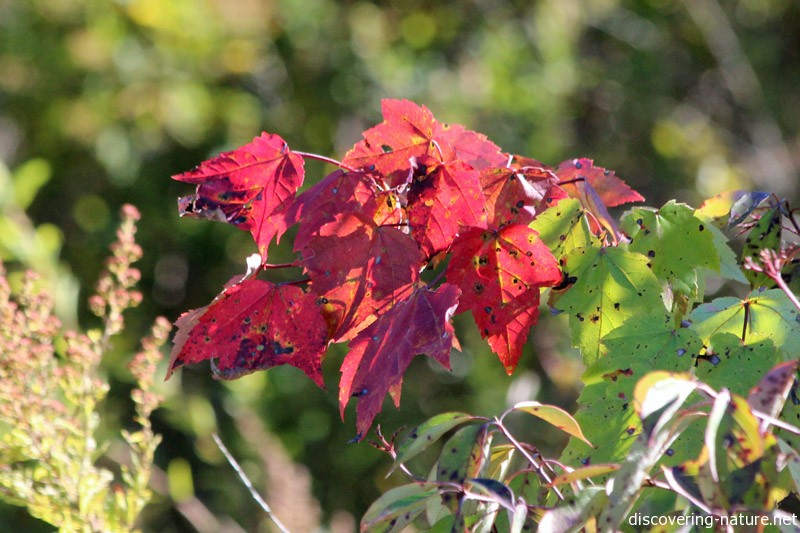
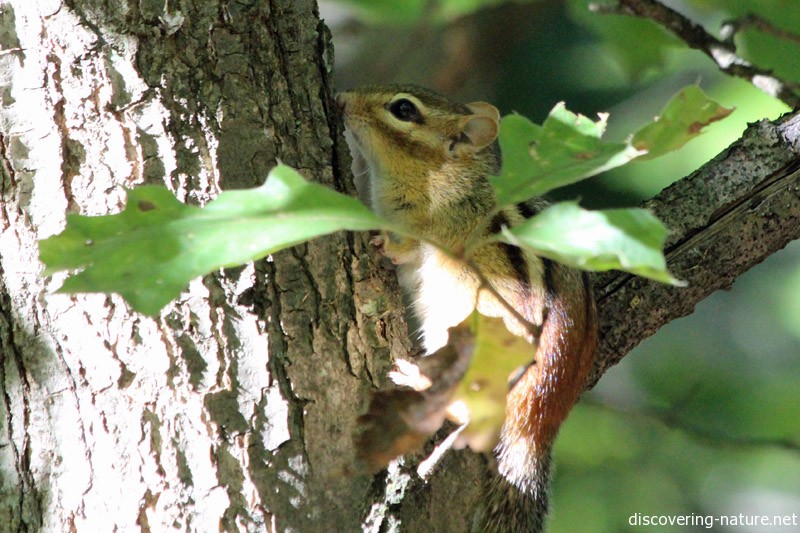
Pay no attention to that munk behind the curtain… 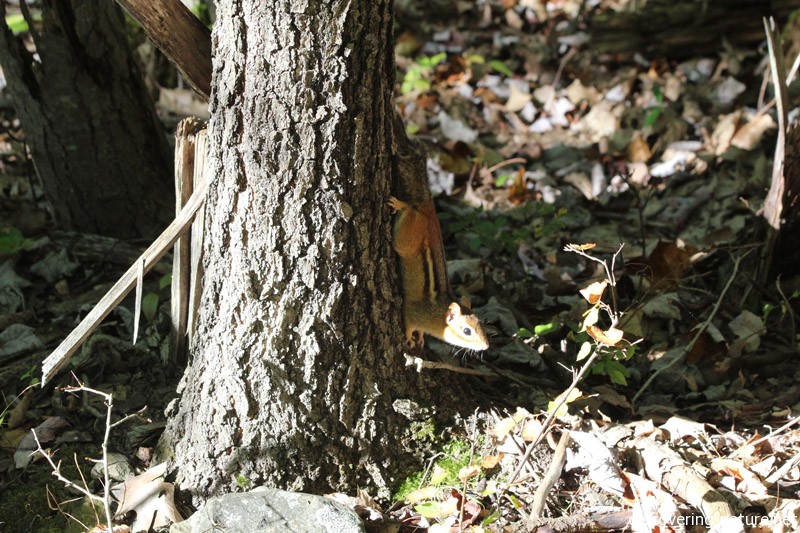
See ya! 
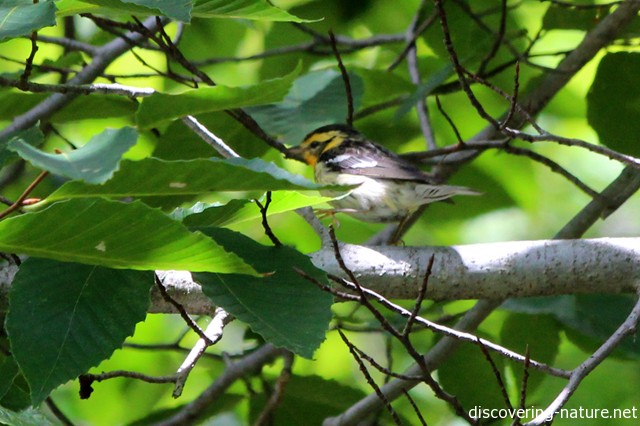
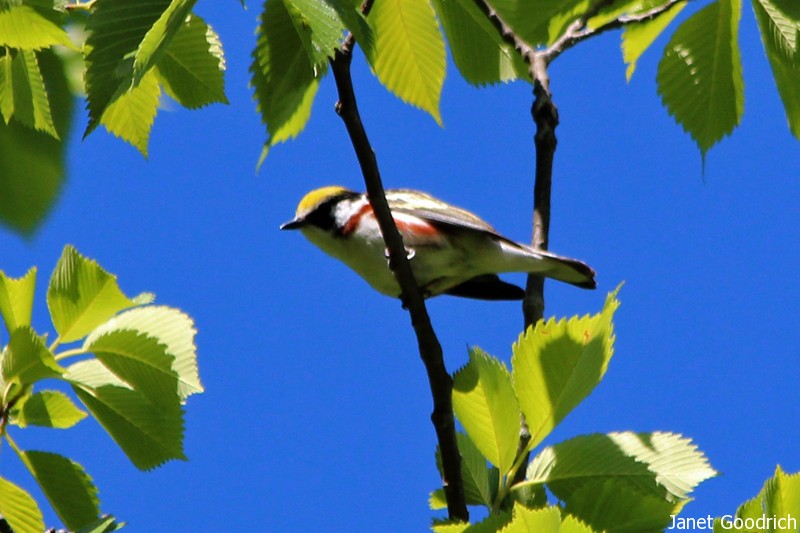
Black-throated green warbler, non-breeding plumage 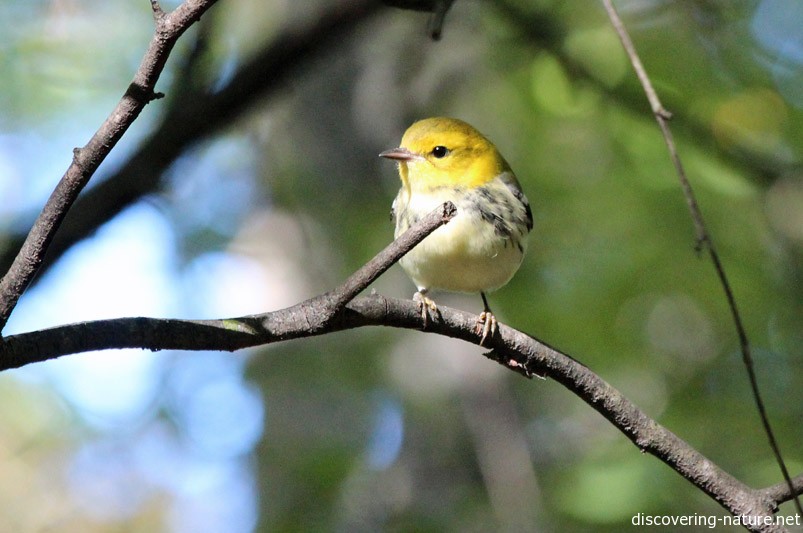
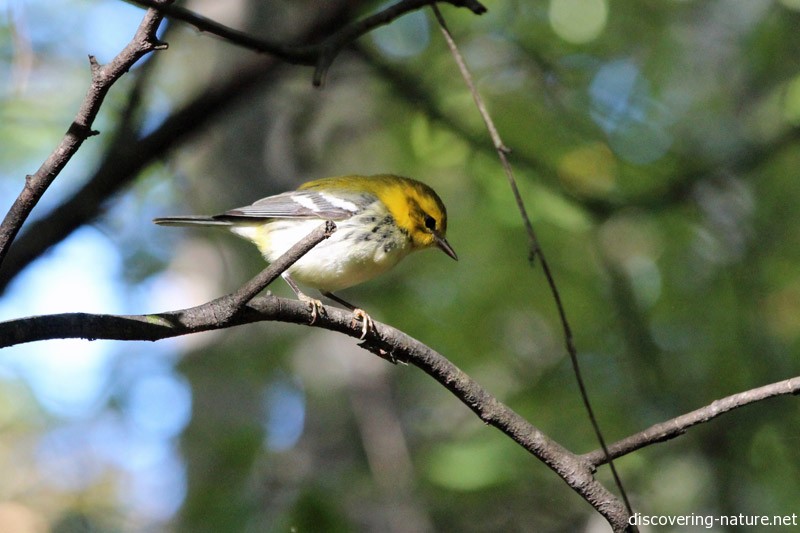
-
Sabbath
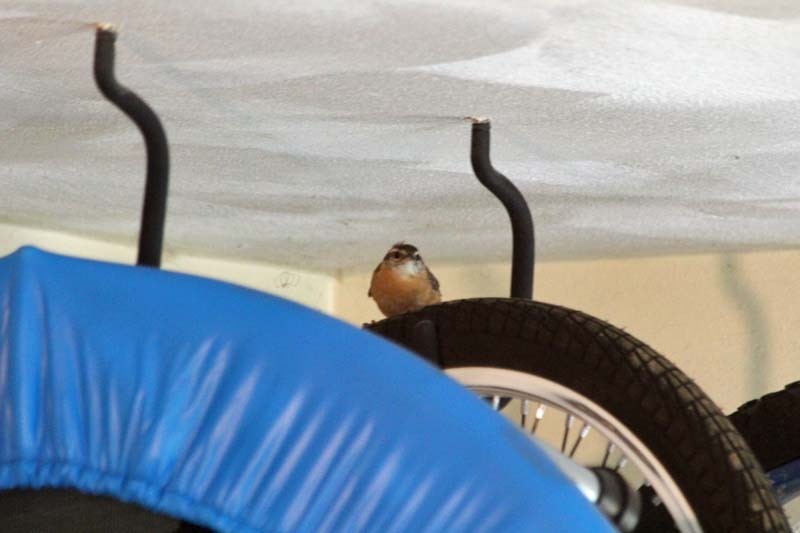
Wendell Berry has a whole series of poems called Sabbaths. Accumulated over several decades, they represent his forays into the woods on Sundays — not every Sunday, but a portion of them. Usually we’re in church, but today we went into the woods instead. There is a particular kind of rest, a particular settling and composure, in the solitude of a walk in that setting.The first “wildlife” sighting happened before we even got out of the house: this Carolina wren, who had apparently spent the night in our garage. It was a confident little bird. Maybe it enjoyed the warmth, and whatever bugs it found on the window sills. But when we opened the doors, it paused only to give us a considering glance before flying gracefully away.
Off to the woods, on a morning blanketed in mist.
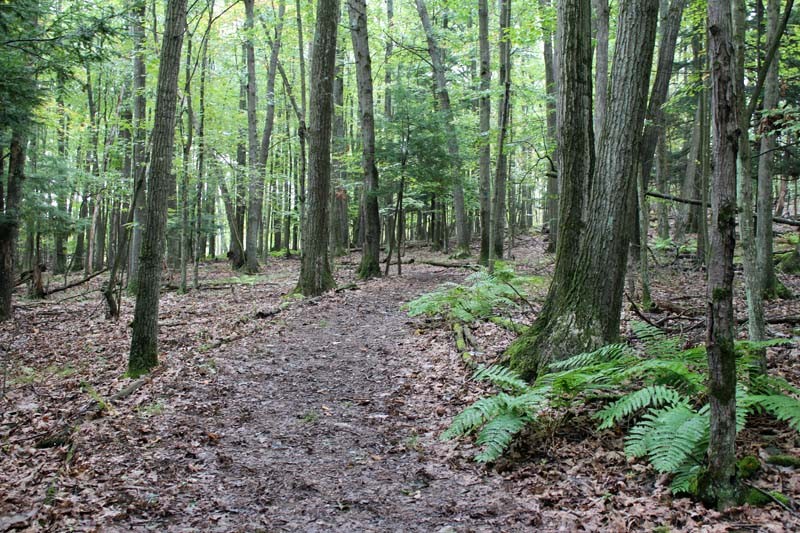
The moisture in the air made certain usually hidden things visible.
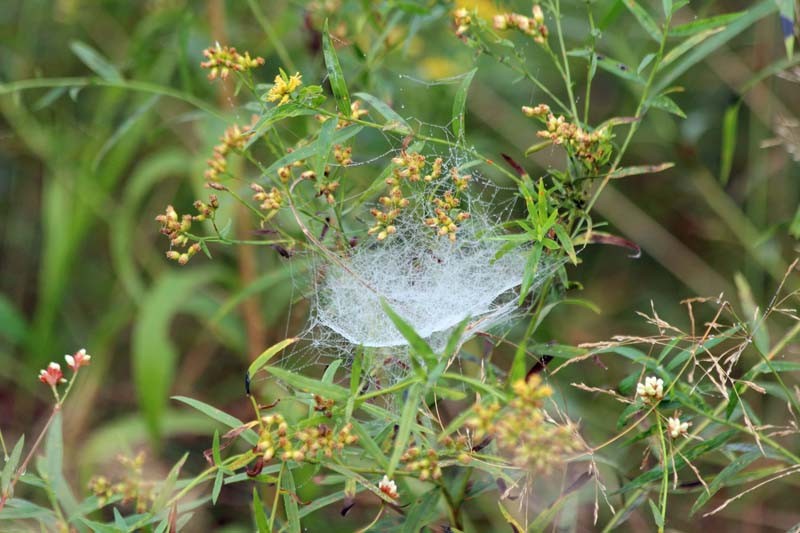
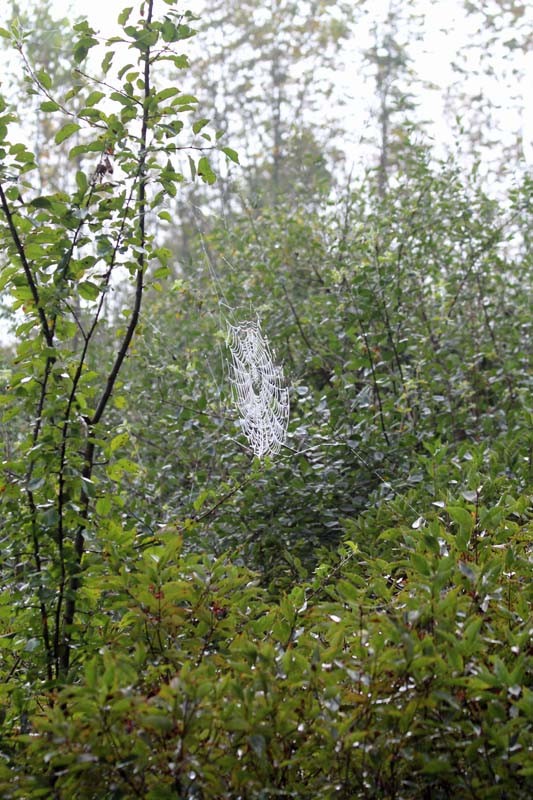
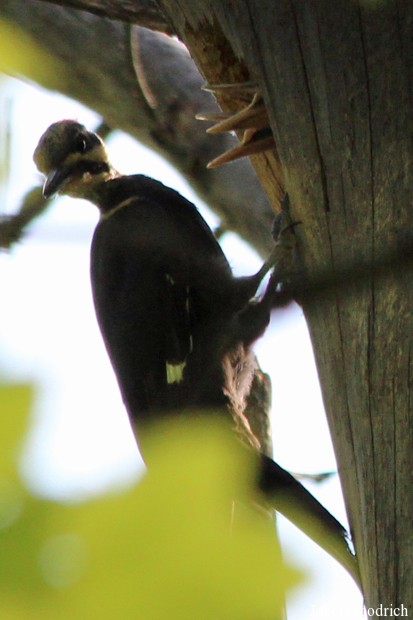
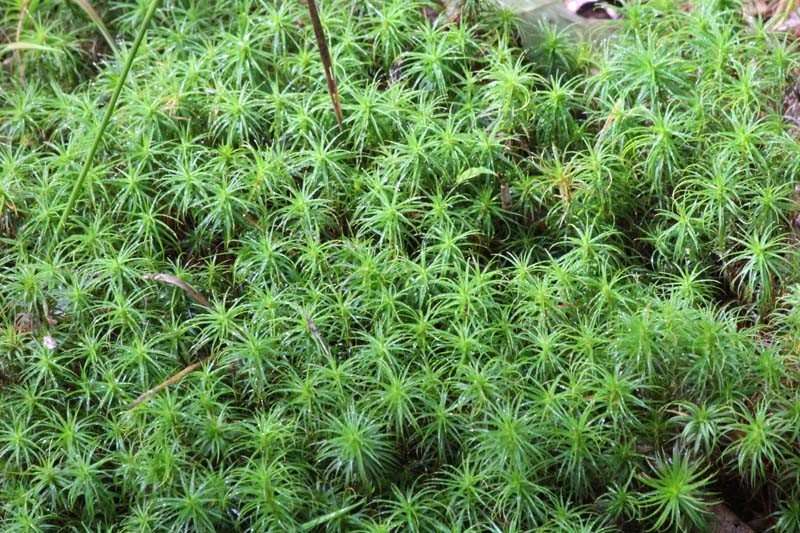
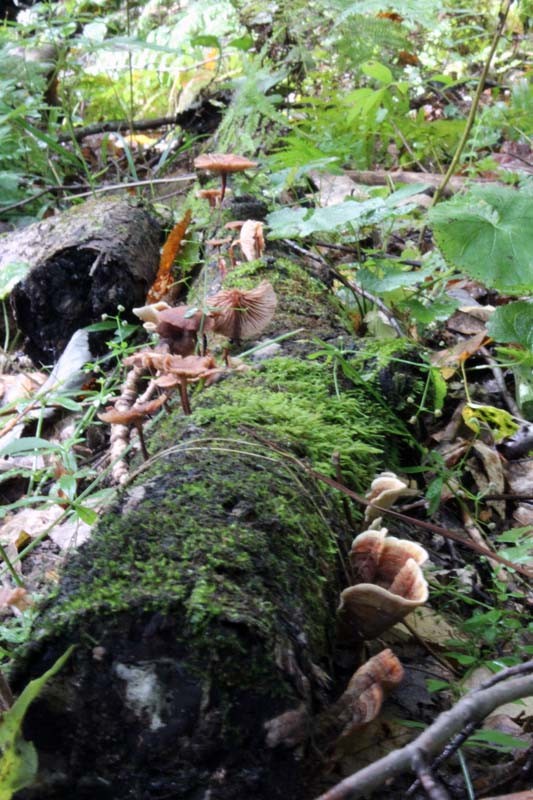
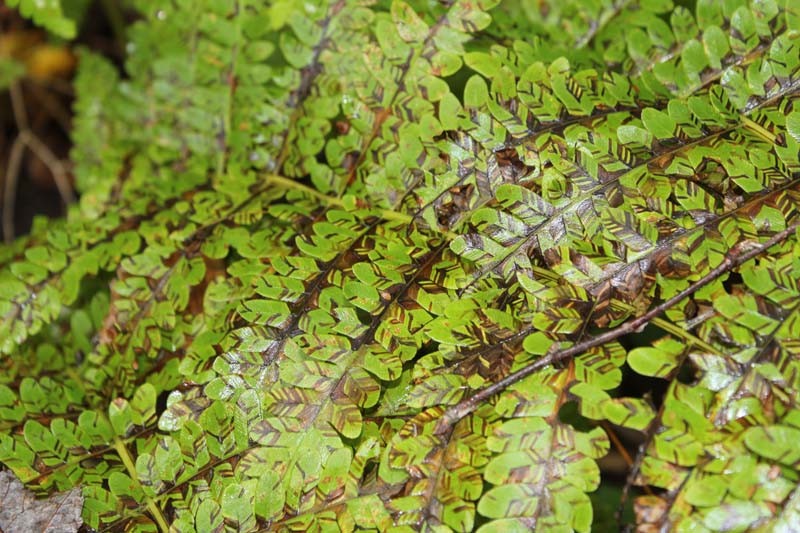
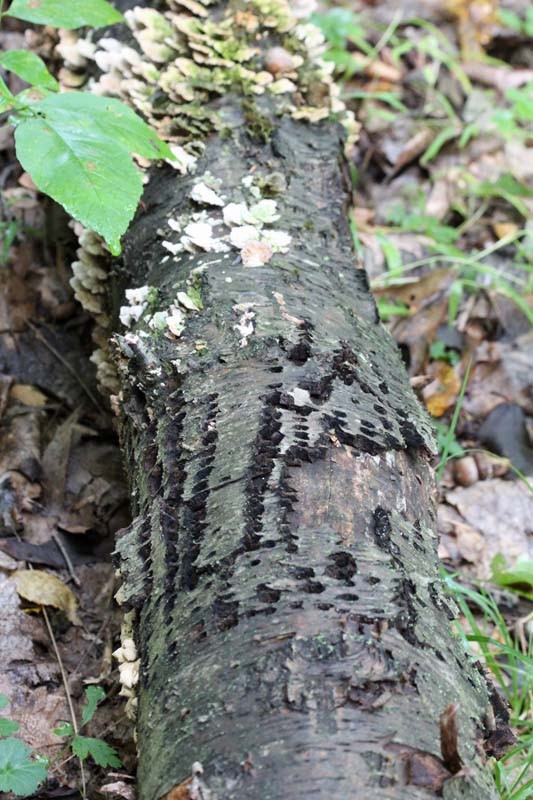
We saw a few deer, but for the most part, it was a time to look closely at the microworlds of mosses and bracket fungus, ferns in their fall stripes, woodpecker work and chipmunks.
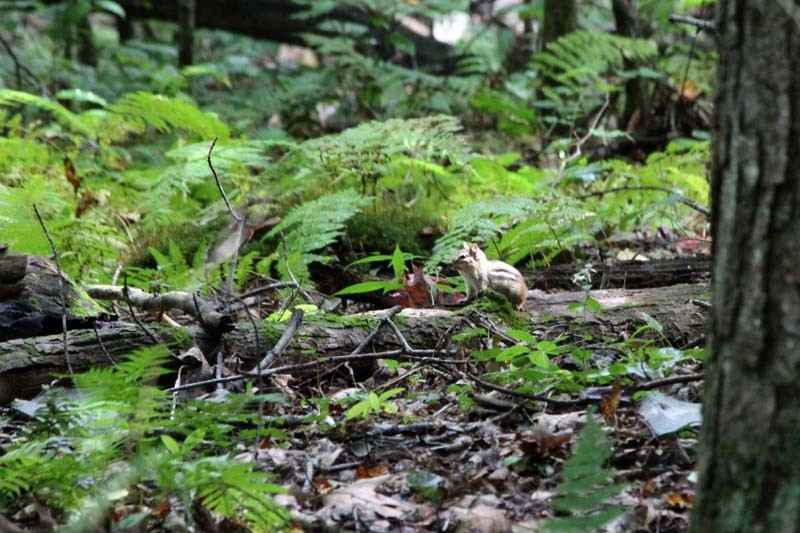
My husband was surrounded at one point by small, alarmed rodents, filling the woods with their squeaking.
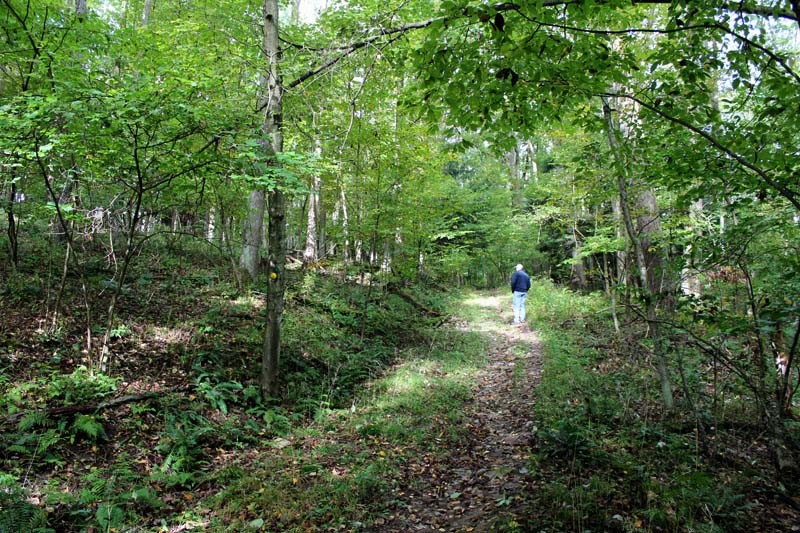
We were near this stream, a favorite spot, when the sun came out.
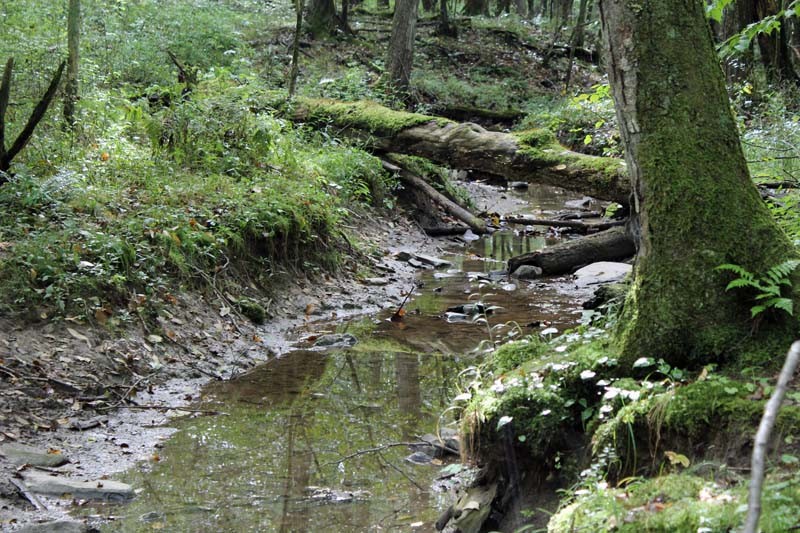
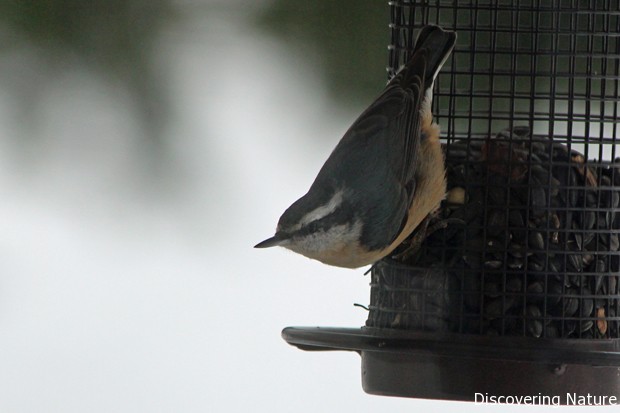
It’s interesting to me that although our bird feeding station at home was swarming with birds, the ones in the woods take longer to get up and moving. Maybe they wait for their prey to wake up — not being a welfare state, like our back yard. There were quite a few cardinals, chickadees, robins, nuthatches, hairy woodpeckers, cedar waxwings, Eastern towhees and other birds coming alive and chattering in the trees as we came back out. The gnats were certainly awake as well.
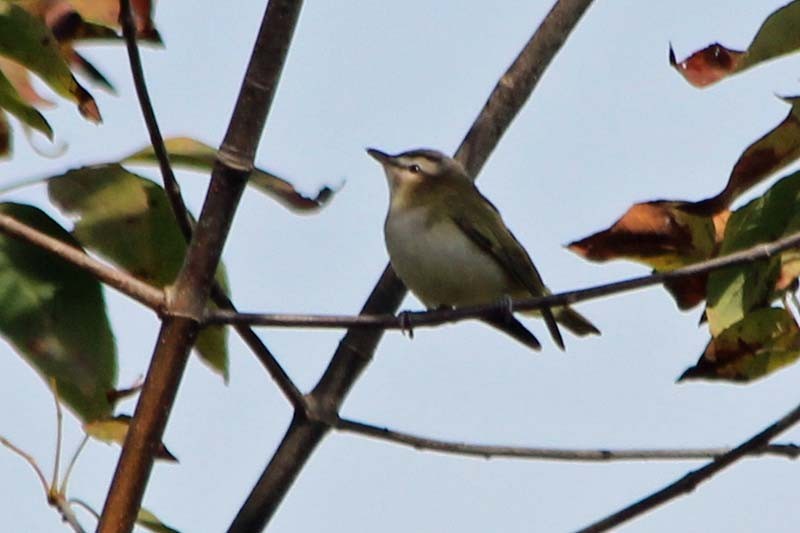
At last — all things come to her who waits — I saw a Tennessee warbler, who scolded me roundly and flew away.
-
Signs of fall
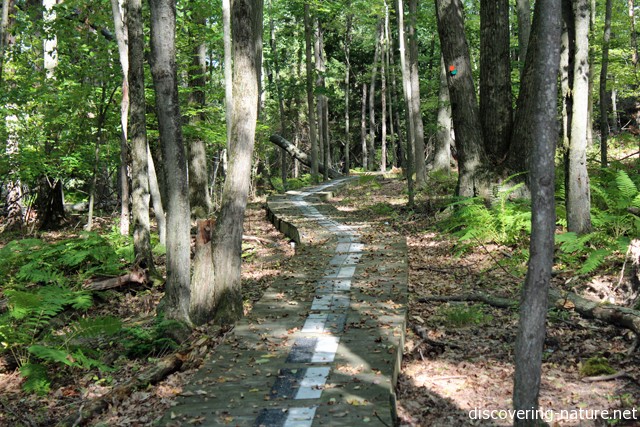
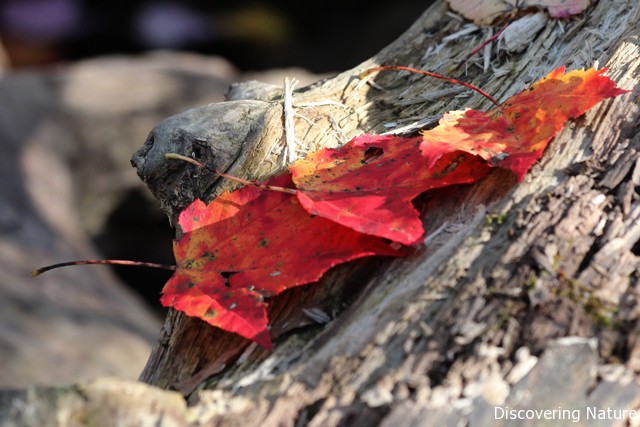
Leaves are beginning to crackle underfoot. There is still a green canopy overhead, but the smell of fall is in the air, and there was a freeze warning last night.
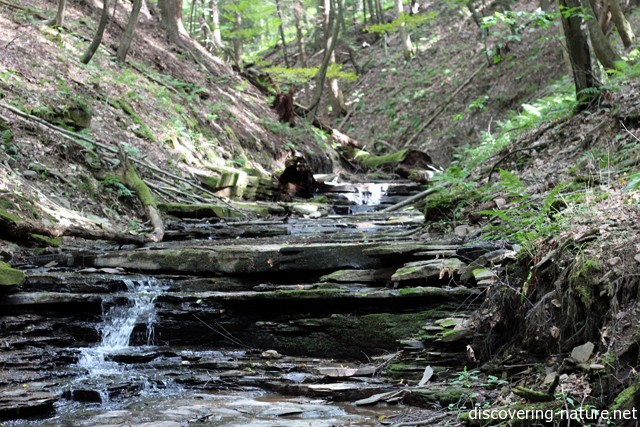
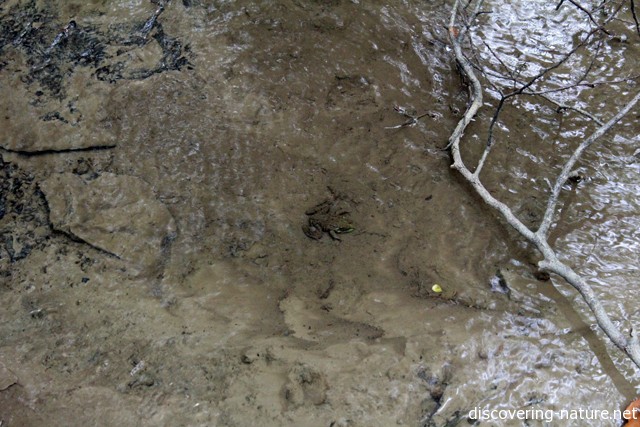
The girls and I descended into this lovely gorge for a new perspective on a familiar walk yesterday. We saw this fellow literally “chilling out,” along with several of his friends.
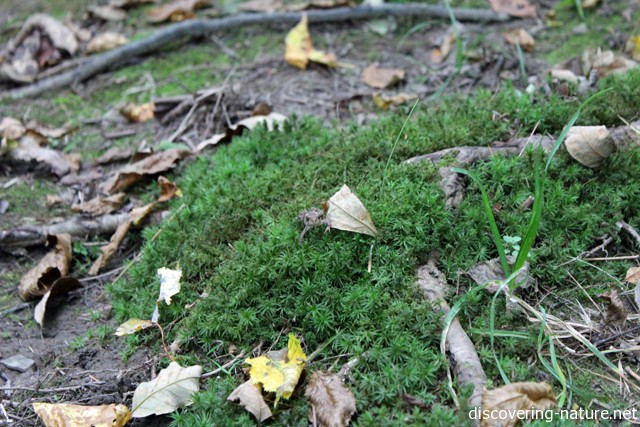
His landlubber pals, tiny toads, were everywhere along the trail, too.
It seems like the summer flew by. I hope to drink in the autumn more fully before it slips away.
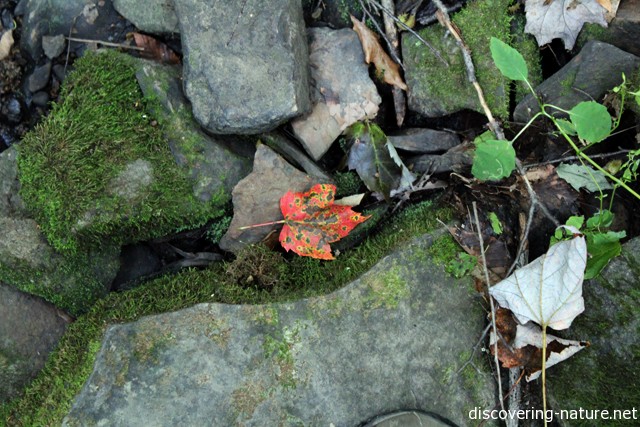
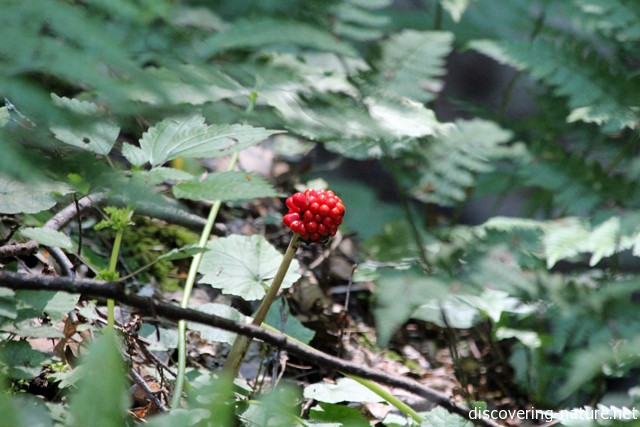
There are always surprises if we’re looking.
-
Ferd’s Bog

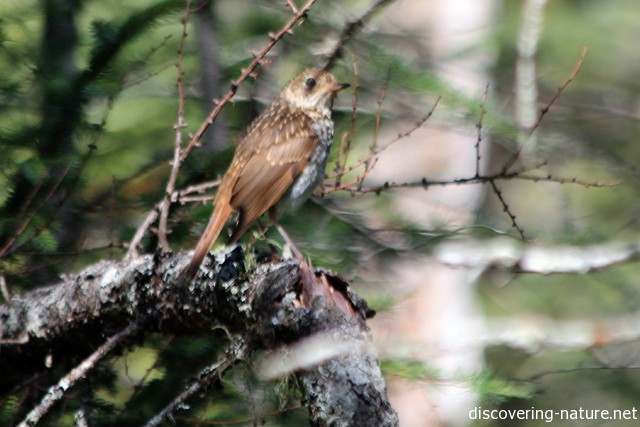
The walk into Ferd’s Bog, where I heard the winter wren, has a primeval feel. It was very quiet, though as we approached the bog itself, we heard a few bush-dwellers rustling about. This one, a hermit thrush (I think), posed so nicely my photo should be better than it is.
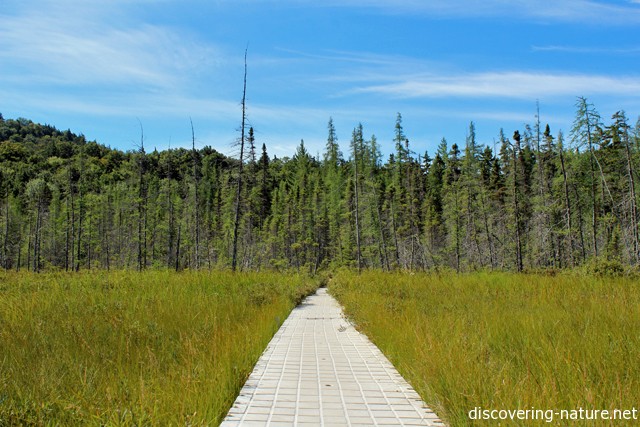
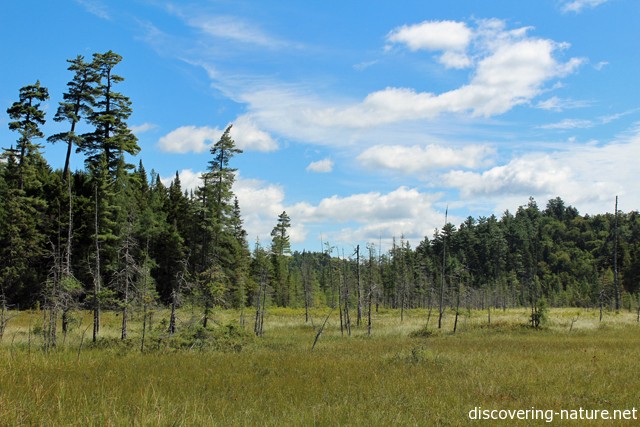
On to the bog, traversed by a boardwalk. Earlier in the summer, the grass is red with pitcher plants. Not so much so in August.

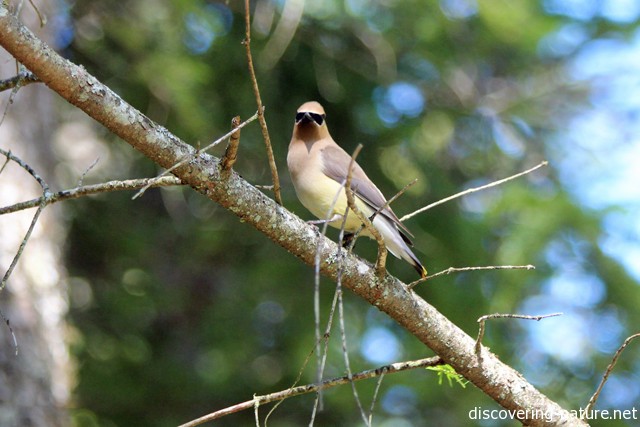
Cedar waxwings were everywhere, making their high-pitched noises that, I’ve read, are sometimes too high for the human ear to pick up.

The walk out is equally beautiful, of course, though it seemed all new because we were moving in a different direction.

-
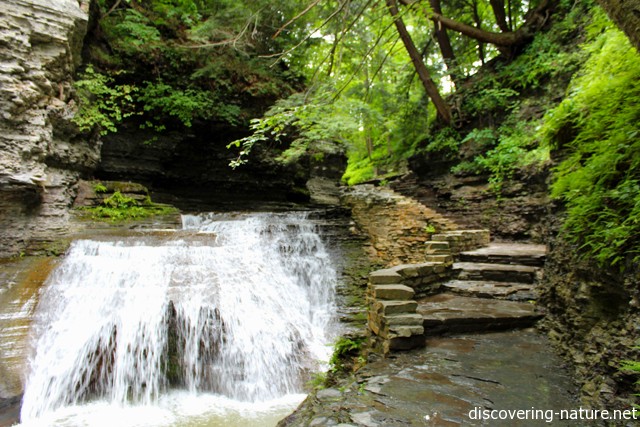
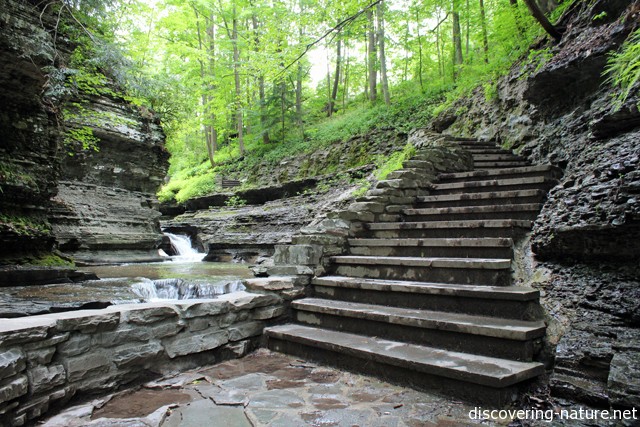
Buttermilk Falls
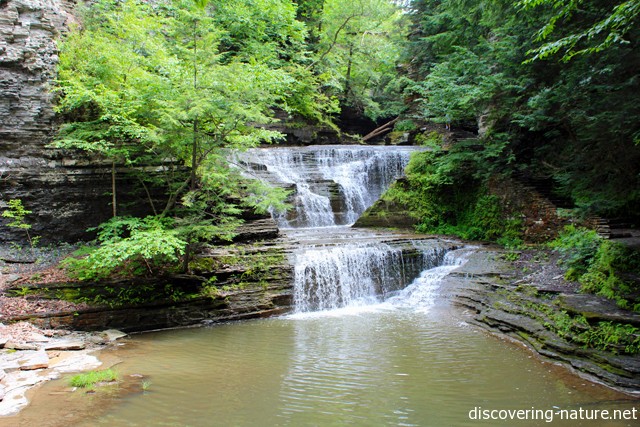
We stumbled upon this state park in Ithaca the other day. I pulled into the entrance to turn around, and the girls took one look and wanted to explore.
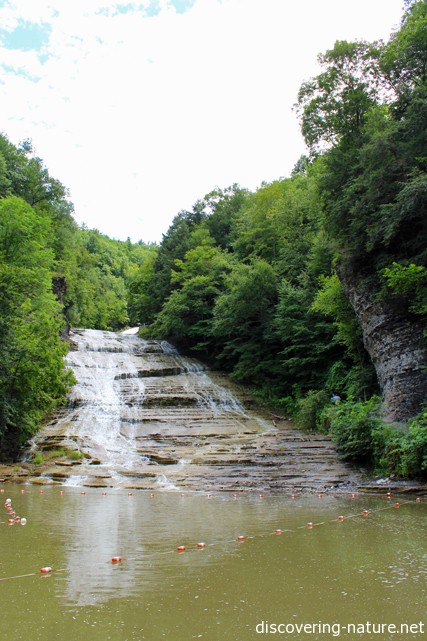
So we did.
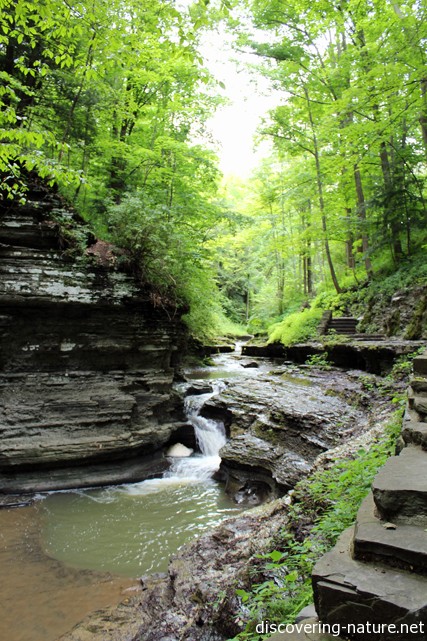
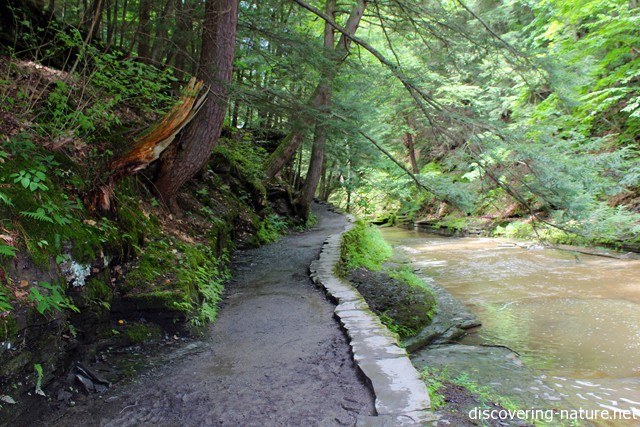
A trail, mostly stone stairs, led up beside the falls for 3/4 of a mile or so. It was filled with fairylandish vistas; around every corner was a new scene to exclaim over. Out of the rock walls beside the trail, water trickled. It was one of the wettest and most lush walks we’d ever taken.
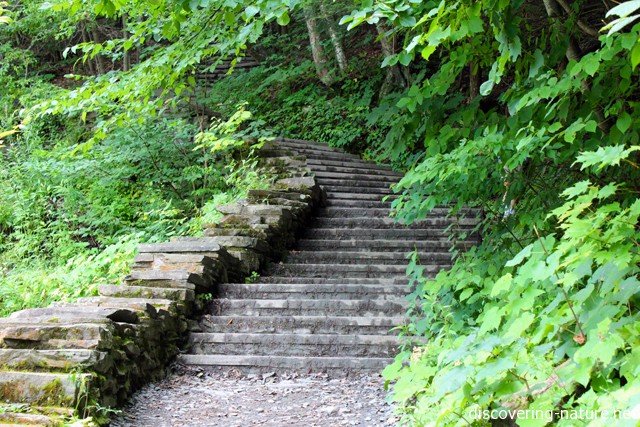
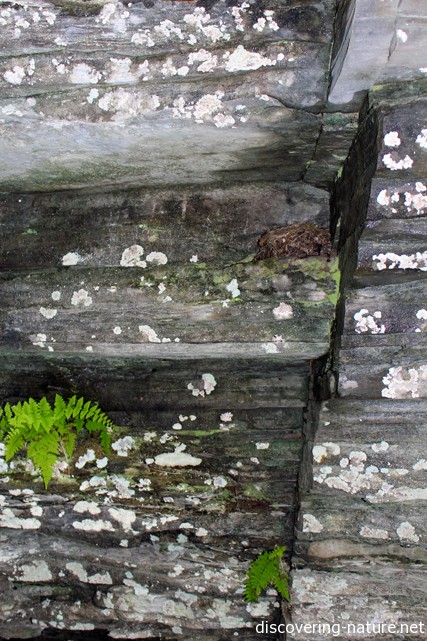
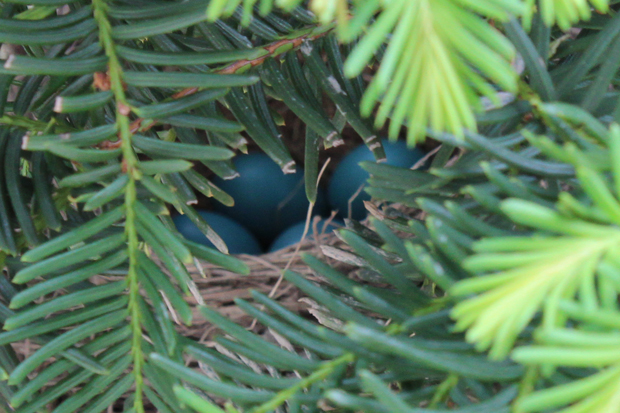
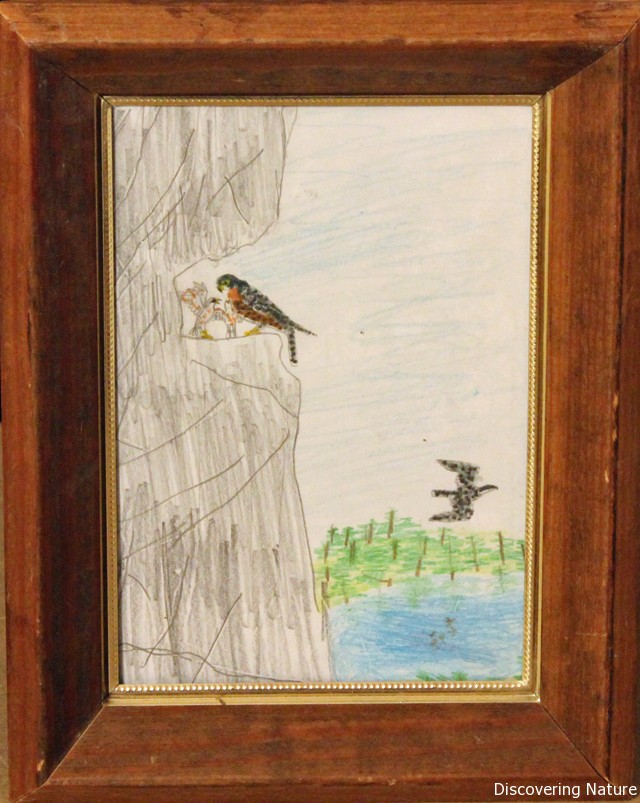
Can you see the bird’s nest disguised on this wall? 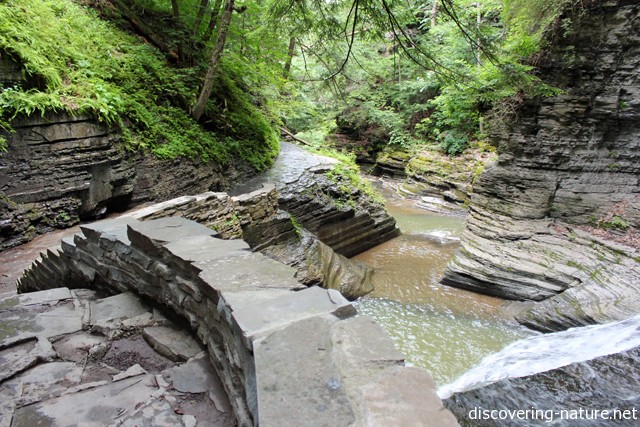
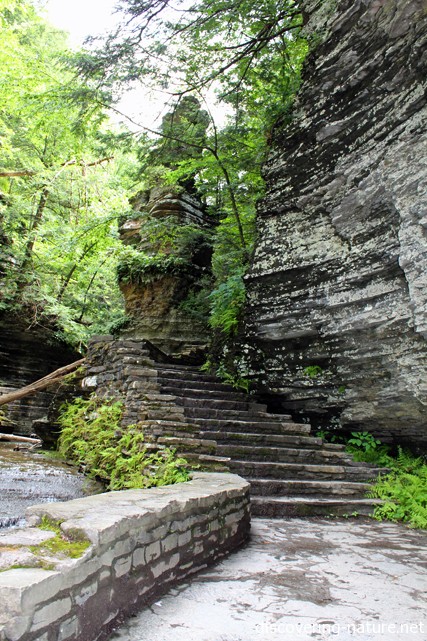
Pinnacle Rock The walk down was, in a way, more challenging. It’s hard to have the brakes on all the way. The trail down also skirted the falls much more widely, and we couldn’t see them very often. But we surely got an eyeful on the way up.
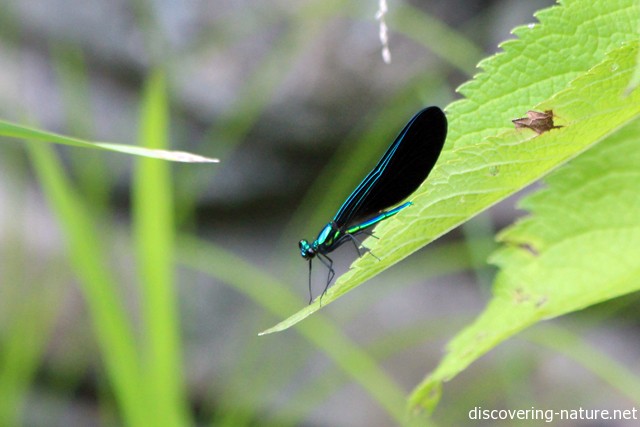
-
Gray morning walk
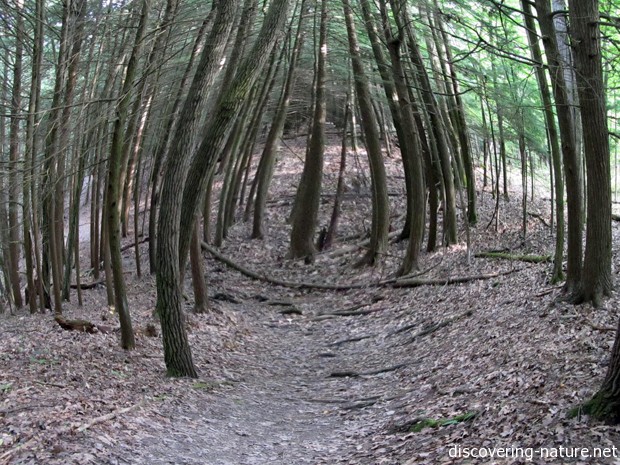
I’ve noticed that birds love the kind of warm, overcast morning I took my walk in. (So do mosquitos. Note to self: use bug dope next time.)
Mostly I heard them this morning: wrens, a huge ground bird spooking and beating away, “bush tickers” (as my daughter calls the many small birds that hide in the bushes sounding the alarm), cardinals, robins, ovenbirds, catbirds.
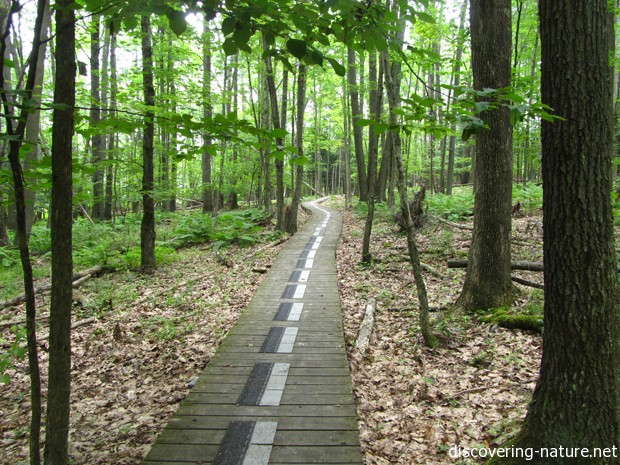
But I did get to see not one but two wood thrushes, which was a treat. I saw a flurry of juncos among some hemlocks, feeding and discussing. And at one point in the trail I came upon a veritable convocation of small birds eating and, I think, feeding young: redstarts, yellowthroats, vireos, chickadees. The light was no good for pictures, so I enjoyed just standing among them for awhile. They fed on bugs, and mosquitos fed on me.
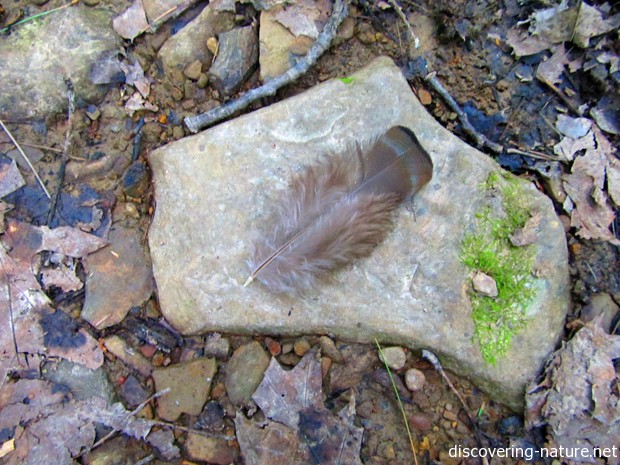
I contented myself with photos of things that stayed still.
Several deer allowed me into their space, and one studied me closely. They’re a rich cinnamon color this time of year. Though all of them appeared to me to be does, I saw no fawns. I did see coyote tracks. 🙁
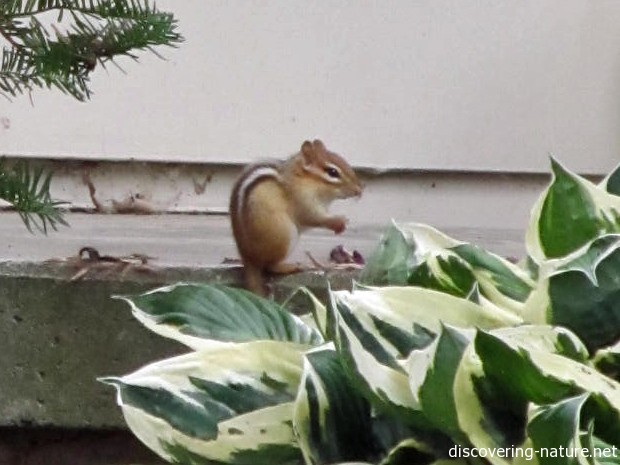
It was nice to be out. Even though it kept threatening to rain, it never did. When I got home I was greeted by more wildlife — or semi-wild life — on the front step.
-
Round the bend…

-
Hungry
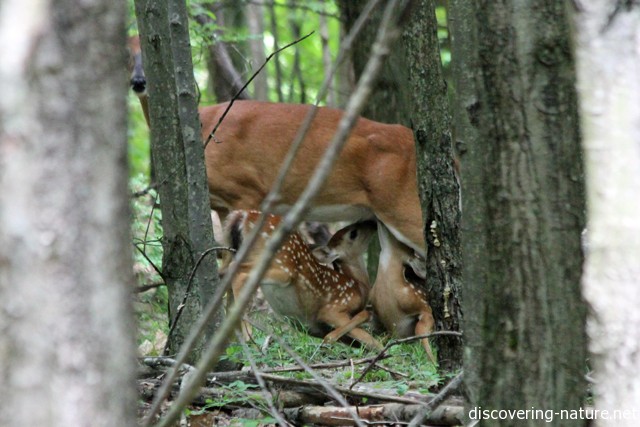
Everyone was feeding their young this week when we took our walk in the woods. This was probably a once in a lifetime sight… I think Mrs. Doe had a fast getaway in mind, but she tolerated her two hungry fawns for a minute before leaping cleanly over them and leading them quickly into the woods.
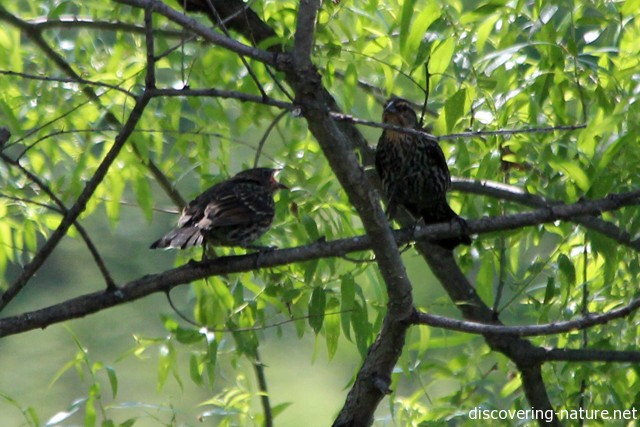
The redwinged blackbird babies were hungry too…
…as were the orioles.

Other sights…
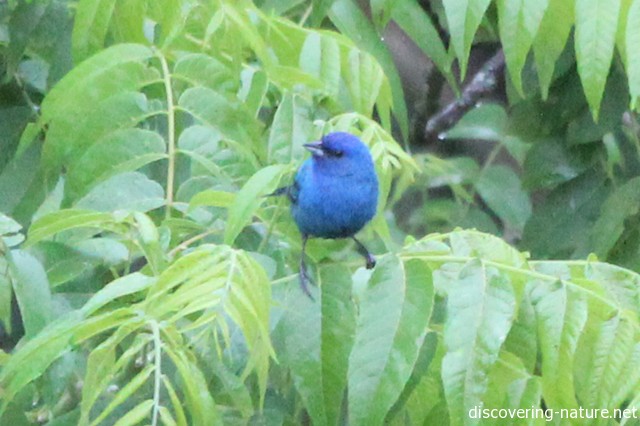
Indigo bunting 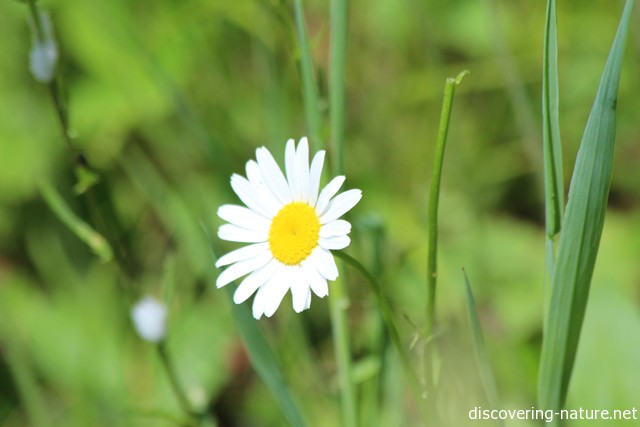
Daisy 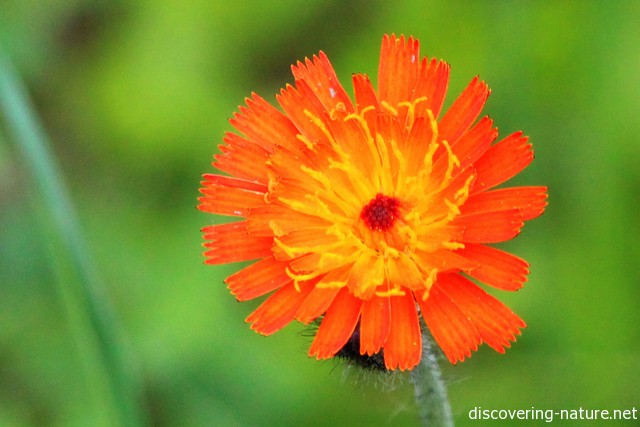
“Indian paintbrush” 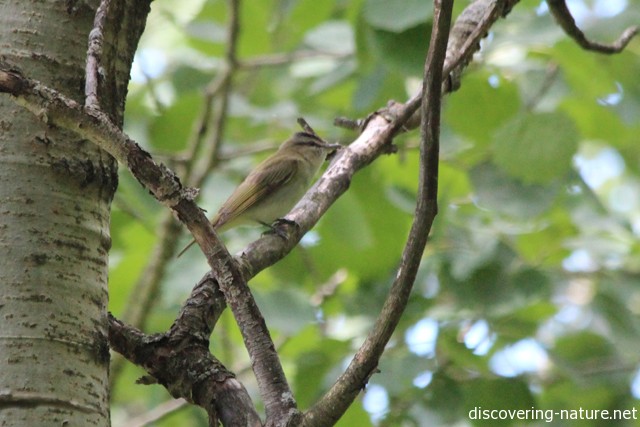
Red-eyed vireo That’s just a sampling… There were many other sights and sounds, too. This time of year it’s impossible to document them all.
-
Tanglewood
Sometimes, even the tail end of wildlife can be pretty cute…
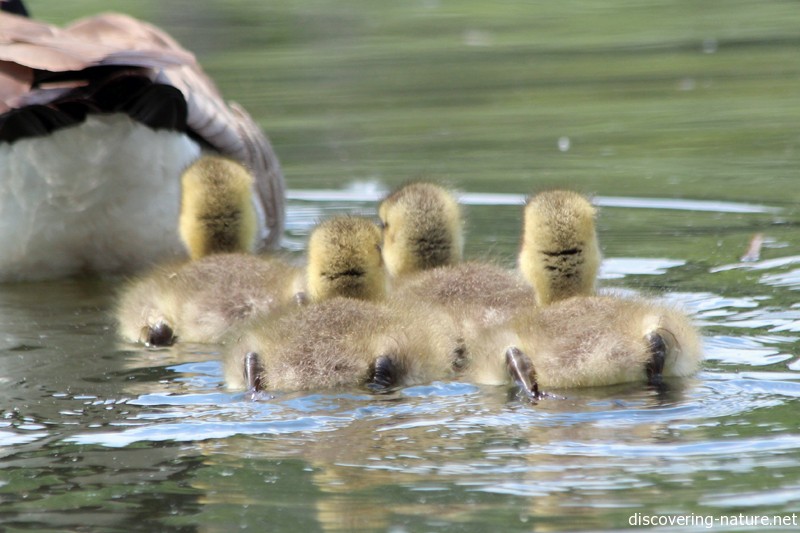
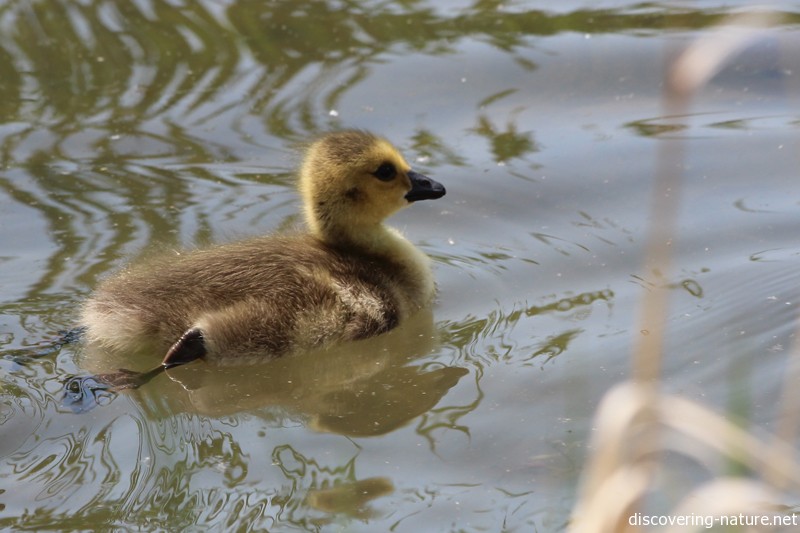
…but then, goslings are cute from all angles.

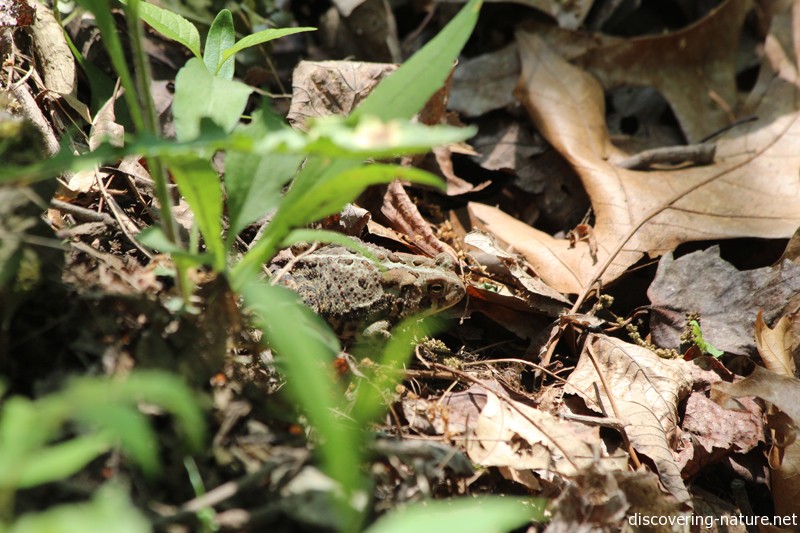
Other things, close-to-the-ground, may require a certain perspective to be seen as “cute.” At the least, they’re indisputably well adapted.
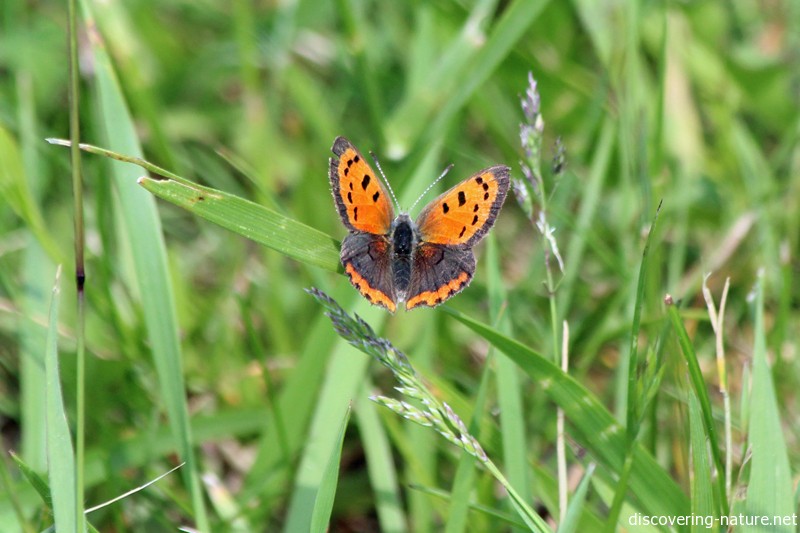
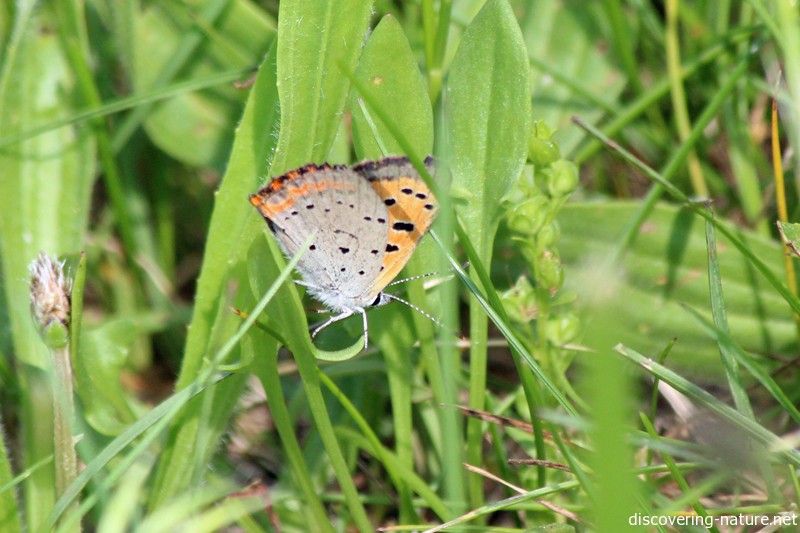
We saw any number of butterflies, including this tiny specimen — which I believe to be an American Copper.
We were not only the observers at the Nature Center we visited today, however. Sometimes, we were the observed.
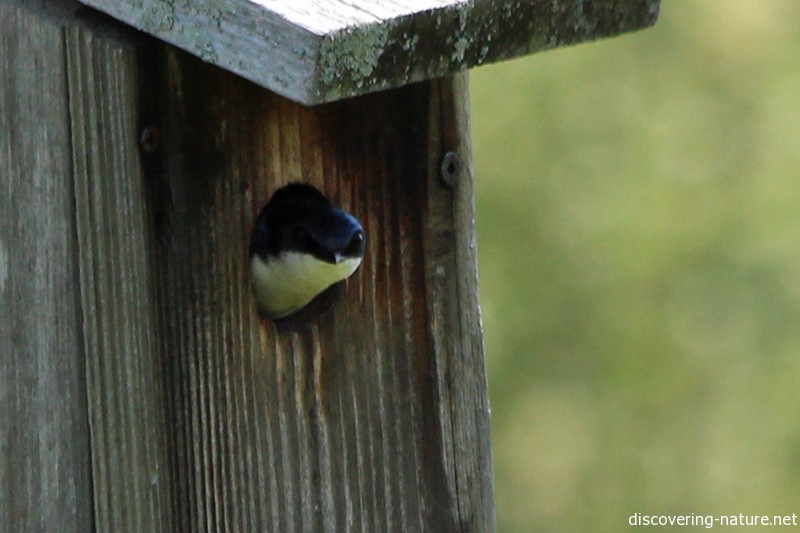
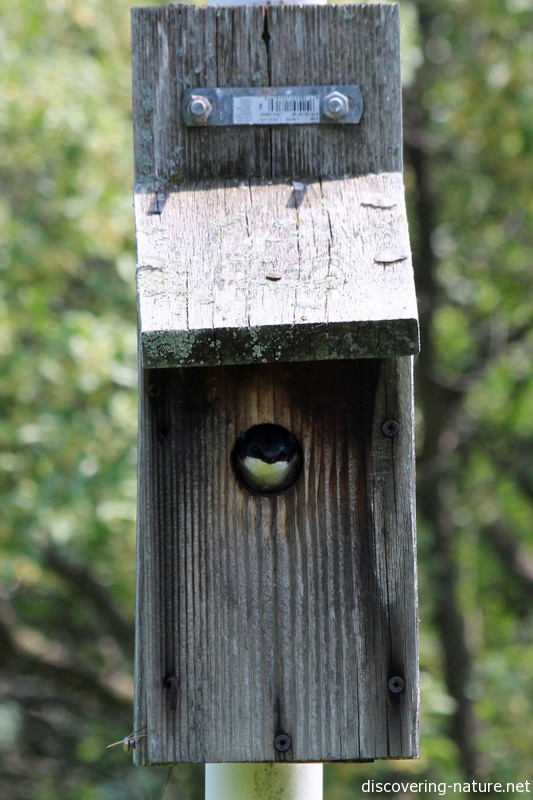
I think this is a young tree swallow. It didn’t take off the way I’d expect an adult to. It just observed us keenly.
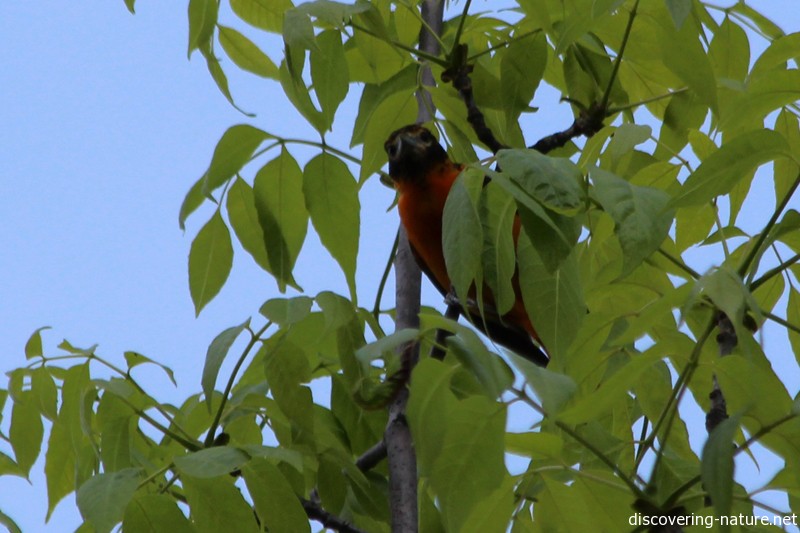
This young oriole was one of a pair of males. They appeared to be getting along equably, then suddenly the mature one chased the immature one off across the field.
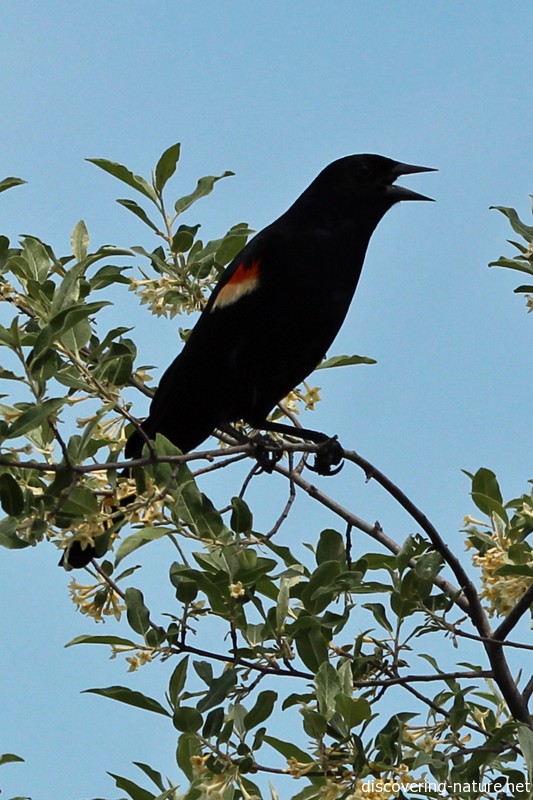
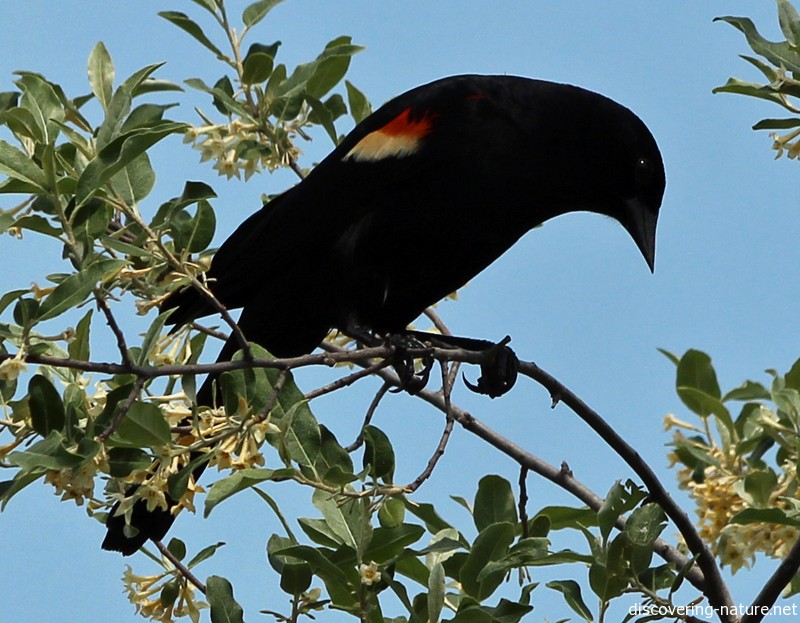
I enjoyed the red-winged blackbirds around the pond.

They seem common enough, yet I find them very pleasing to the eye.
One of the first things we saw was a bluebird — our state bird. On our walk we saw any number of chipmunks in the woods, and witnessed a drama between a blue jay and several great crested flycatchers darting and screaming at him until they finally chased him away. We also saw some downy woodpeckers, and lots of evidence of woodpecker carving in the trees. The prize was a sighting of a red-eyed vireo — a bird often heard but rarely seen. It sang right over our heads for a while, pausing only to smash a caterpillar to pulp at one point.
We heard several birds we never saw: oven birds, chestnut-sided warblers, a prairie warbler, a house wren, a common yellowthroat, a cardinal. A few months ago, a robin sighting would have been a highly prized assurance of spring; today we saw many robins without a second thought. A yellow warbler posed nicely for pictures (which I’ve posted in the preceding post).
Fortunately we got by without seeing a timber rattler. They’re common, but snake sightings in general (especially poisonous ones) are so far an aspect of nature study that has failed to win me over.
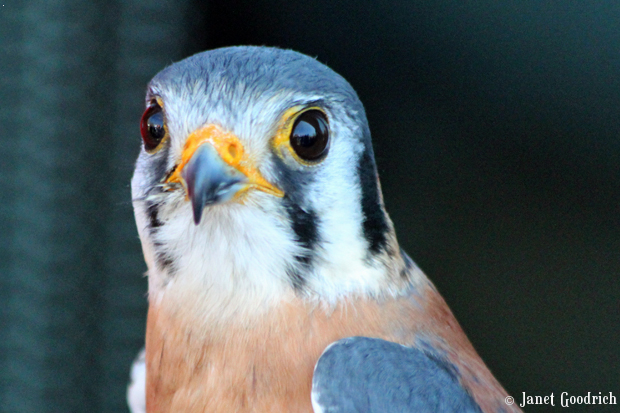
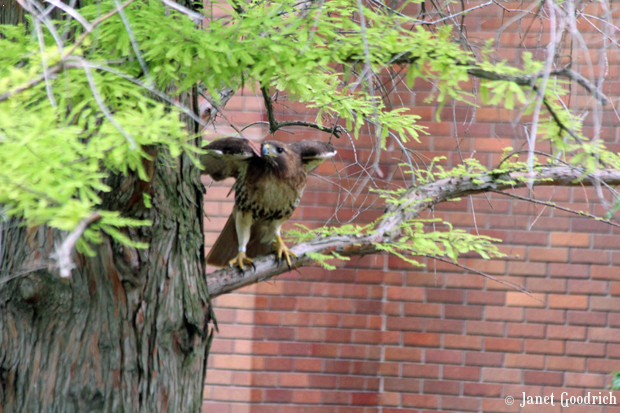
Tanglewood, the preserve we visited today, was a bit of a drive for us. It’s a nicely situated place with lots of walking trails and a mixture of meadow, pond and woodland. The grounds are well-kept both outside, and inside the nature center. They have a few captive raptors (a broad-winged hawk, a red-tail, a barred owl and a great horned owl), a possum, and a few other small rodents, birds, and reptiles. They also have an active honeybee colony — very neat to see. The exhibits are much nicer than our local nature center, which is choked with dusty taxidermy specimens, only a few of which are native species. It’s a hodge-podge, really, like someone’s attic full of collected natural artifacts. But at Tanglewood the exhibits are thoughtfully organized and effective as an educational experience.
-
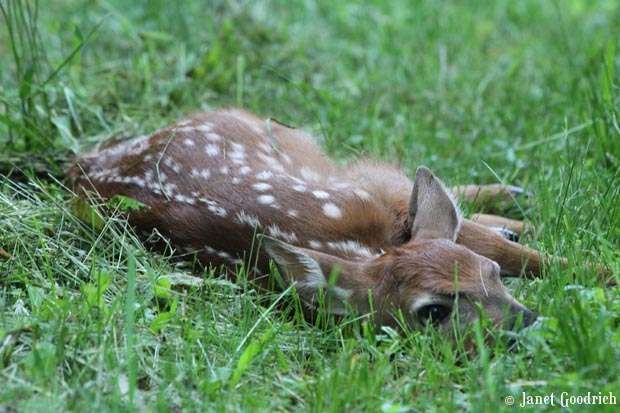
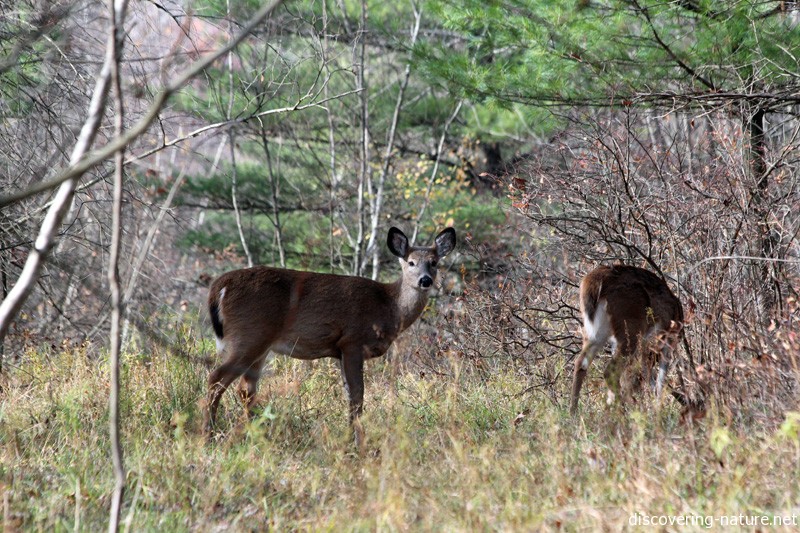
Whitetail
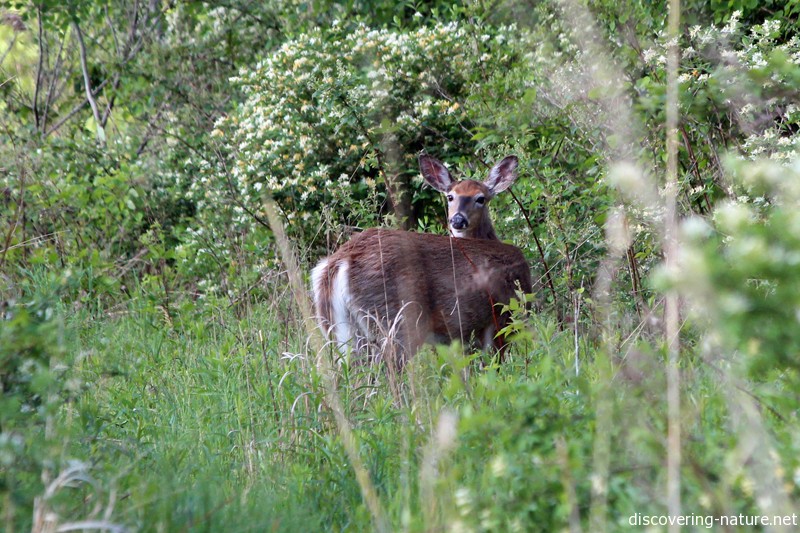
I startled several of these on a walk last week. There may be a fawn hidden somewhere in the long grass… I saw one last year.