Ponds & Streams
-
Walking the Gorge Trail II: To the Pinnacle
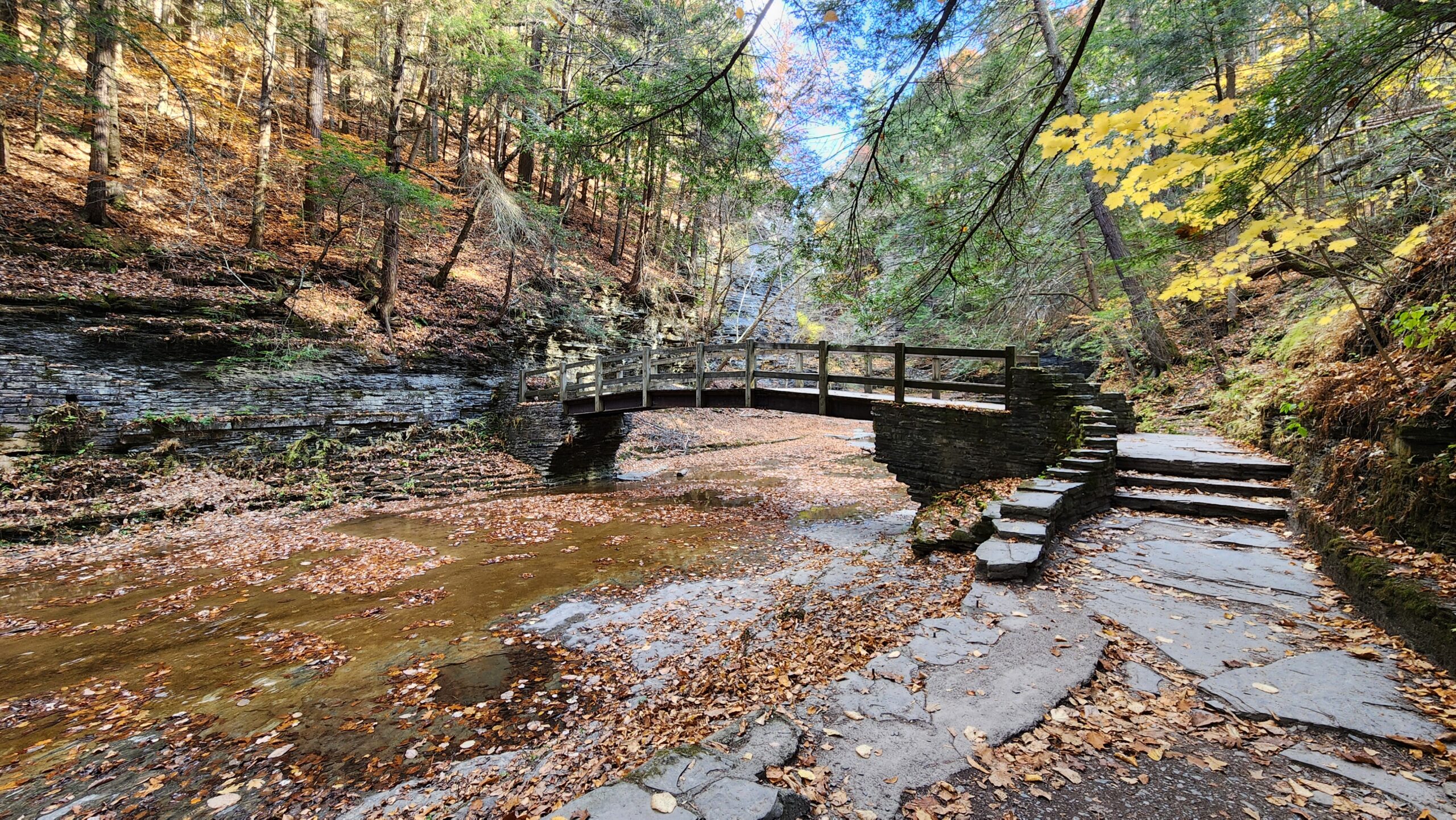
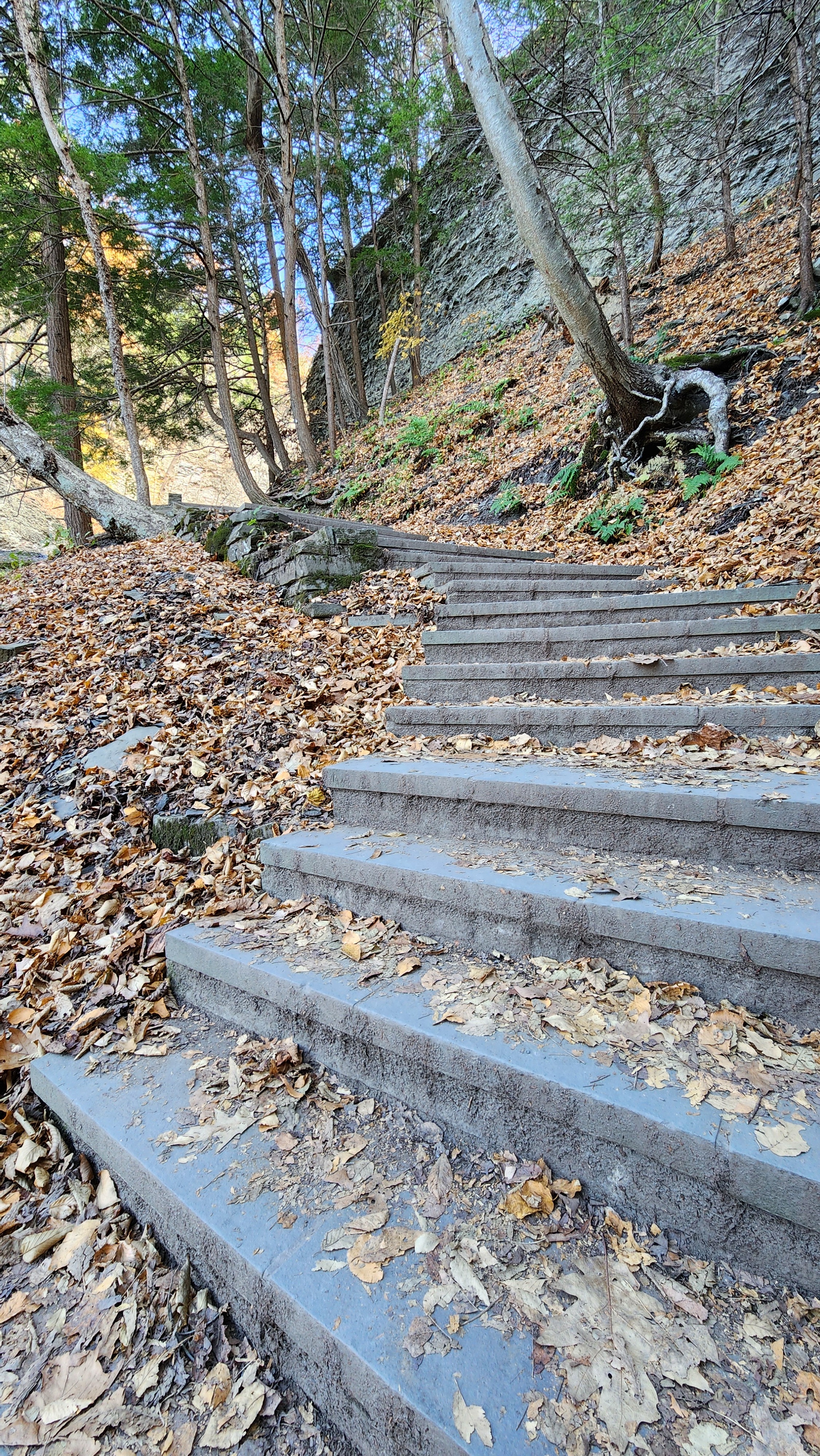
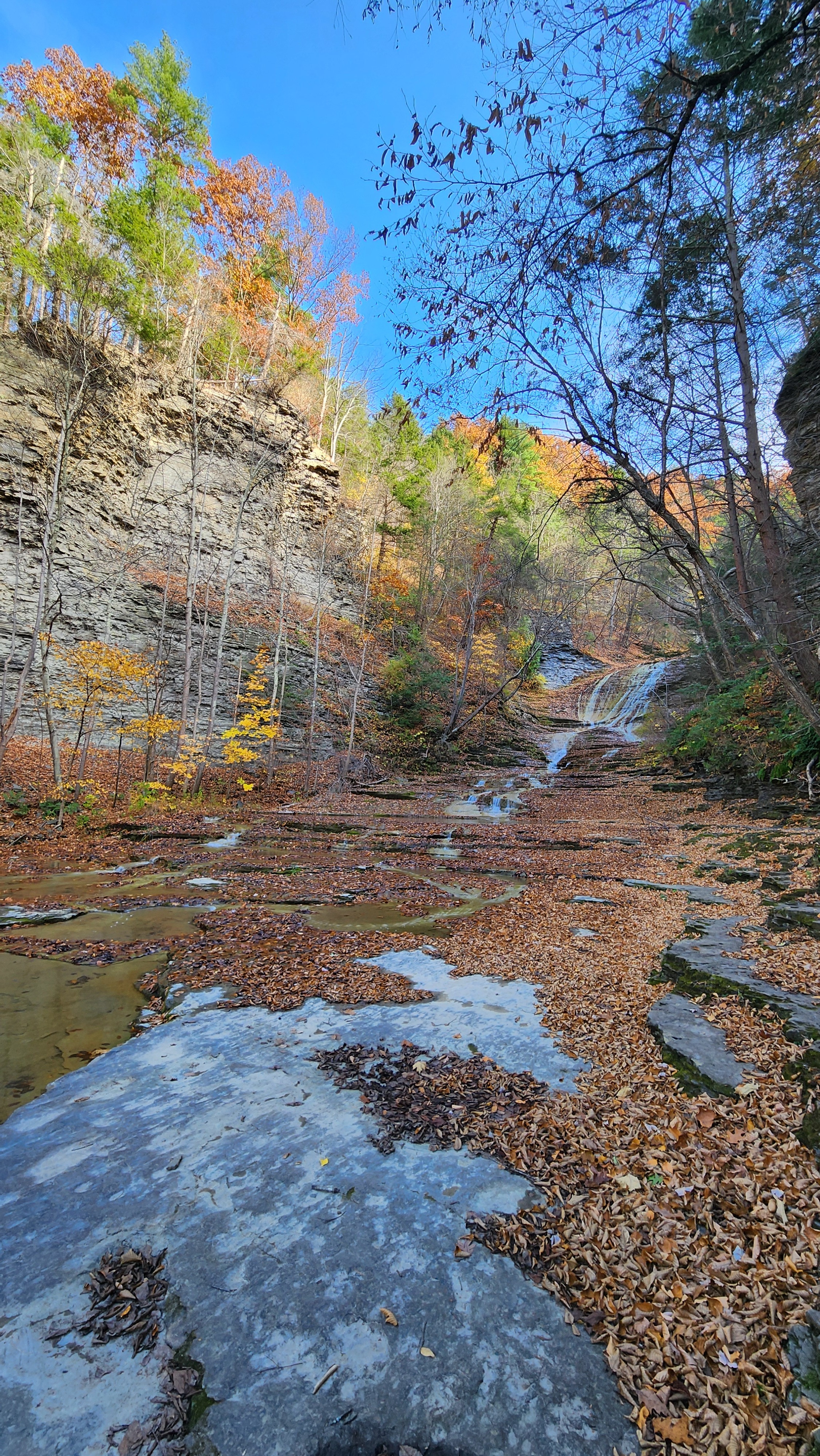
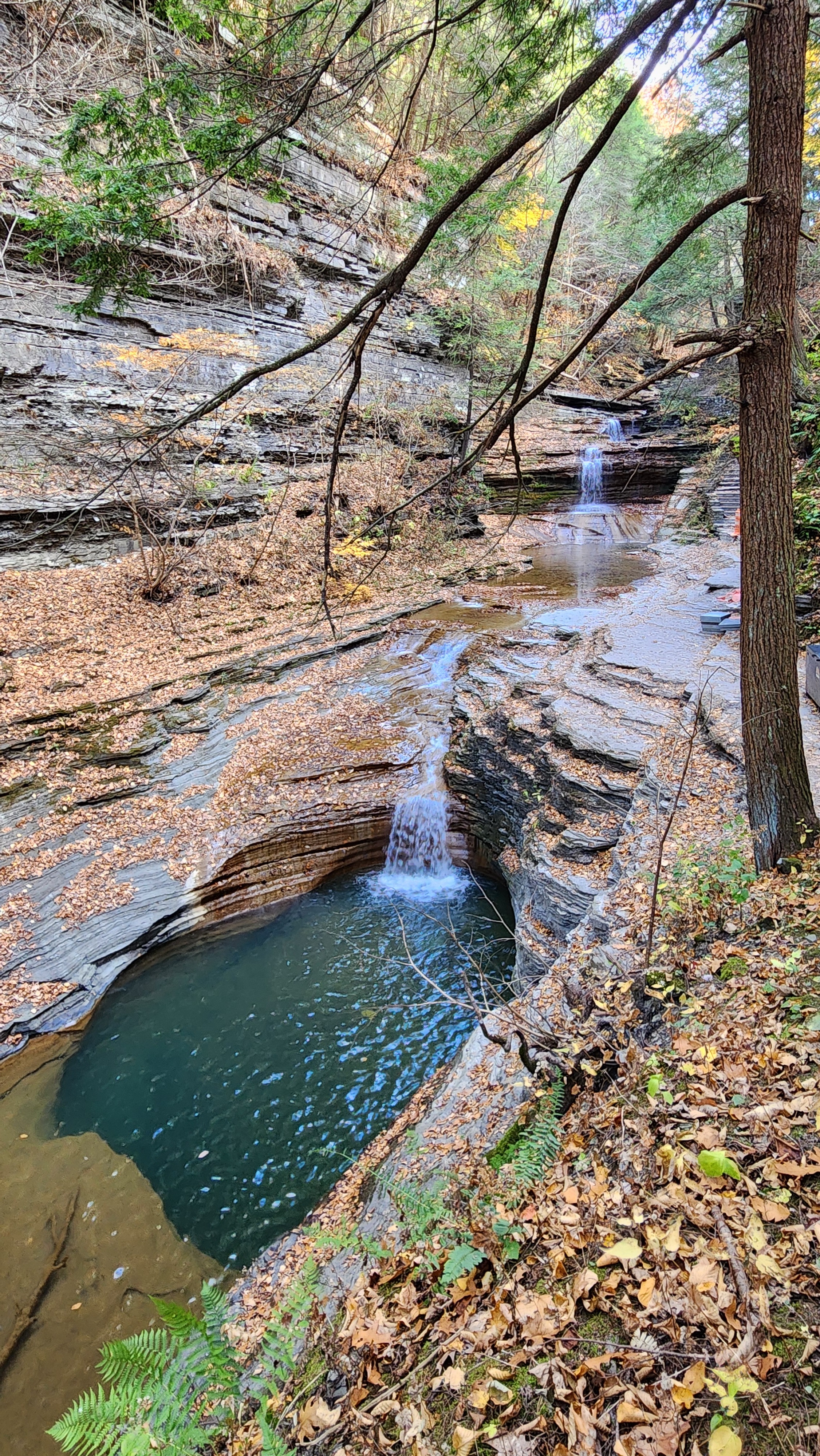
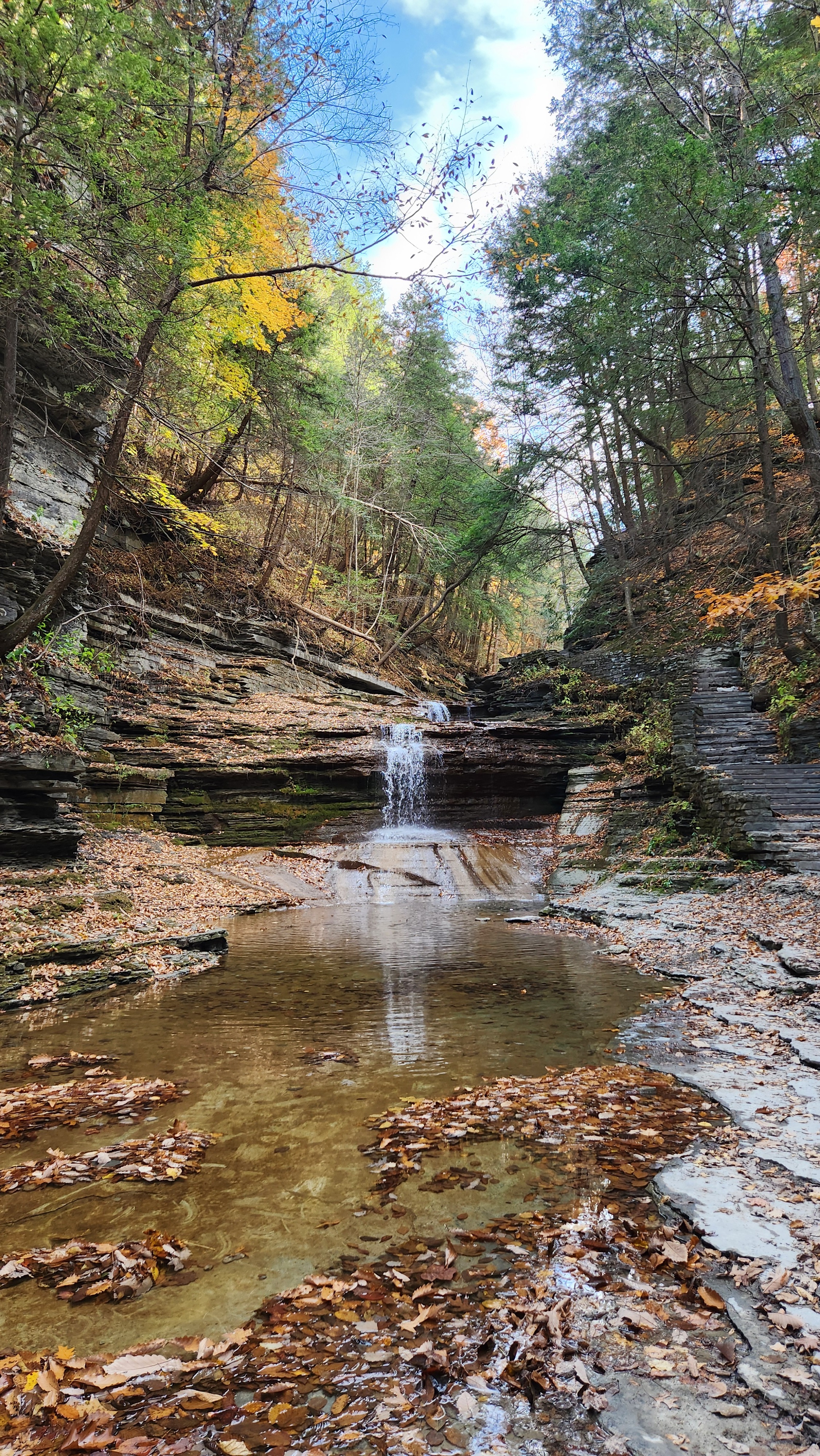
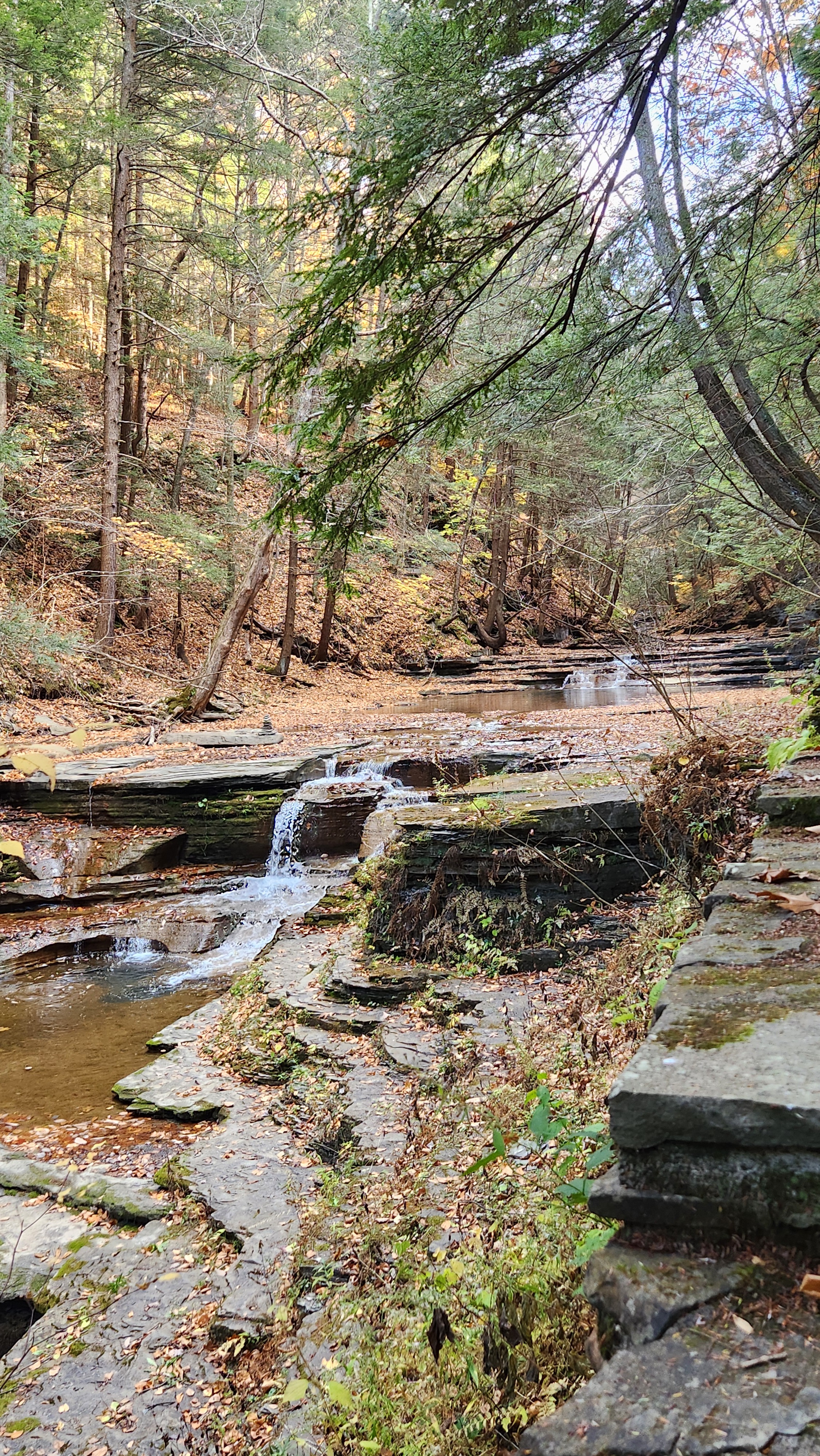
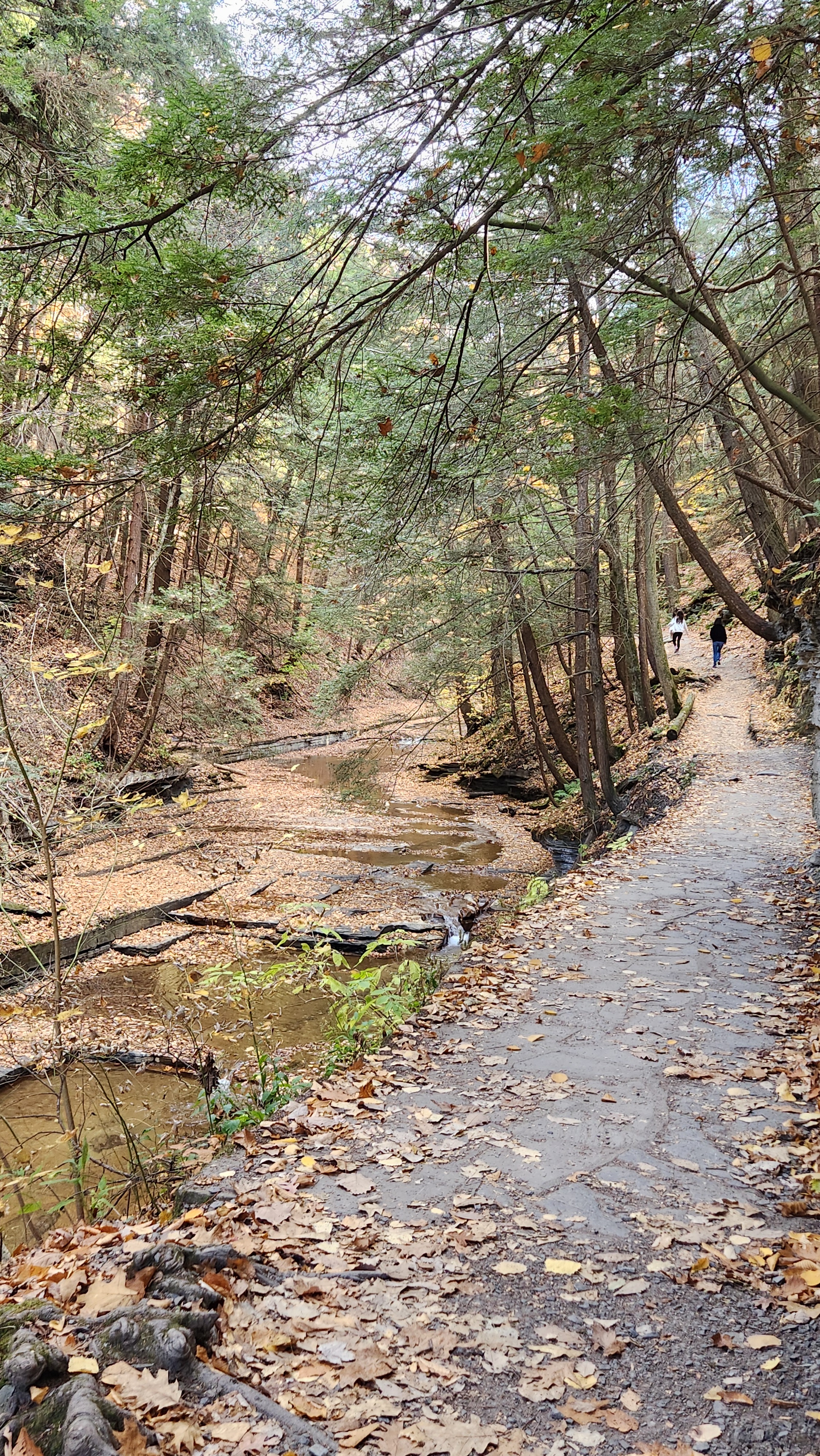
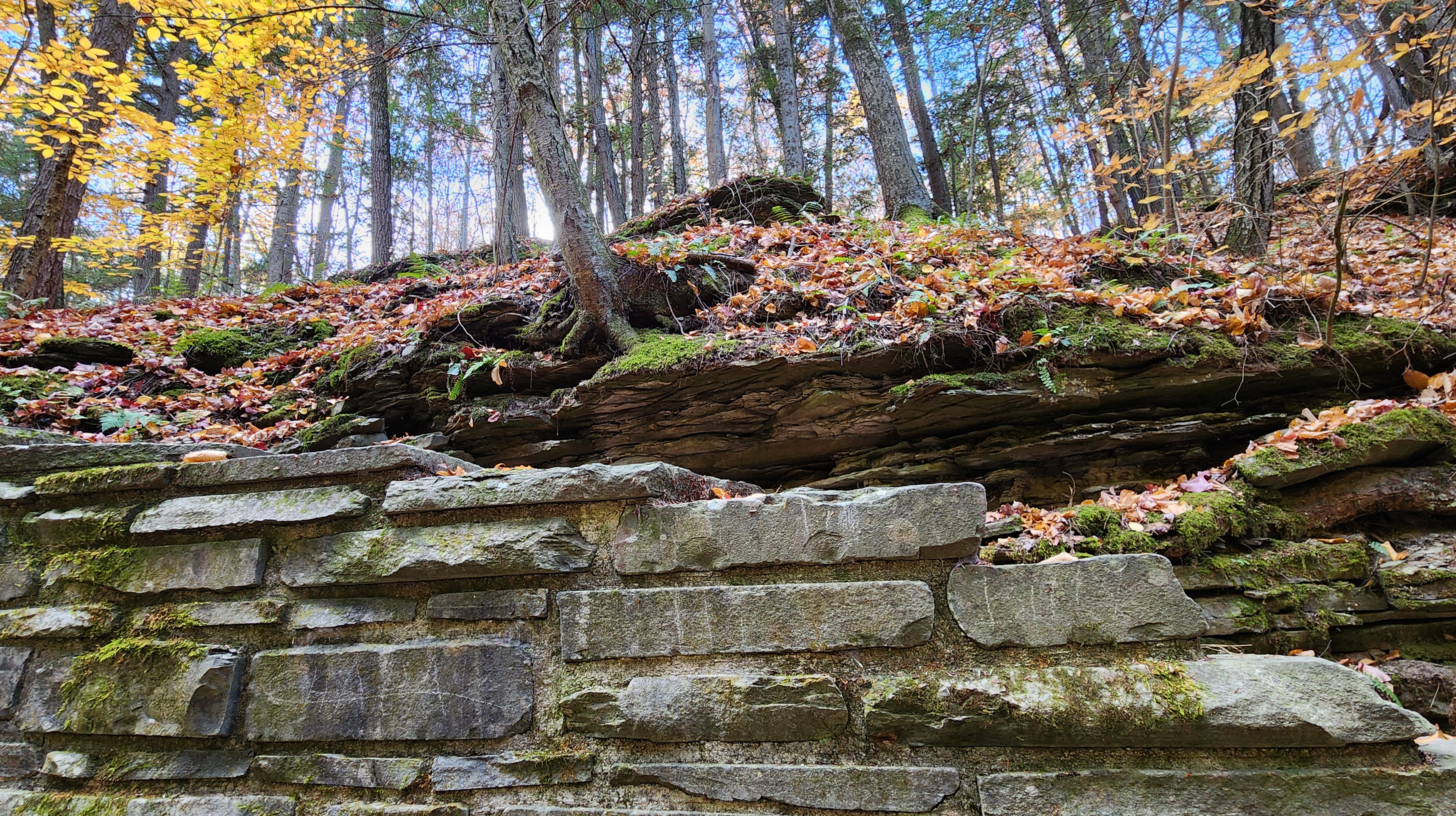
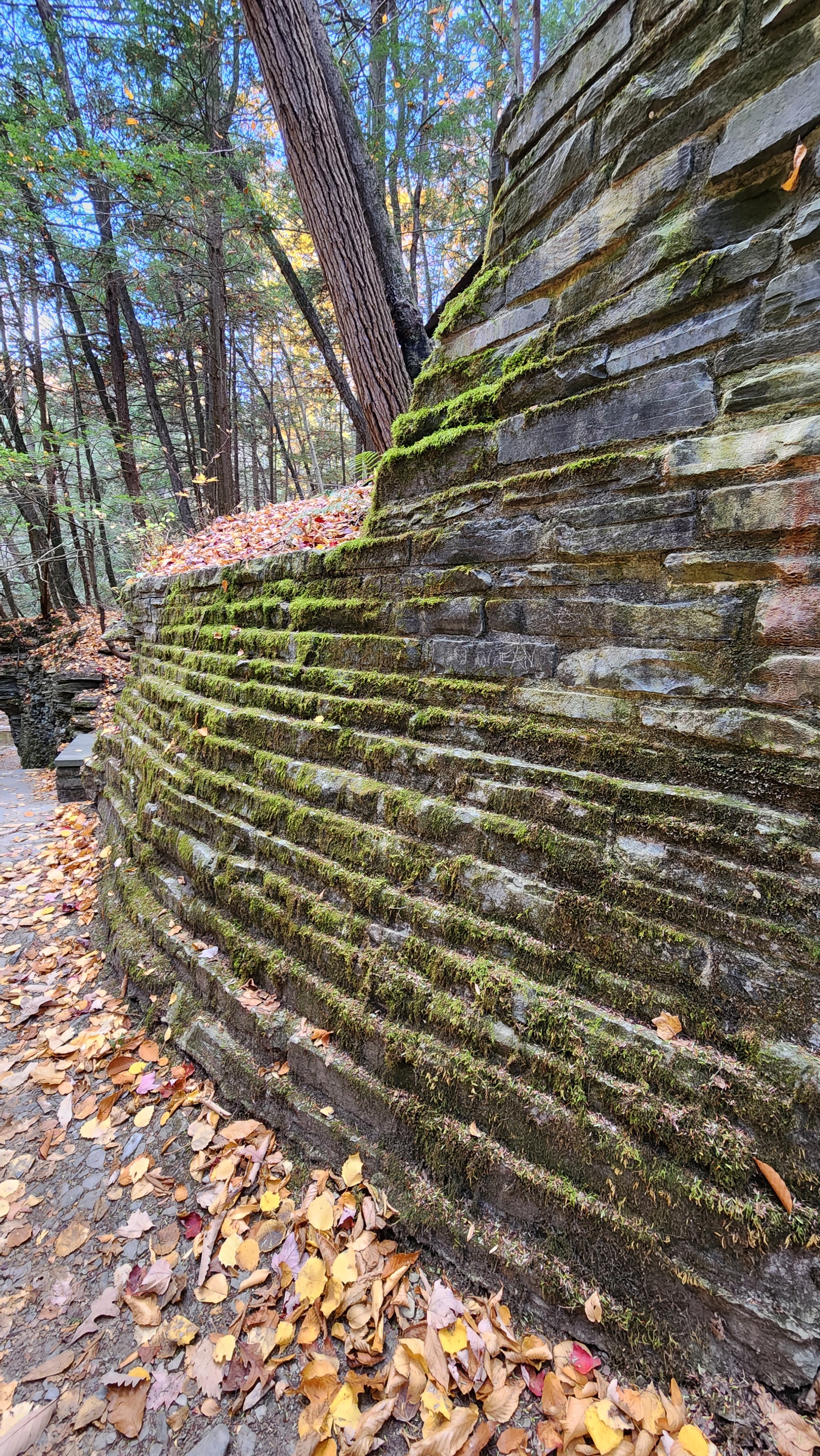
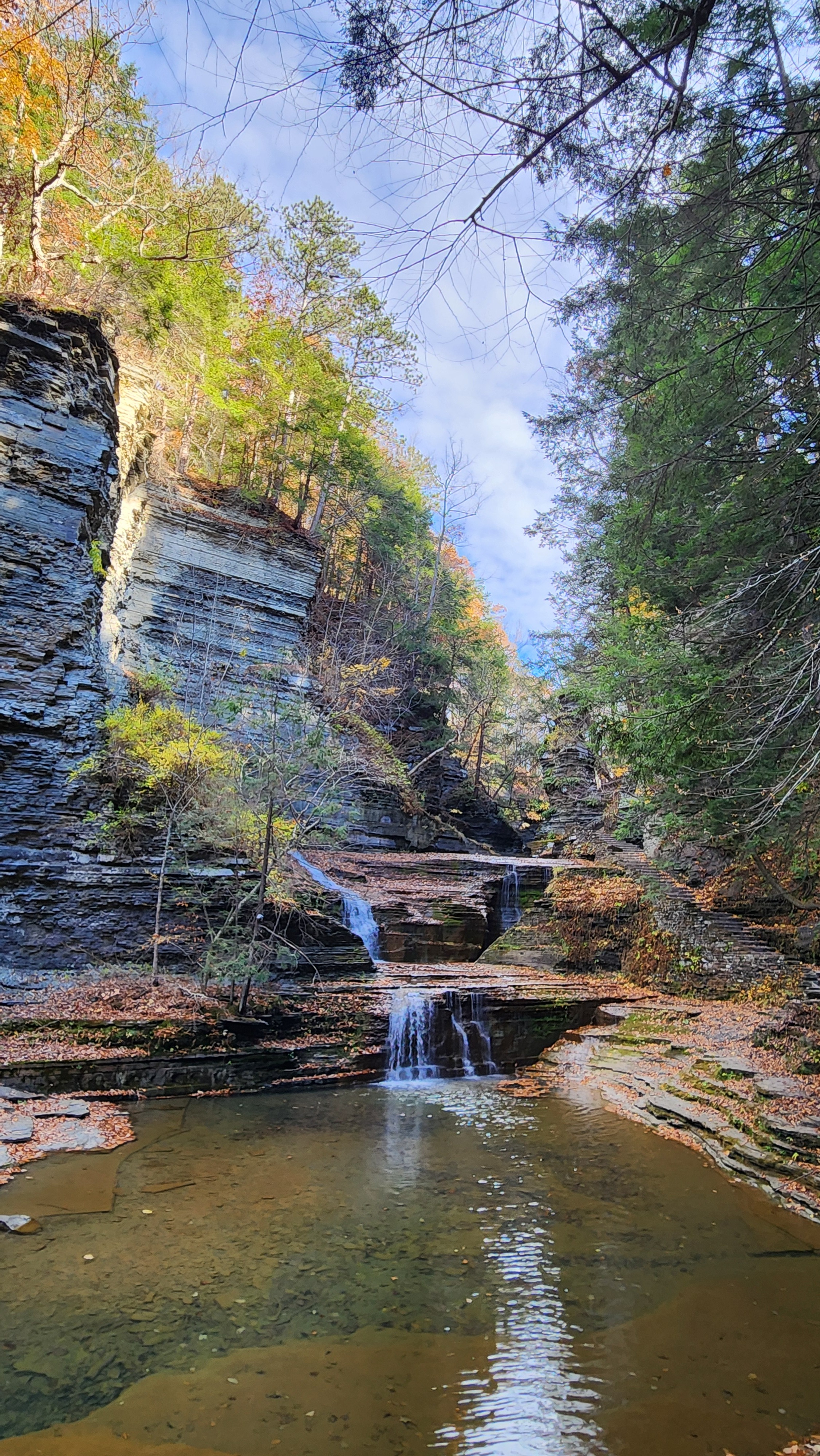
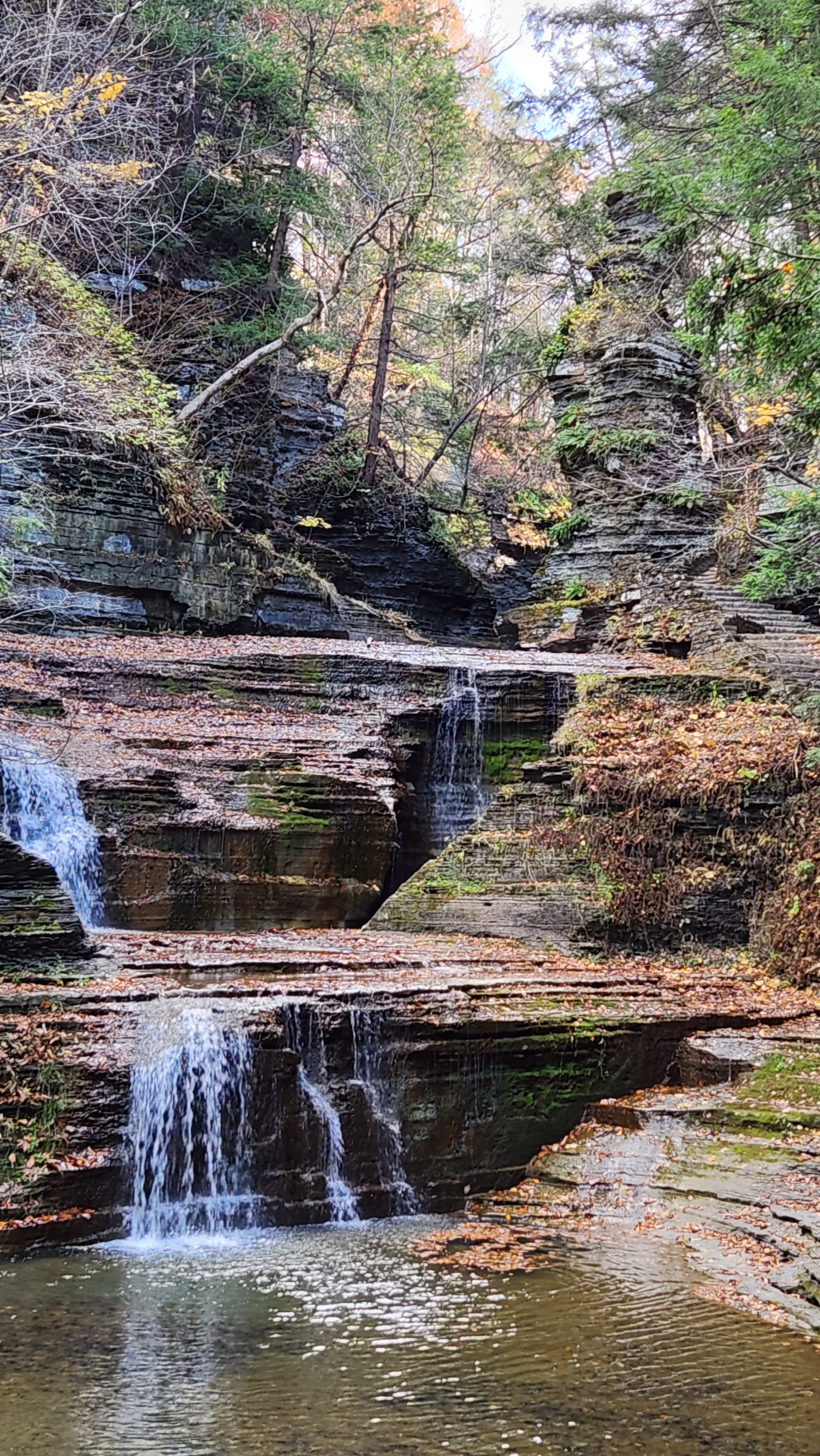
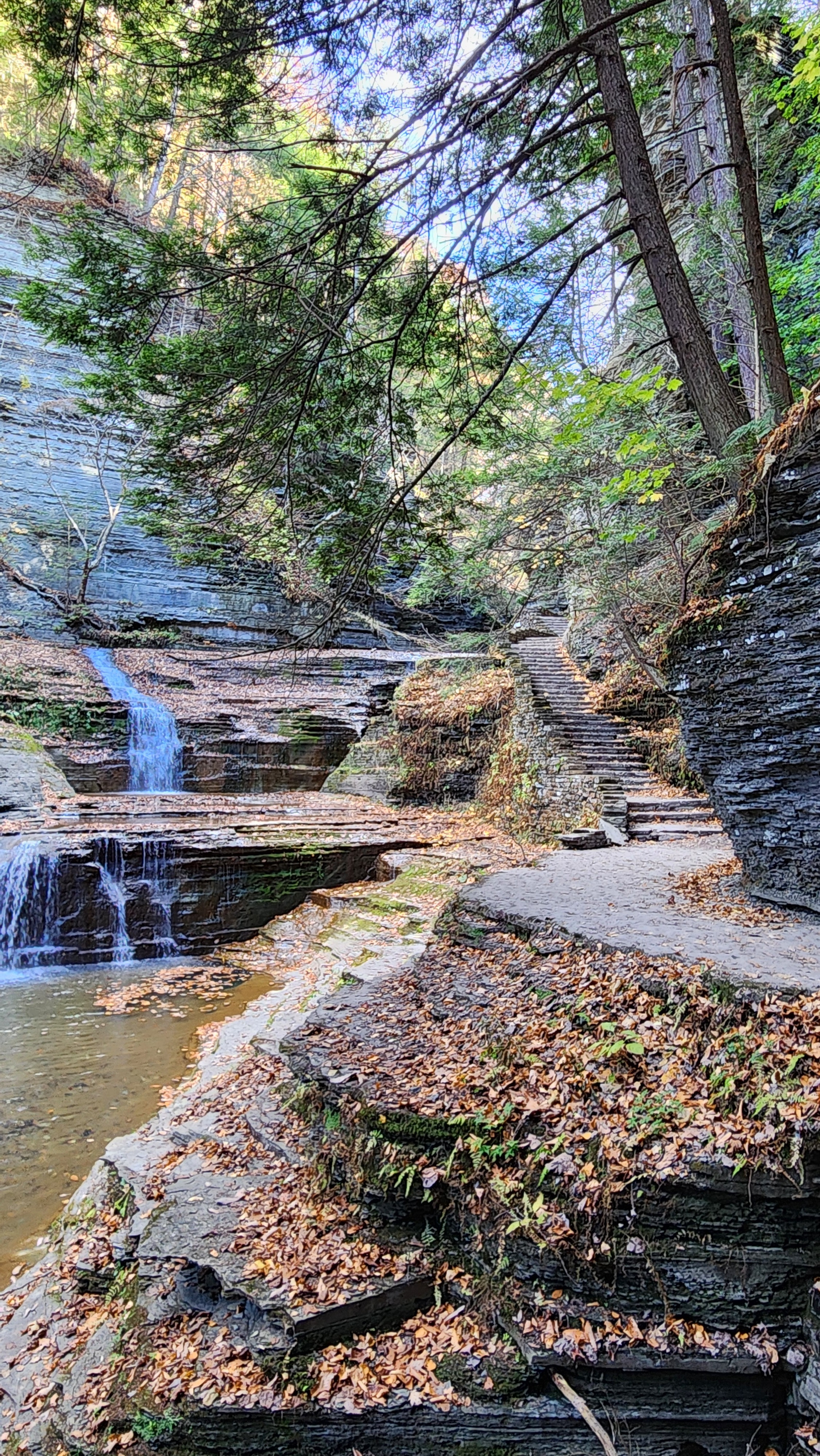
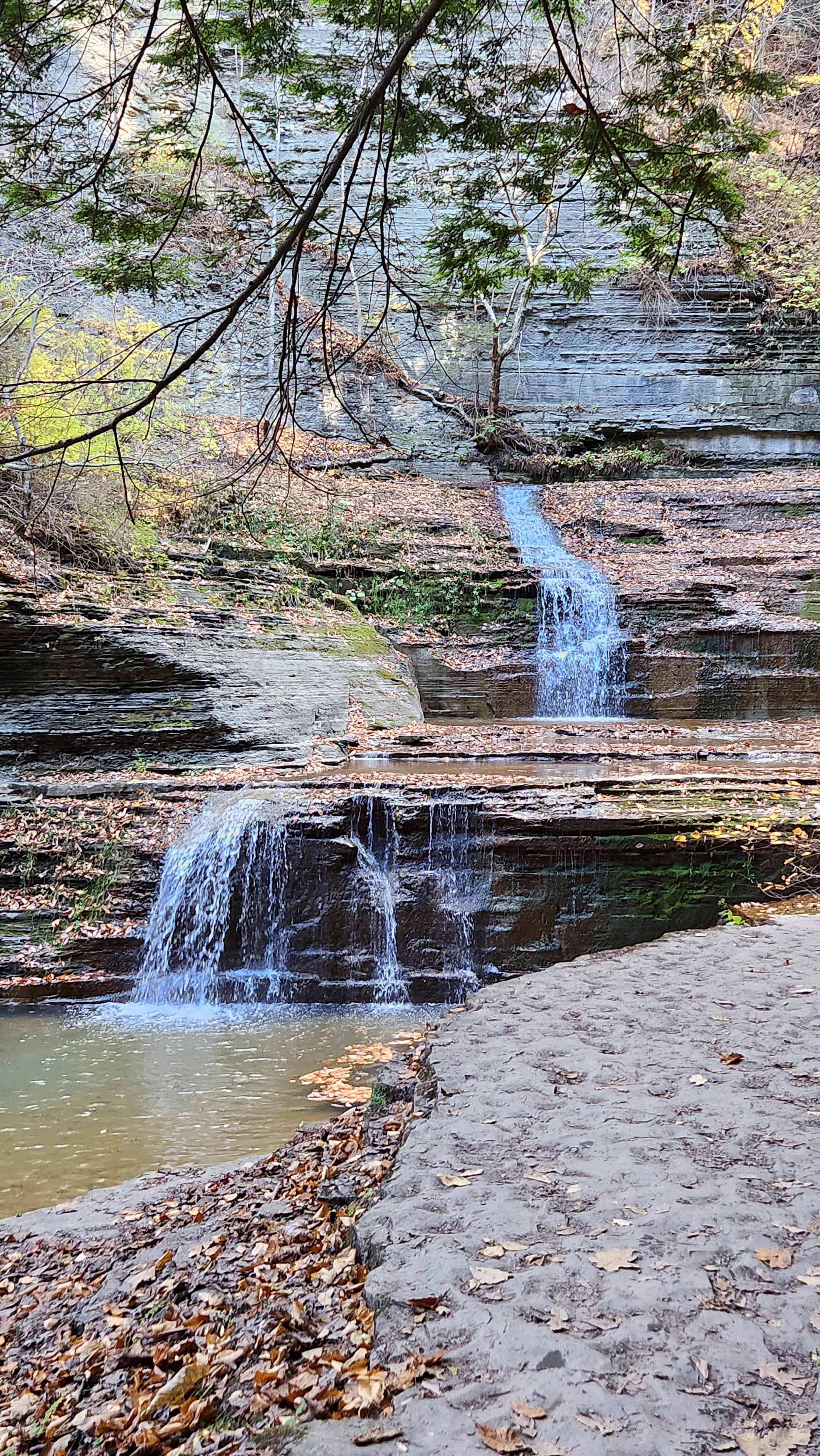
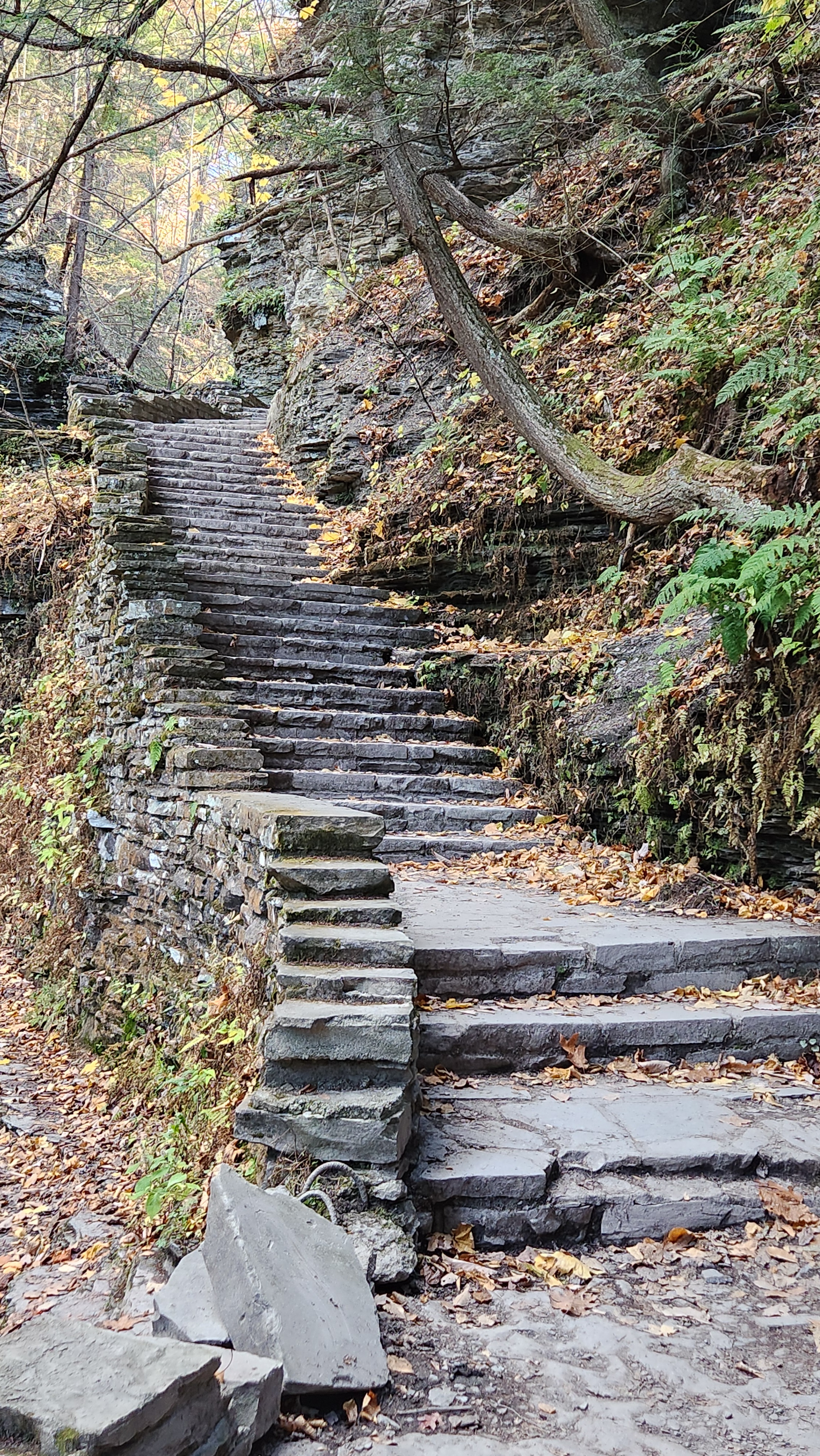
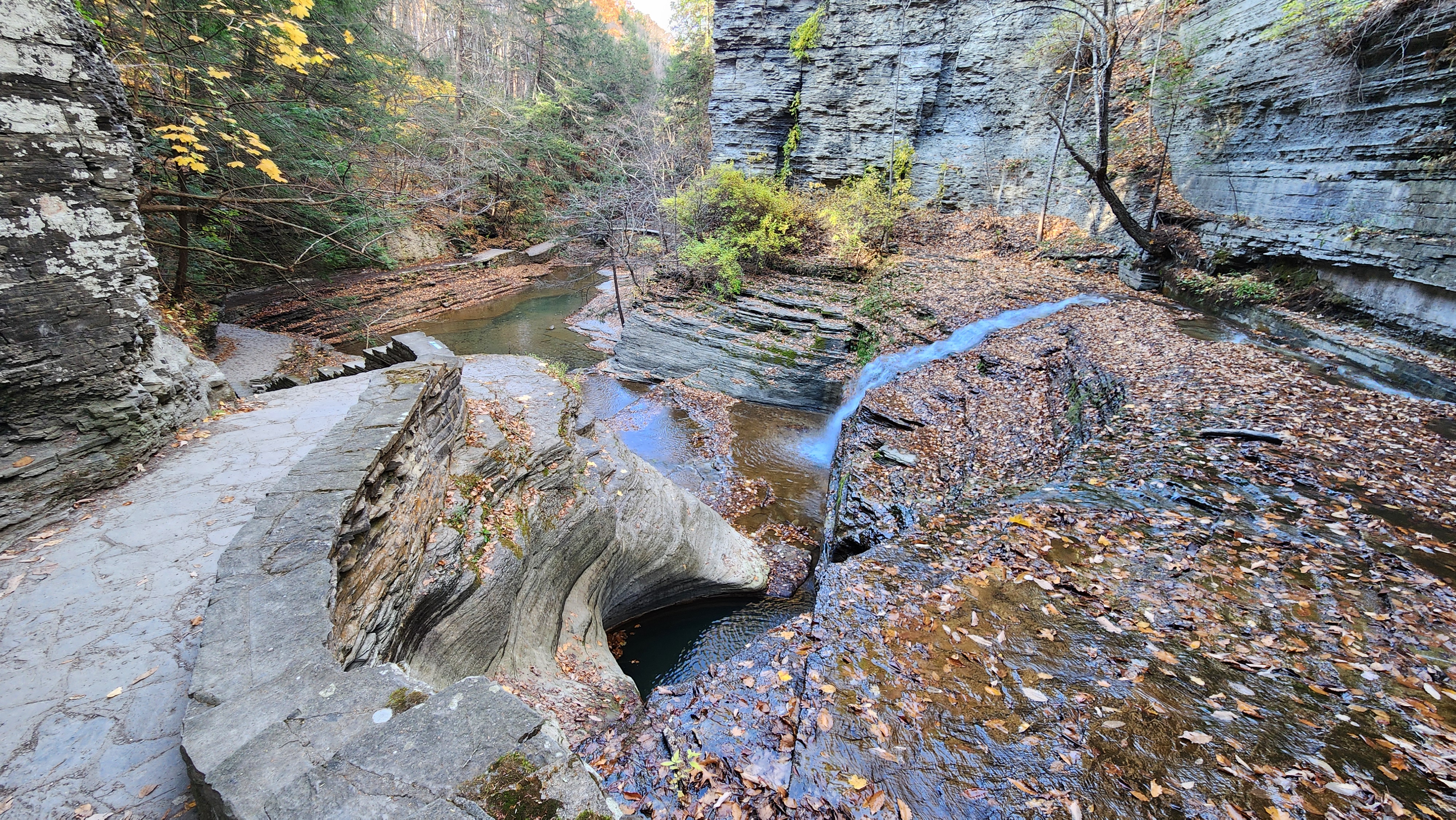
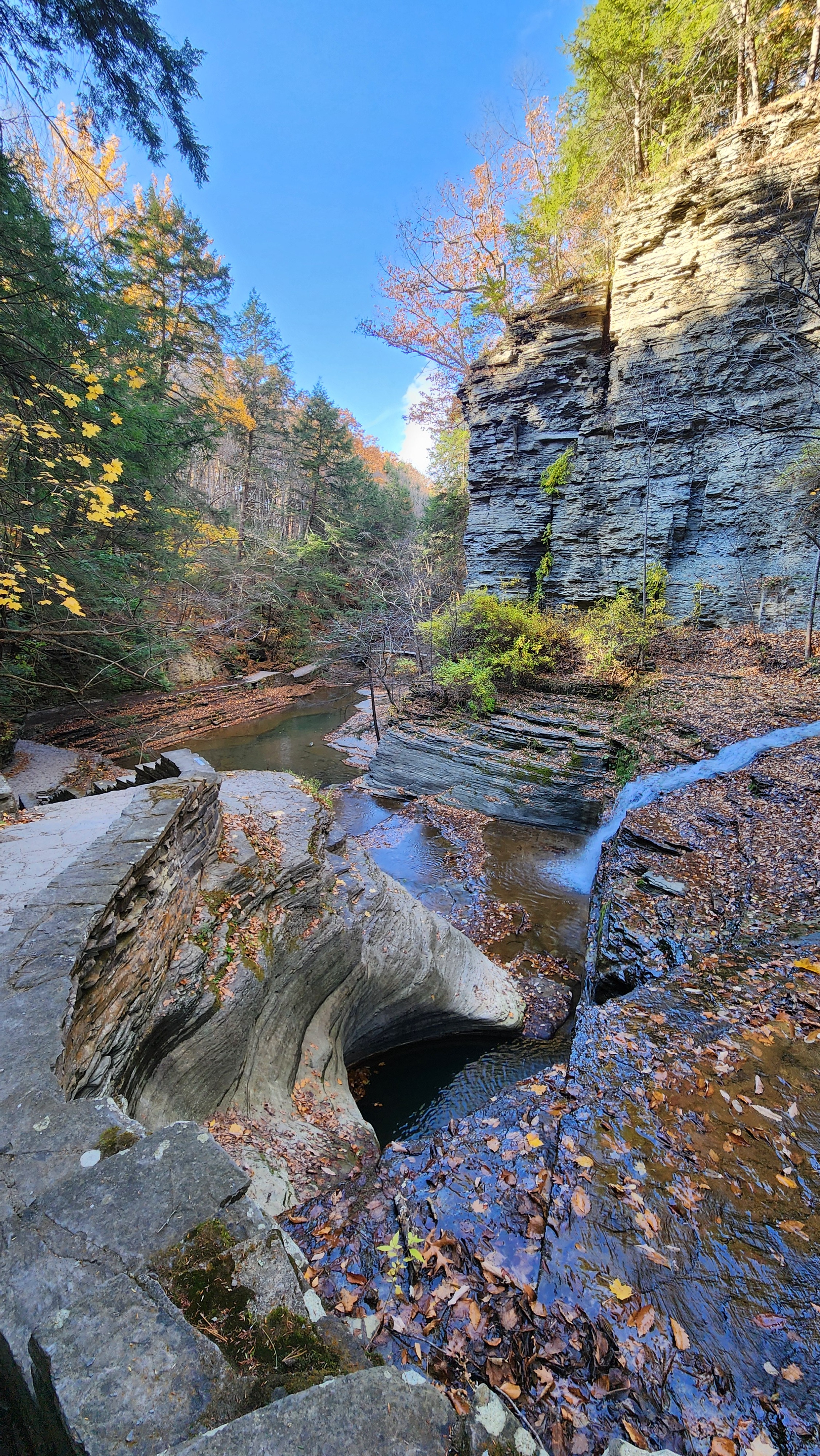
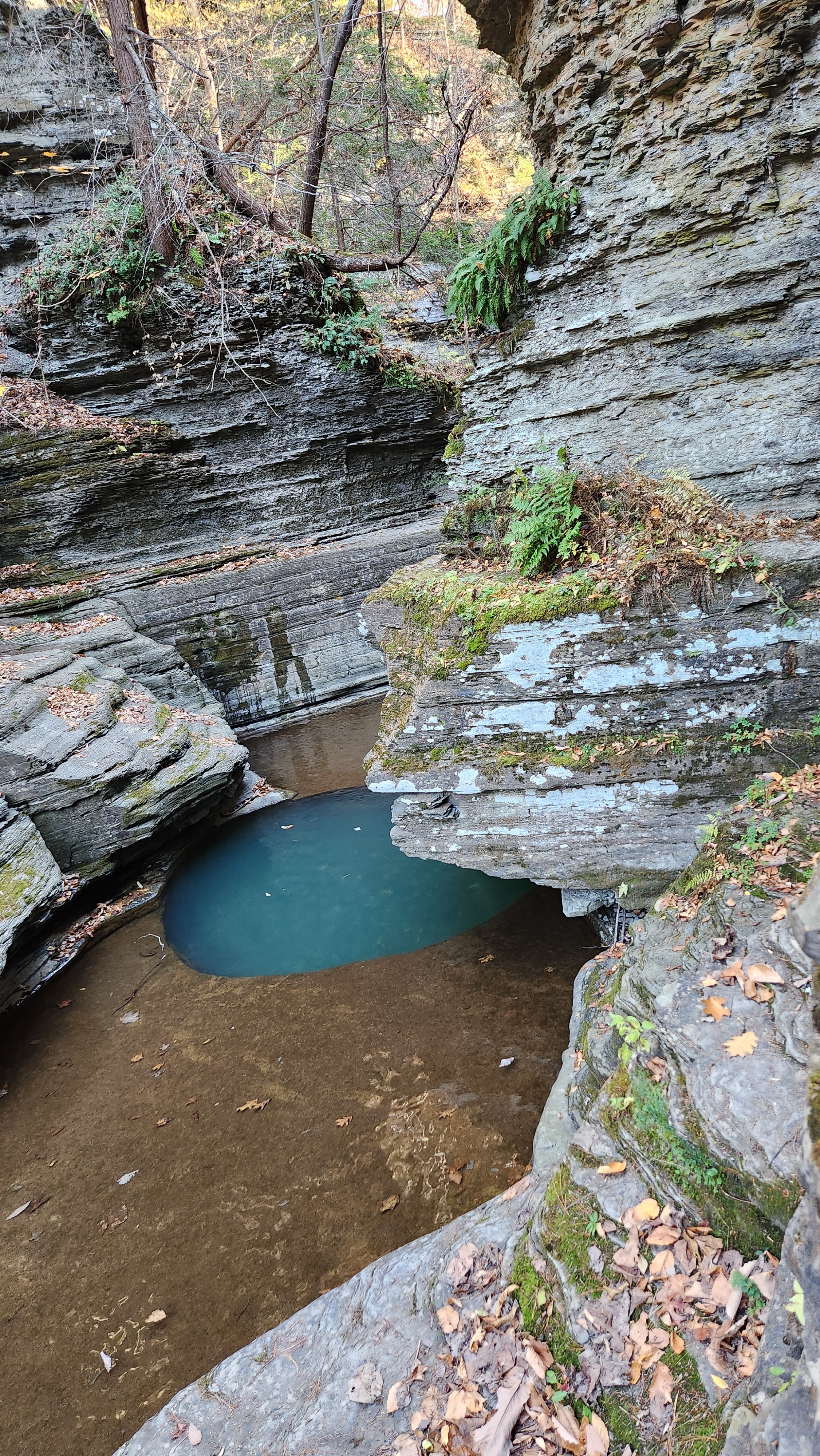
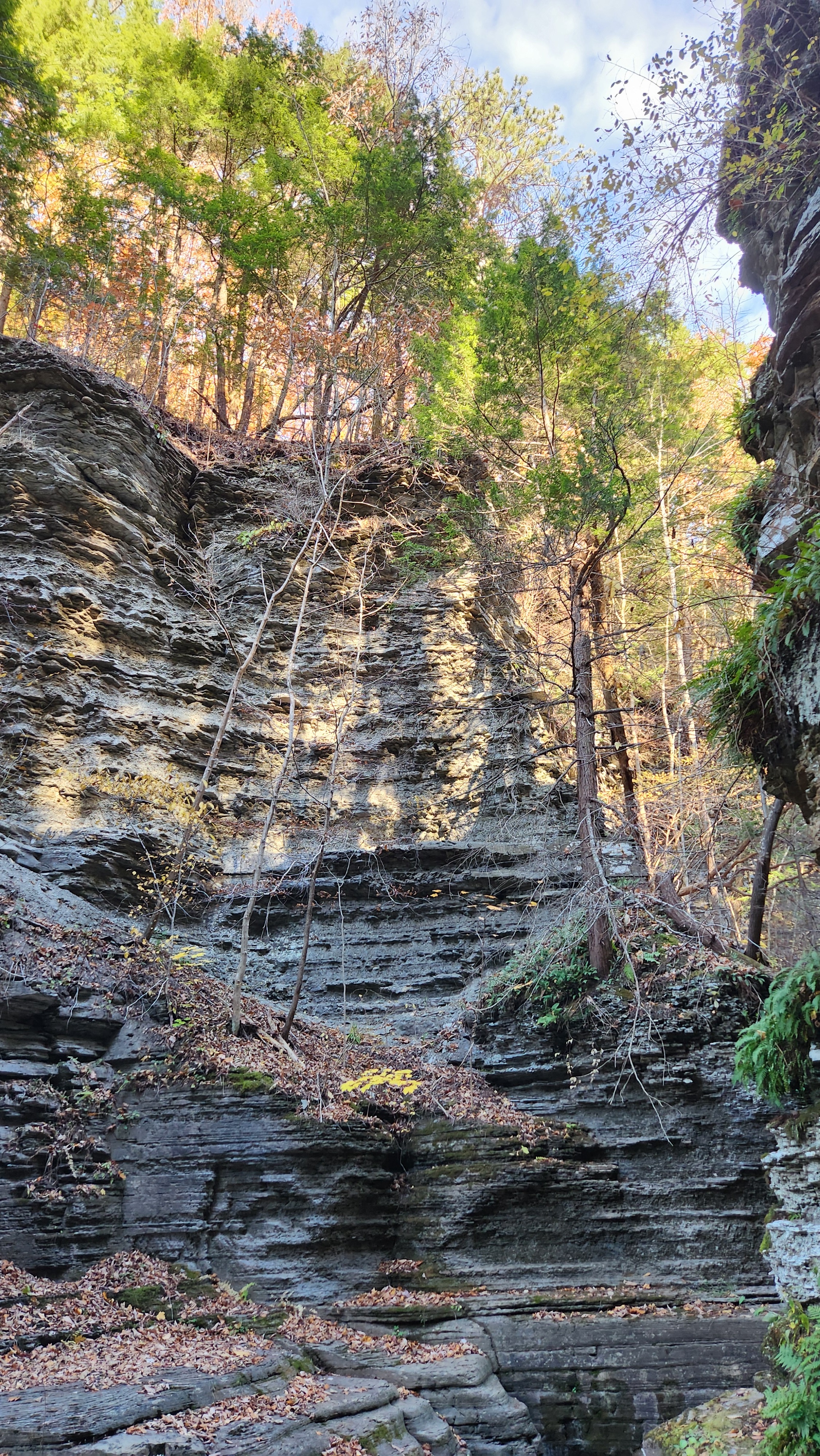
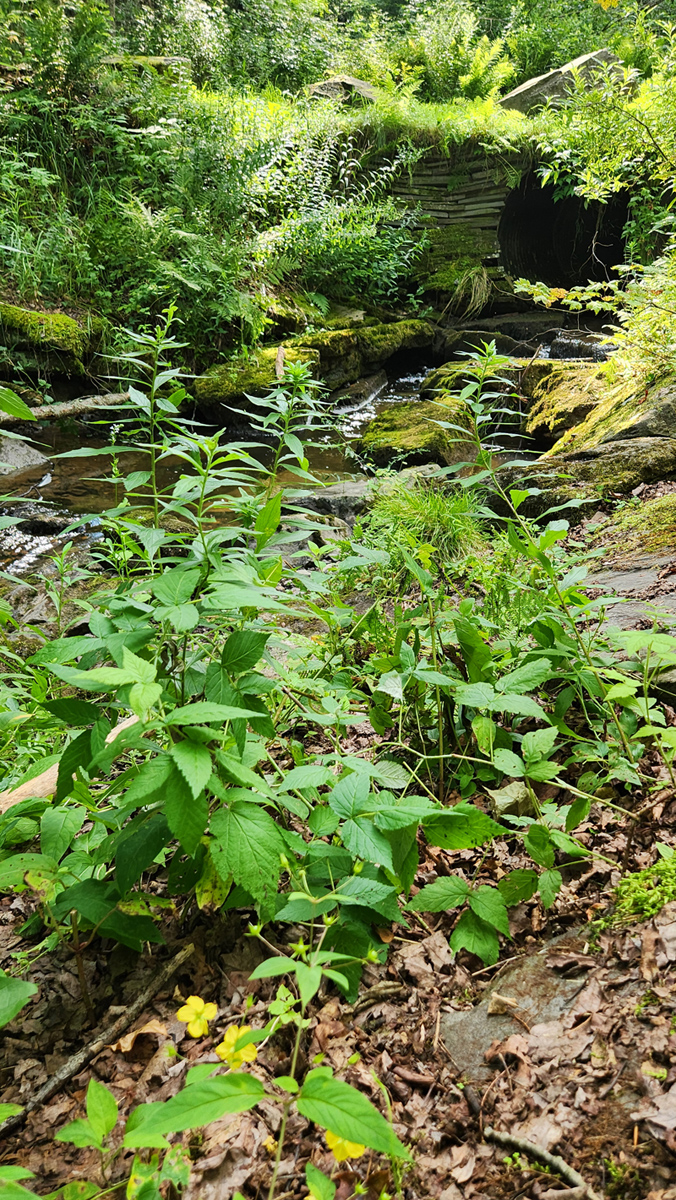
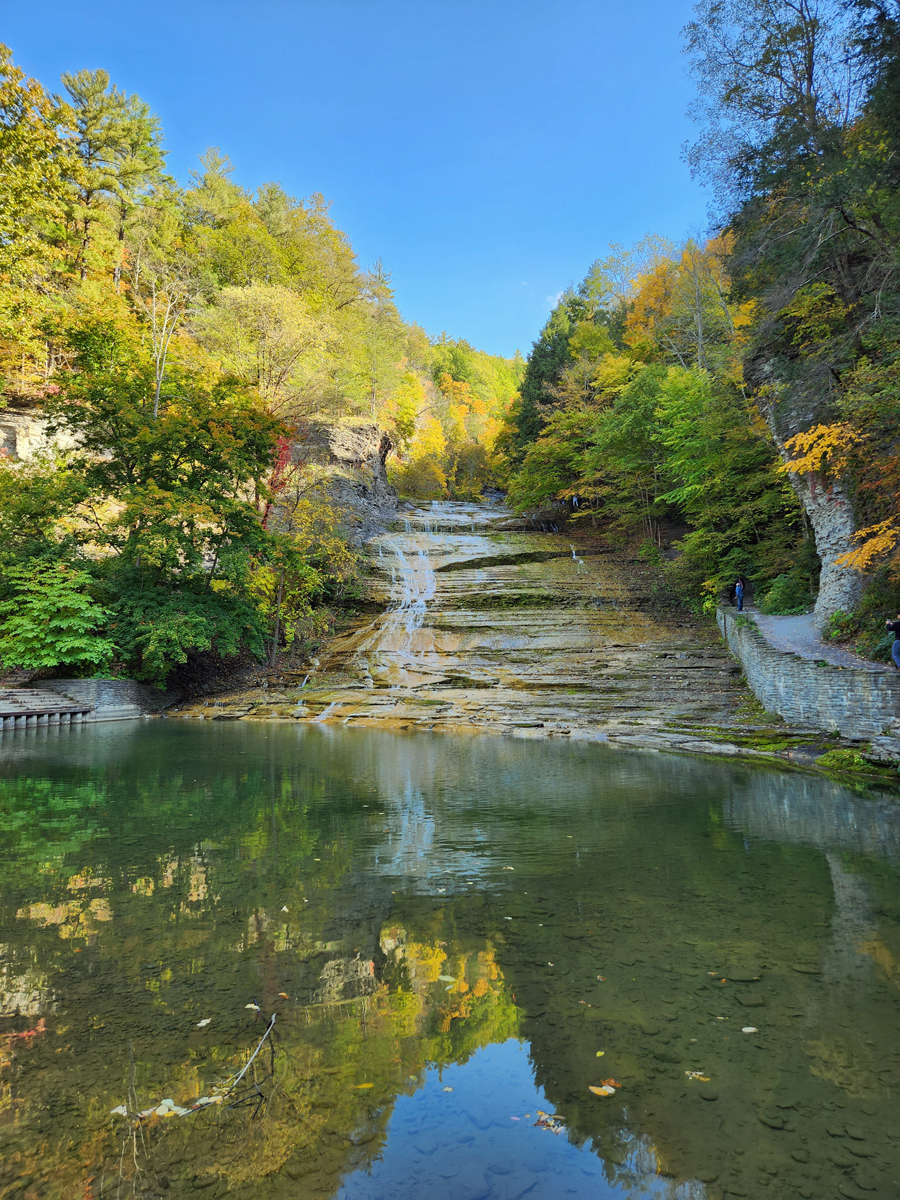
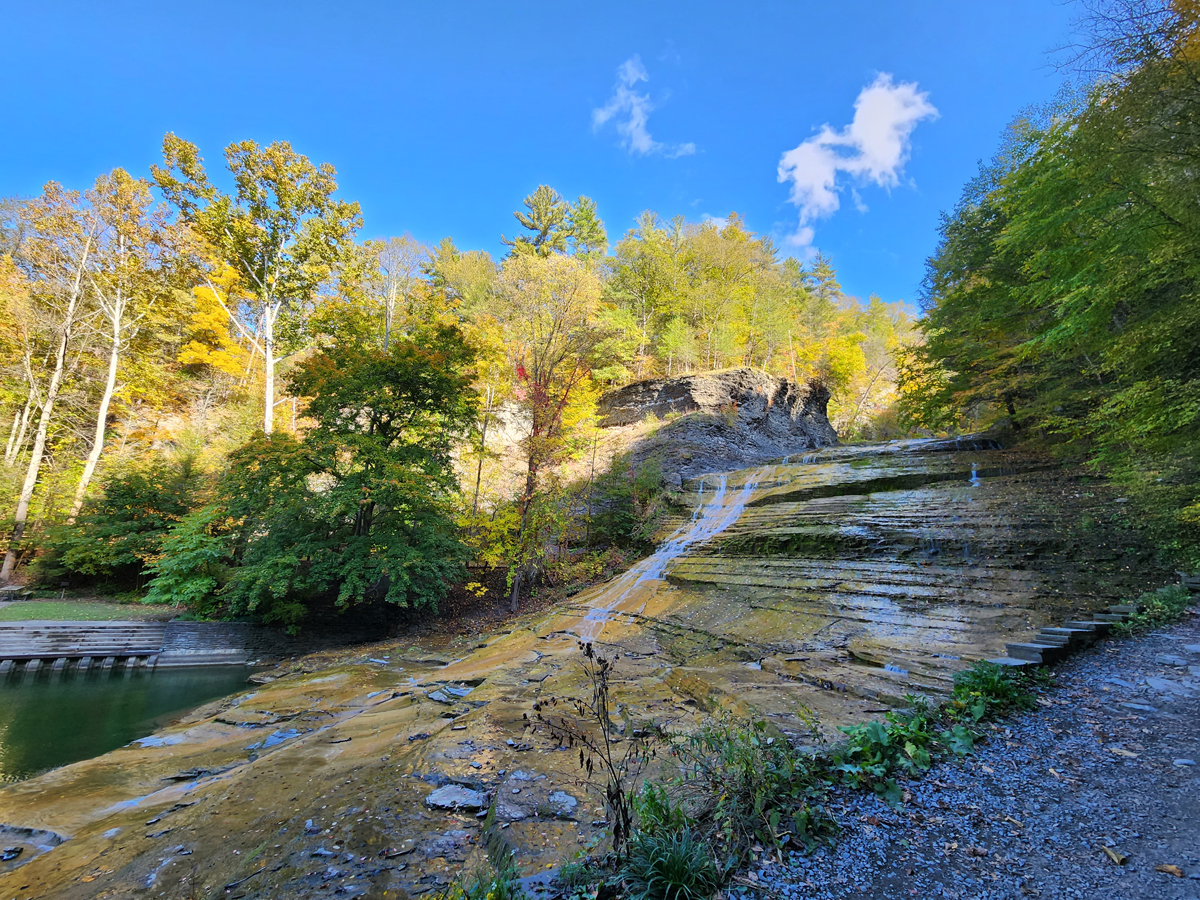
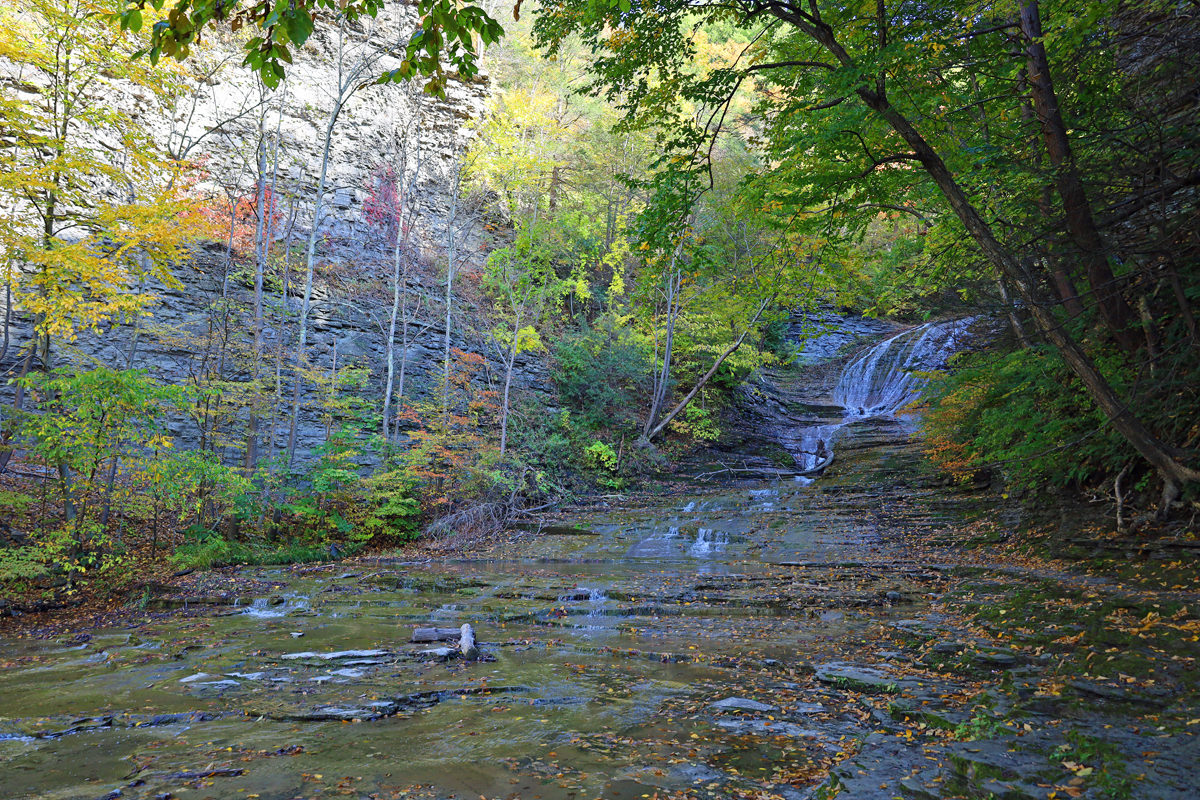
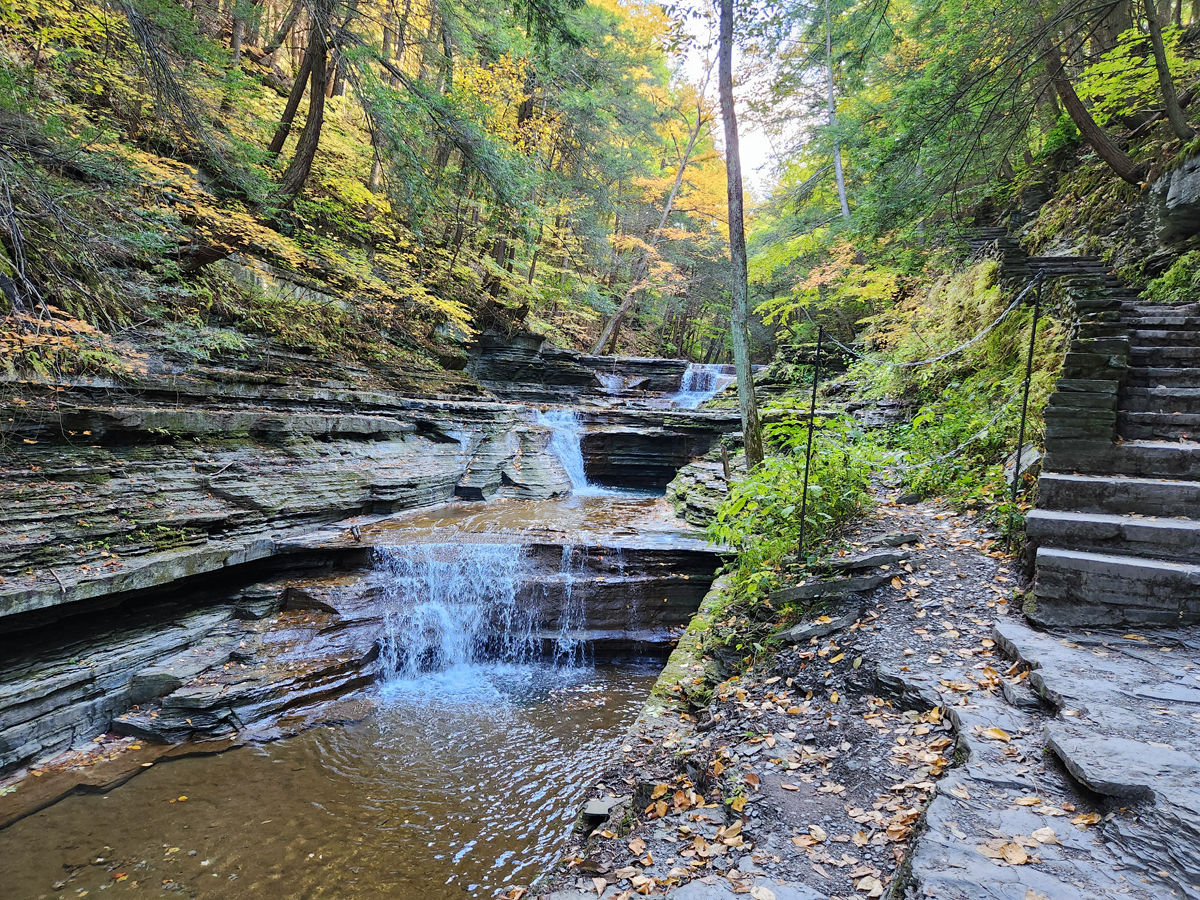
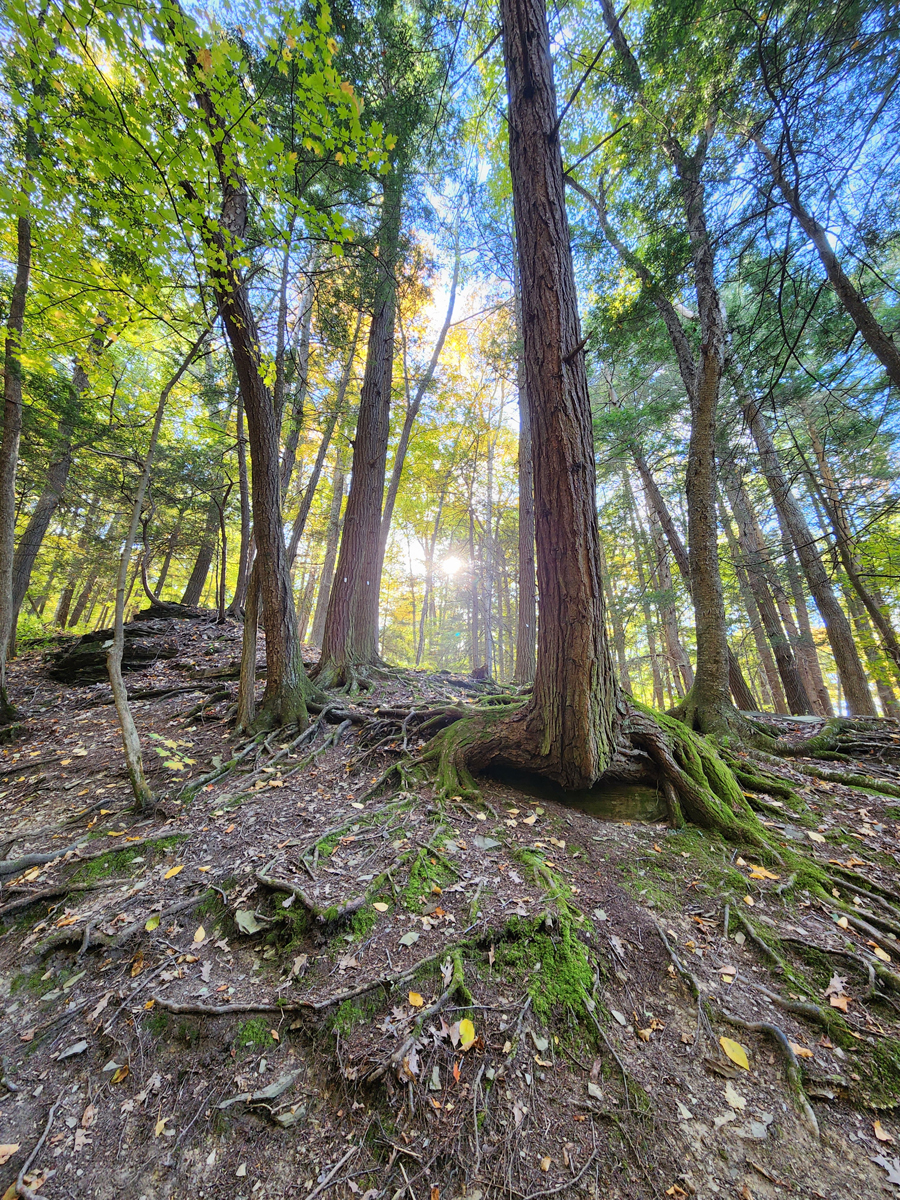
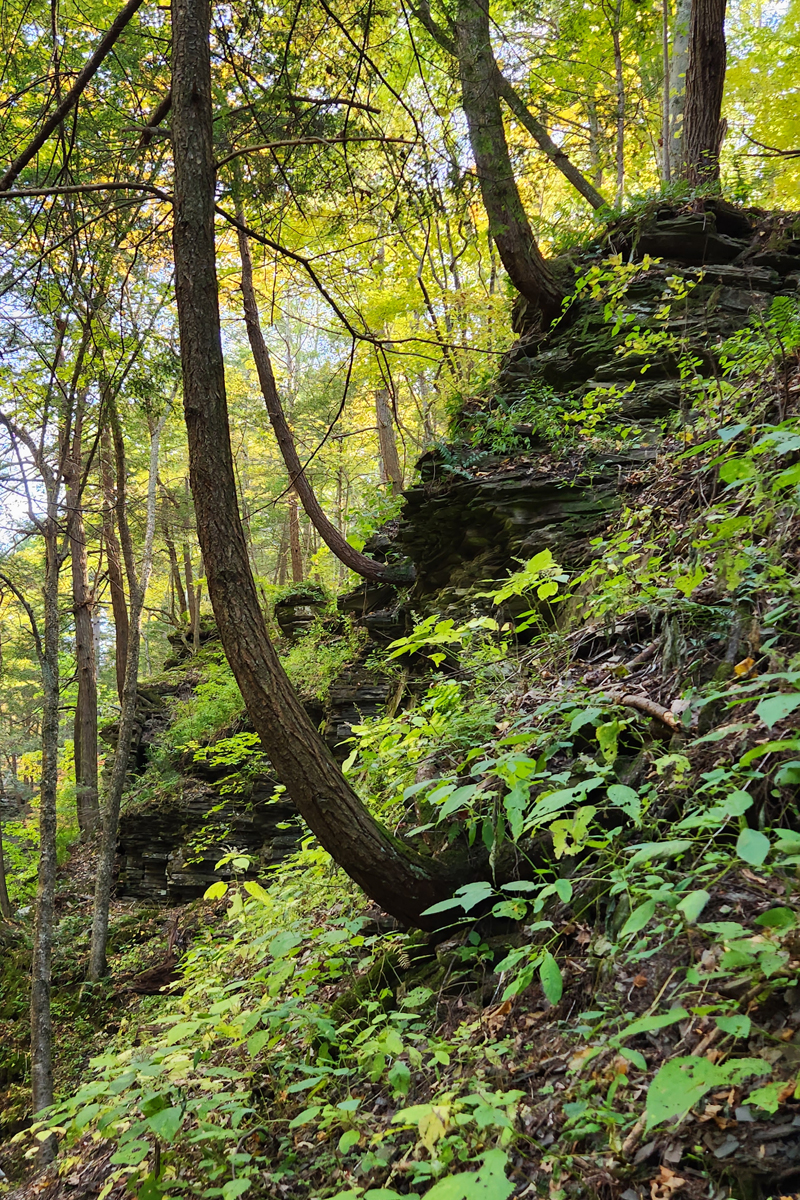
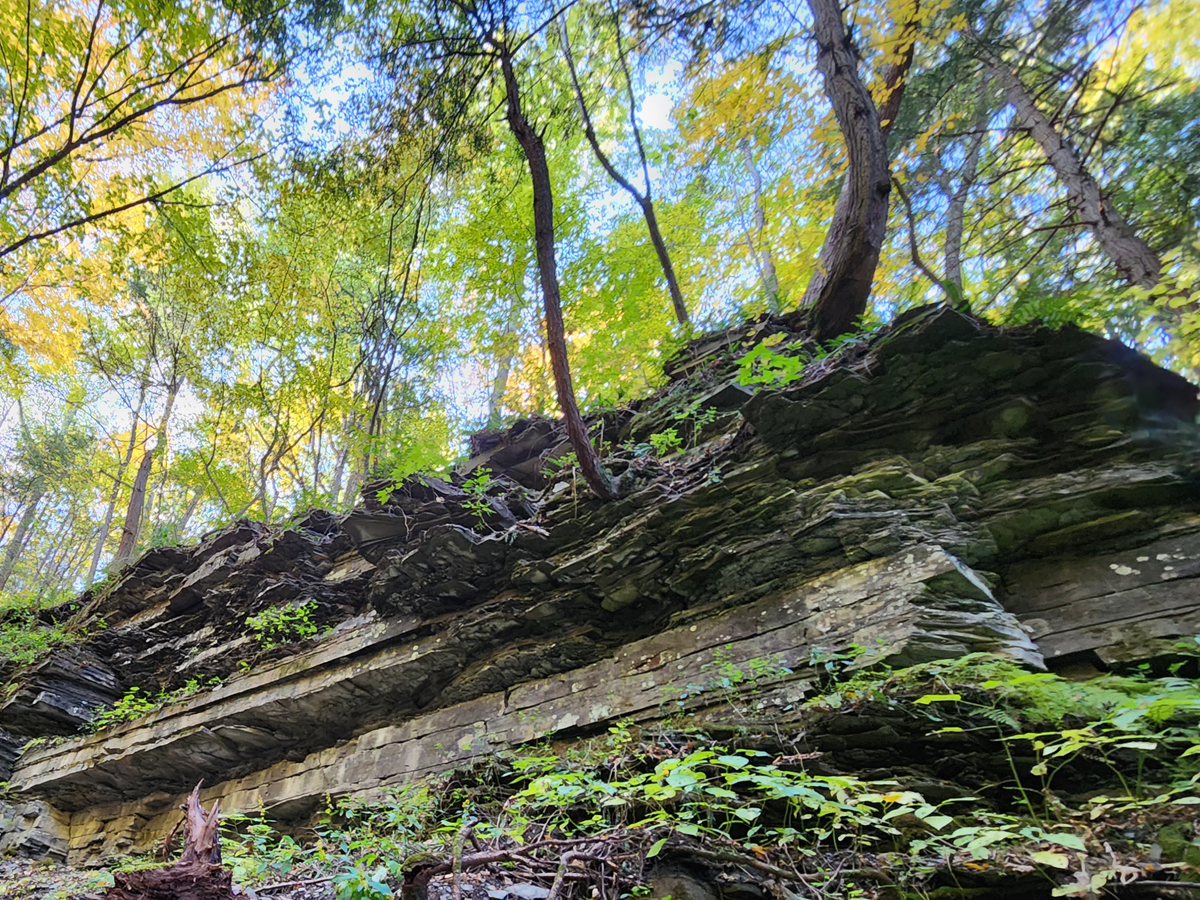
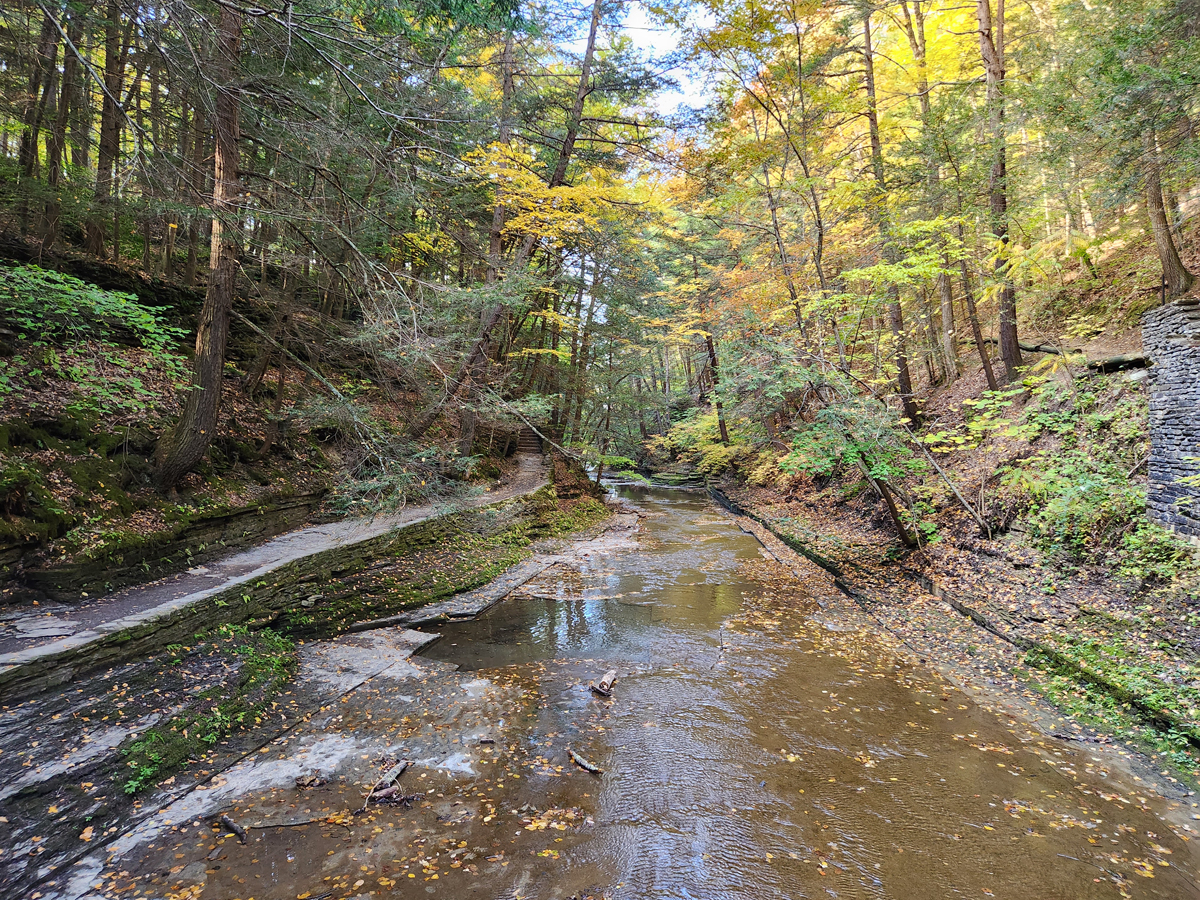
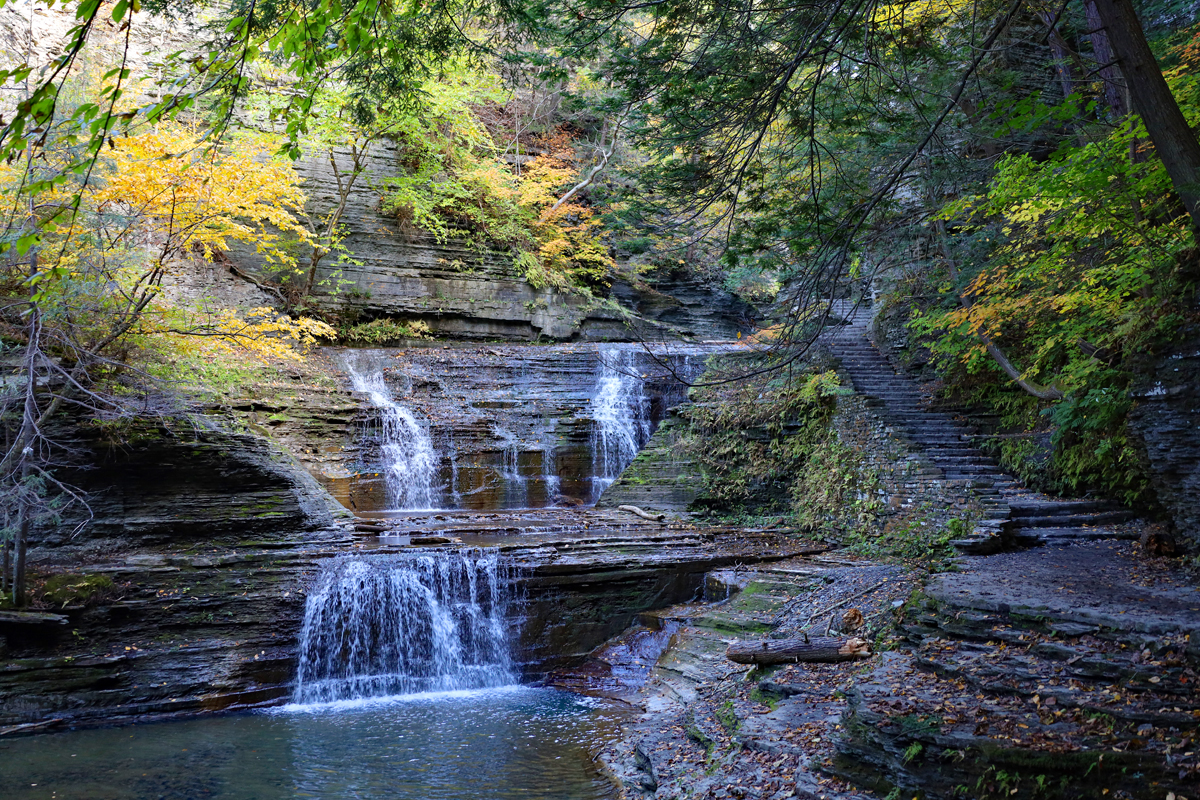
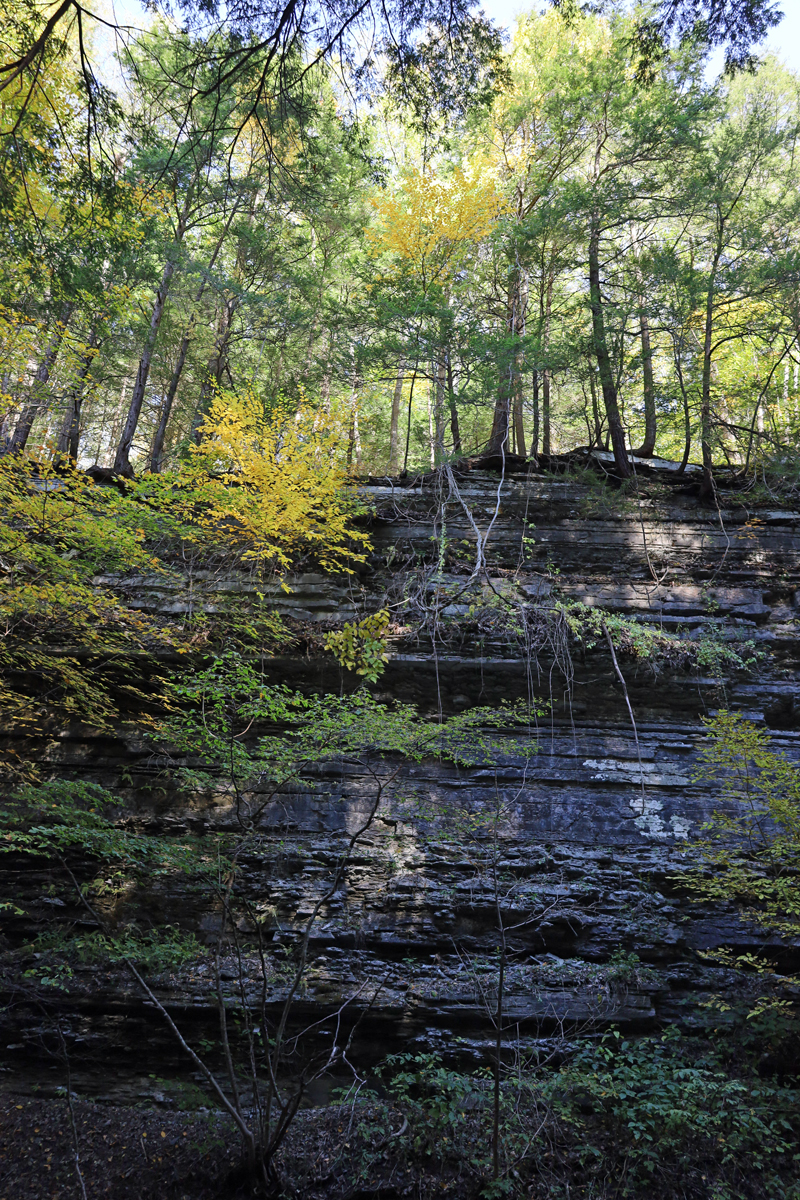
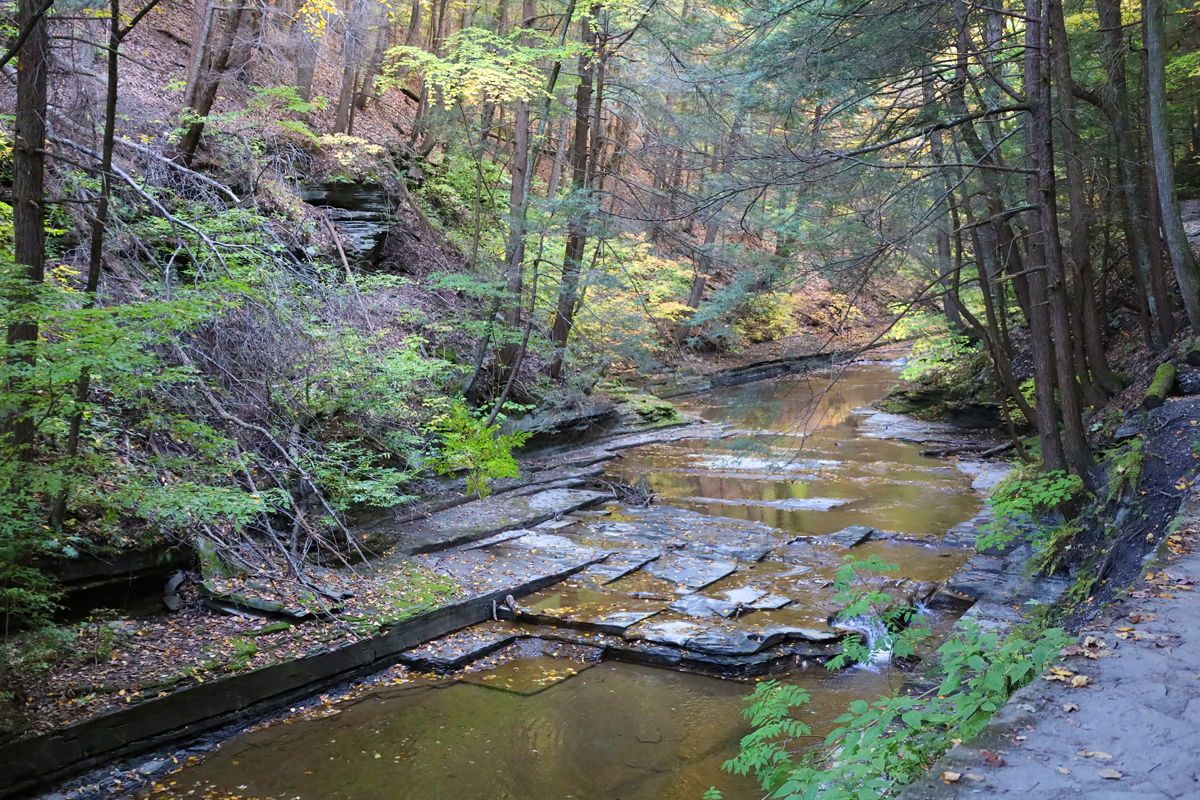
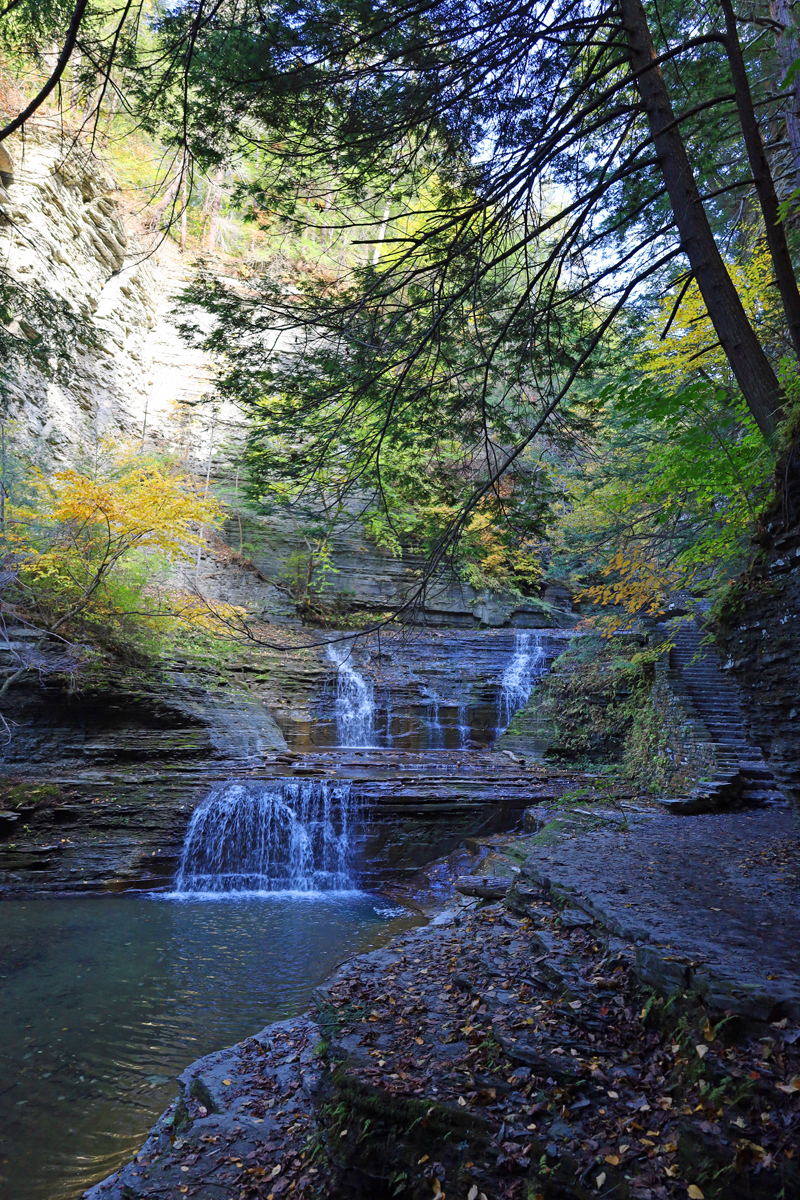
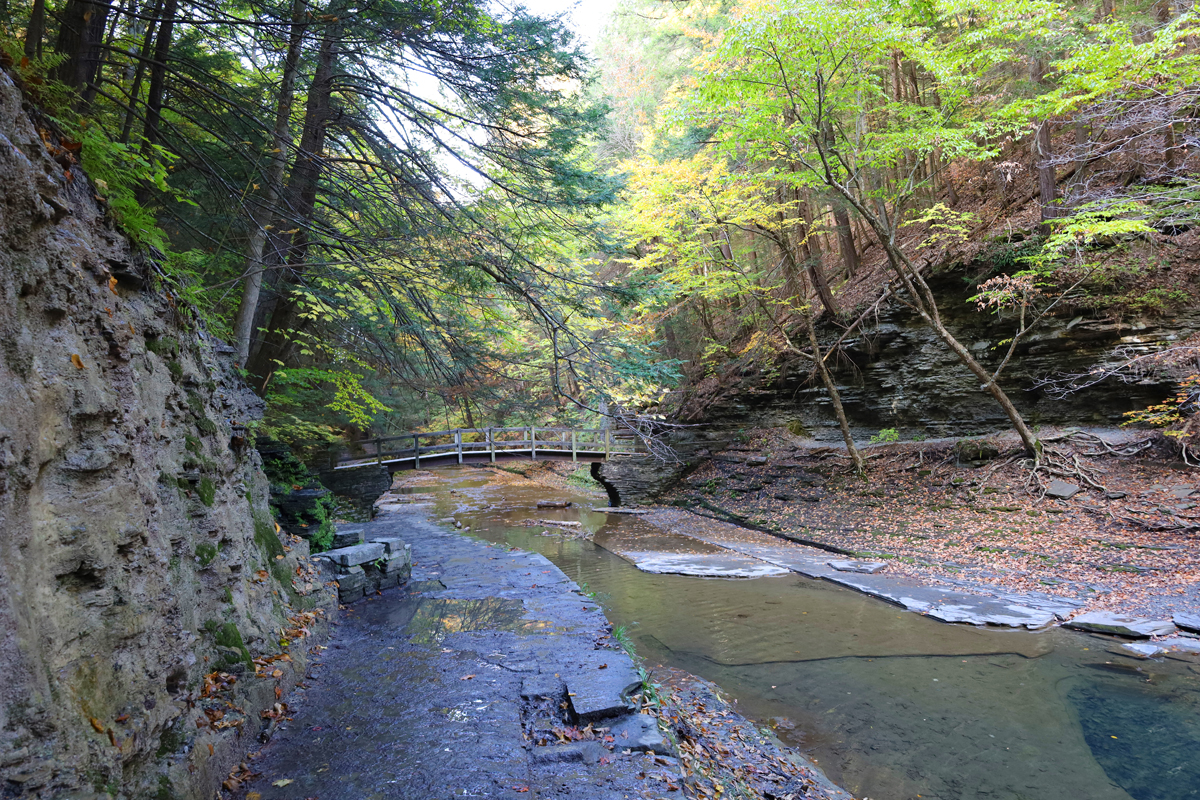
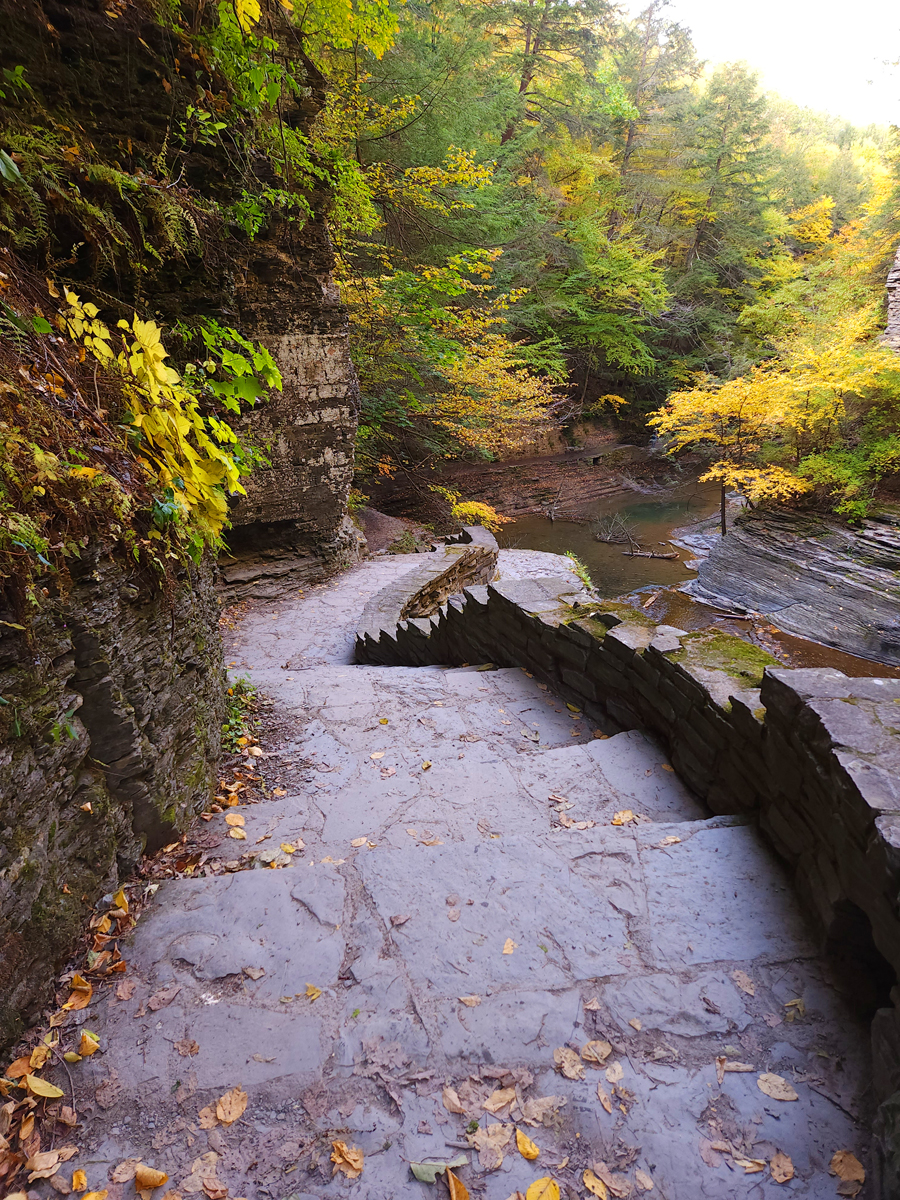
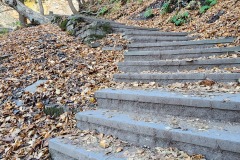
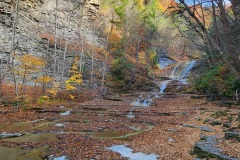
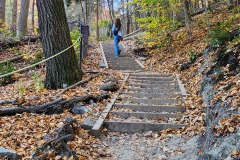
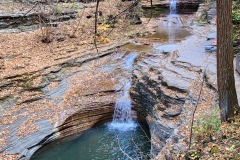
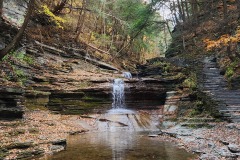
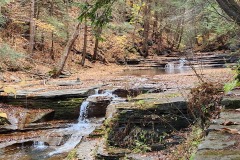
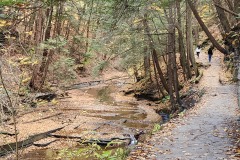
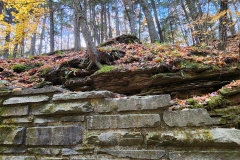
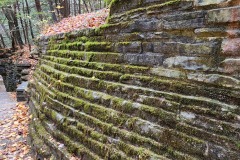
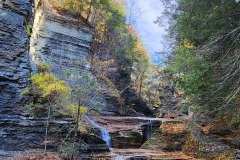
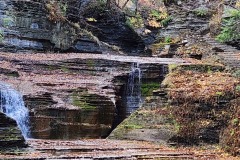
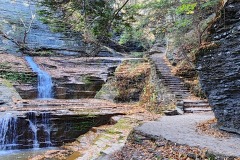
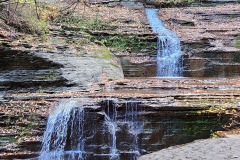
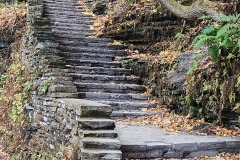
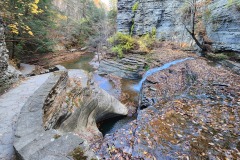
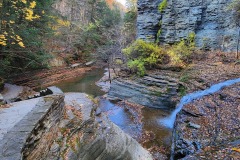
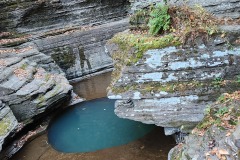
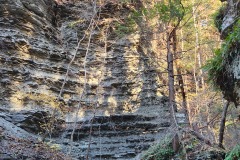
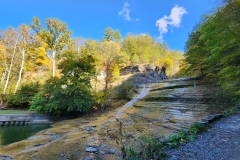
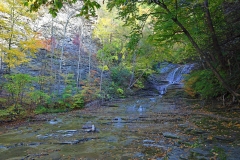
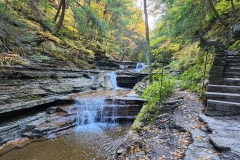
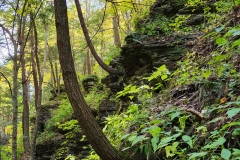
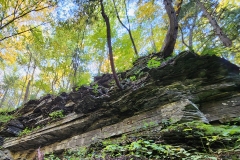
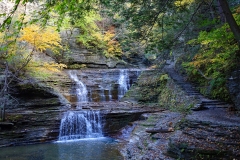
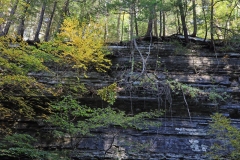
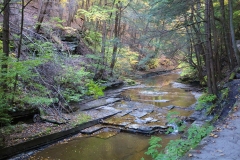
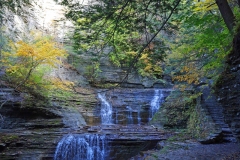
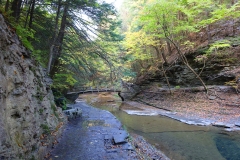
After resting at the first overlook, it’s time to climb again. The trail takes you along Buttermilk Creek, a kaleidescope of rock sculptures, patterns of light and color, and geological displays that prompt you to consider your own brief lifespan against the patient workings of water on rock over thousands of years.
- What shape are the experiences of my life carving into me?
- A place like this provides a disciplinary check on humanity’s sense of our importance and power in the universe. How do I hold onto that humility? How should it shape my approach to life?
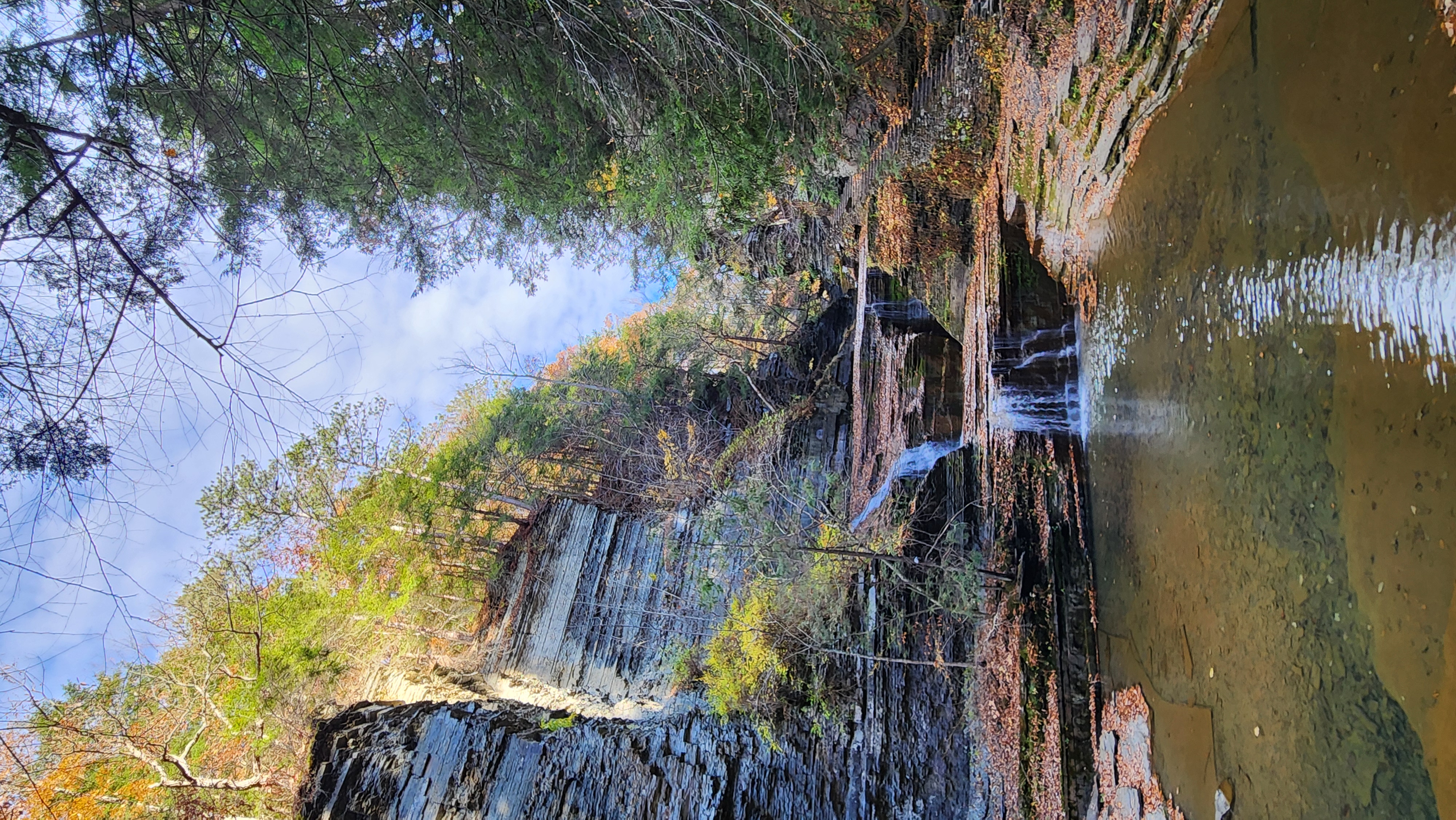
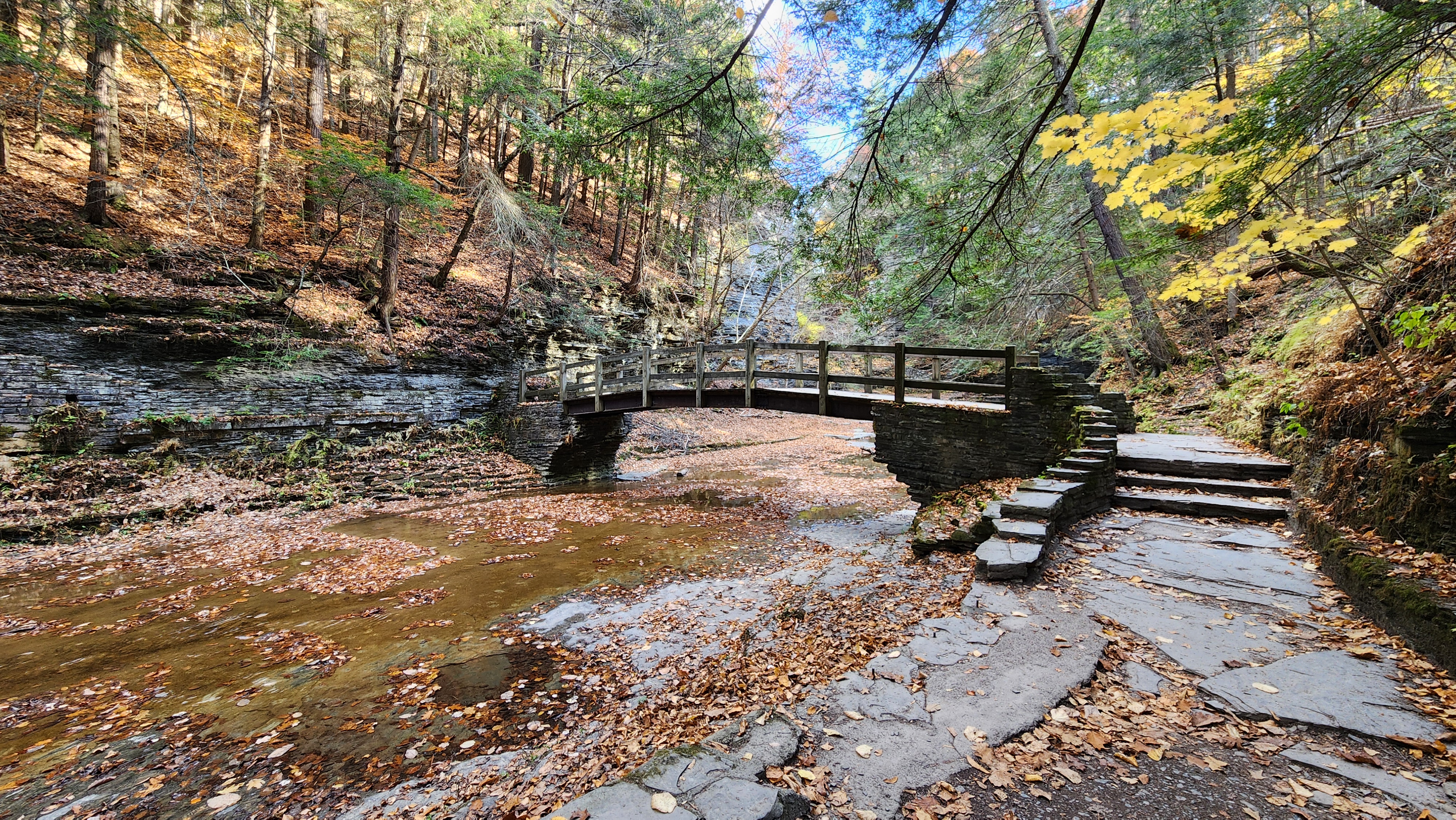
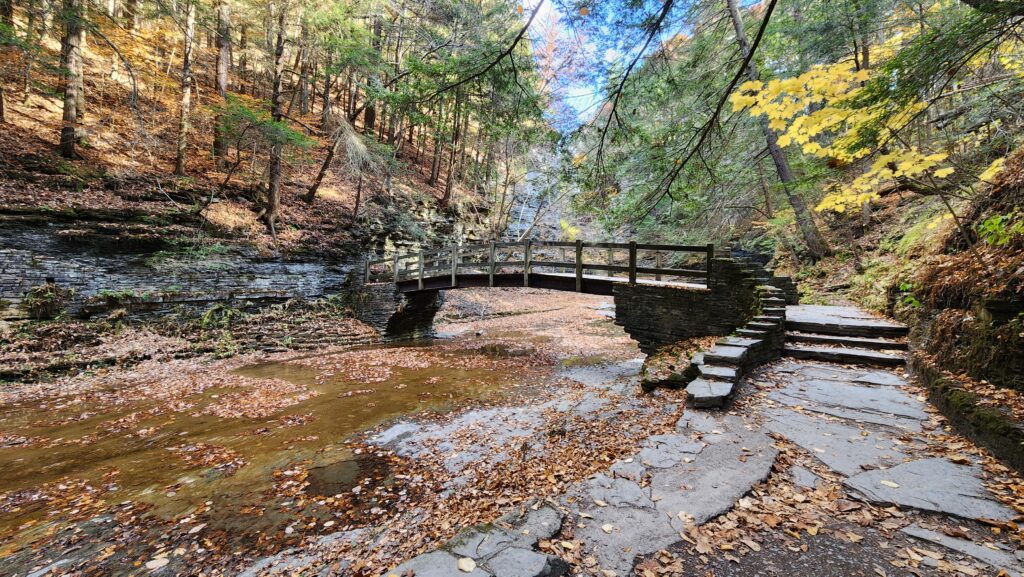
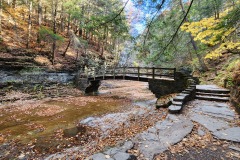
The trail includes a shortcut – a bridge you can take to the Rim Trail on the other side of the stream, taking you back to the parking lot below.
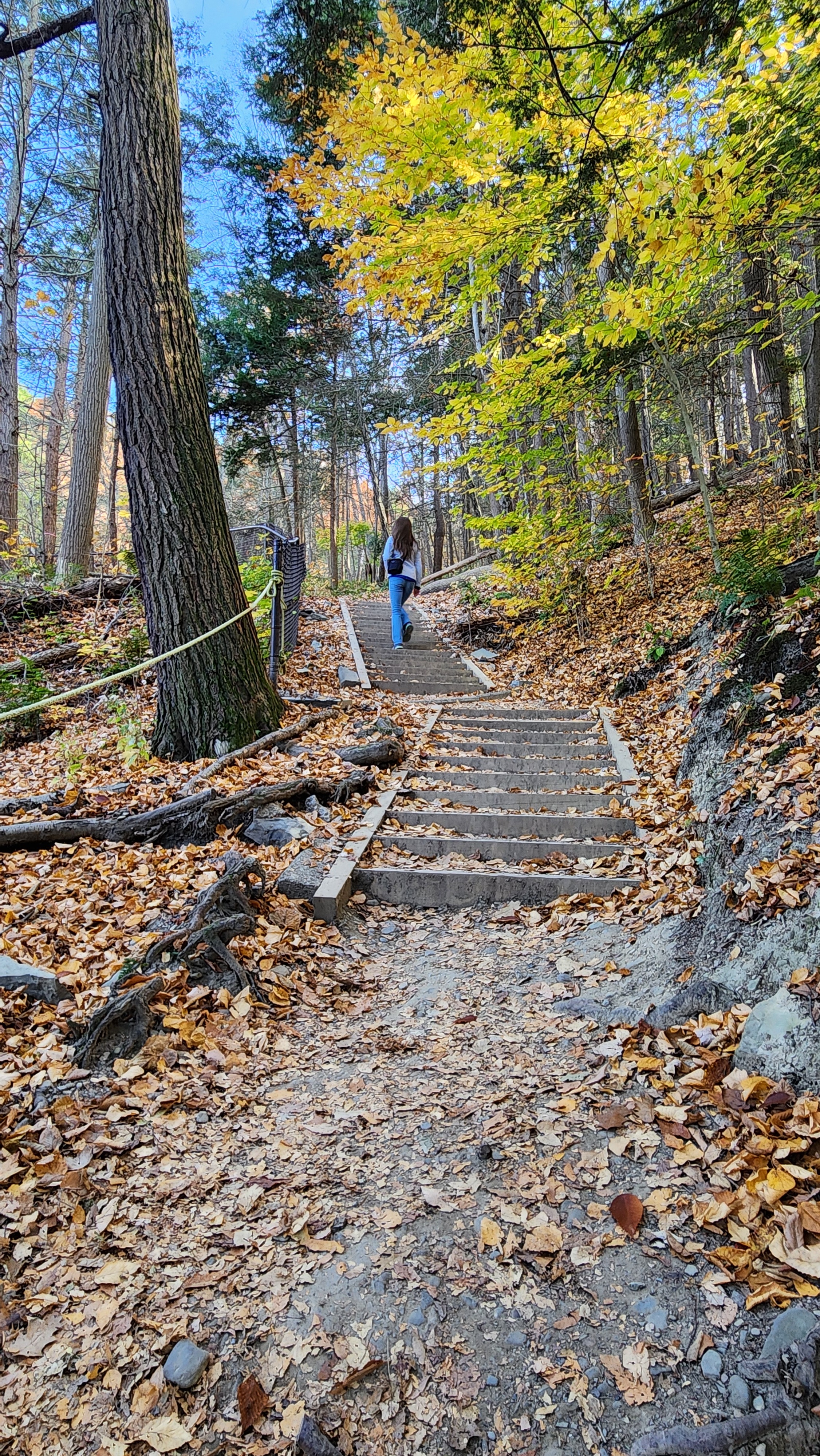
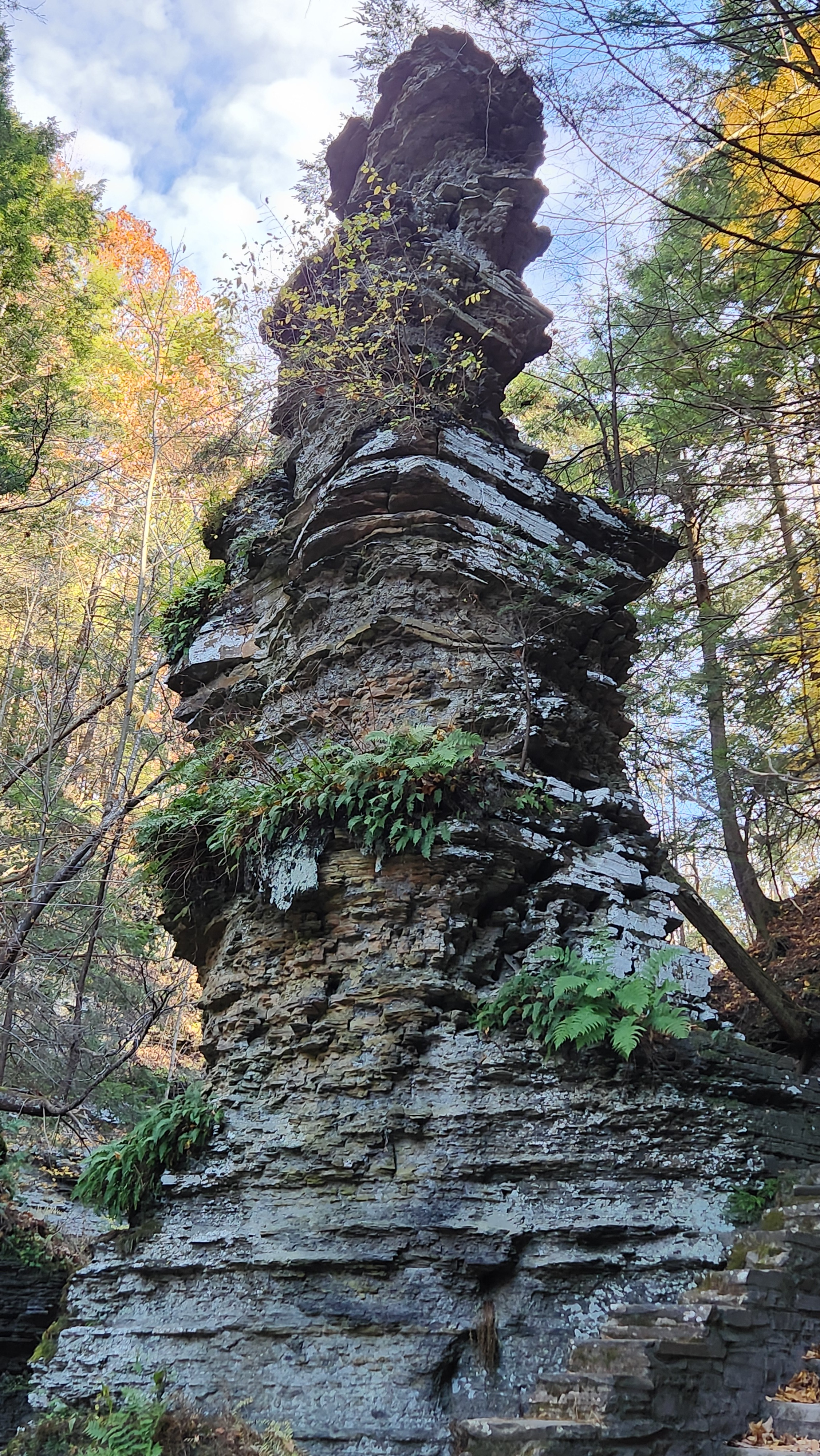
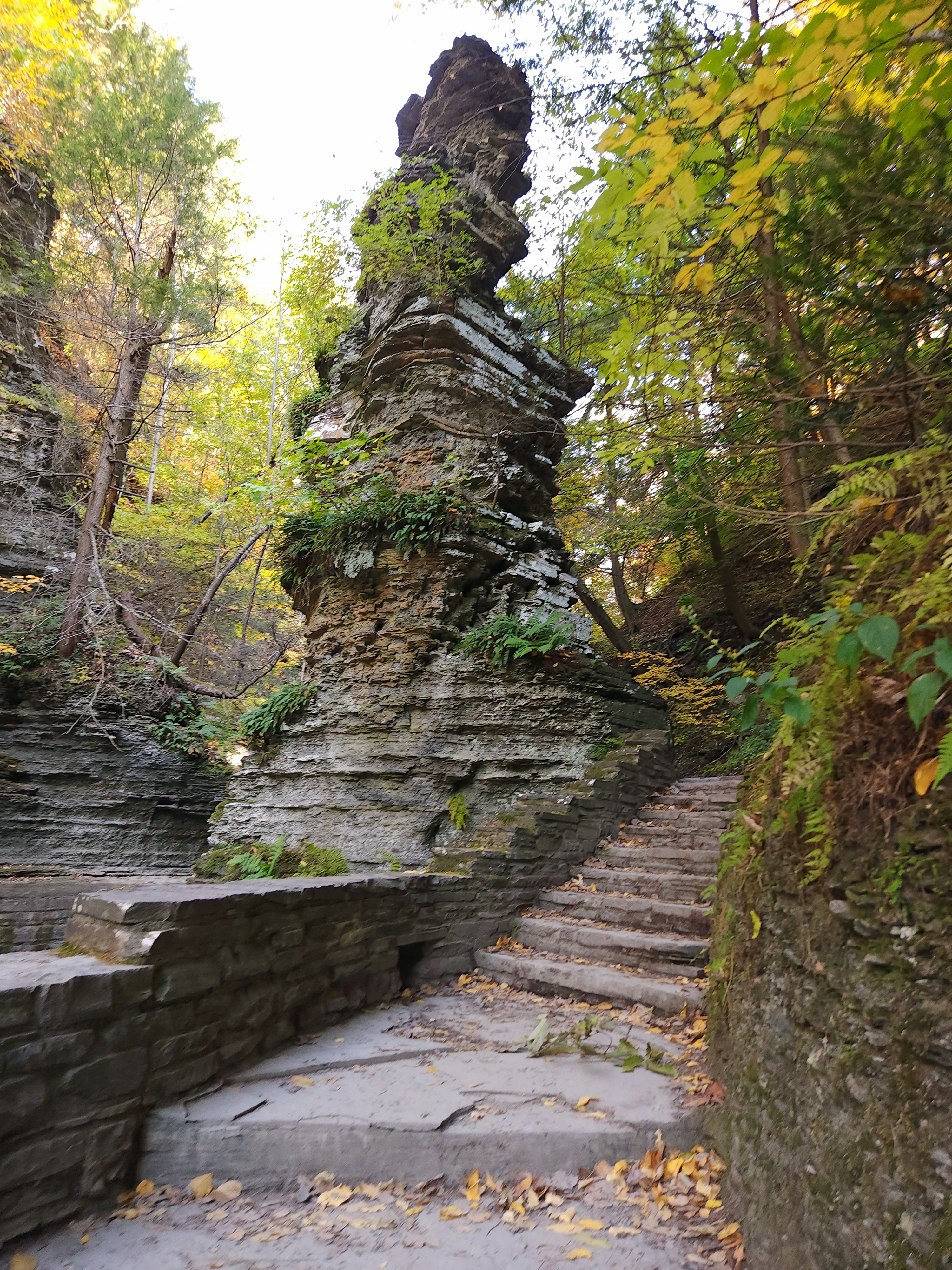
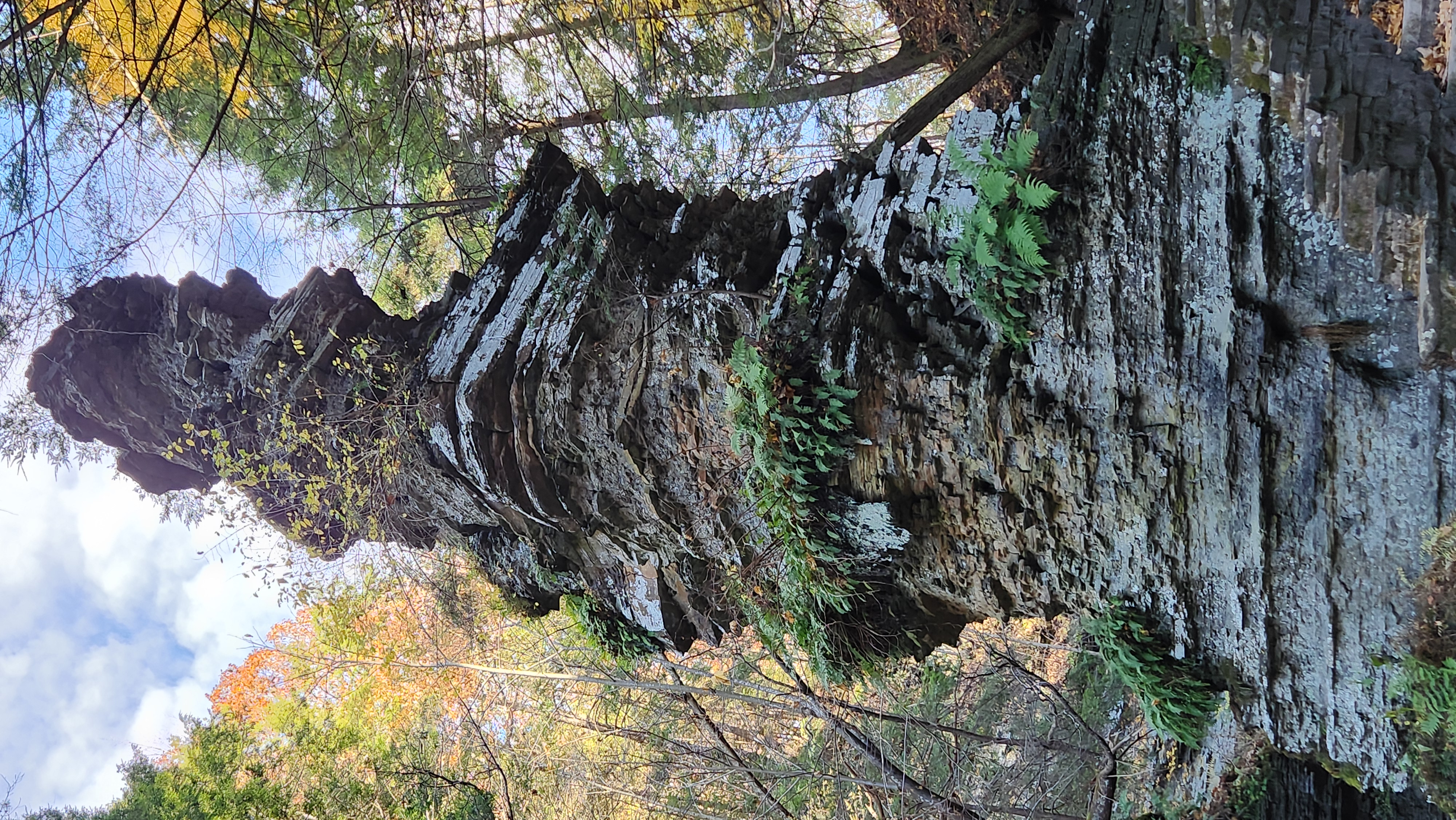
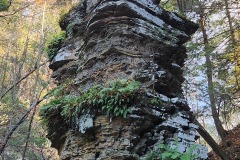
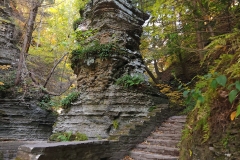
Don’t take it. If you do, you’ll miss the satisfaction of the Pinnacle Rock marking the end of the steepest ascent.
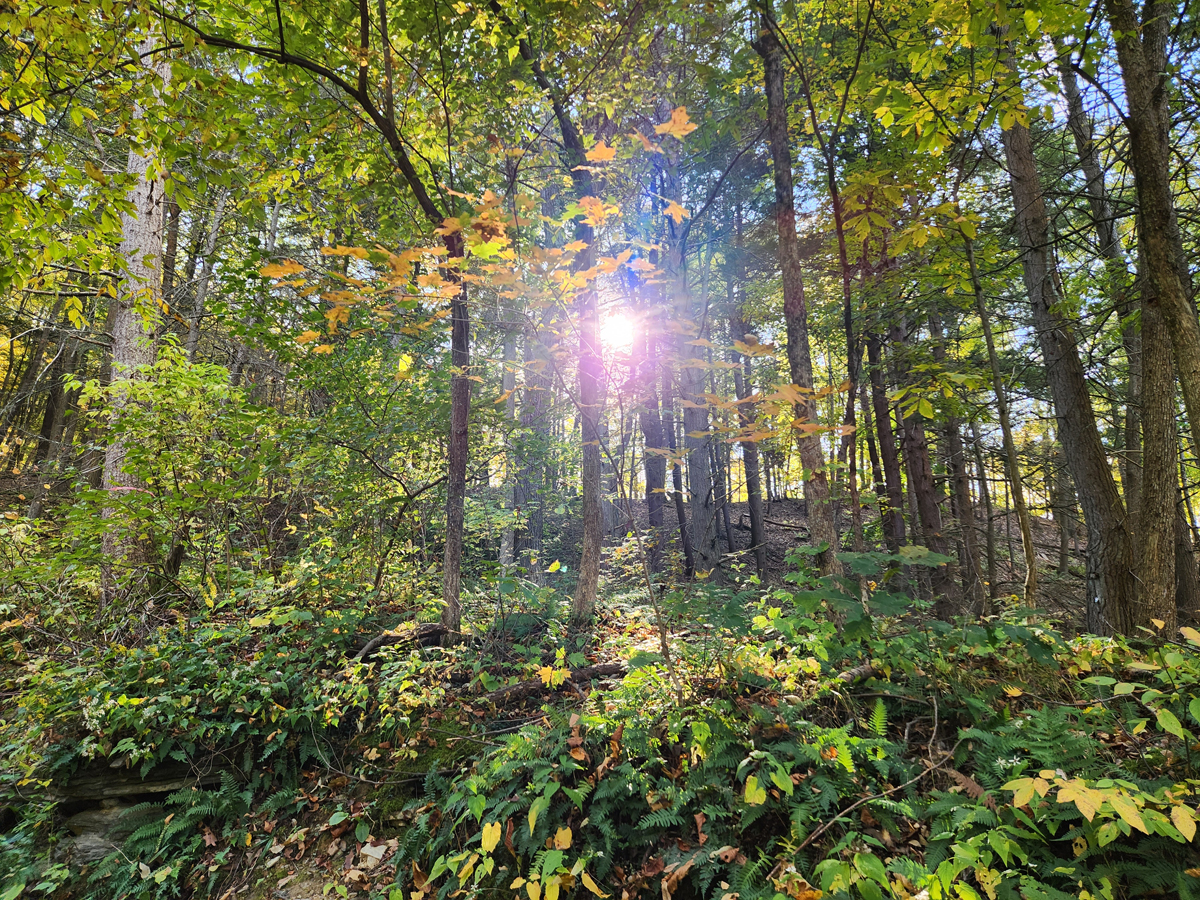
But there’s still more. I’ll finish the walk in the next post. Meantime, here are the rest of my photos for this segment of the walk.
-
Autumn Rambles
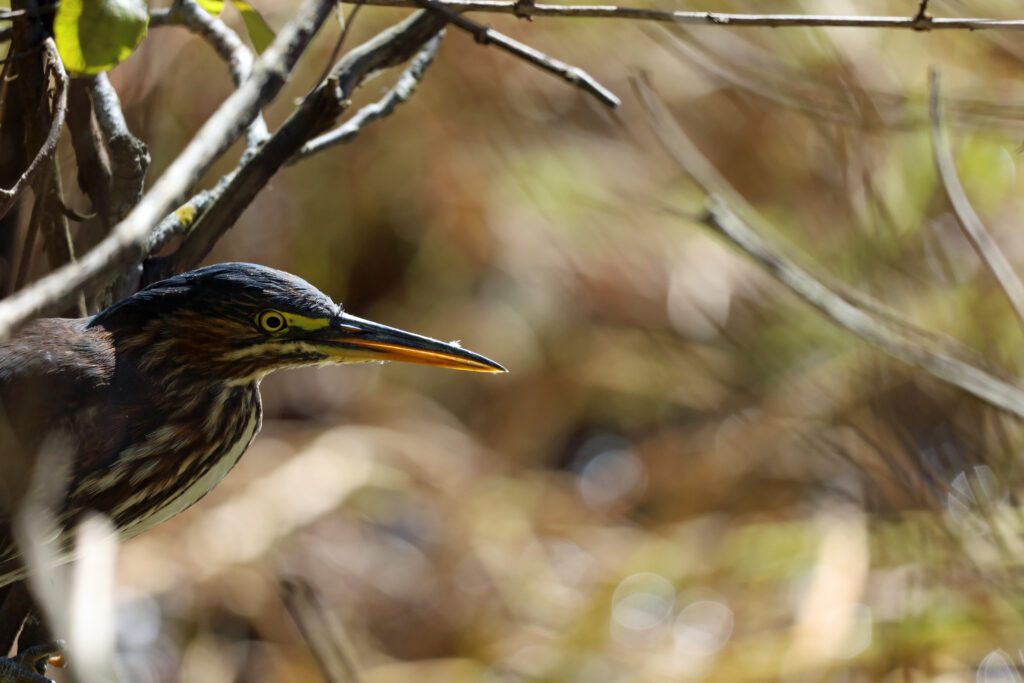
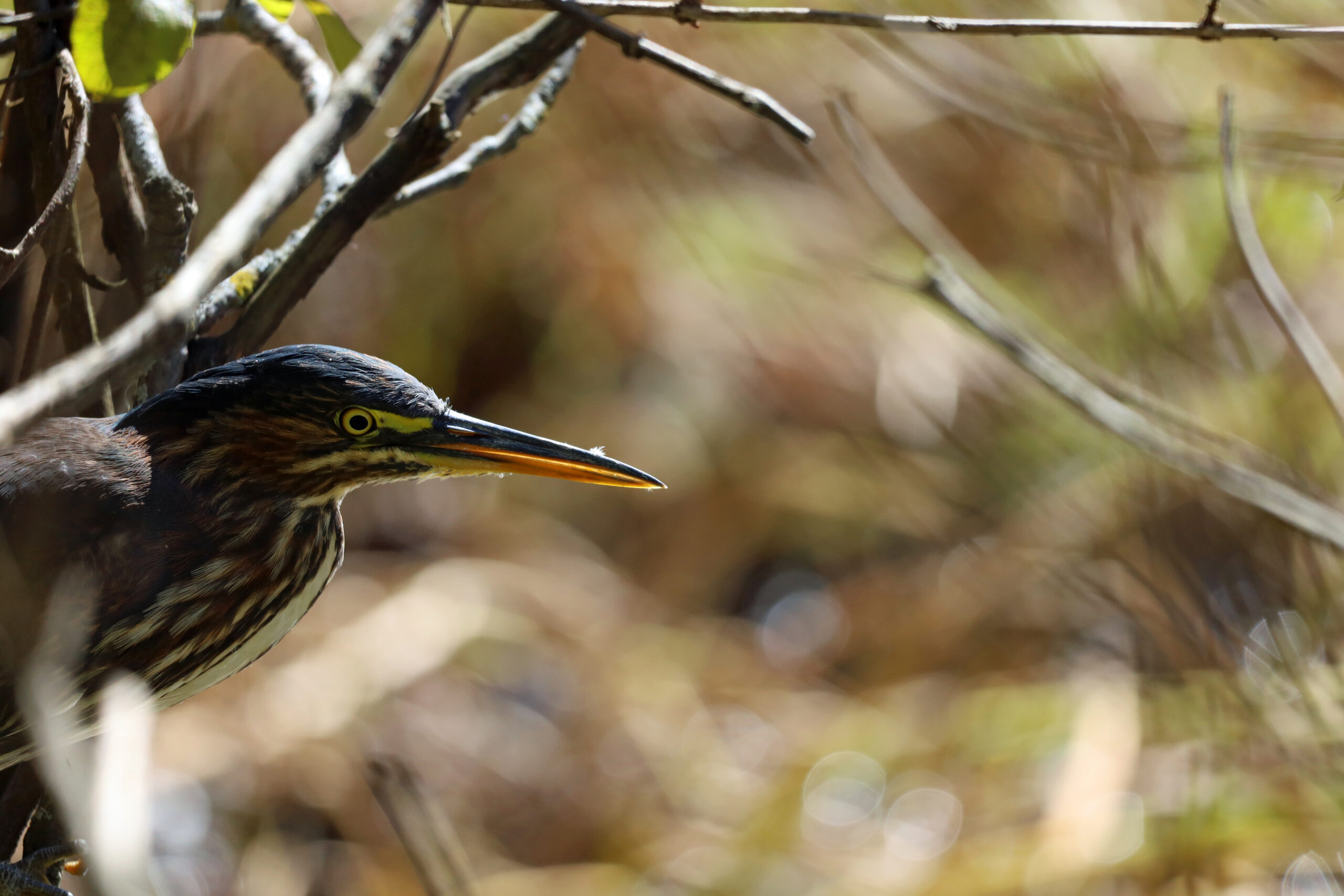
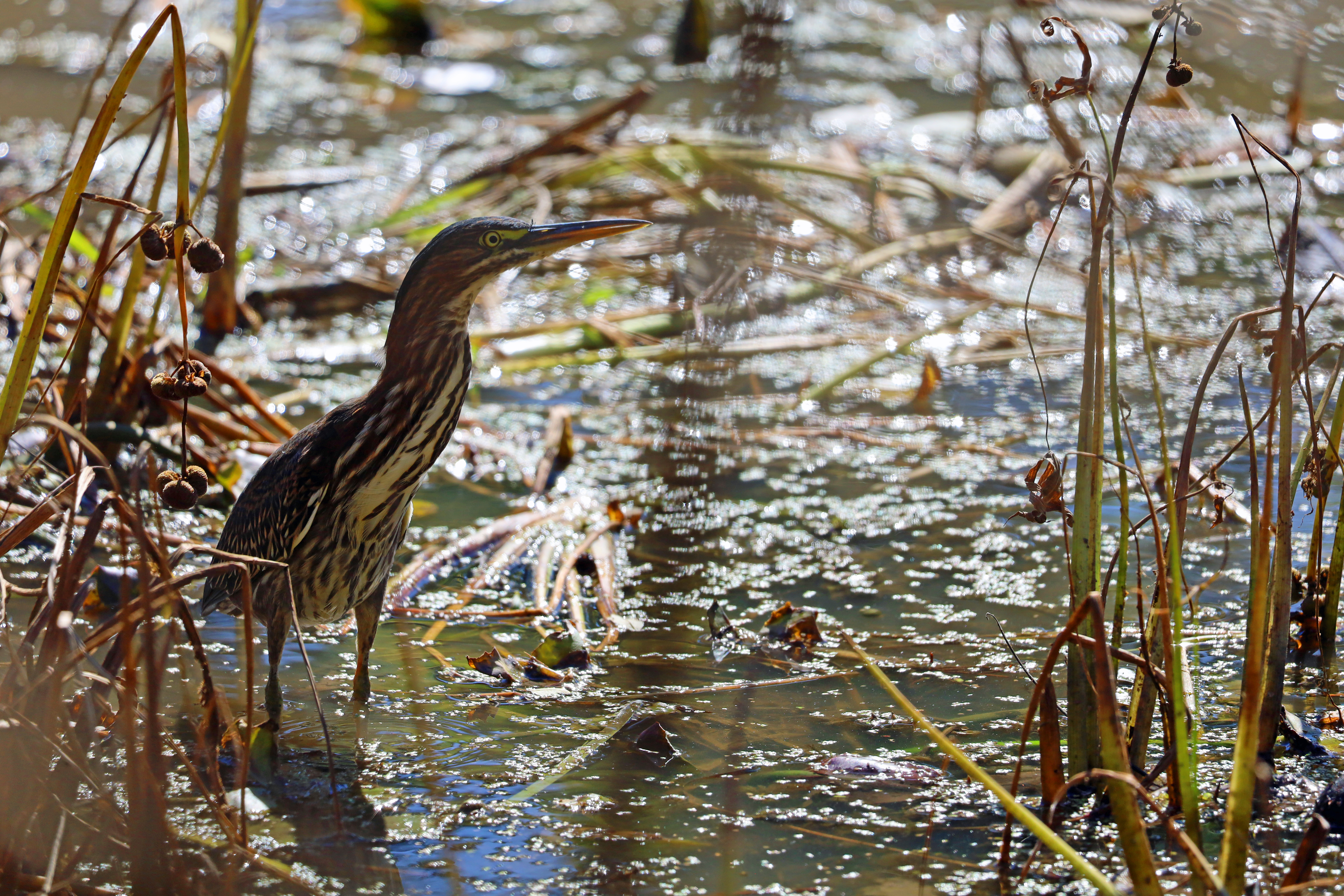
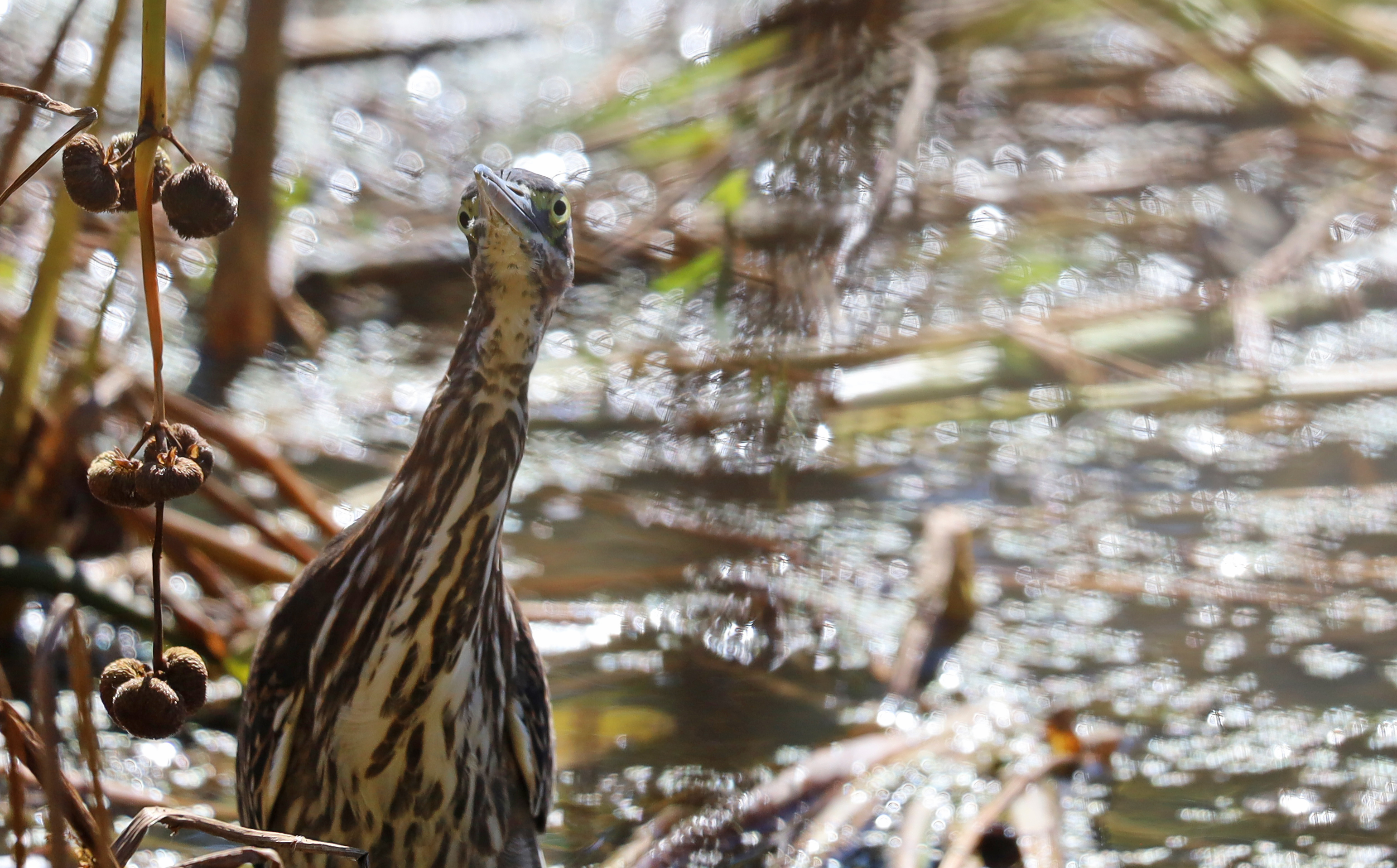
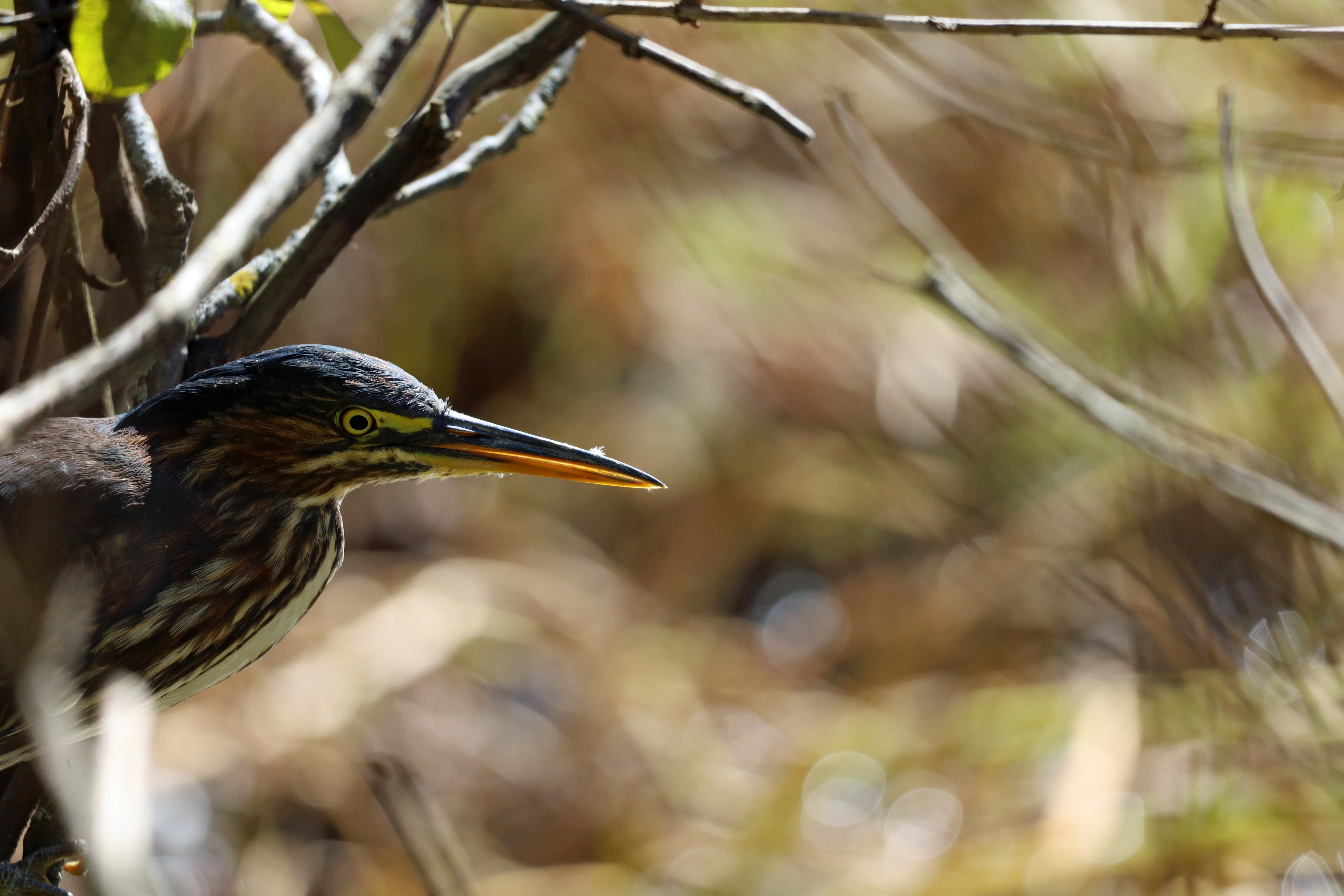
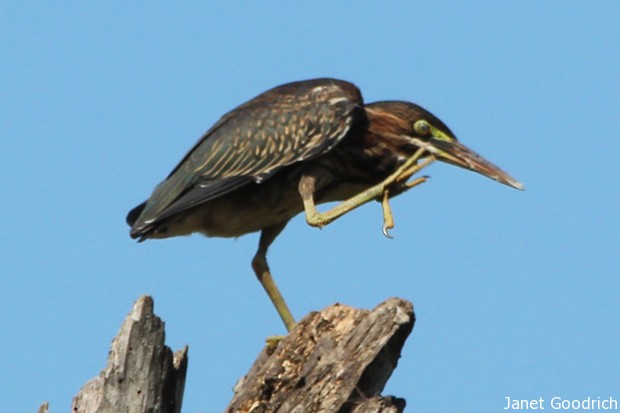
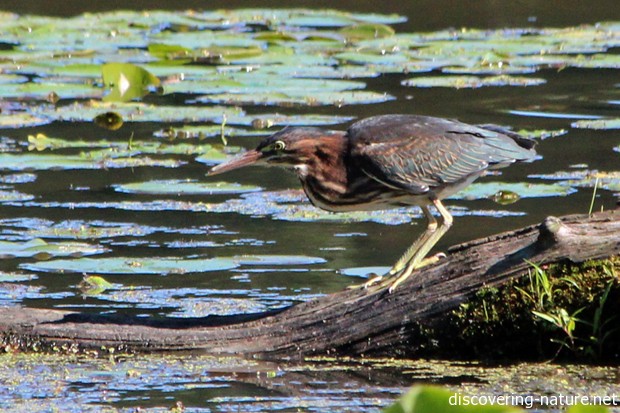
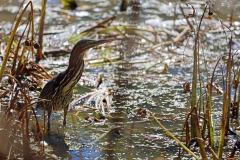
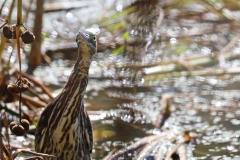
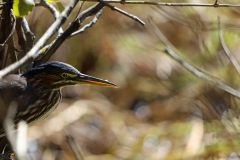
Green Heron On a walk, it’s safe to assume that surveillance is being conducted by some creature or other. This green heron is one example. It took a few minutes to ensure that we weren’t a threat before continuing the all-important business of hunting pond organisms for its lunch.
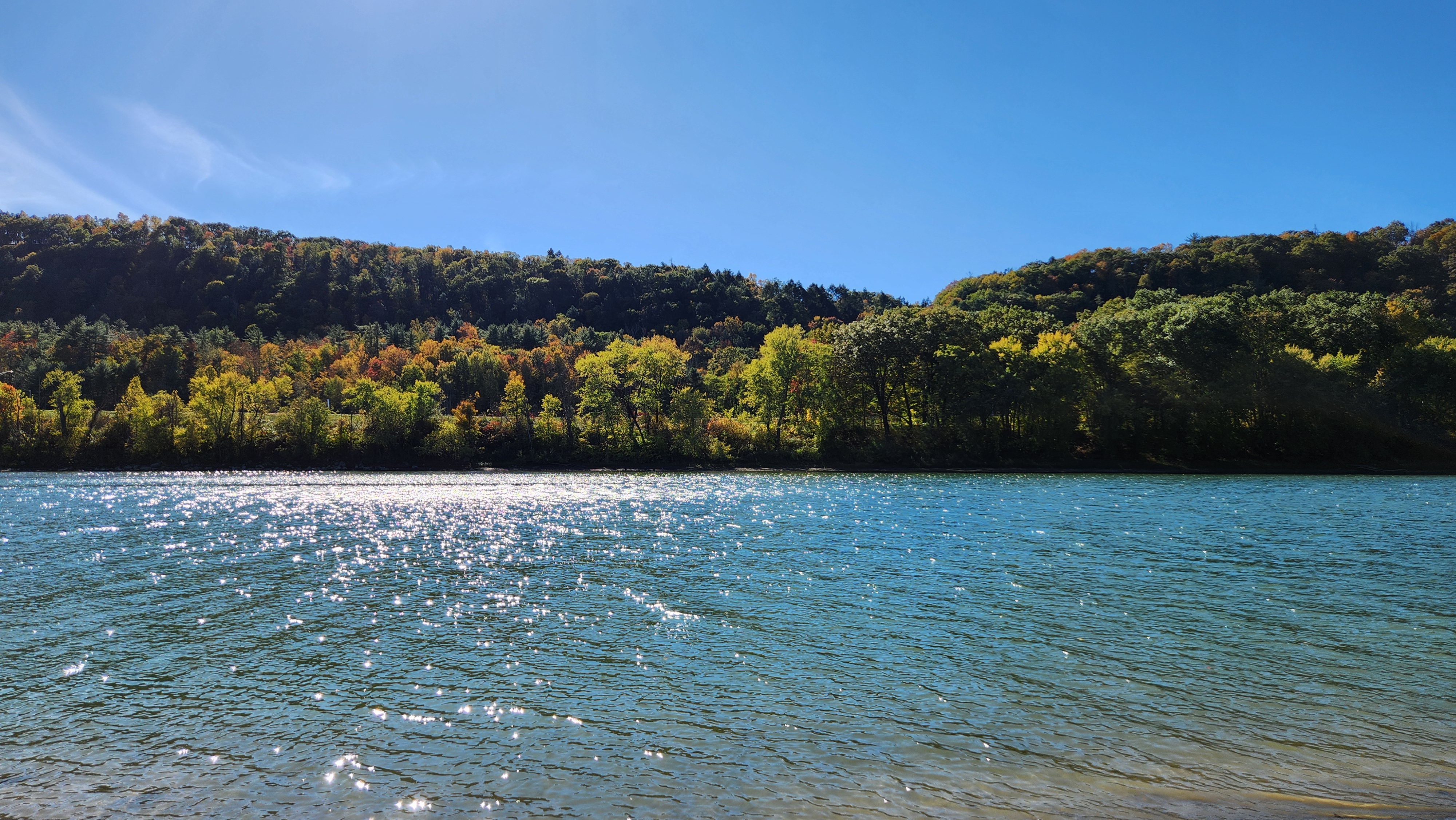
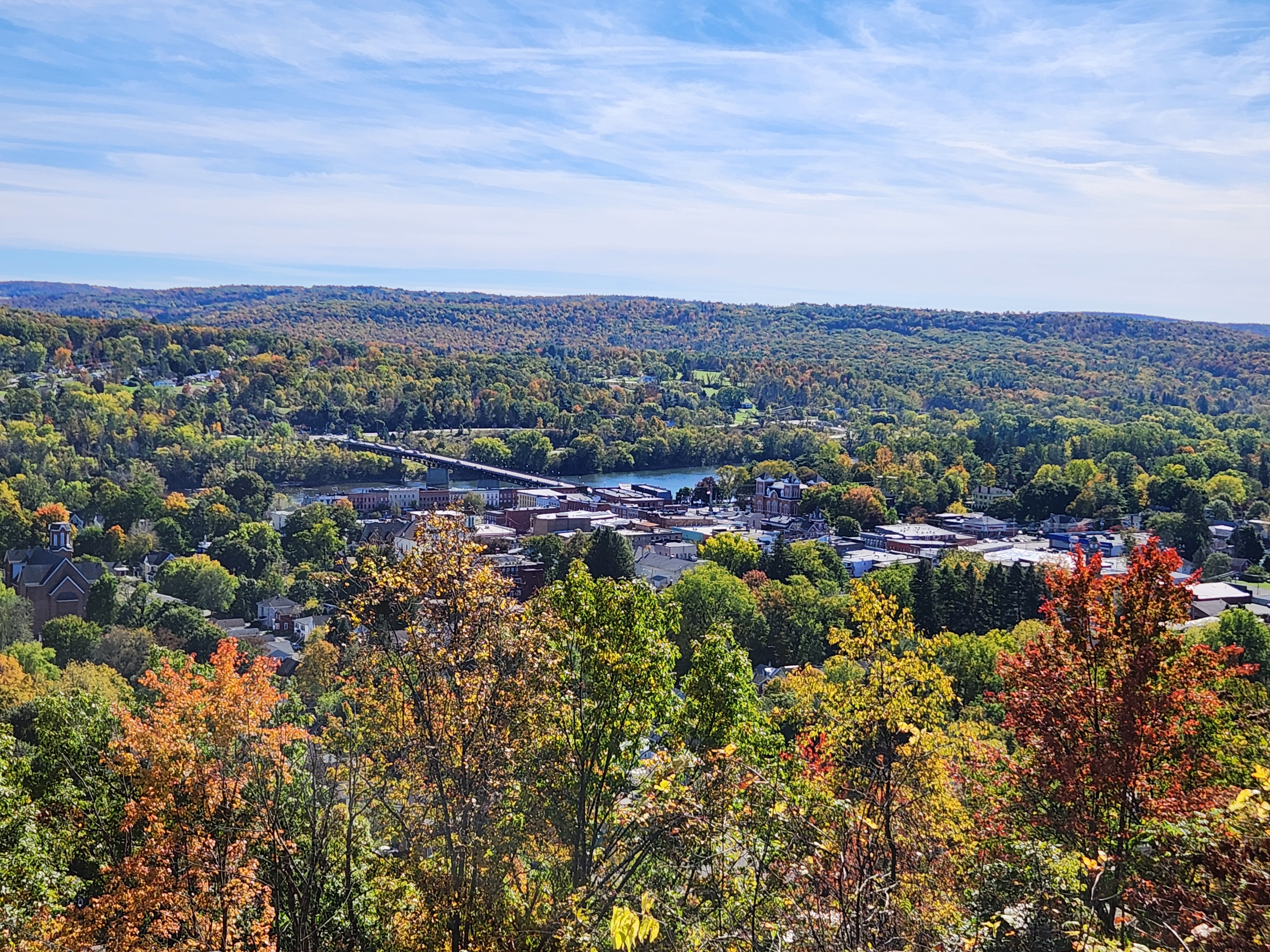
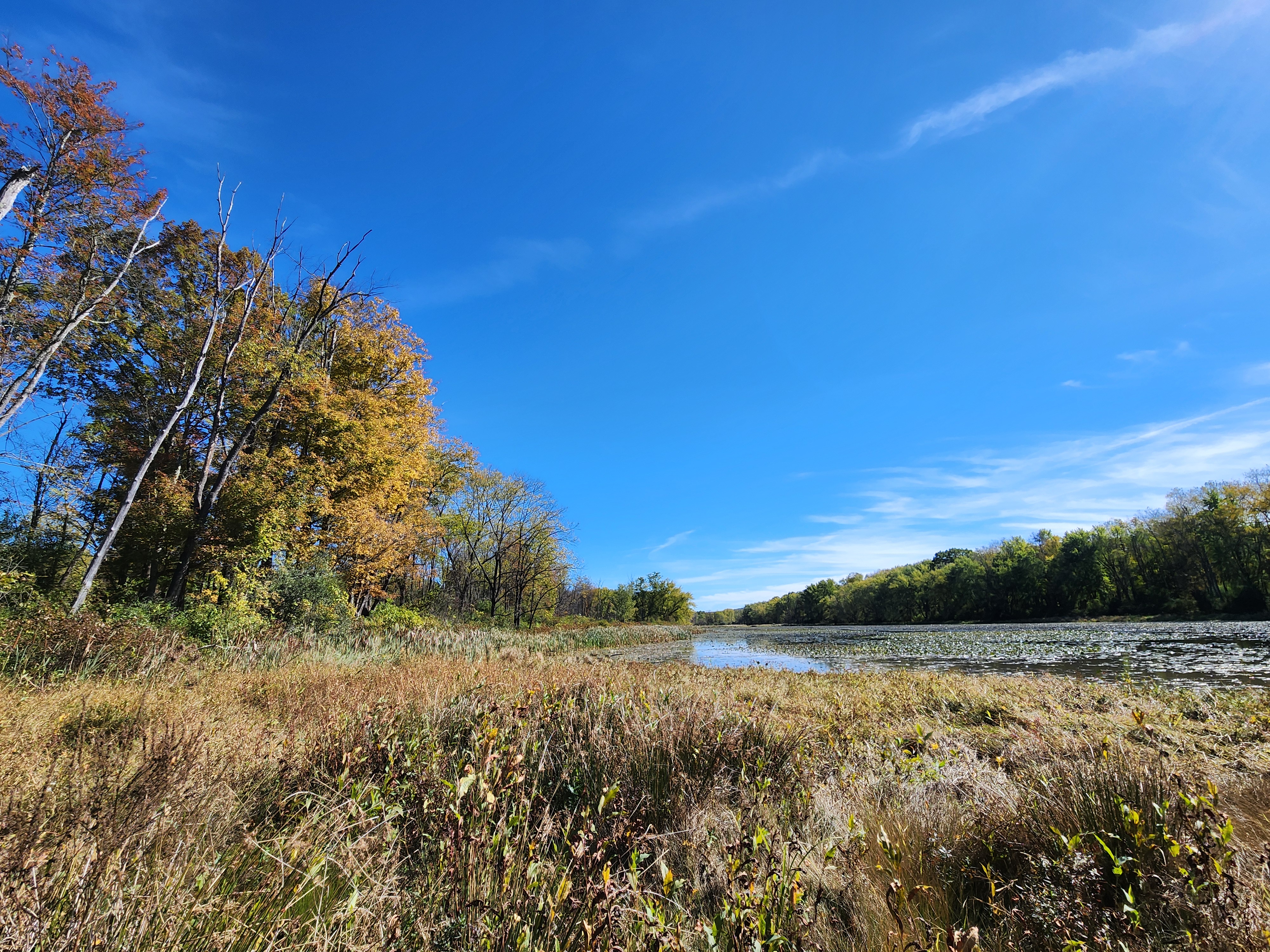
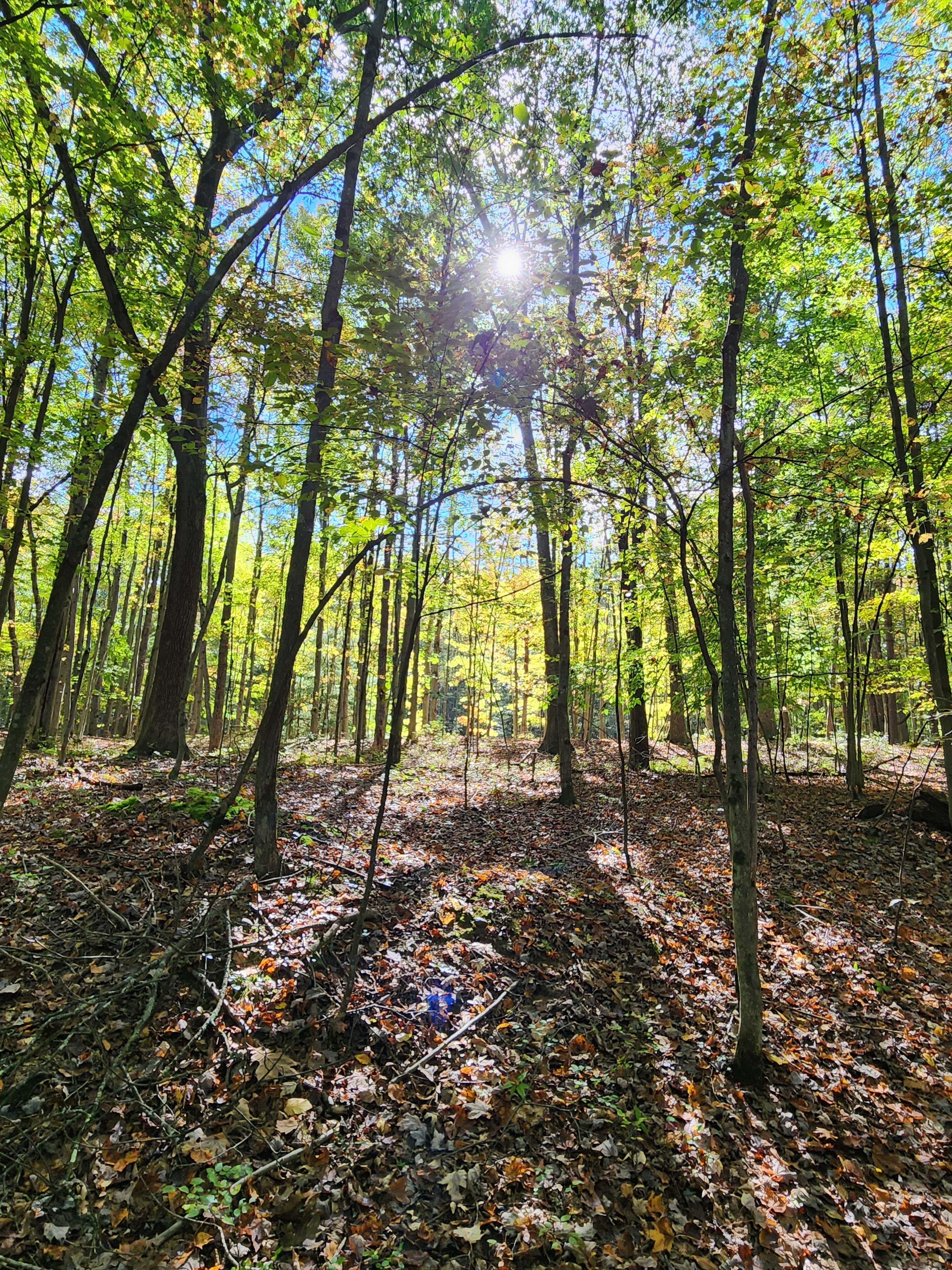
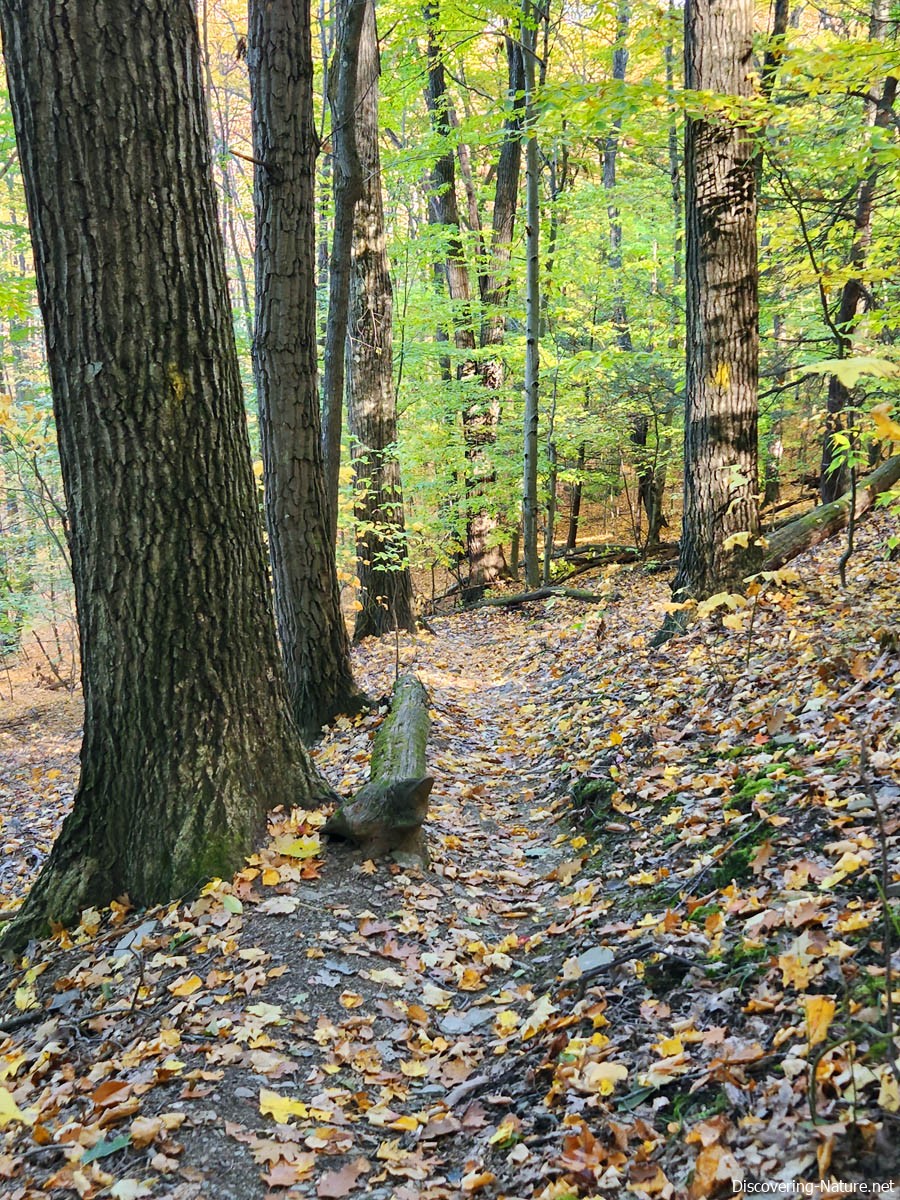
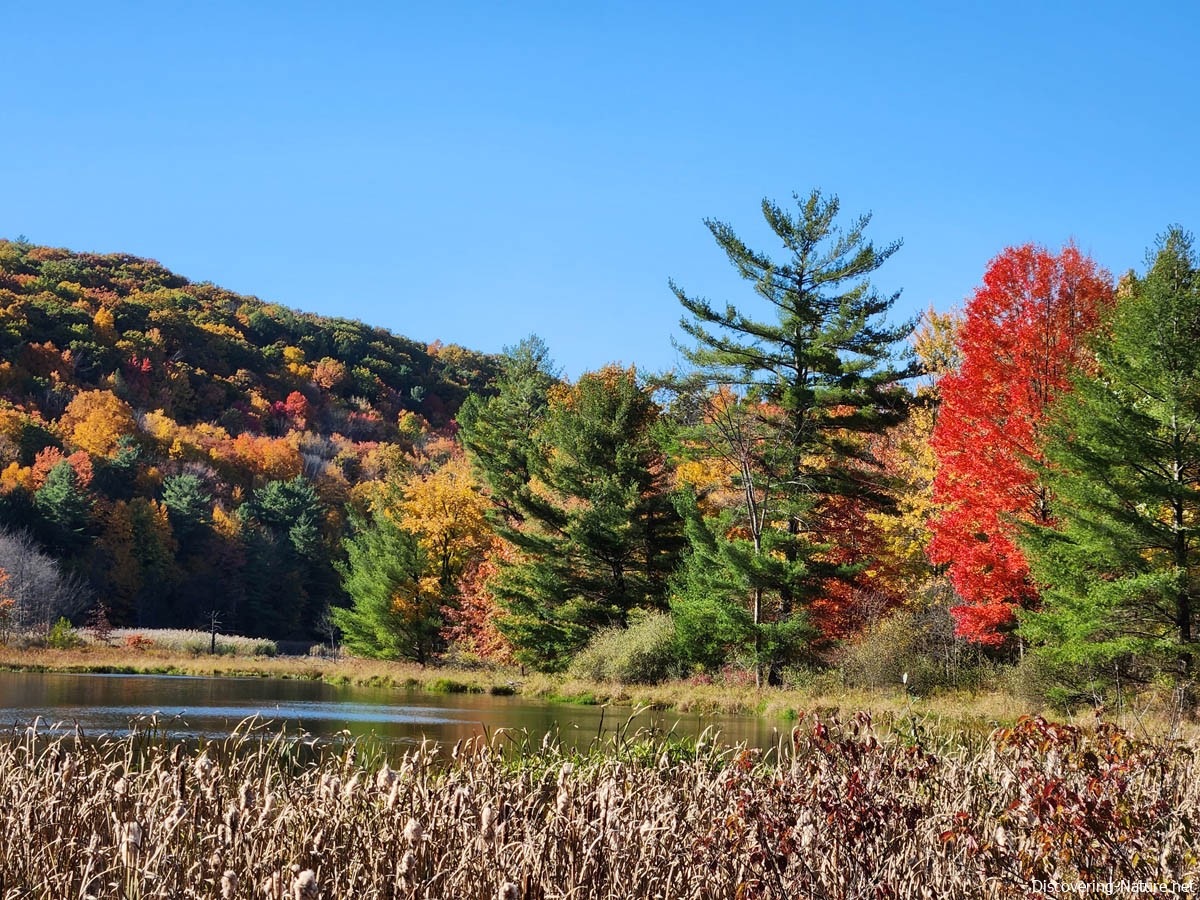
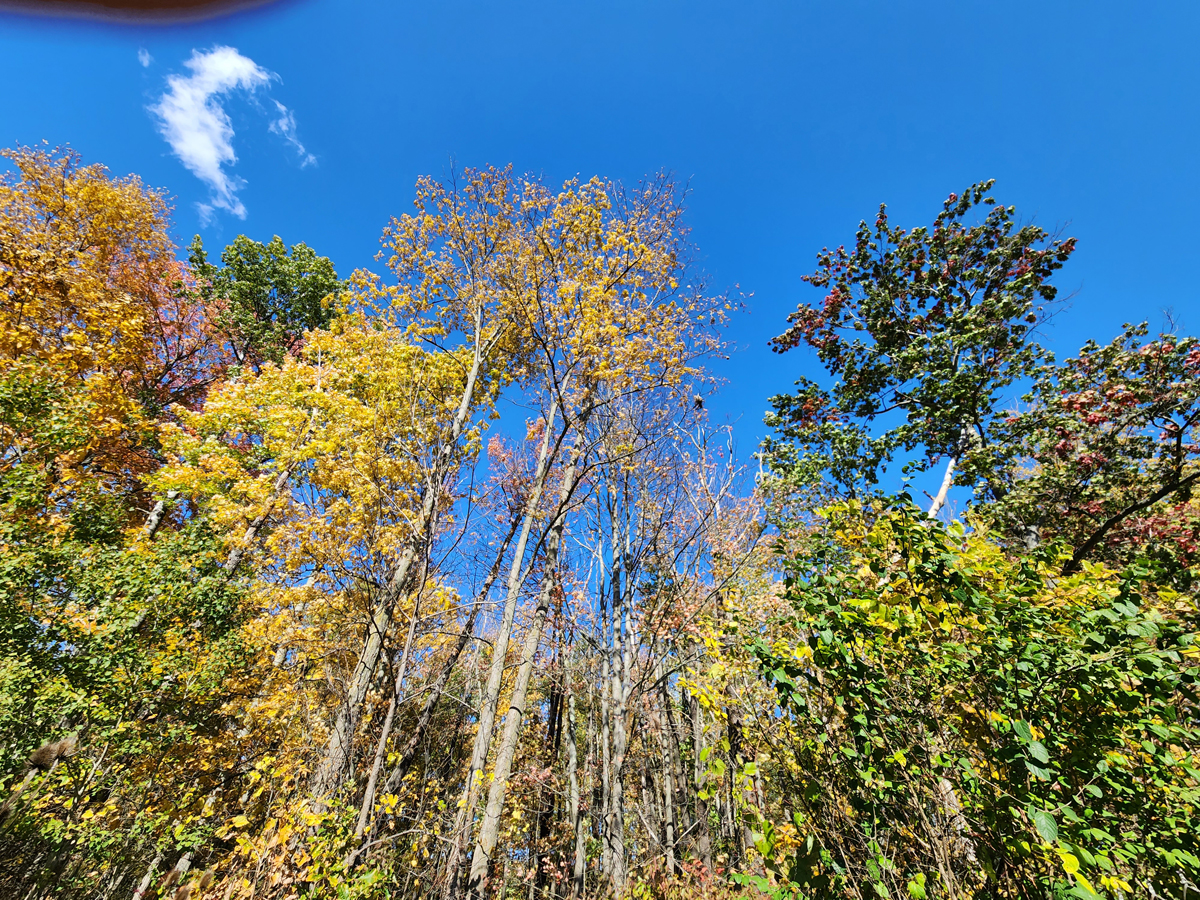
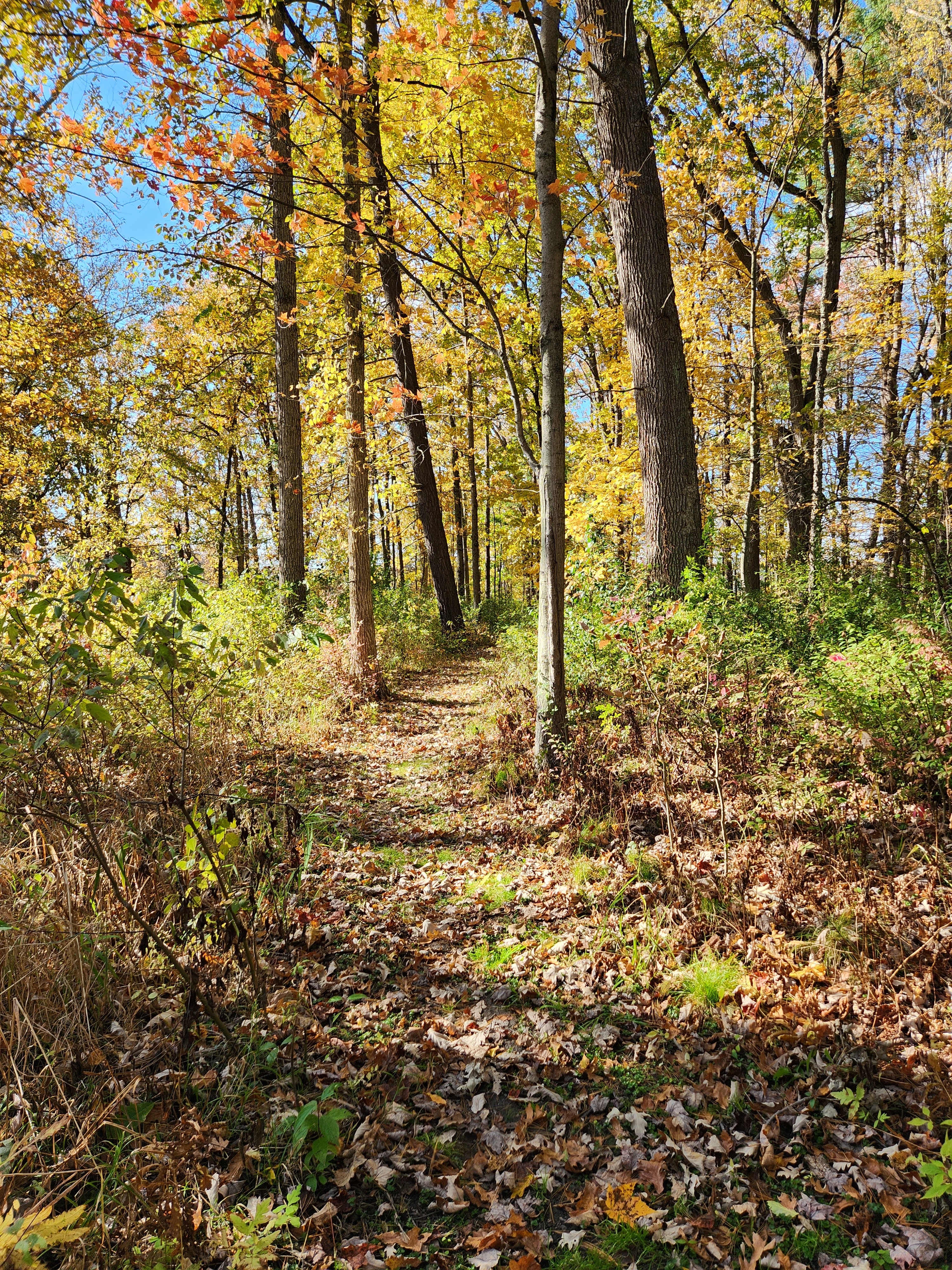
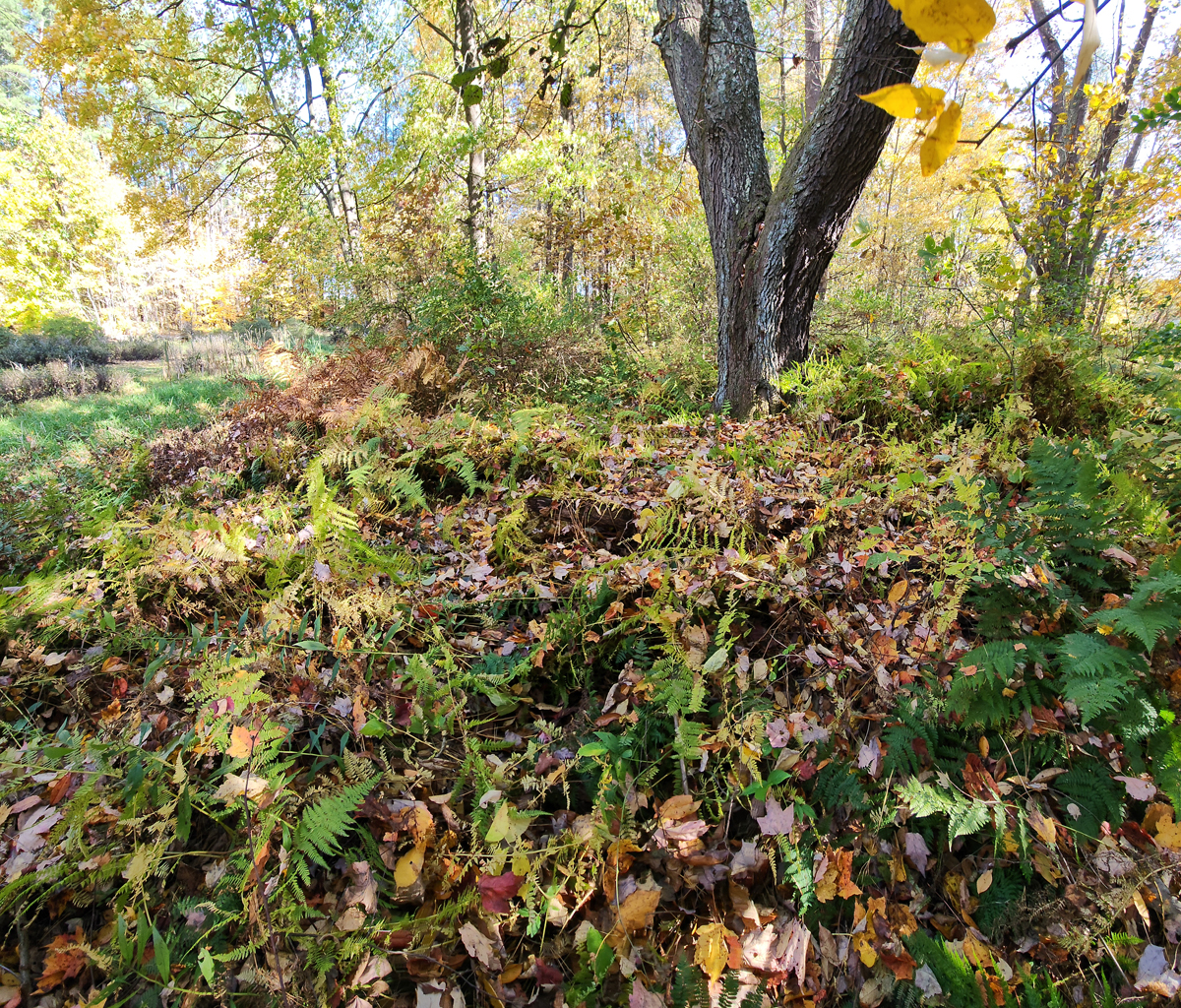
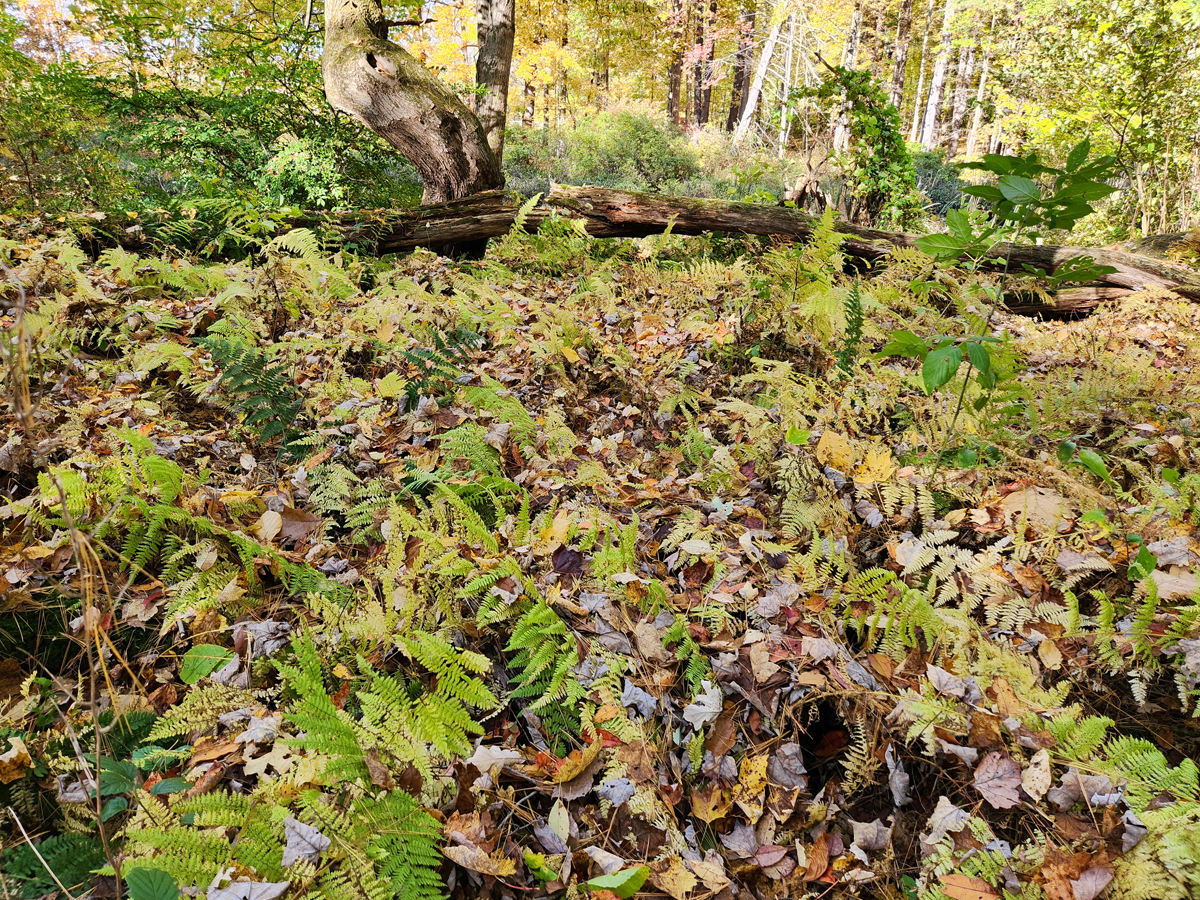
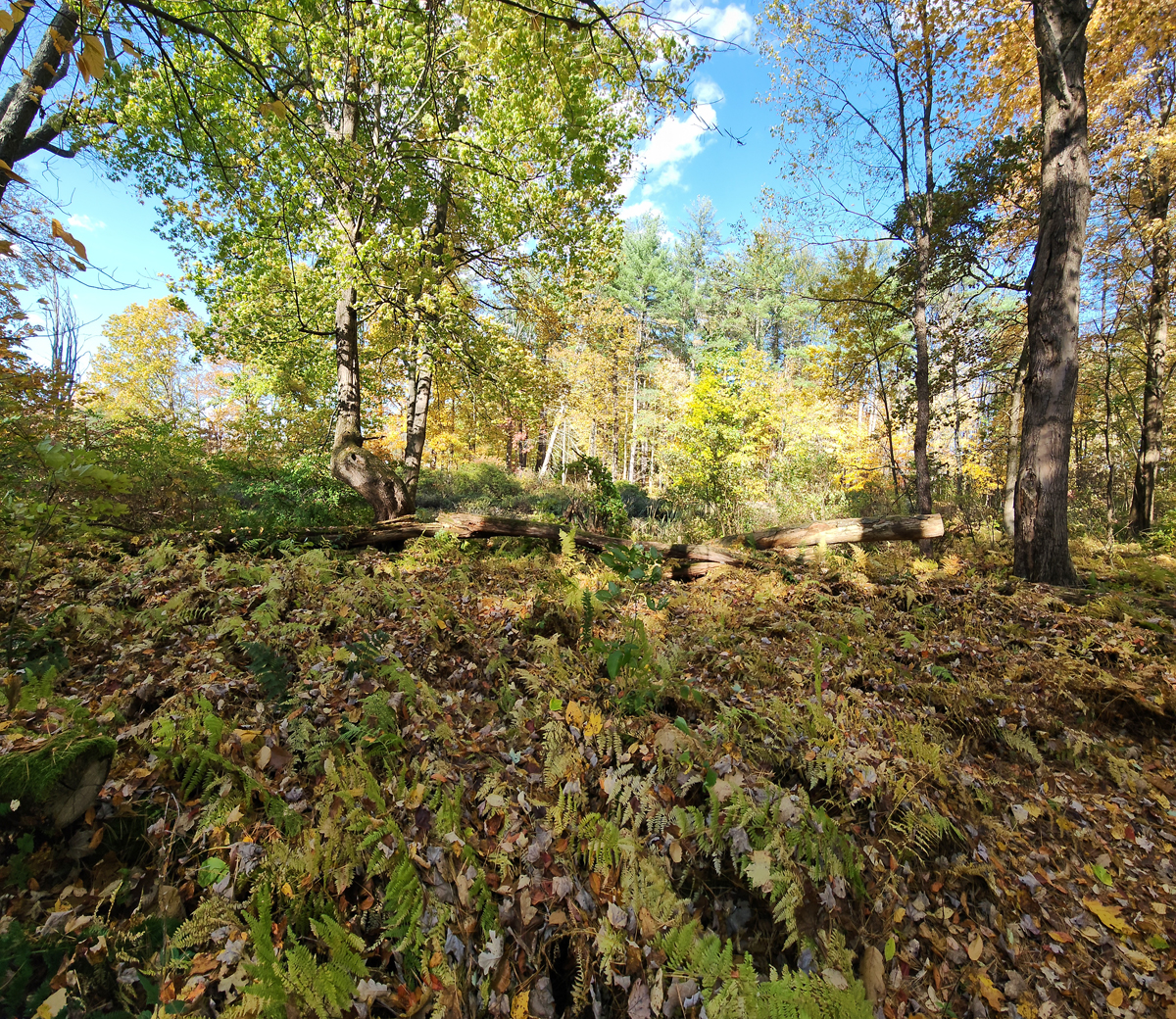
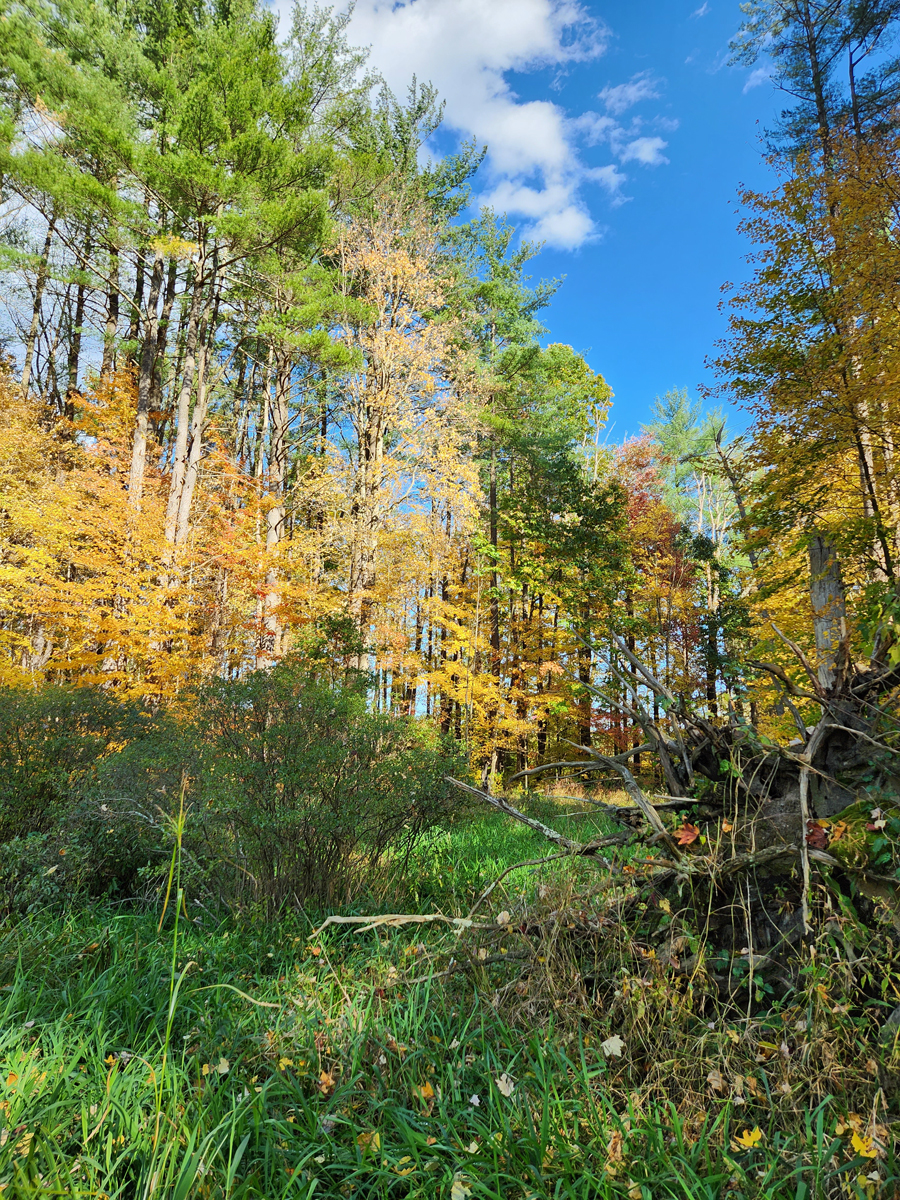
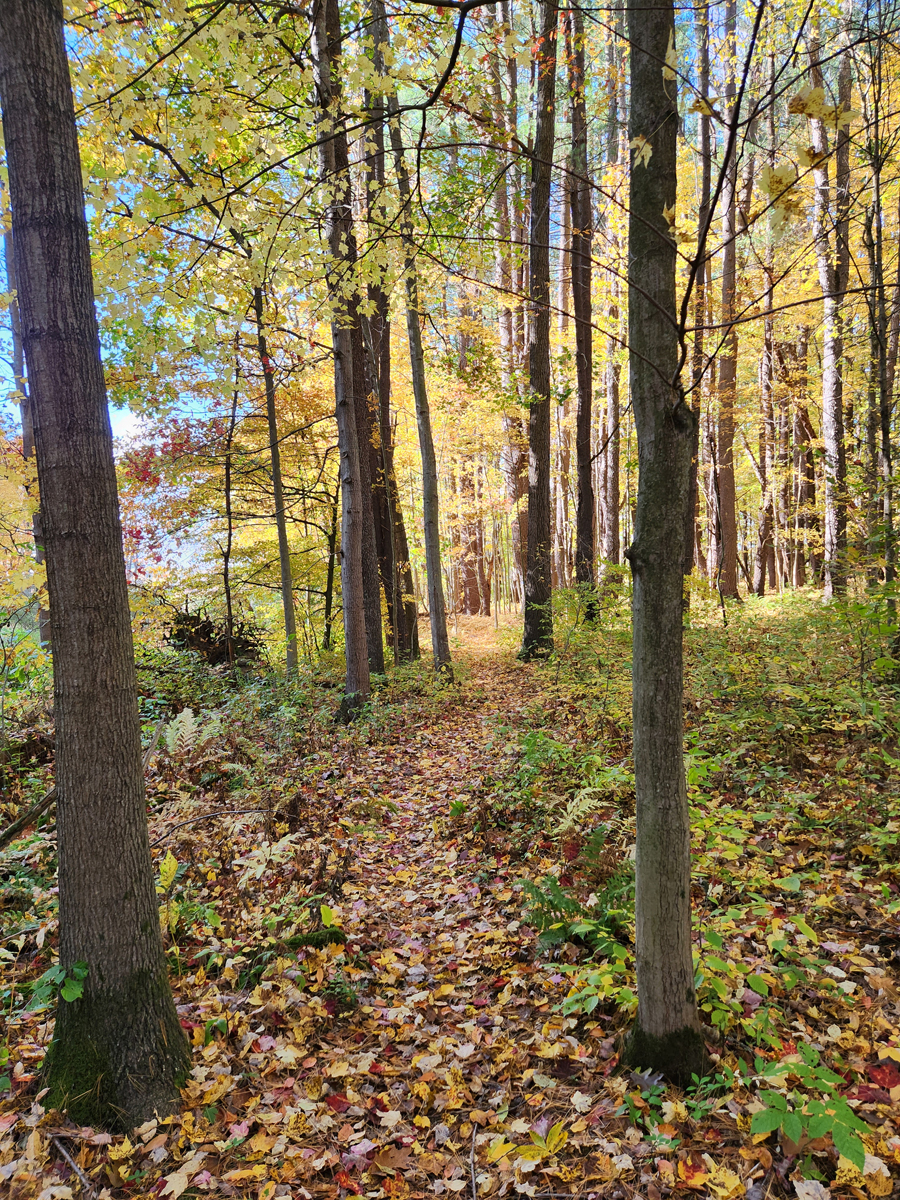
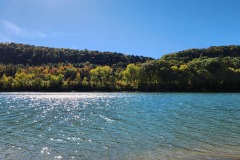
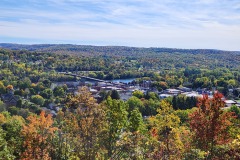
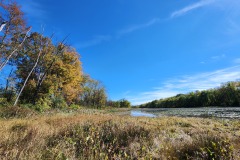
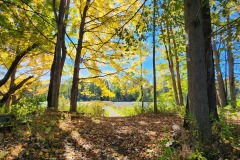
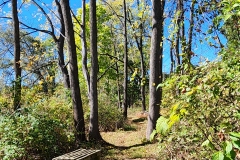
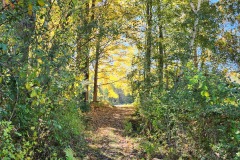
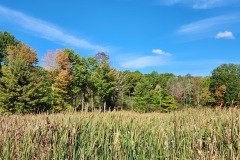
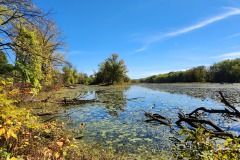
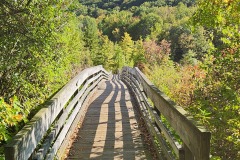
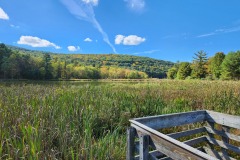
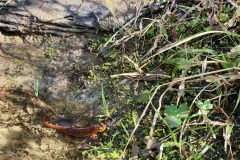
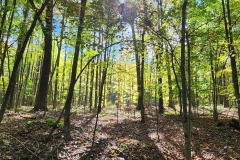
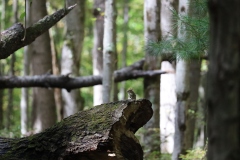
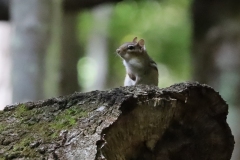
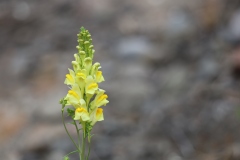
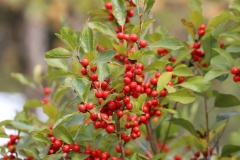
I’ve compiled images from three different walks into this gallery. There are enough photos that the slideshow spills over to a second page, reached by the arrow at bottom. It’s not a super colorful fall here — more yellows and browns than reds and oranges. But the unique autumn sunlight and odors of autumn give familiar trails a touch of enchantment just the same.
-
Pond Album
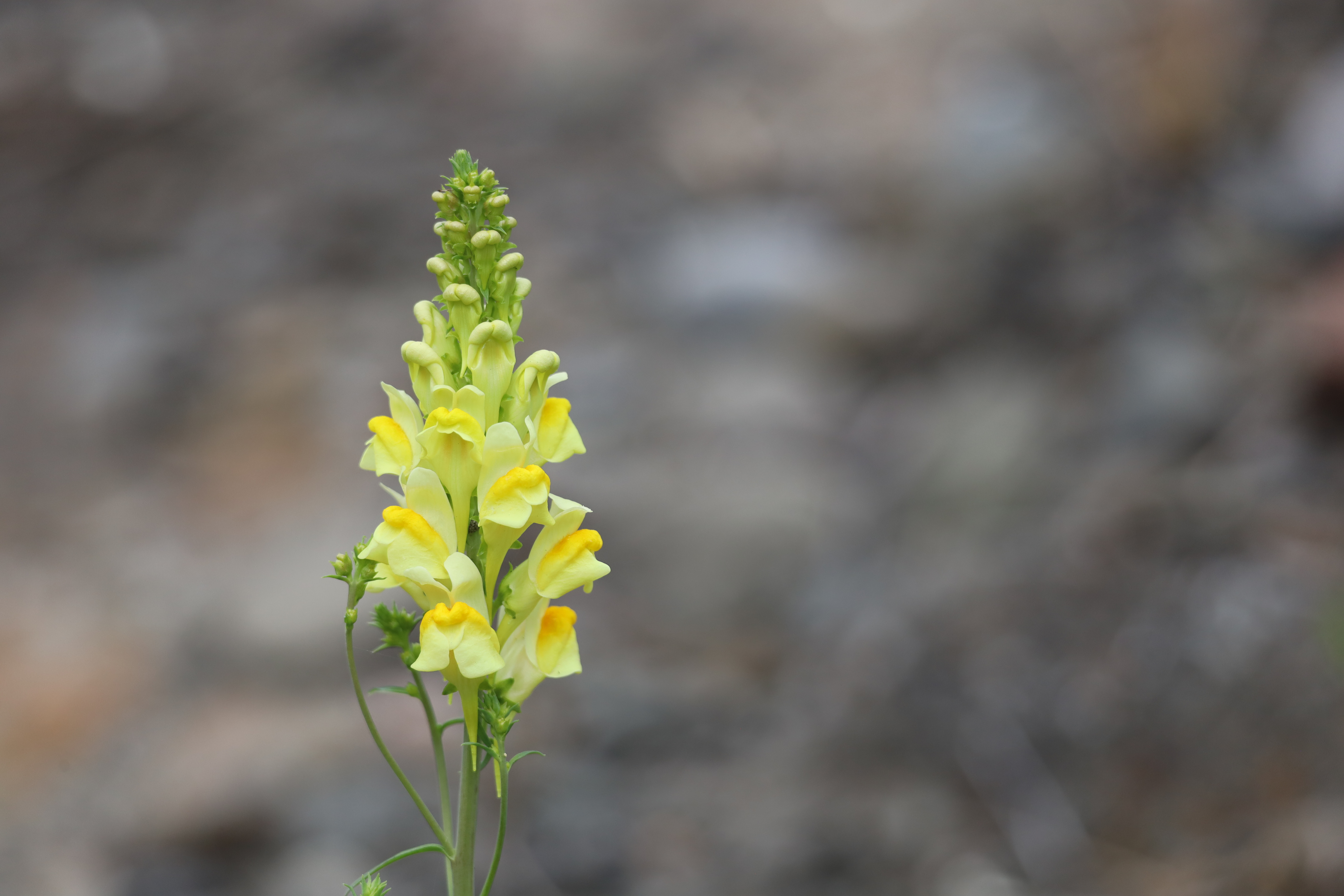
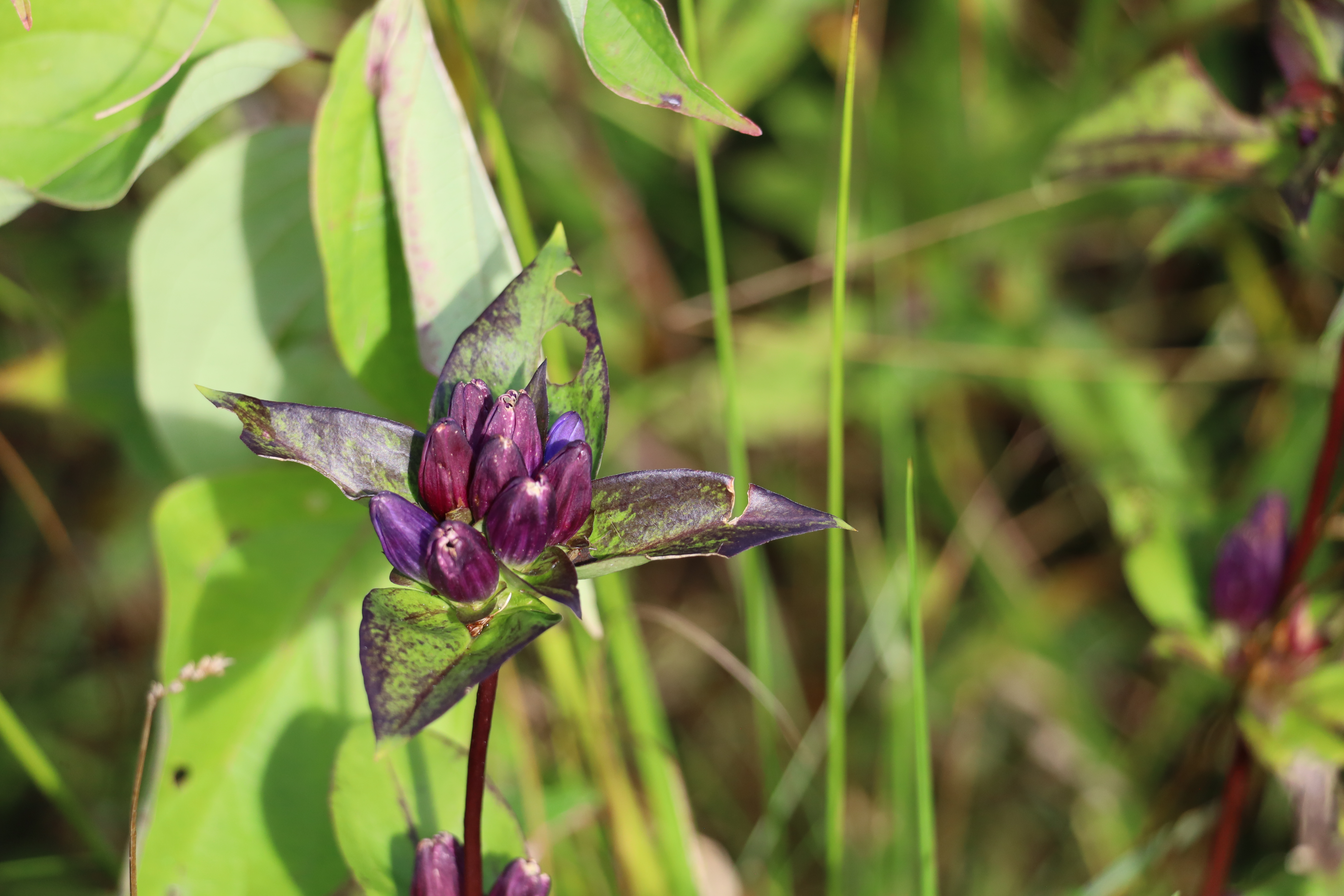
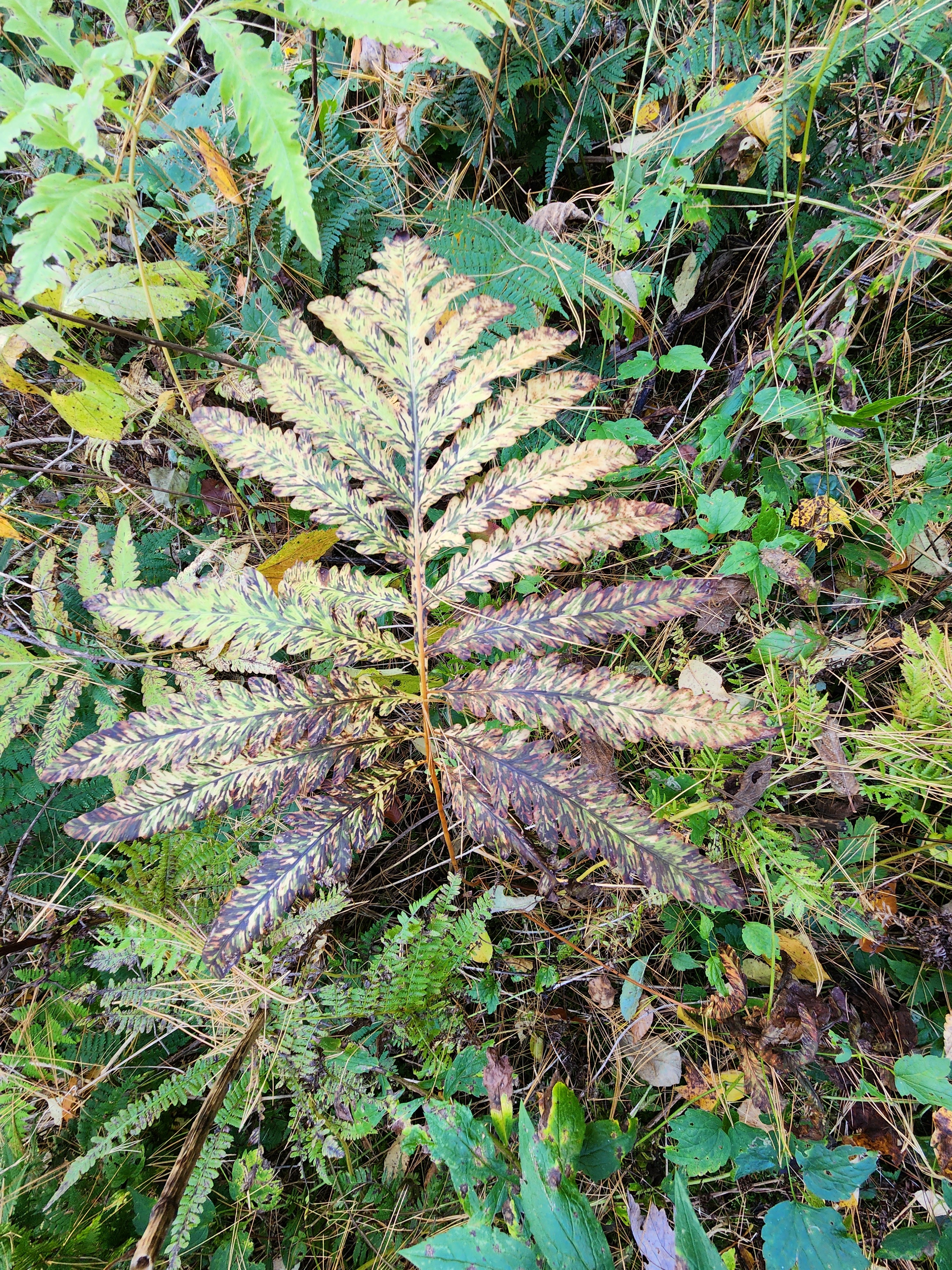
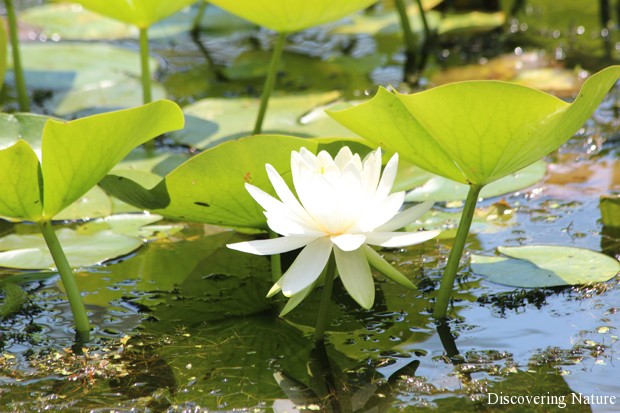
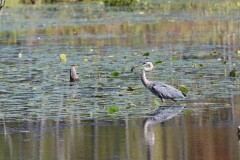
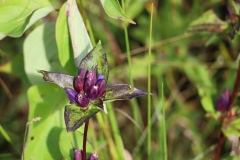
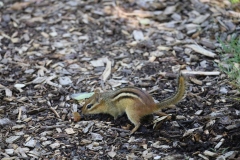
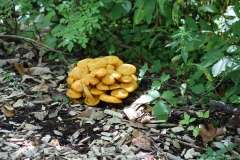
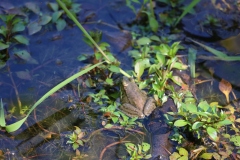
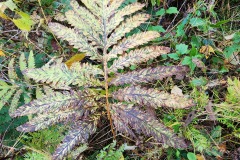
I never followed up my heron post with the other pictures from my Sapsucker Woods walk. Here they are — a reminder that we always see new sights. Several of these plants are unfamiliar to me, and I need to follow up on them.
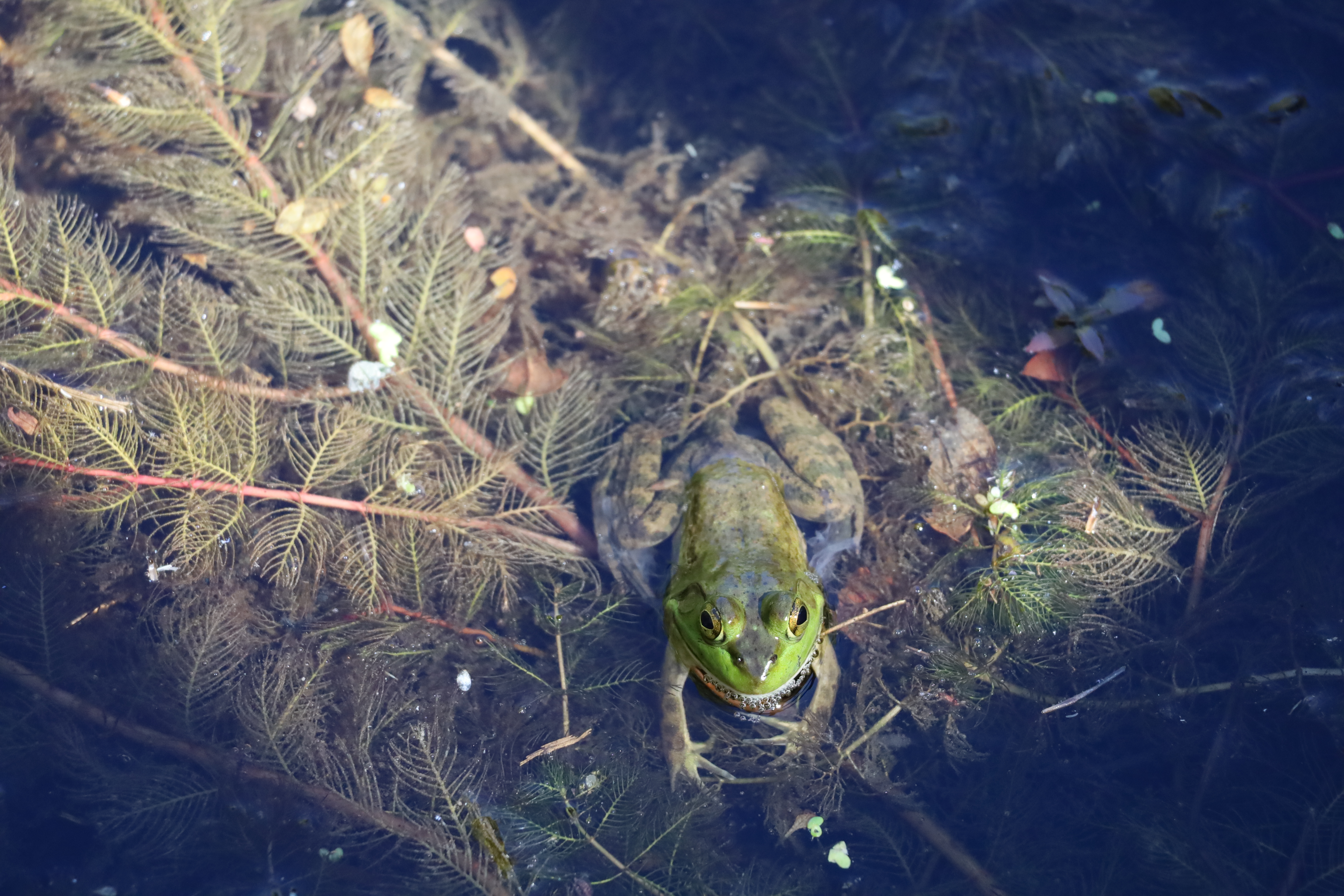
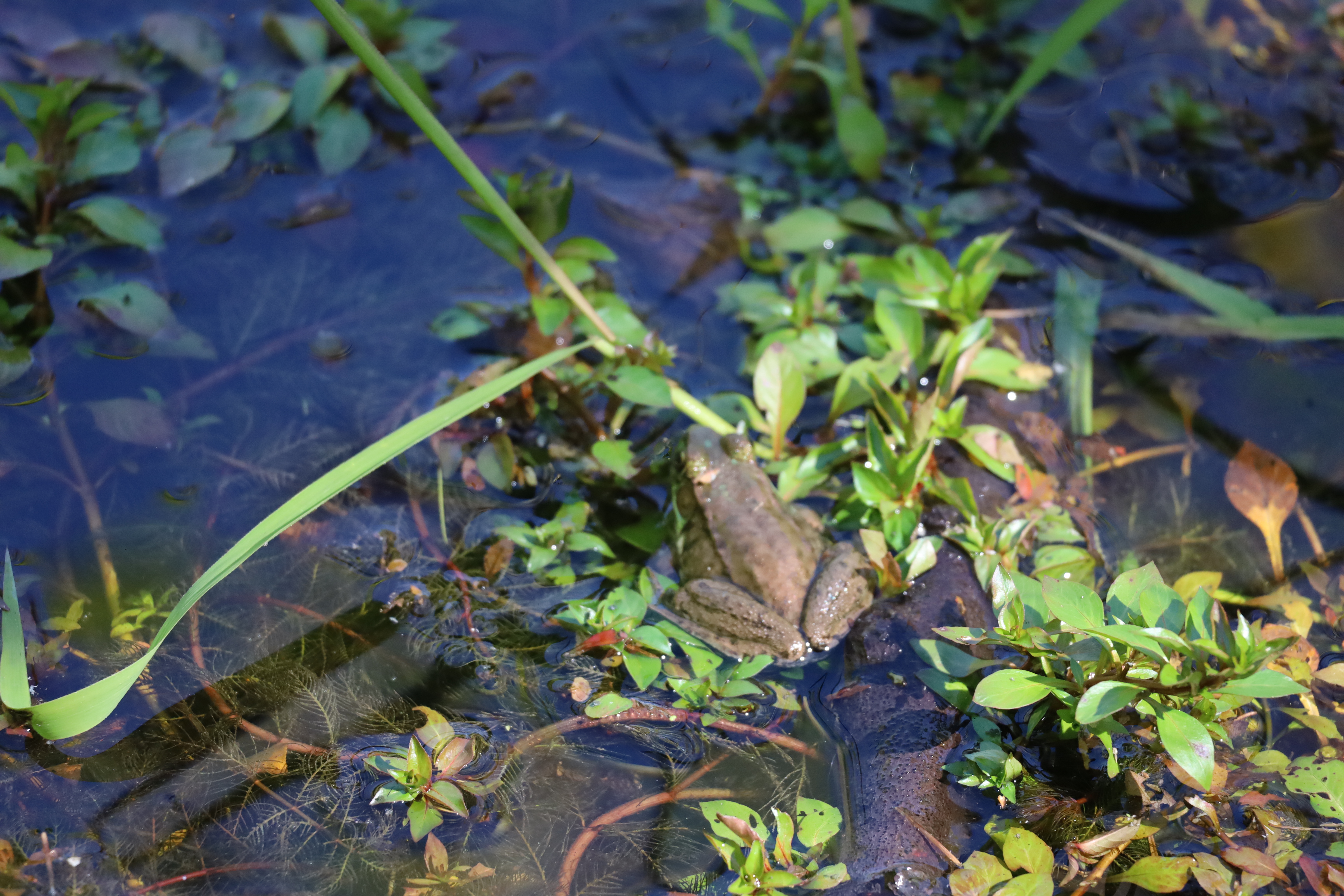
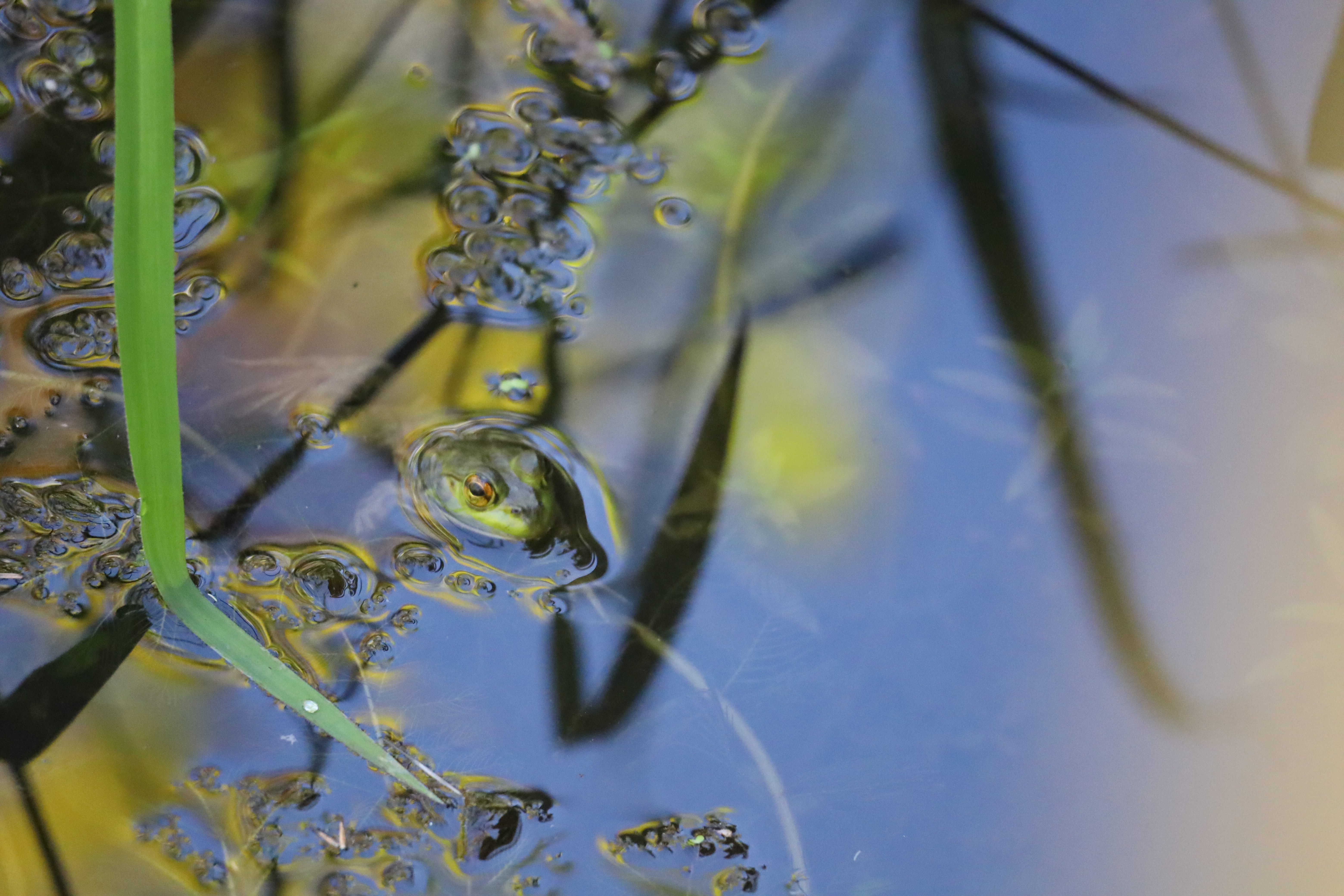
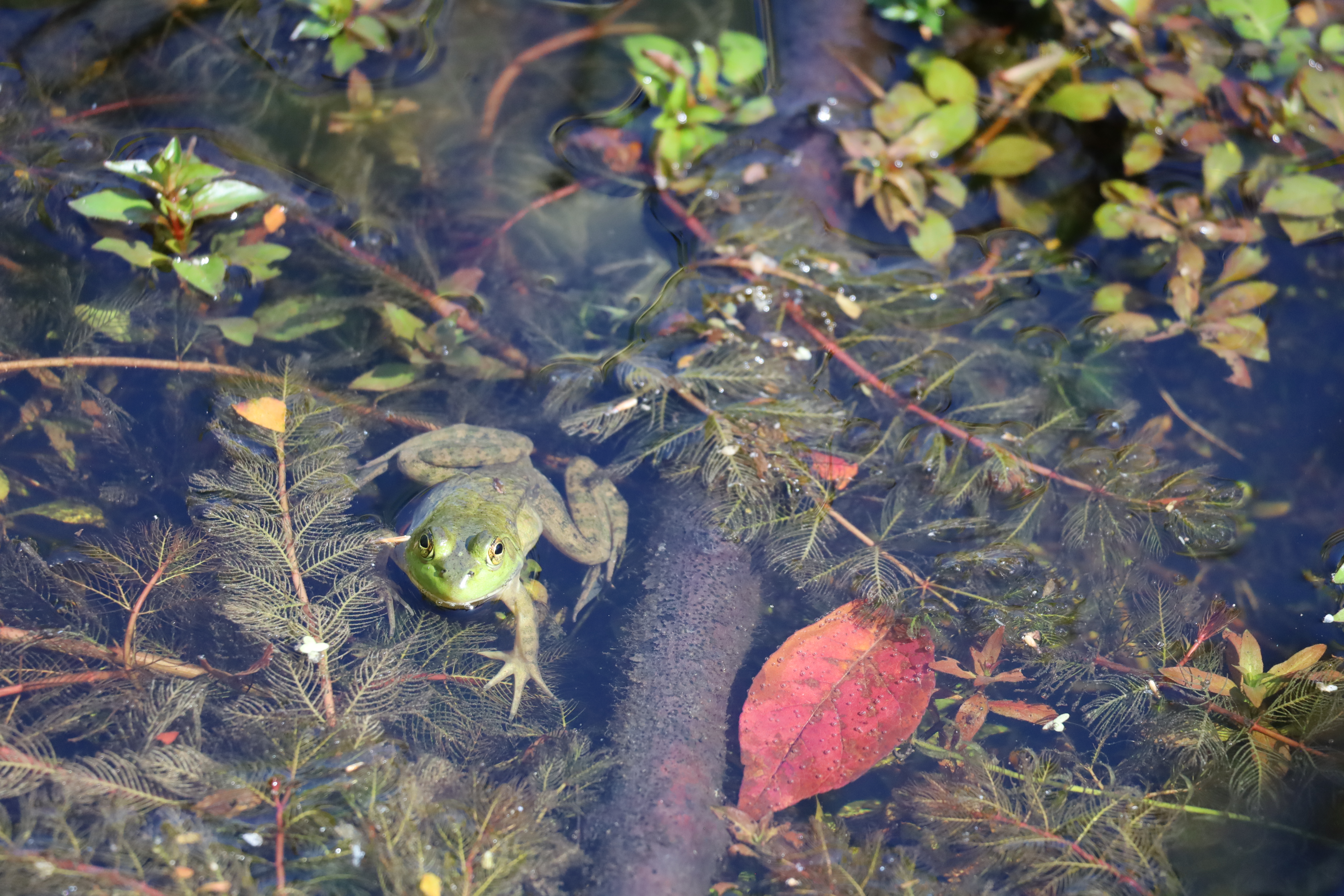
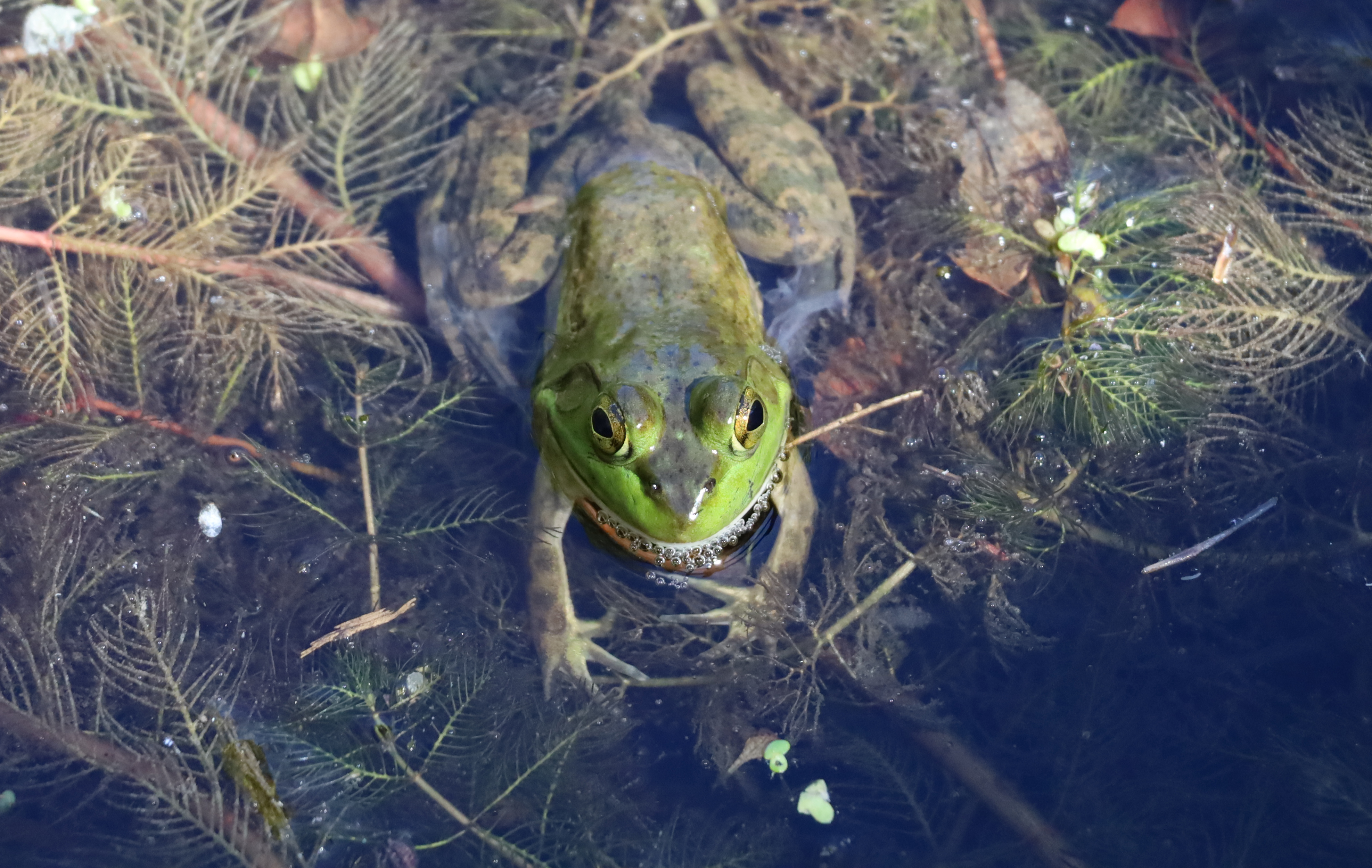
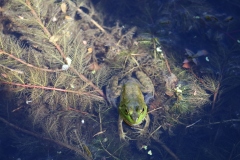
I’d also like to learn more about frogs. Years ago I took a picture of one sitting atop the ice on a frozen marsh in winter. On this walk, I saw this handsome fellow with his bubbly smile. I wonder: why the bubbles?
Anna Botsford Comstock is no help in this, but I do learn from her Handbook of Nature Study that:
- Their ears are the round gray spots next to their eyes. They’re visible on the frog in the picture.
- Frogs hibernate, burrowed into the mud of ponds. What made the one on ice appear in January remains a mystery. Reading the rest of that post makes me think it was an unseasonably warm spell, because the birds also were behaving as if it was spring. The frog may have been doing the same thing.
- They are a favorite food of herons. This I knew already.
- They can cover ground much more quickly than toads due to their muscular, developed hind legs, but water is their home environment.
- Frogs have a chameleon power to change to the color of their surroundings. This reminded me of one that I found on my kitchen counter shortly after my husband and I moved in. At that time the counter was dark green — in keeping with the original ’70s vintage of the kitchen! — and the frog sat motionless on it, identical in color, next to the sink. I was sure it was a prank, a plastic frog placed there by my husband, but in fact it was a real frog. I have no idea how it got there, other than perhaps it came through the drain. It’s the one and only indoor frog I’ve ever seen. I moved it out to the front step and later in the day it was still there but had changed to gray.
So much for my brief investigation of Comstock’s comments on frogs. Now on to the pictures.
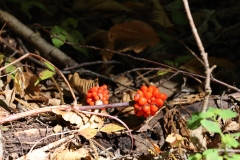
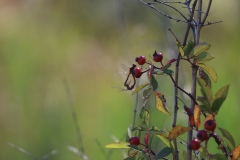
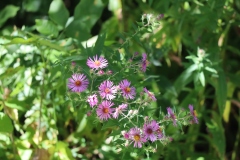
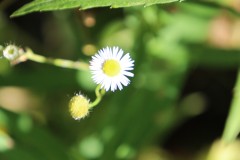
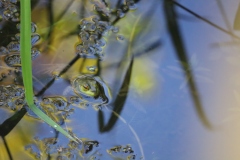
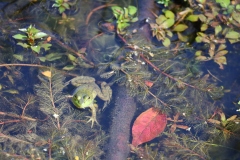
-
Field Notes: Great Blue Heron
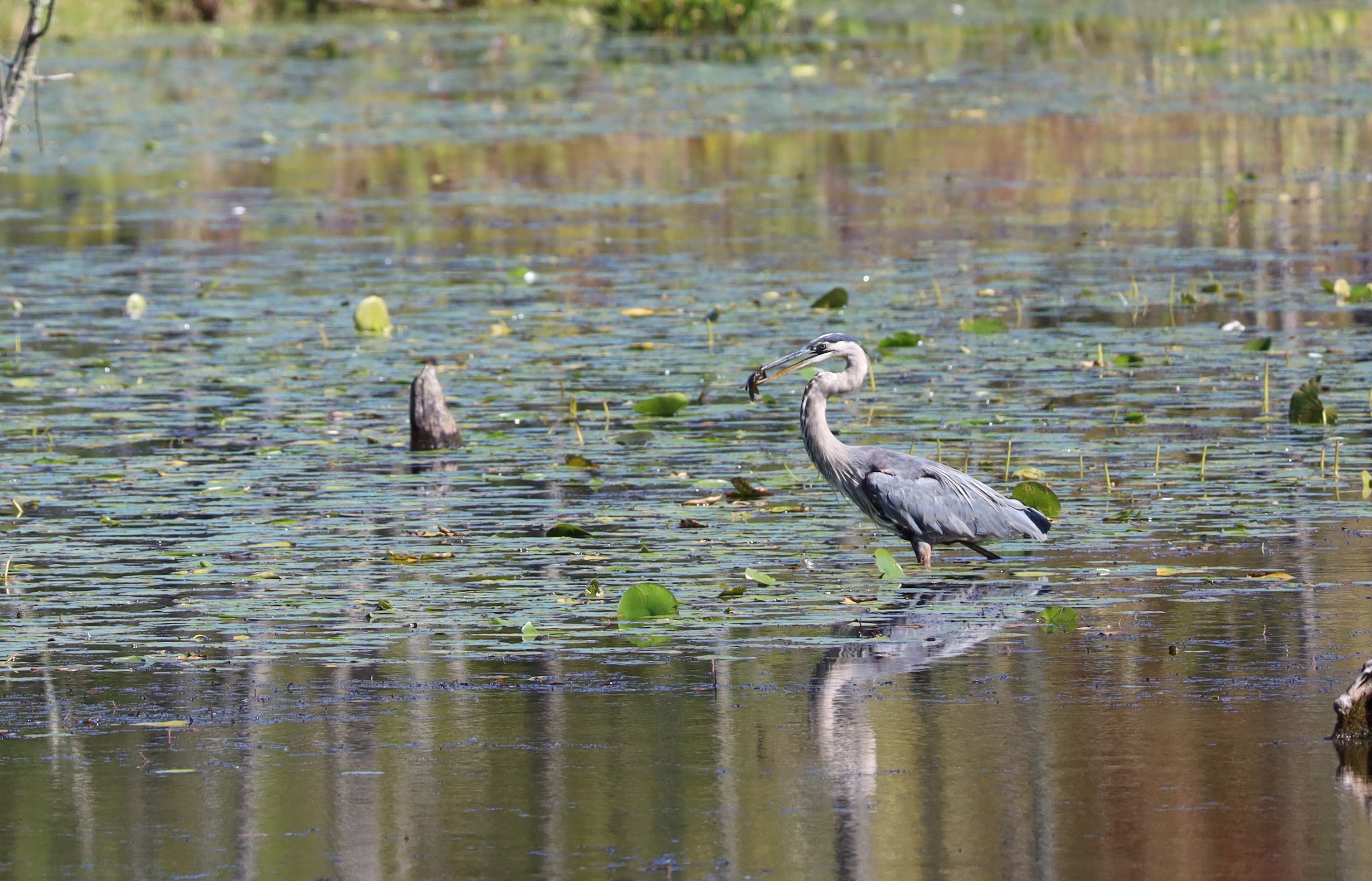
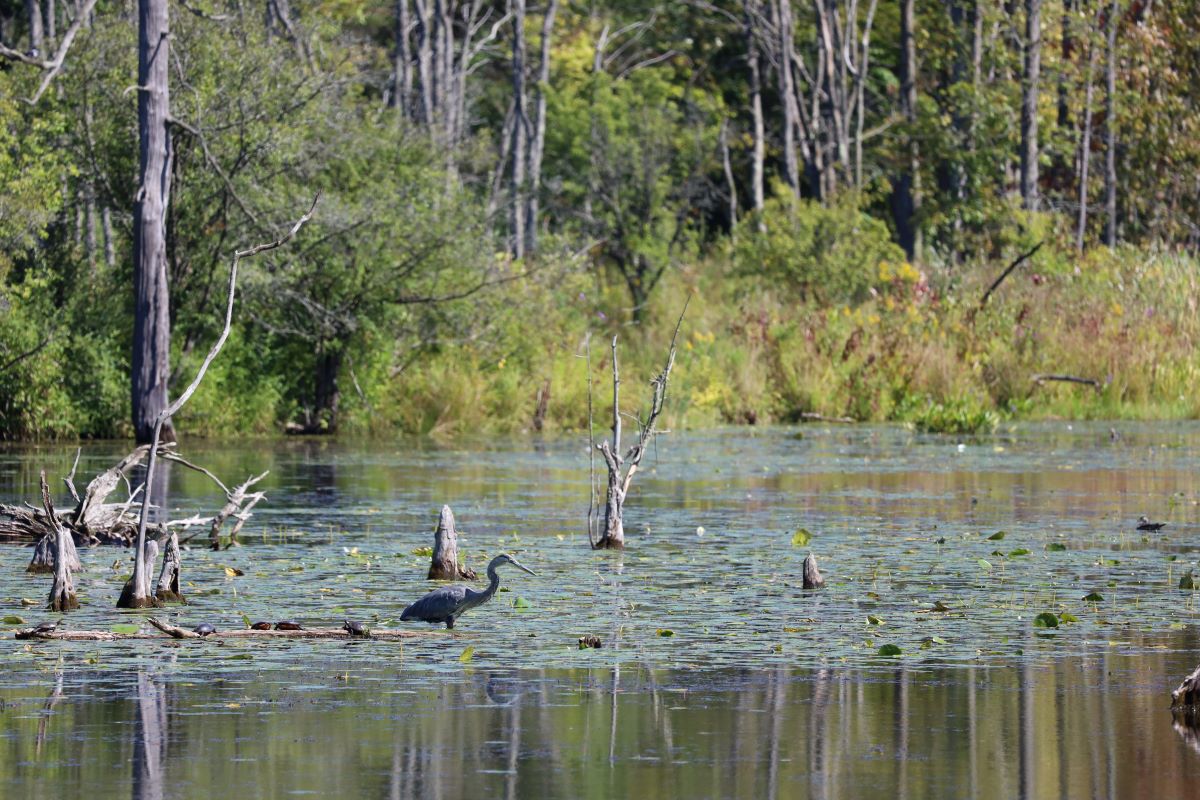
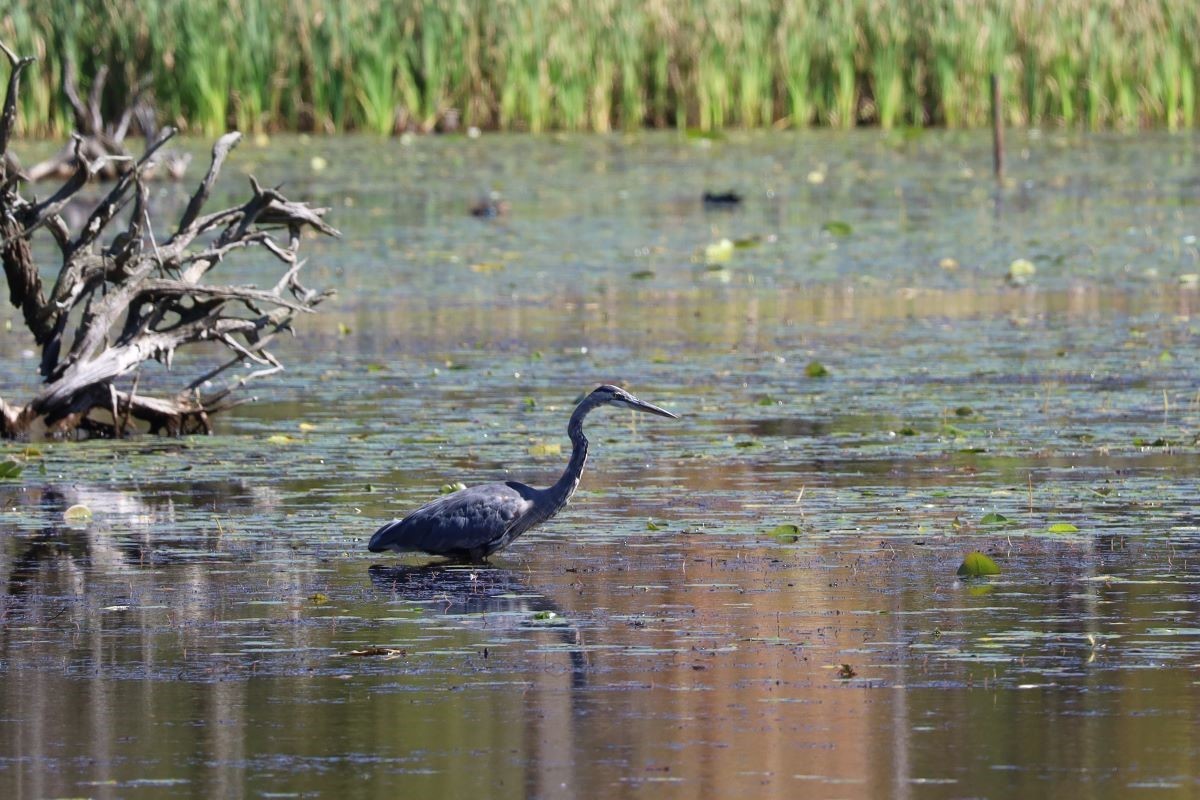
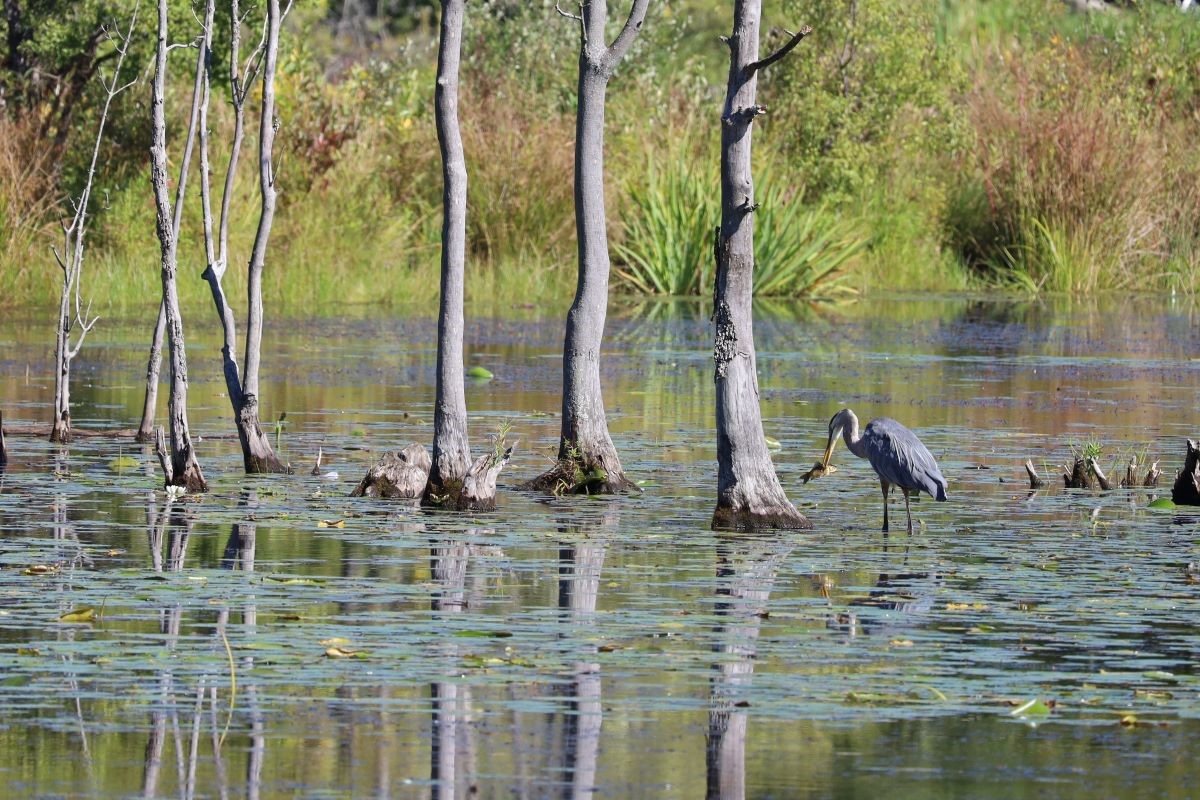
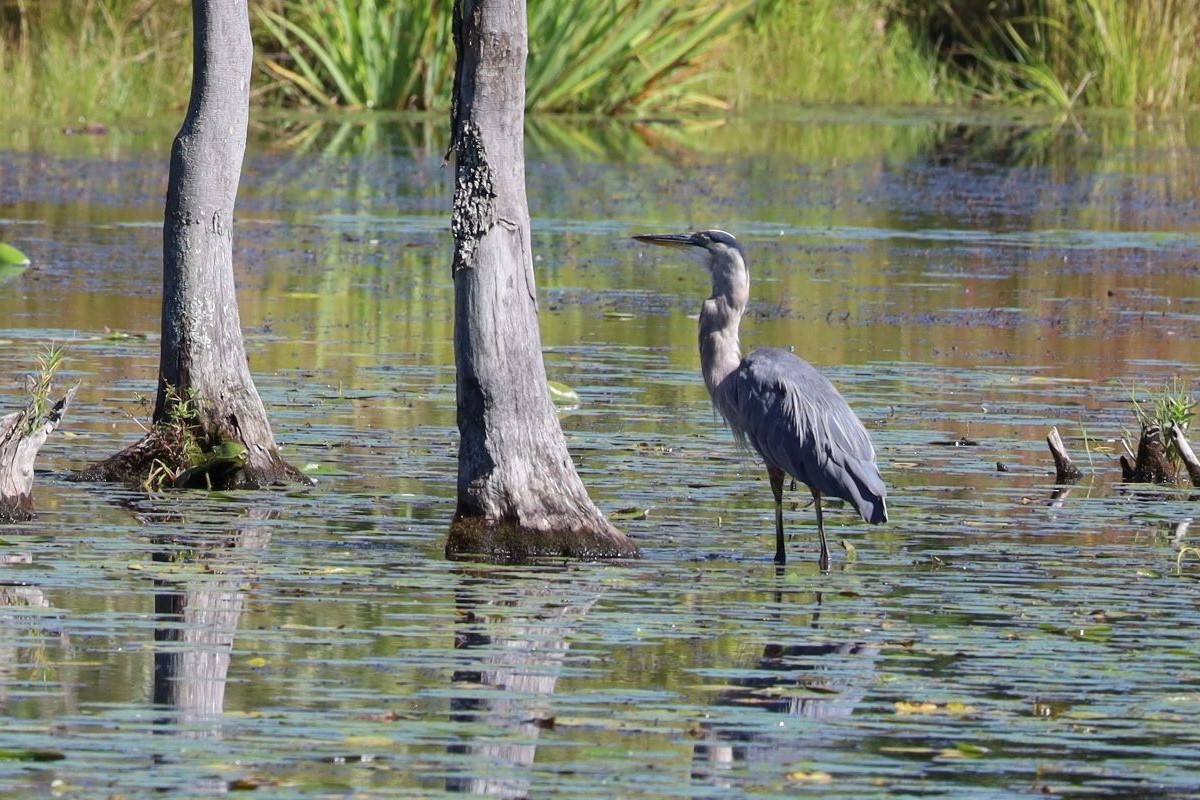
There were lots of sights at Sapsucker Woods this week when my daughter and I went for our first walk there in two years: interesting plants, frogs, fungi, berries, and damselflies performing strange feats. But the great blue heron stalking its prey in the pond stole the show.
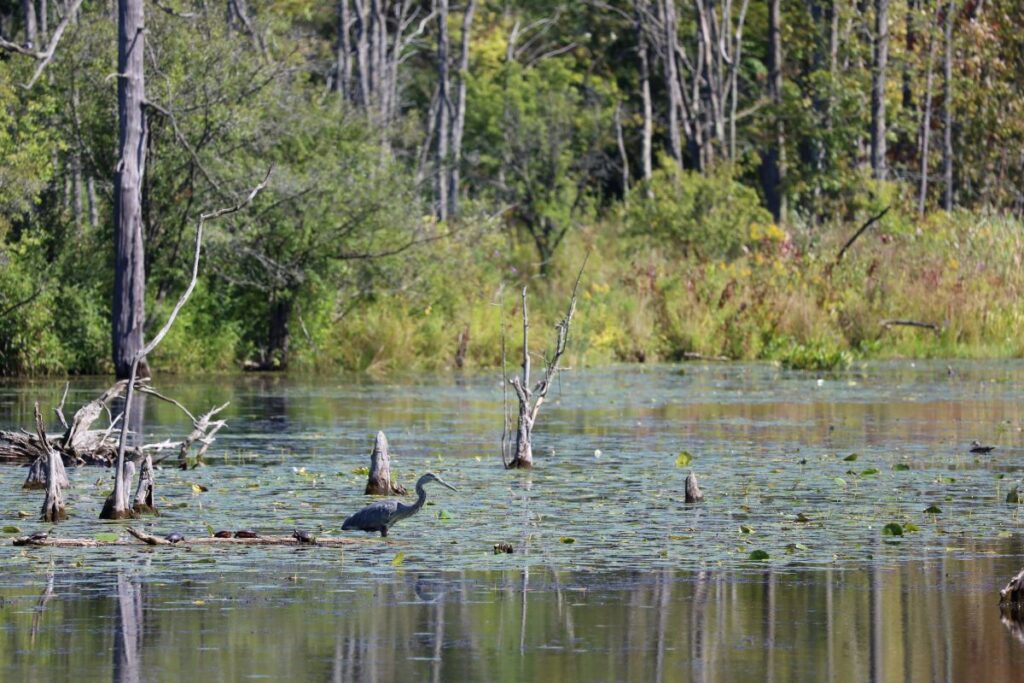
Hunting heron, with 5 box turtles watching from a nearby log The Handbook of Nature Study doesn’t include a section on these birds, but Peter Rabbit, the narrator of The Burgess Bird Book, accurately notes that “Plunger [the osprey] hunts for his fish while Longlegs waits for his fish to come to him.” (Links to books are Amazon Associate links.) Peter gives a wonderfully exact description of Longlegs’s appearance, then notes his behavior:
Longlegs waded into the water a few steps, folded his neck back on his shoulders until his long bill seemed to rest on his breast, and then remained as motionless as if there were no life in him. . . By and by [Peter] began to wonder if Longlegs had gone to sleep. His own patience was reaching an end and he was just about to go on in search of Rattles the Kingfisher when like a flash the dagger-like bill of Longlegs shot out and down into the water. When he withdrew it Peter saw that Longlegs had caught a little fish which he at once proceeded to swallow head-first. Peter almost laughed right out as he watched the funny efforts of Longlegs to gulp that fish down his long throat.
We had a front row seat to this drama at Sapsucker Pond. The difference is that the fish was large, and it didn’t inspire laughter.
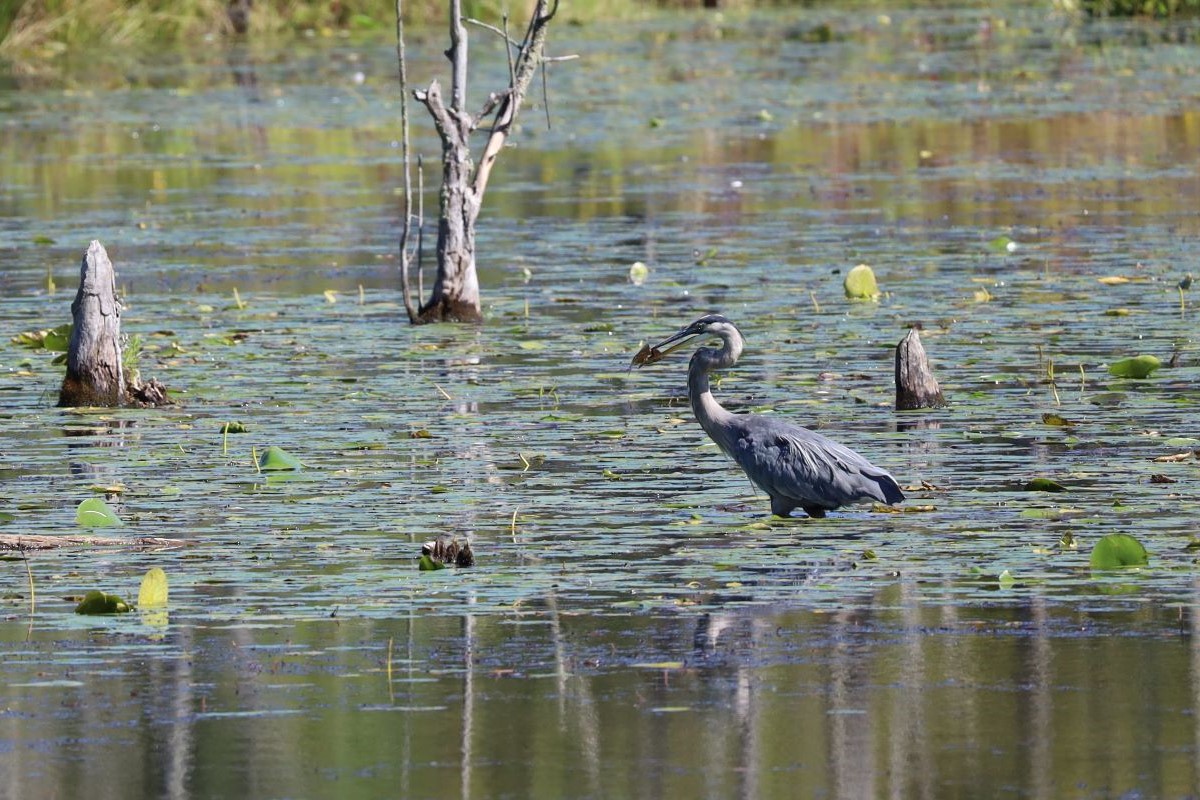
After a long wait, the heron caught a good-sized fish.
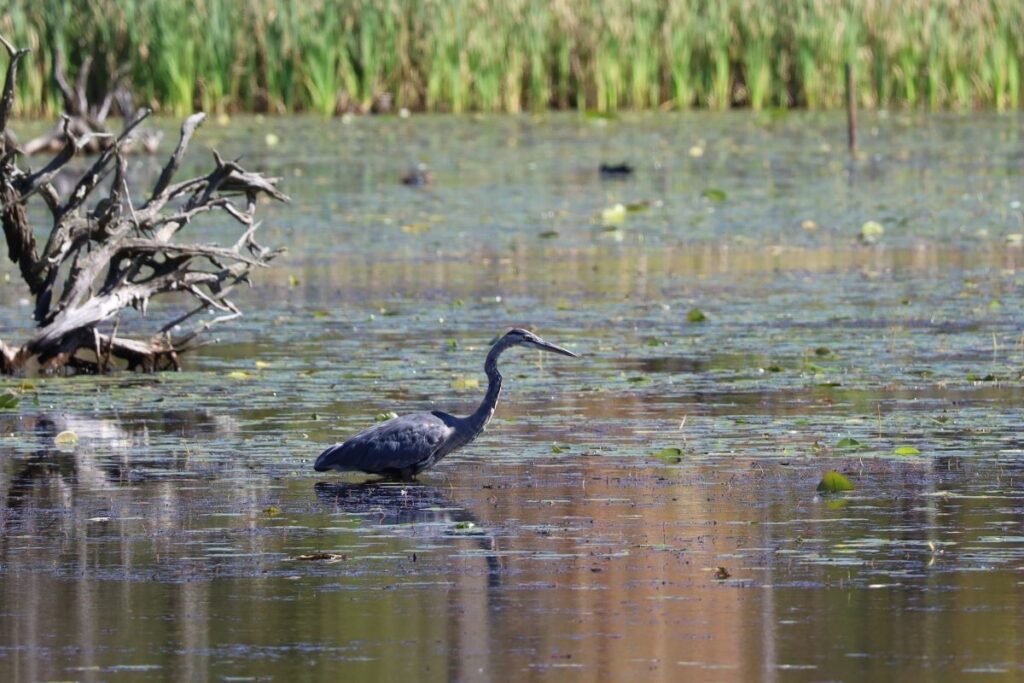
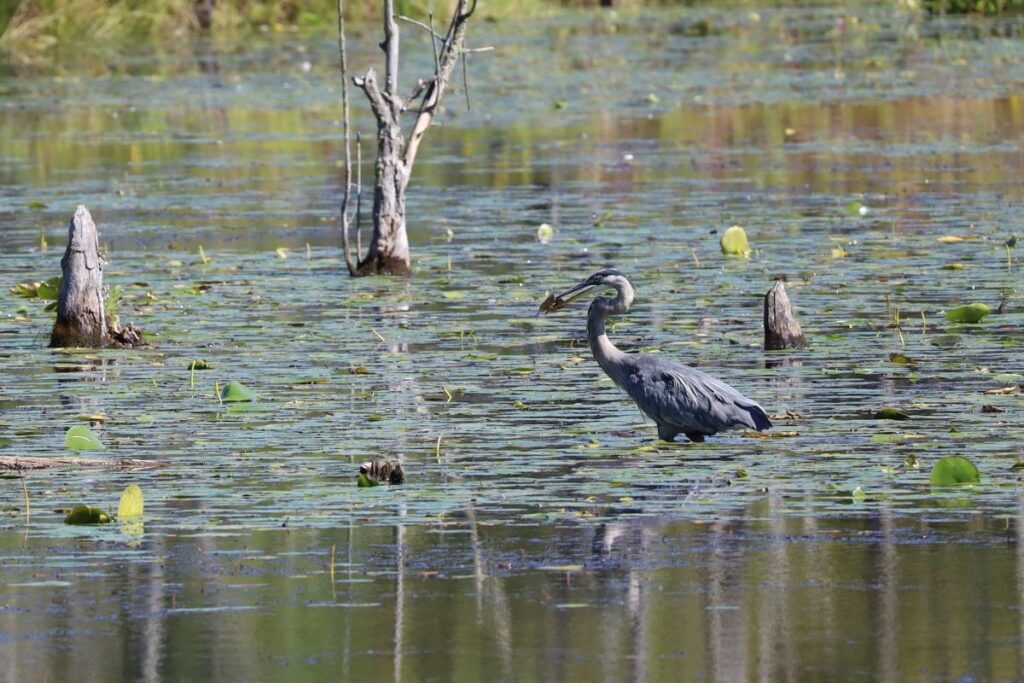
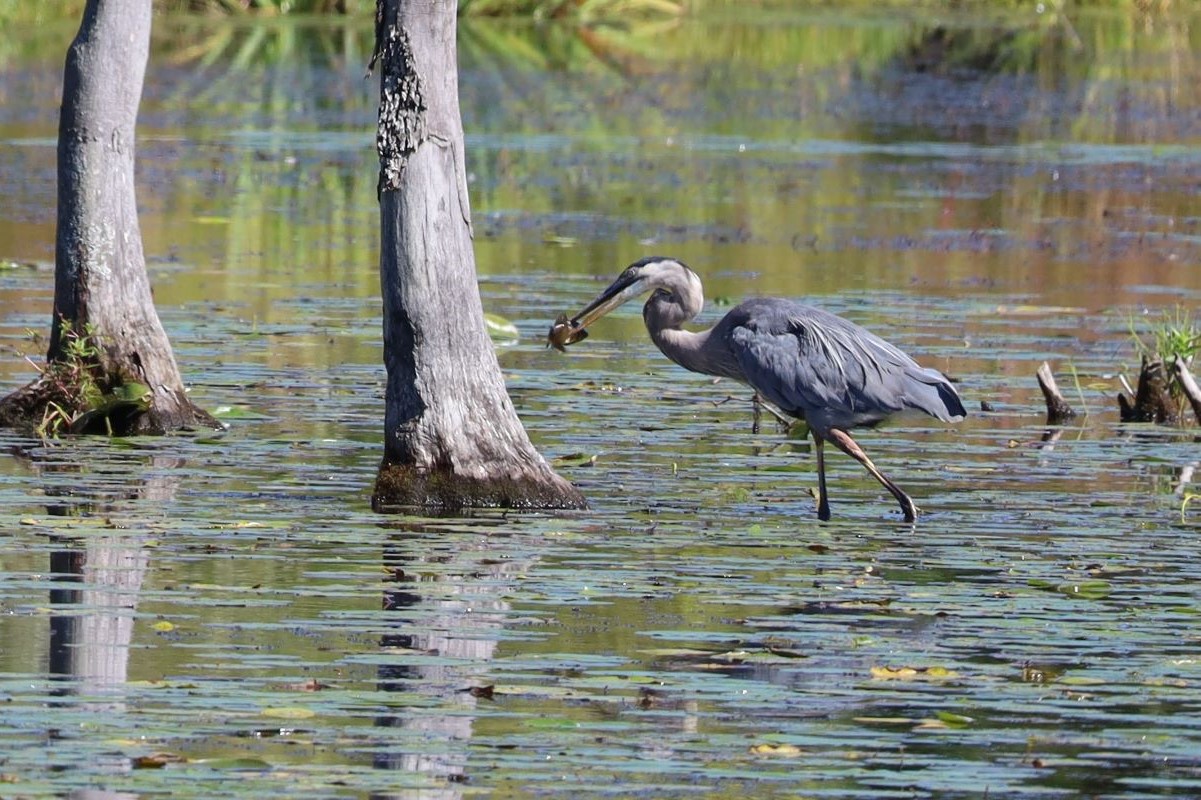
It immediately carried the fish to shallow water, seemingly aware that this would ensure an easier recovery if the fish flopped loose, walking slowly and deliberately so as not to drop its prey.
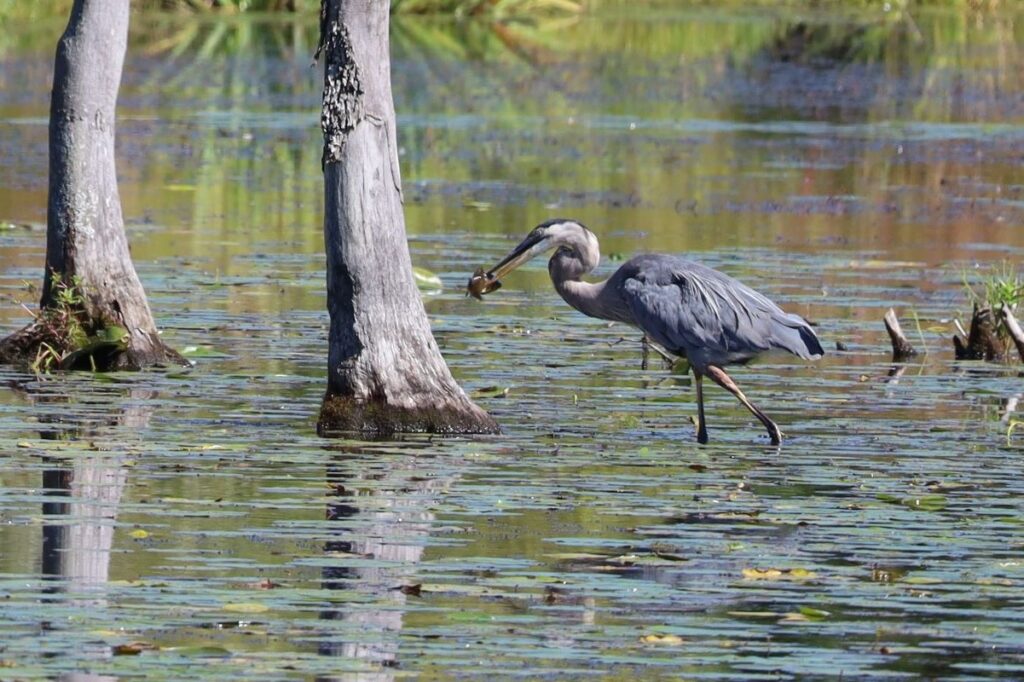
At the end, it reoriented the fish (now wriggling desperately) somehow, then tipped its head up and swallowed it.
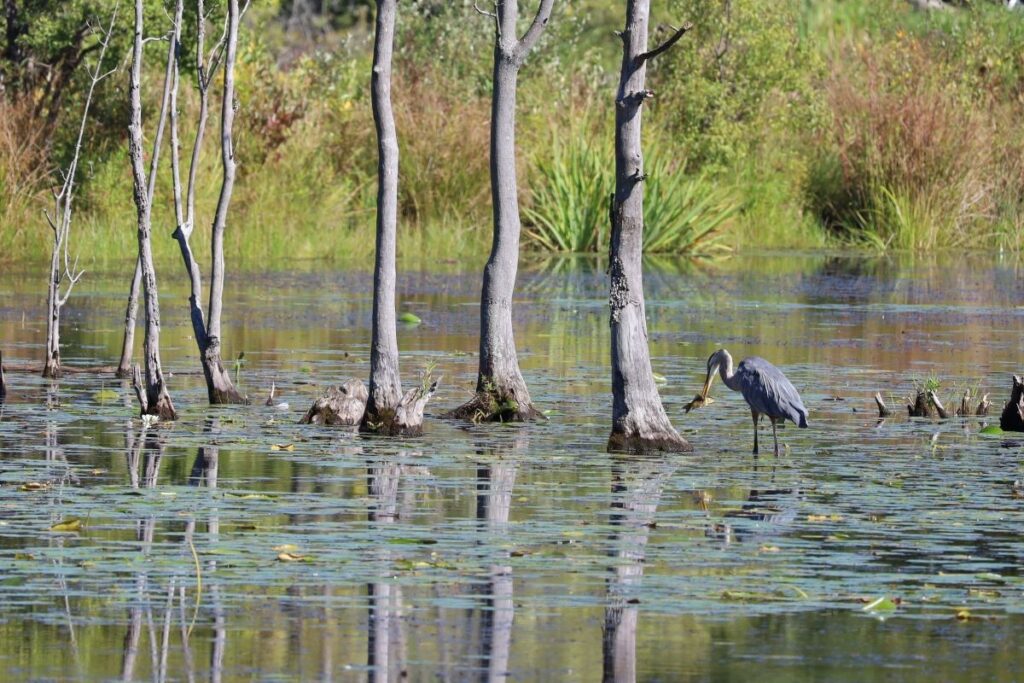
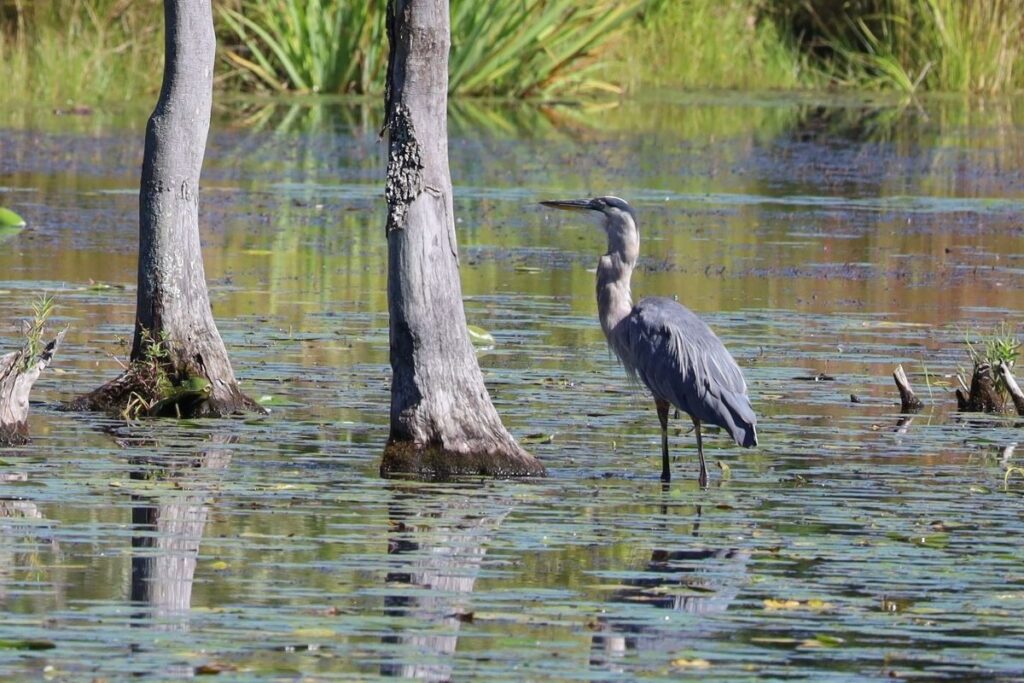
It concluded the process with a few gulps of water, dipping down for a mouthful and then pointing its beak to the sky.
It’s a handsome, gawky, almost prehistoric looking bird, and I can’t begrudge it its need to eat, especially factoring in the great patience and deliberation it demonstrated. But it was hard to watch. It reminded me of my love-hate relationship with nature. I love the beauty, variety, endlessly interesting adaptations of our subjects. But I hate the cold-blooded predation.
Is there a value in seeing this?
What I think of is that it has the value of knowing about something real in animal existence, and human existence. Like the heron, we eat other living creatures. Unlike the heron, we can register the inherent violence, and this carries with it a greater responsibility to ensure a good quality of life for any living creatures we consume, and to minimize the cruelty of slaughter. For some, it means choosing a vegetarian or vegan diet.
In any case, the heron’s behavior meant more than a meal for the bird. It offered some food for thought to its human observers through an essential glimpse the natural world in operation.
-
Greenwood Park
-
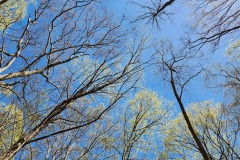
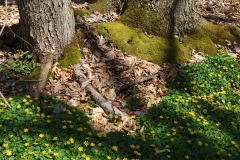
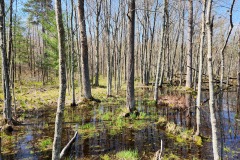
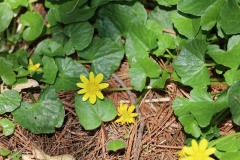
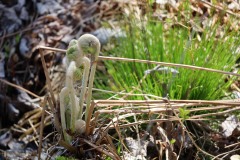
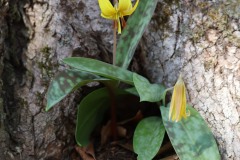
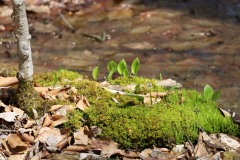
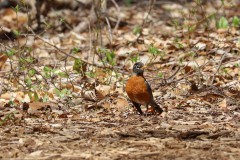
Sapsucker Spring
-
Preserve in fall
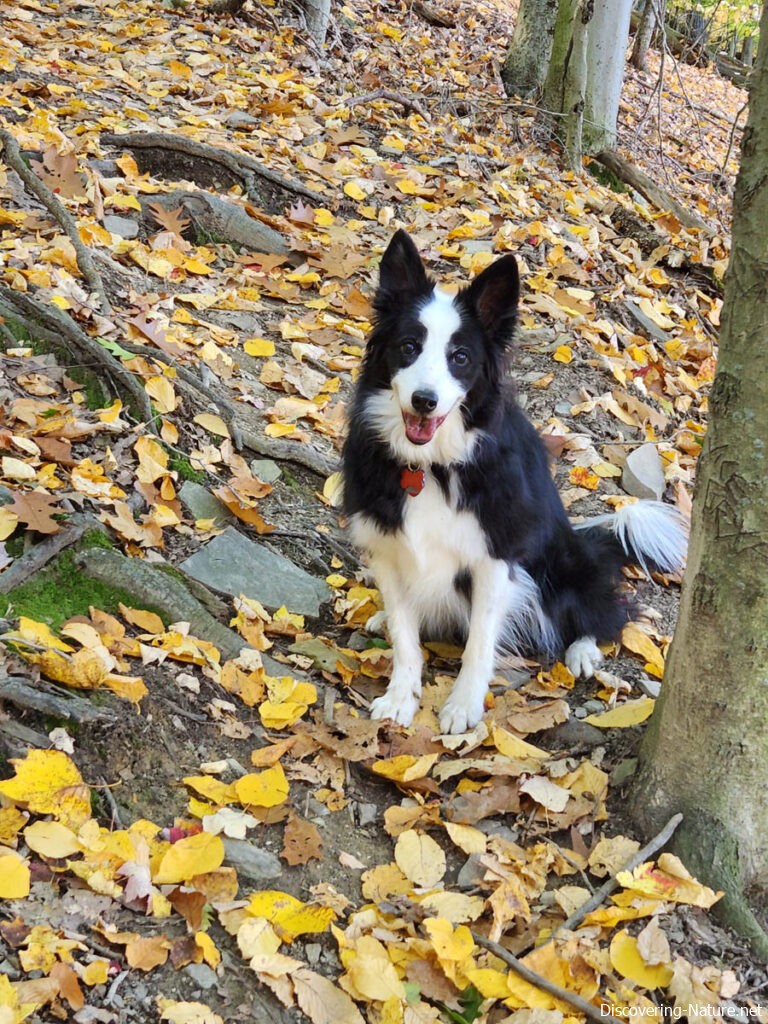
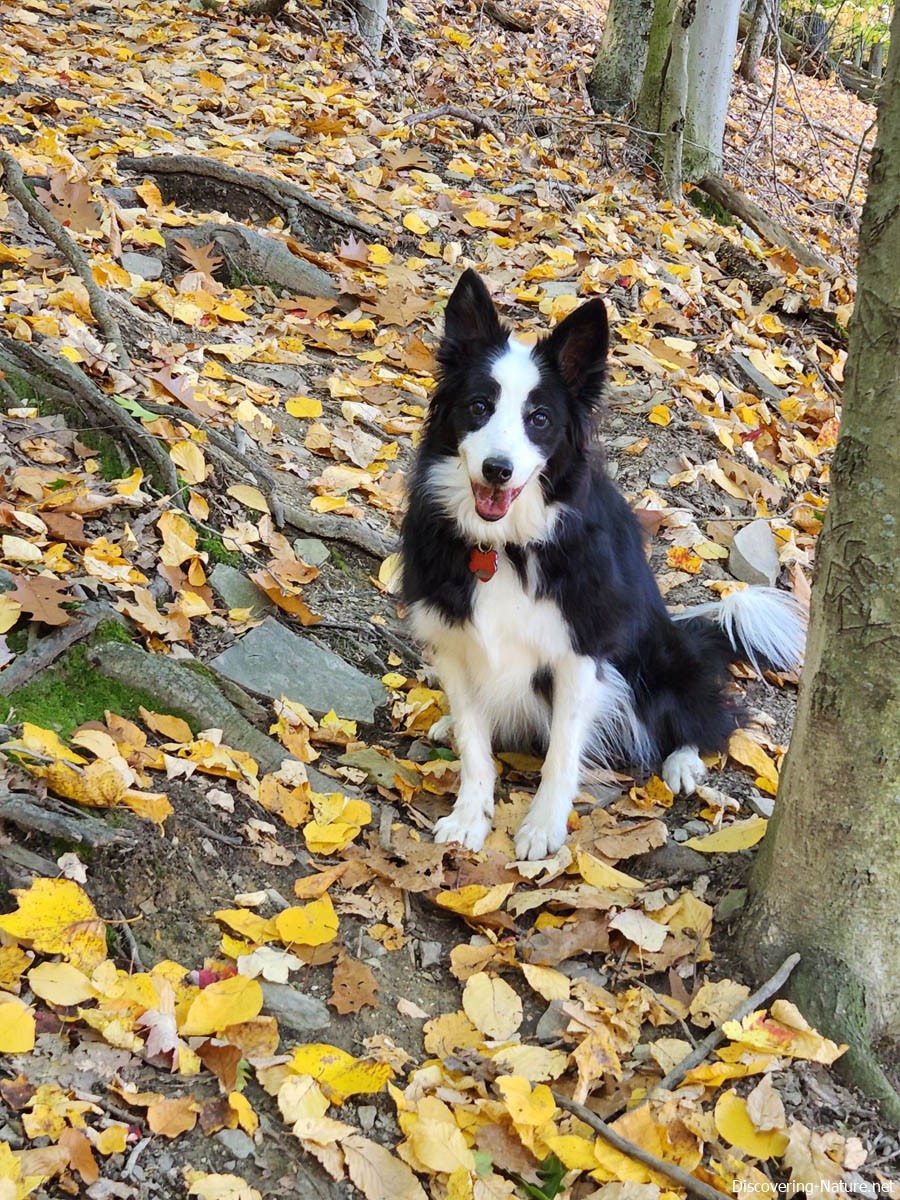
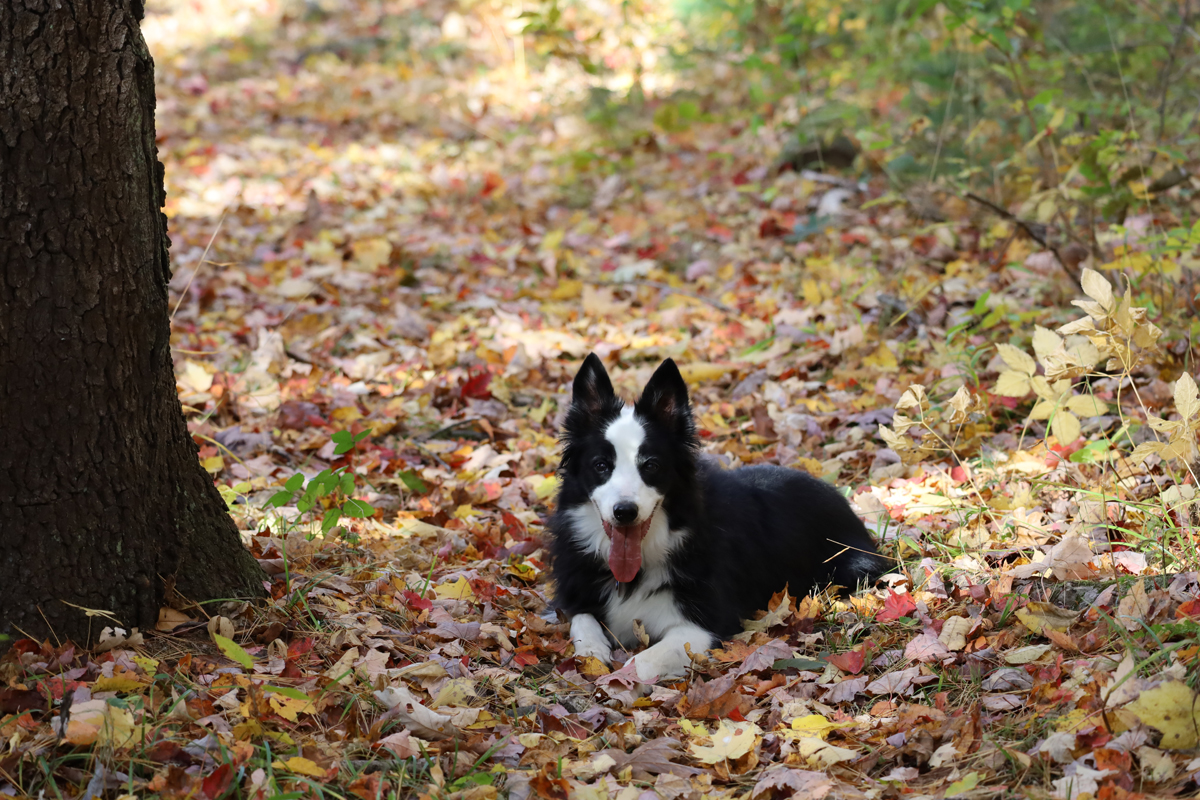
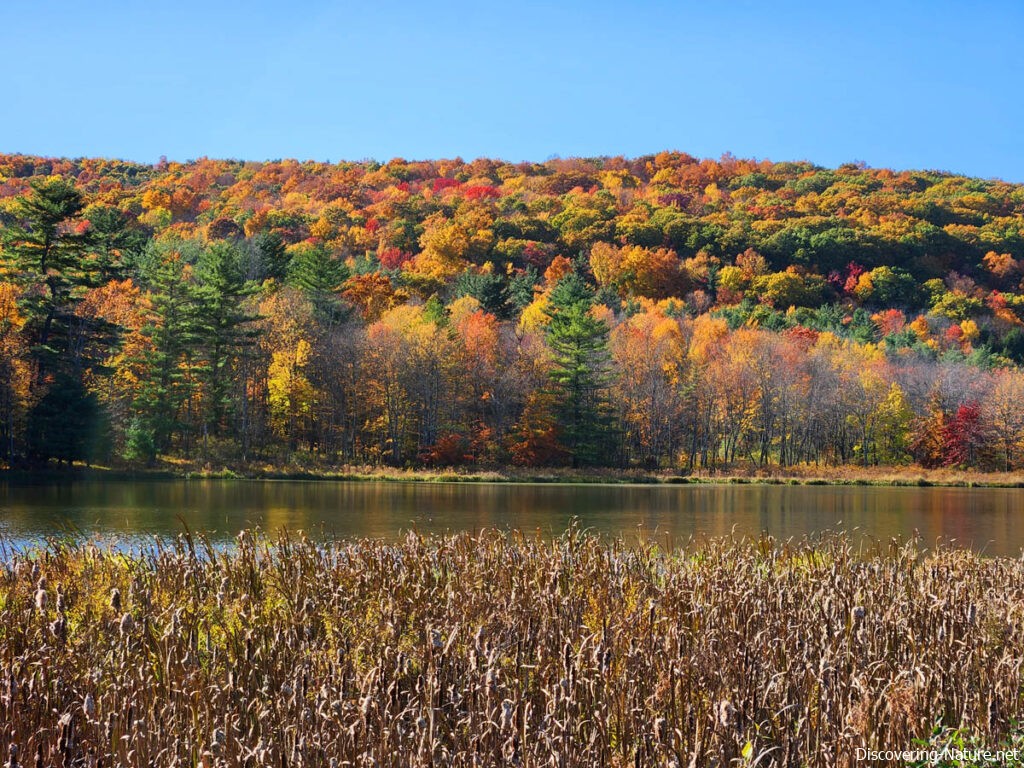
Bringing a dog along always heightens the enthusiasm level of a nature walk. But Lucy wasn’t the only one who enjoyed the great outdoors at the university nature preserve yesterday.
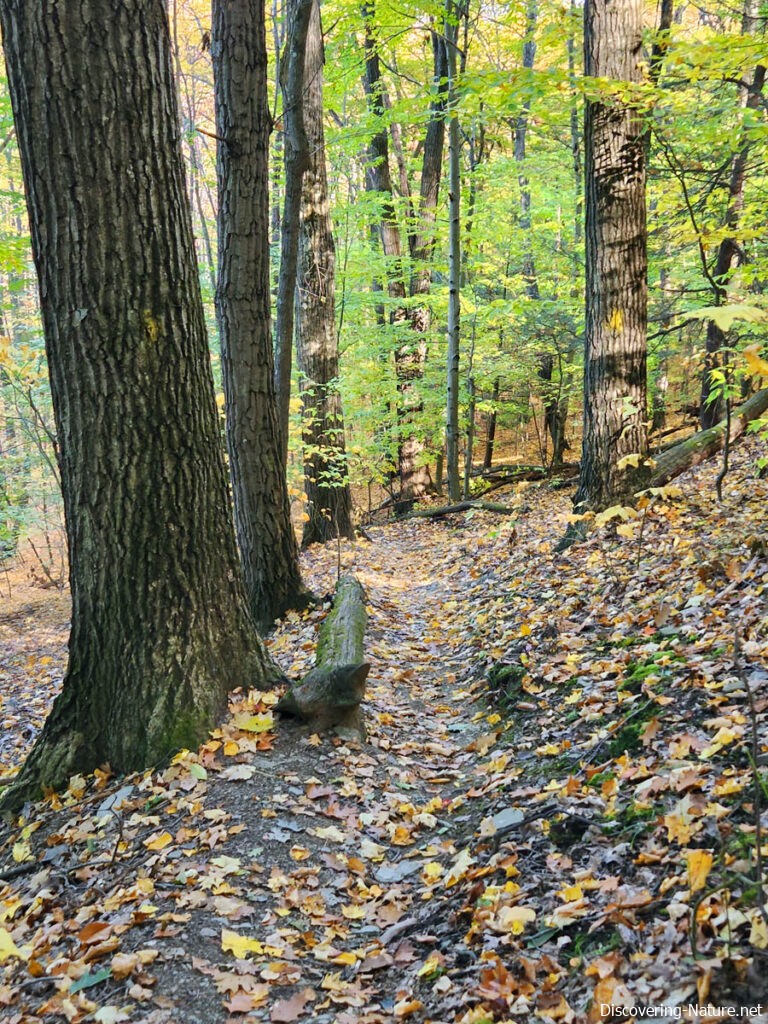
My daughter and I encountered numerous other explorers despite the college’s fall break — people like us, soaking in the color and warmth as winter looms not far around the corner.
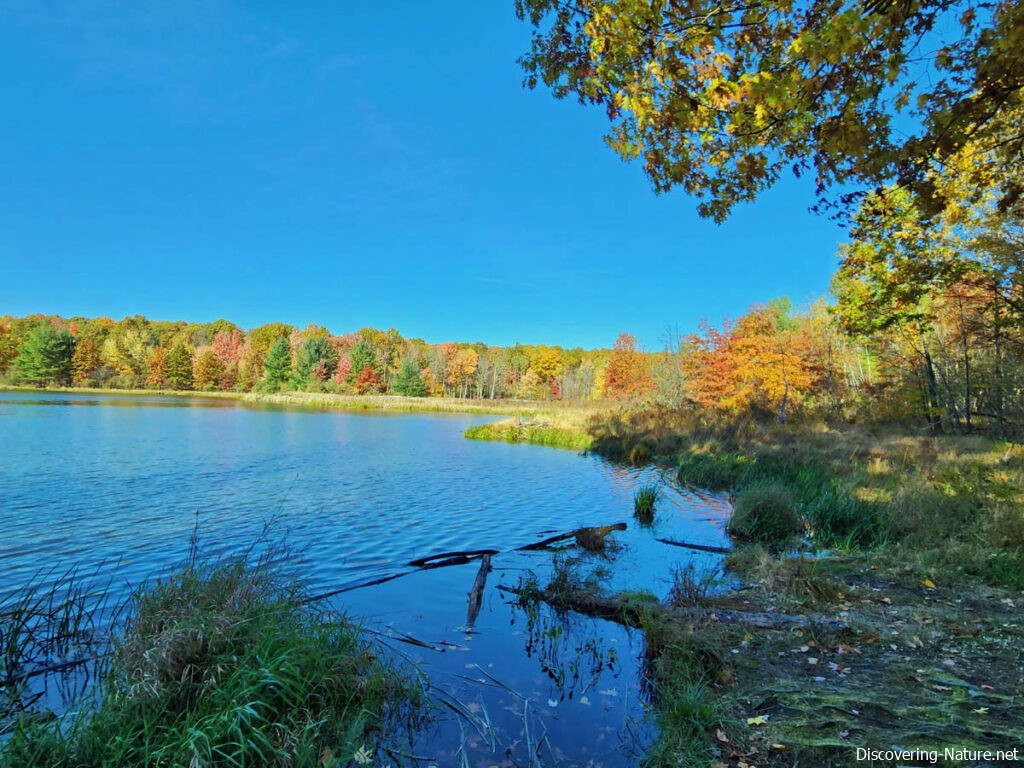
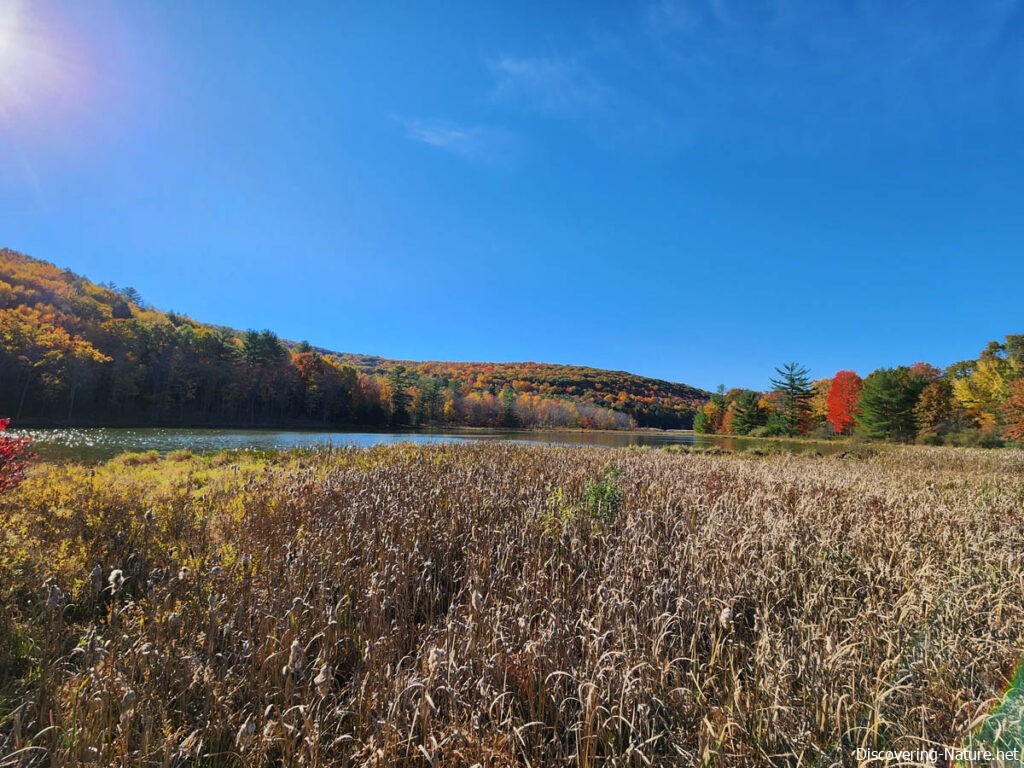
A light breeze rippled the water’s surface. Wood ducks and geese floated further off, out of the field of view, avoiding the paparazzi.
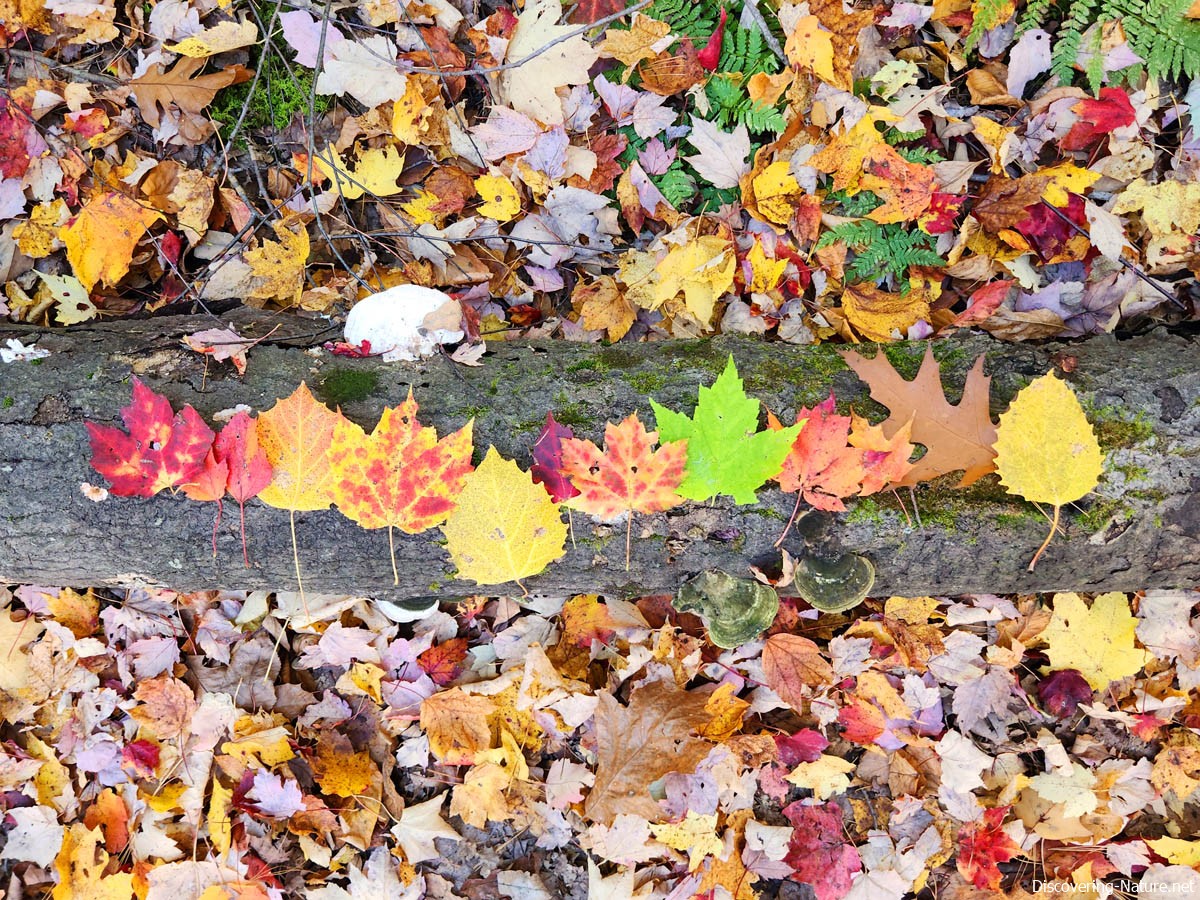
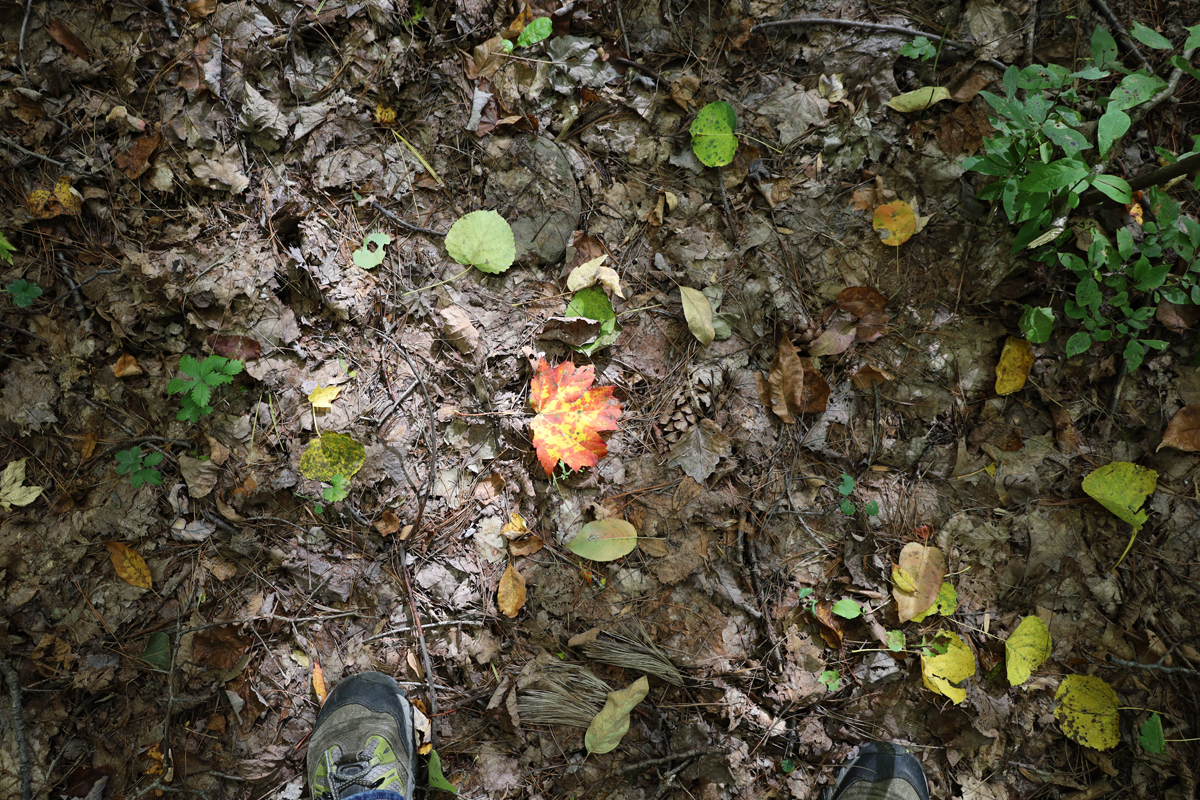
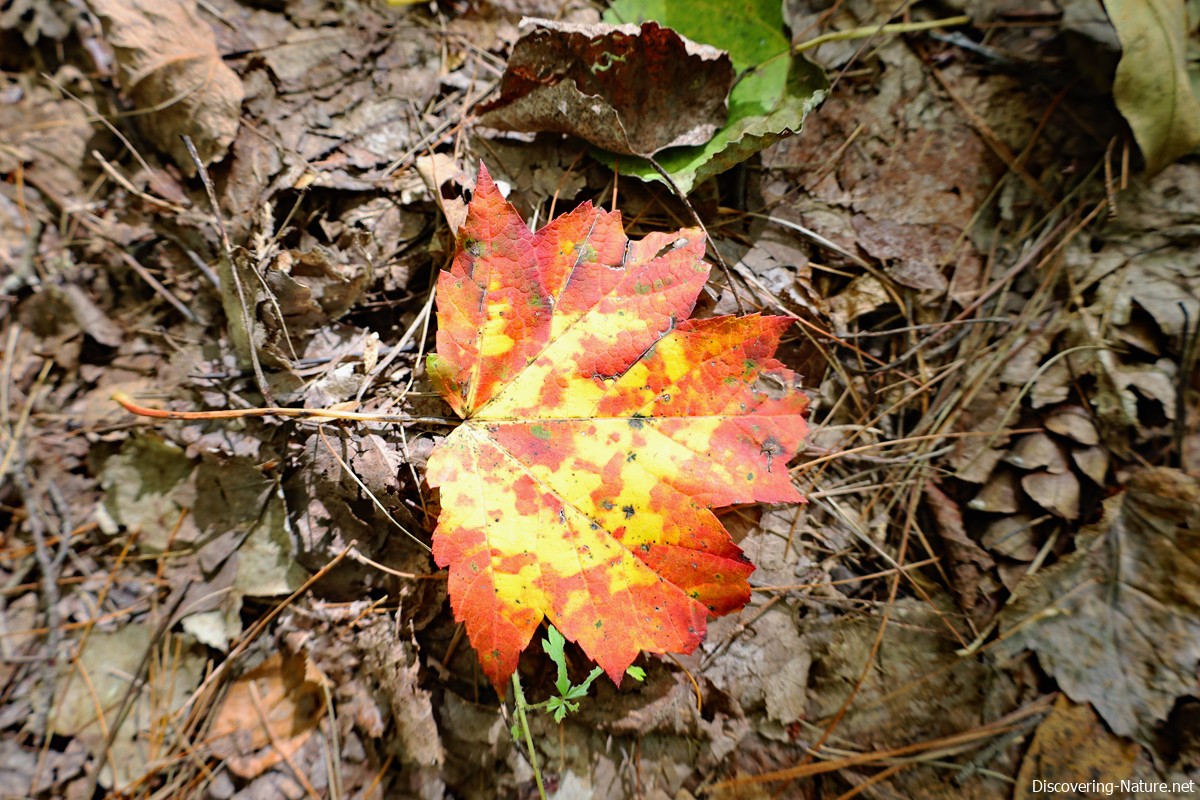
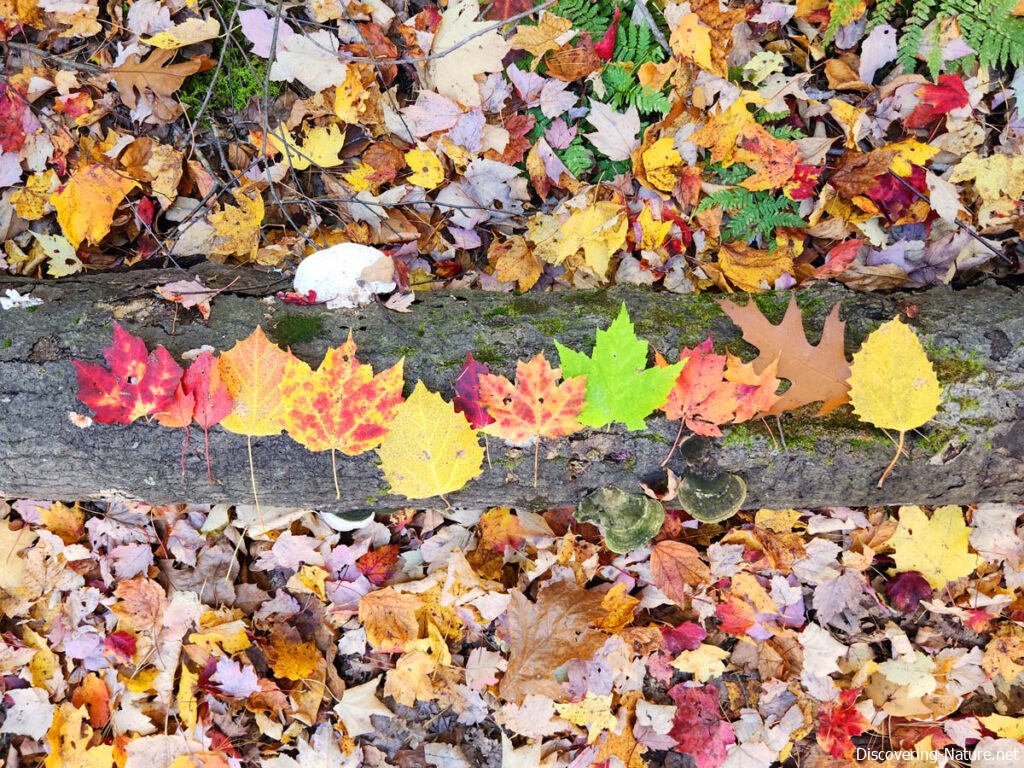
We often see little stacks of rocks, tree trunks with initials carved into them, and letter boxes or painted rocks in the woods. I decided to make my own little tribute with the leaves I couldn’t resist picking up, but didn’t have any purpose for if I took them home. Here they are, all lined up for their class picture.
-
Marsh Walk
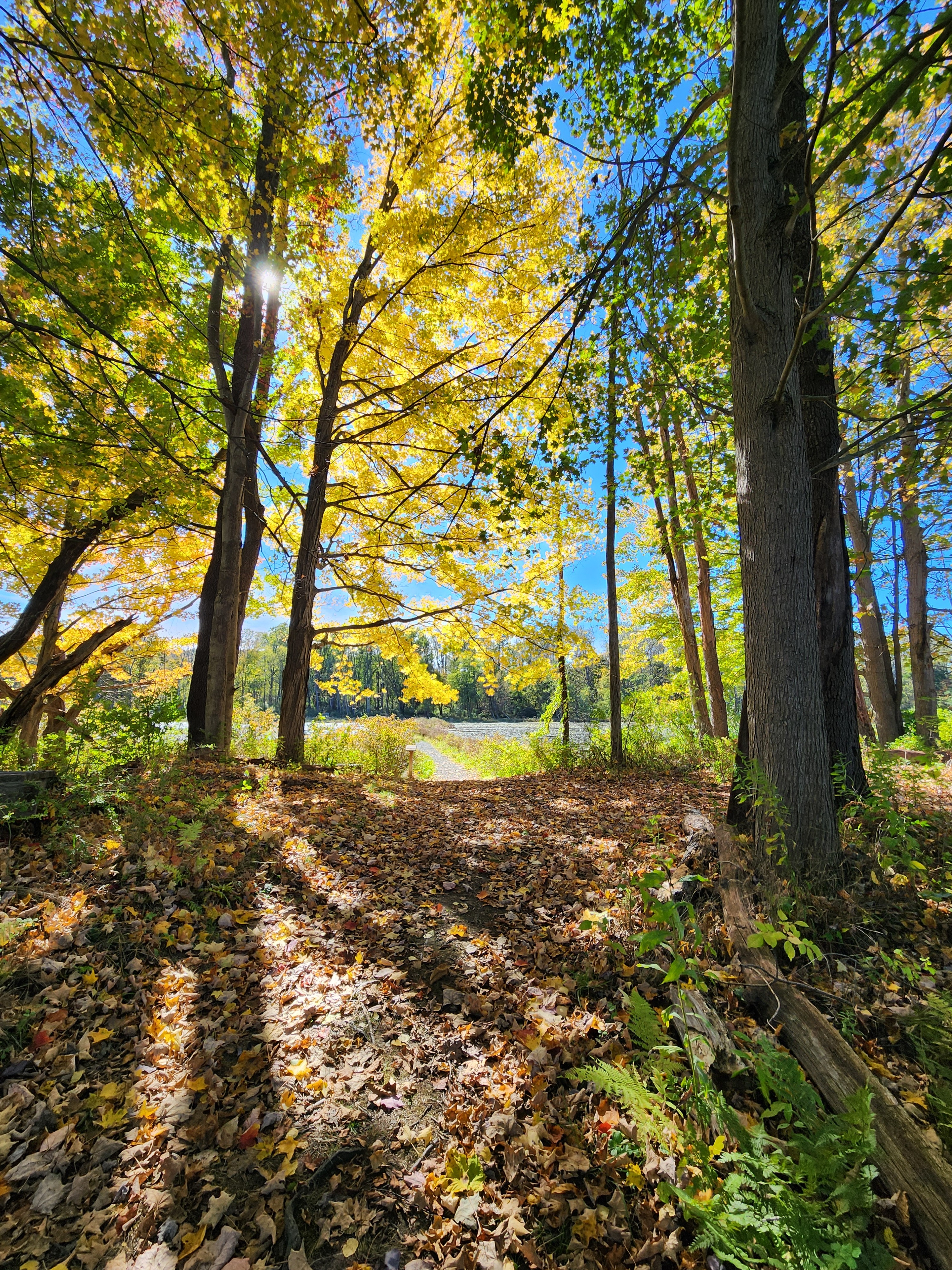
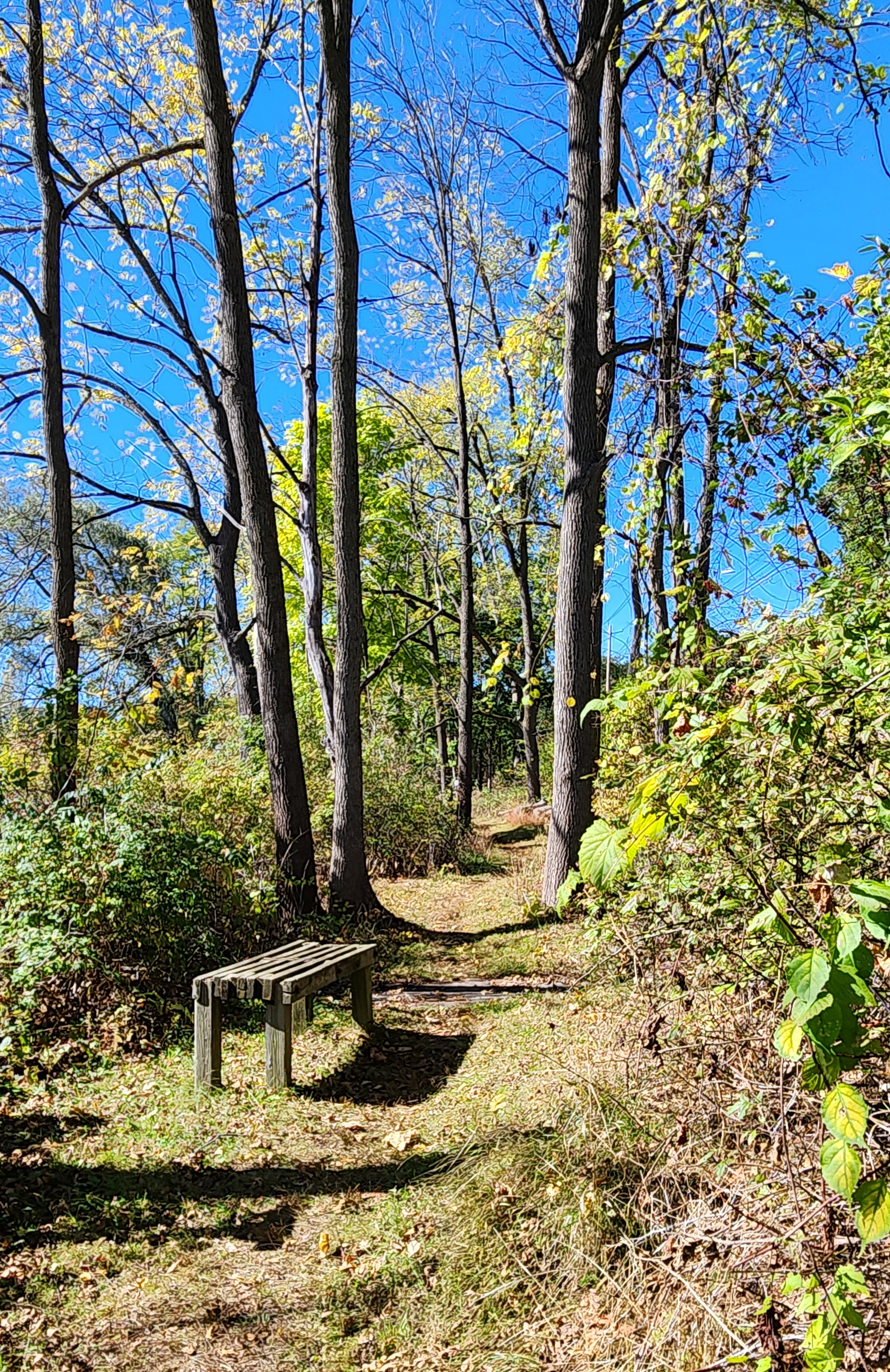
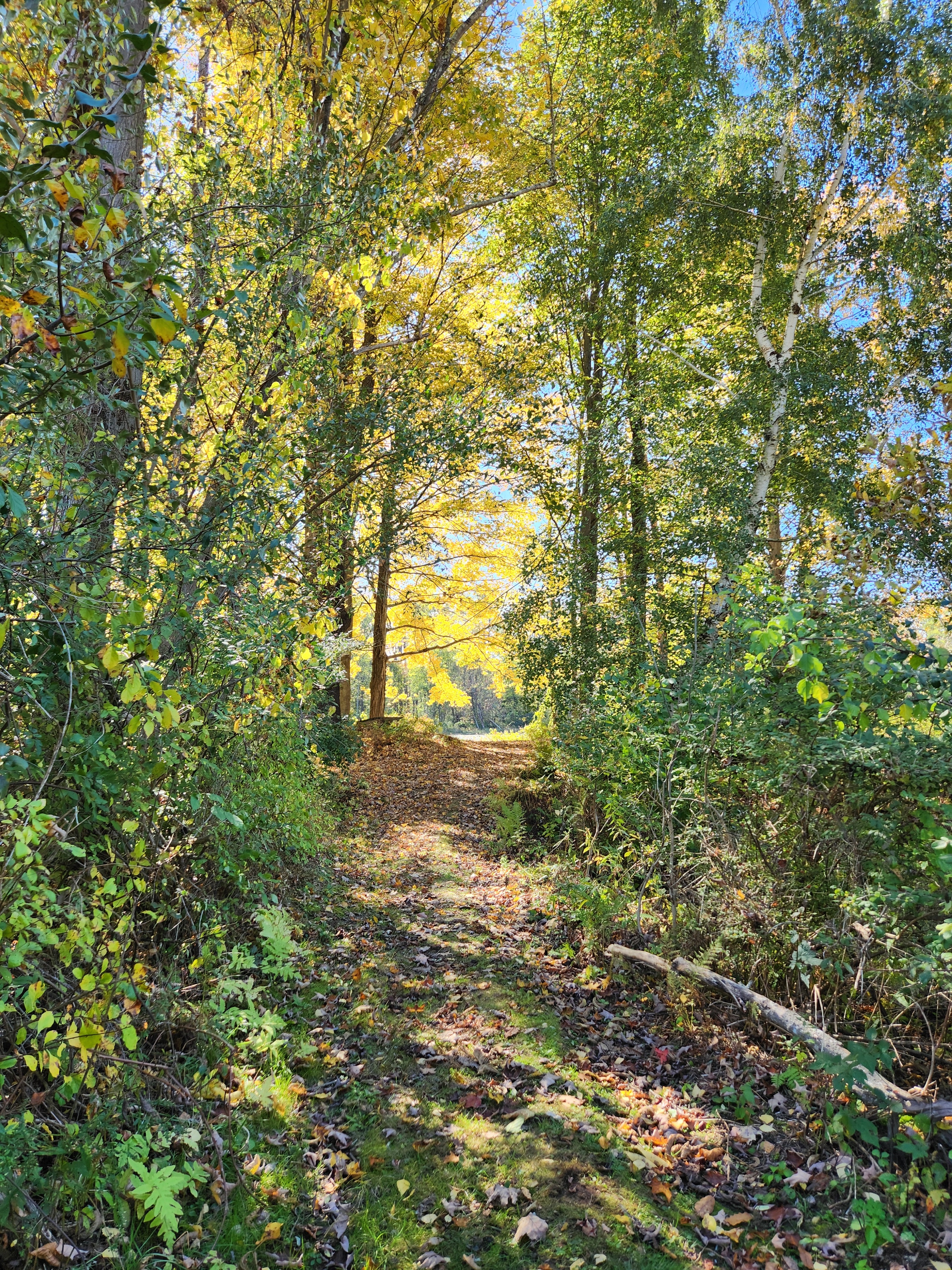
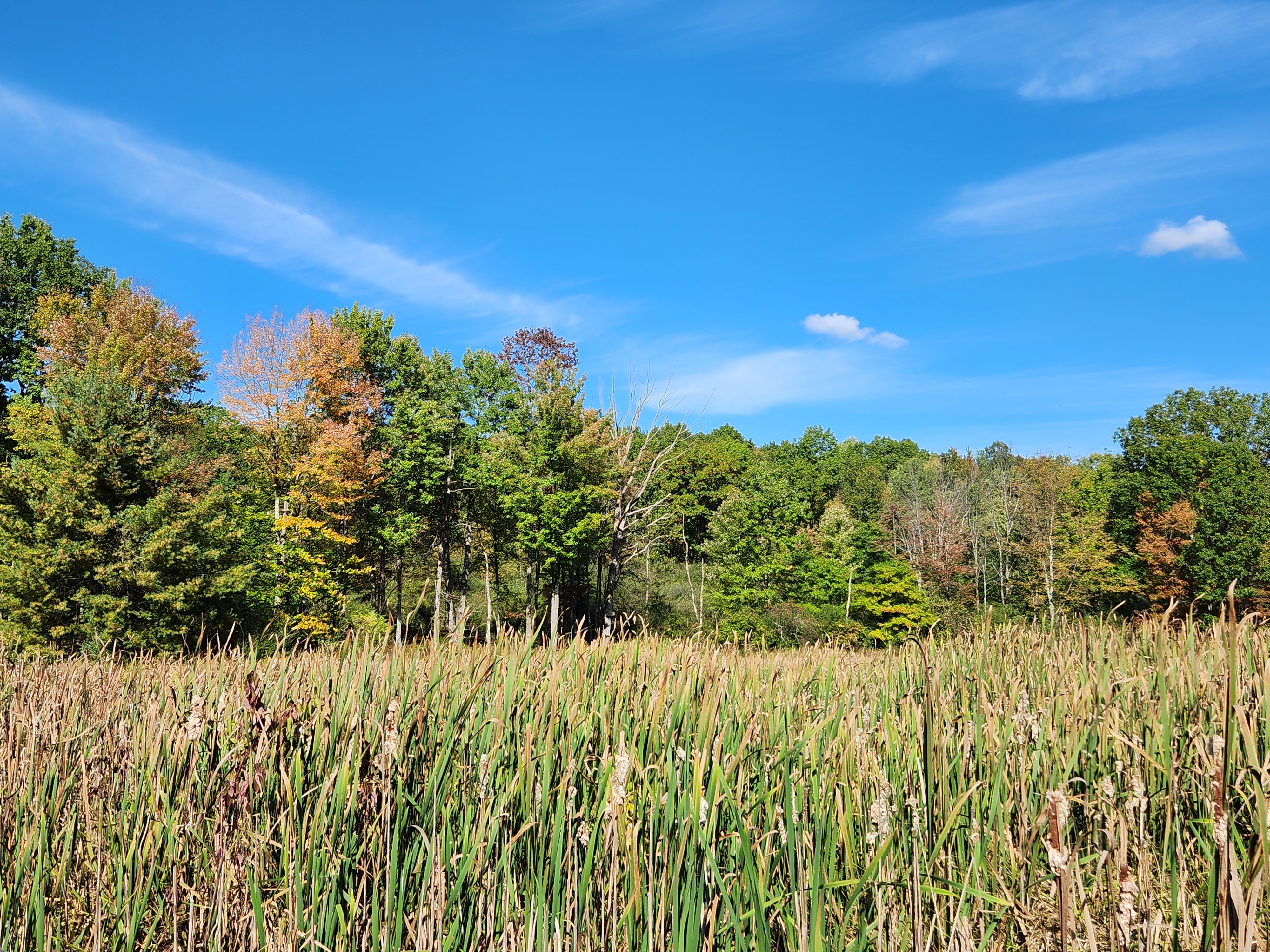
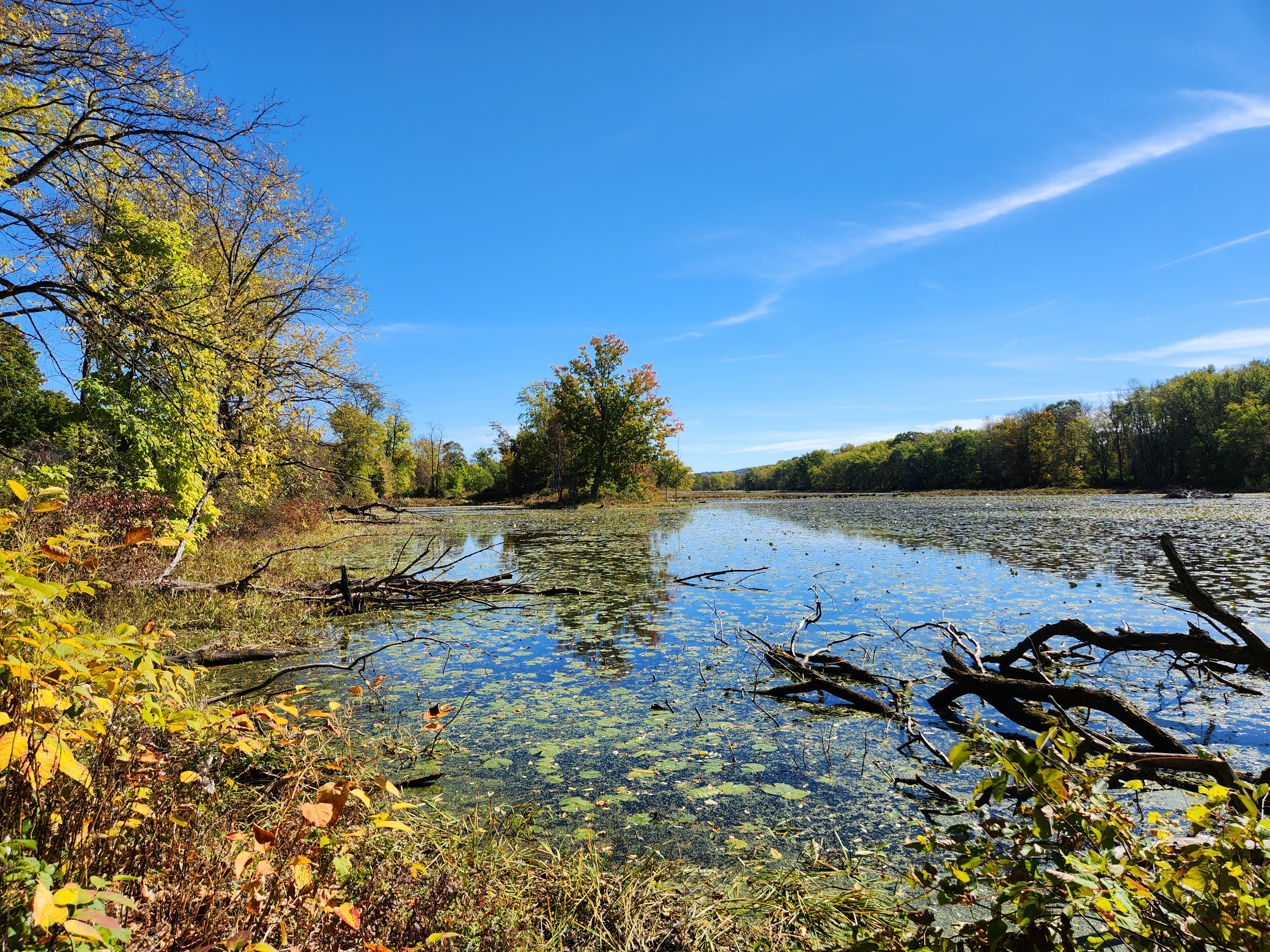
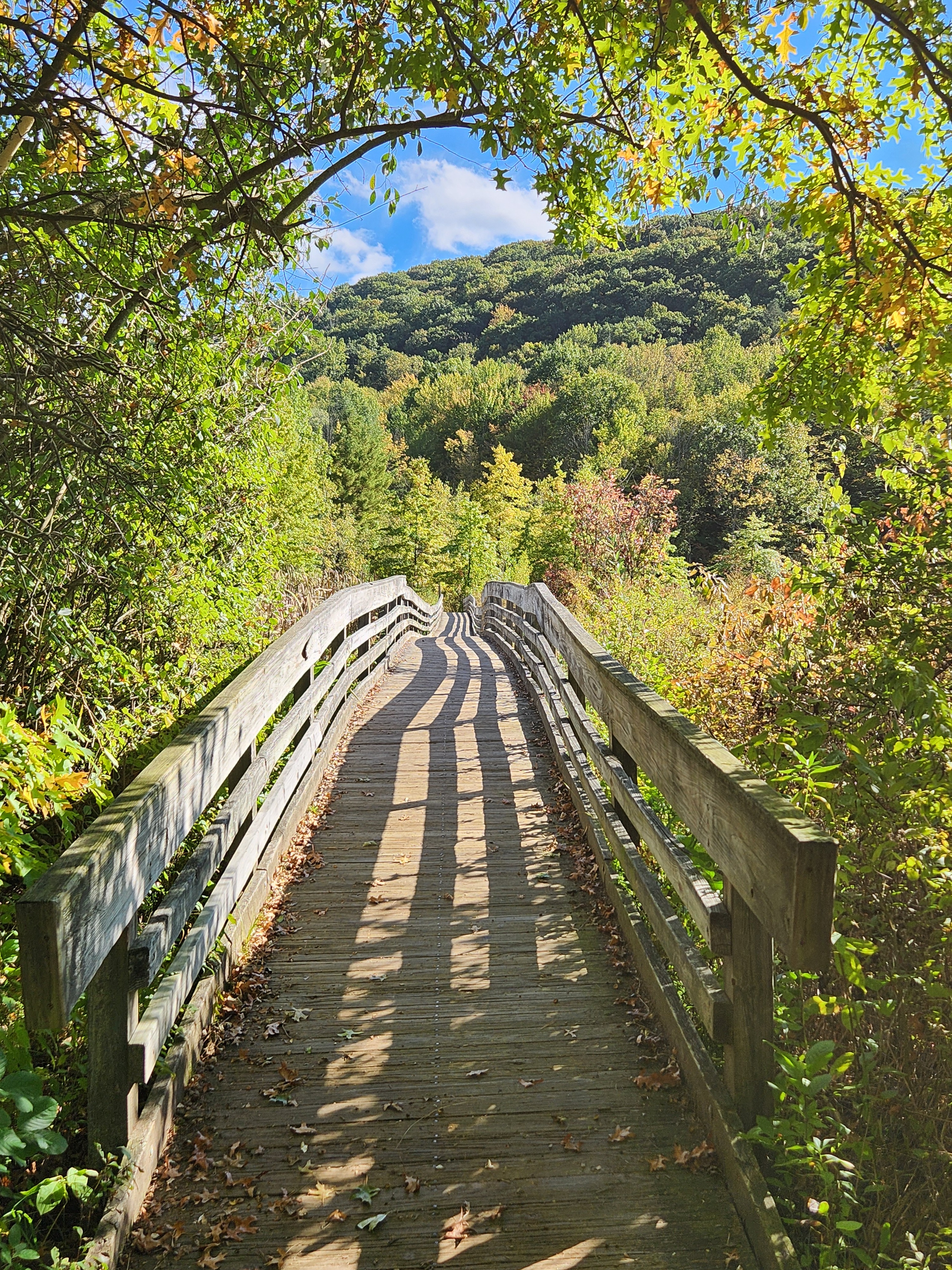
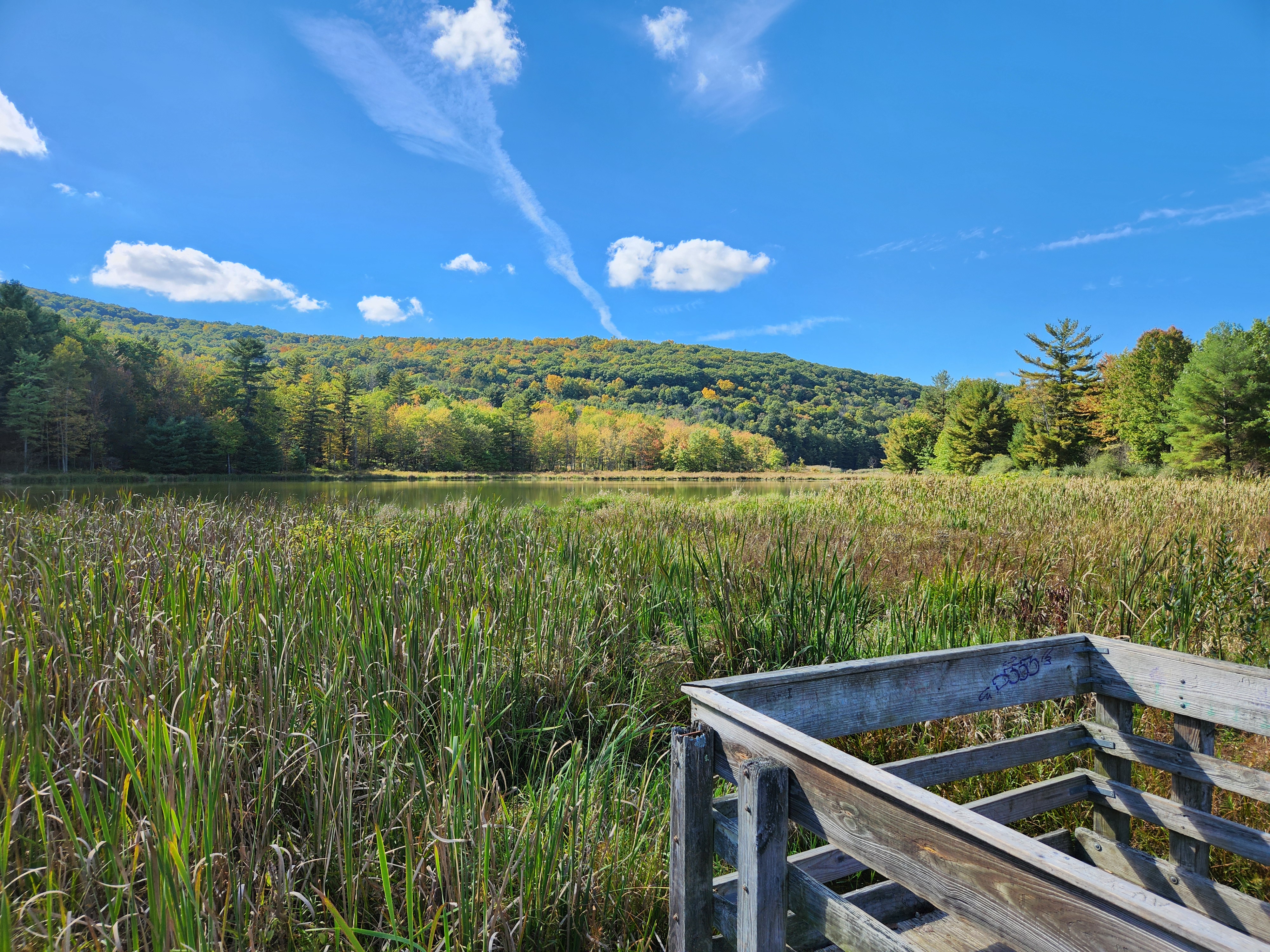
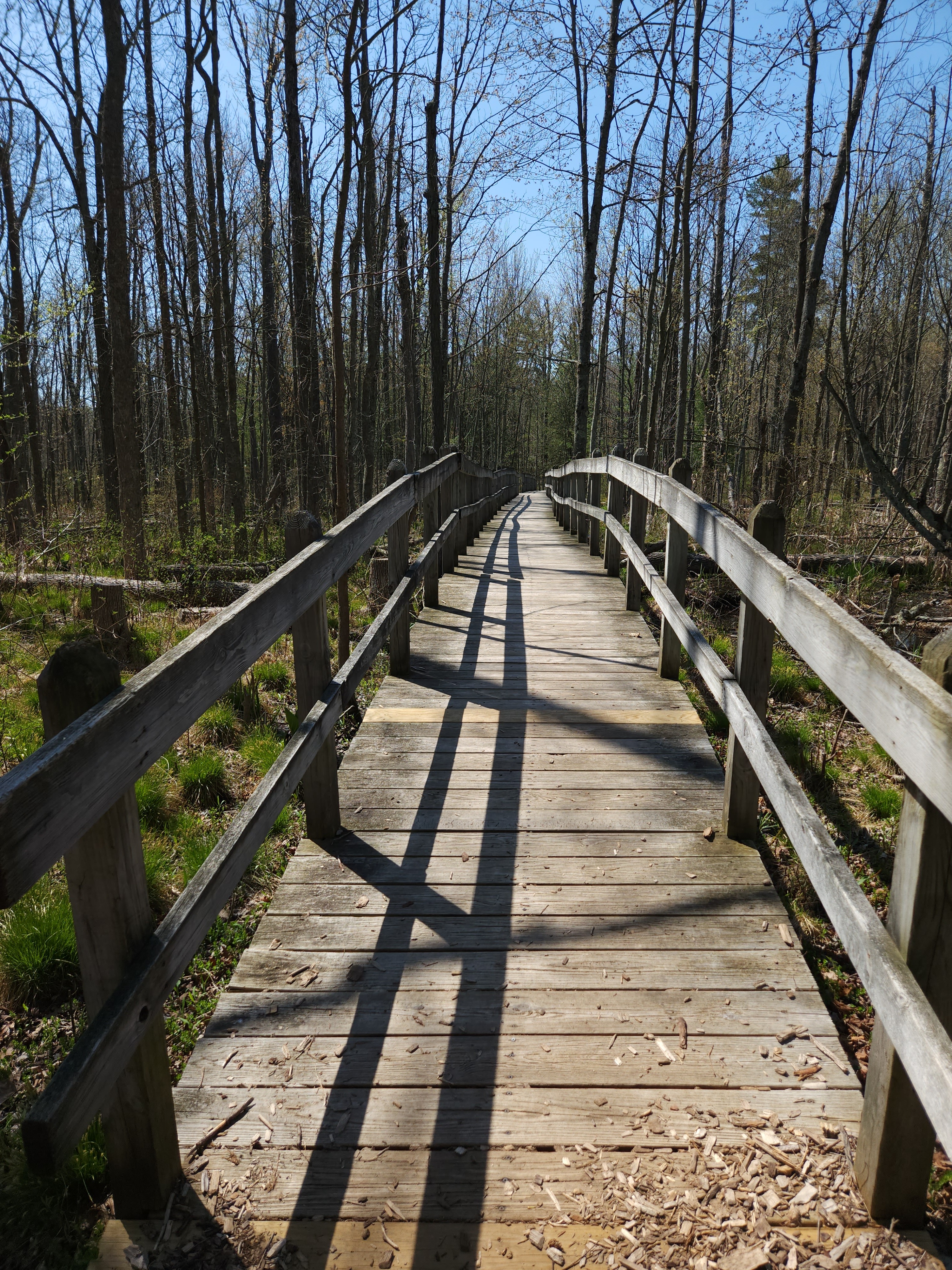
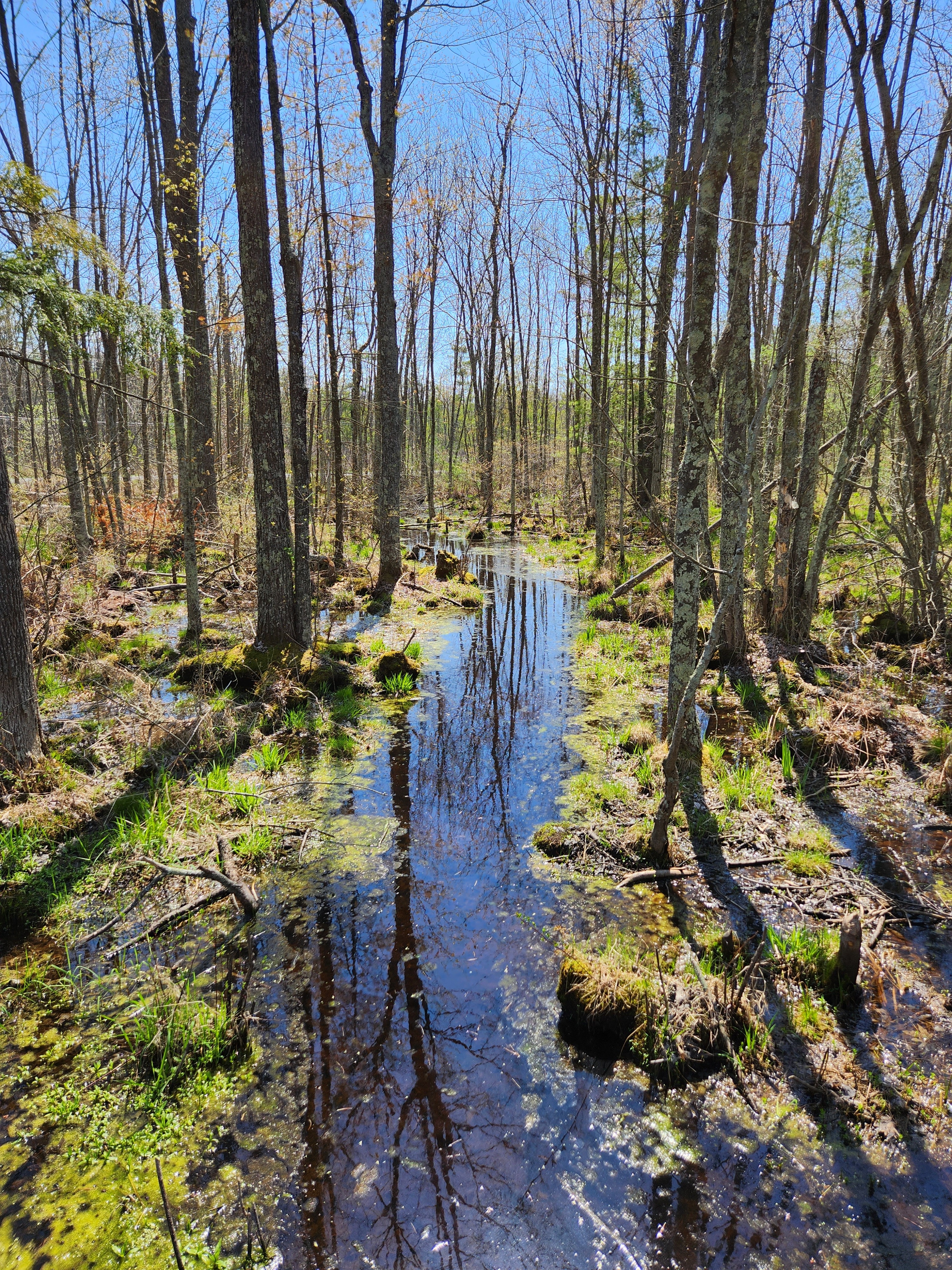
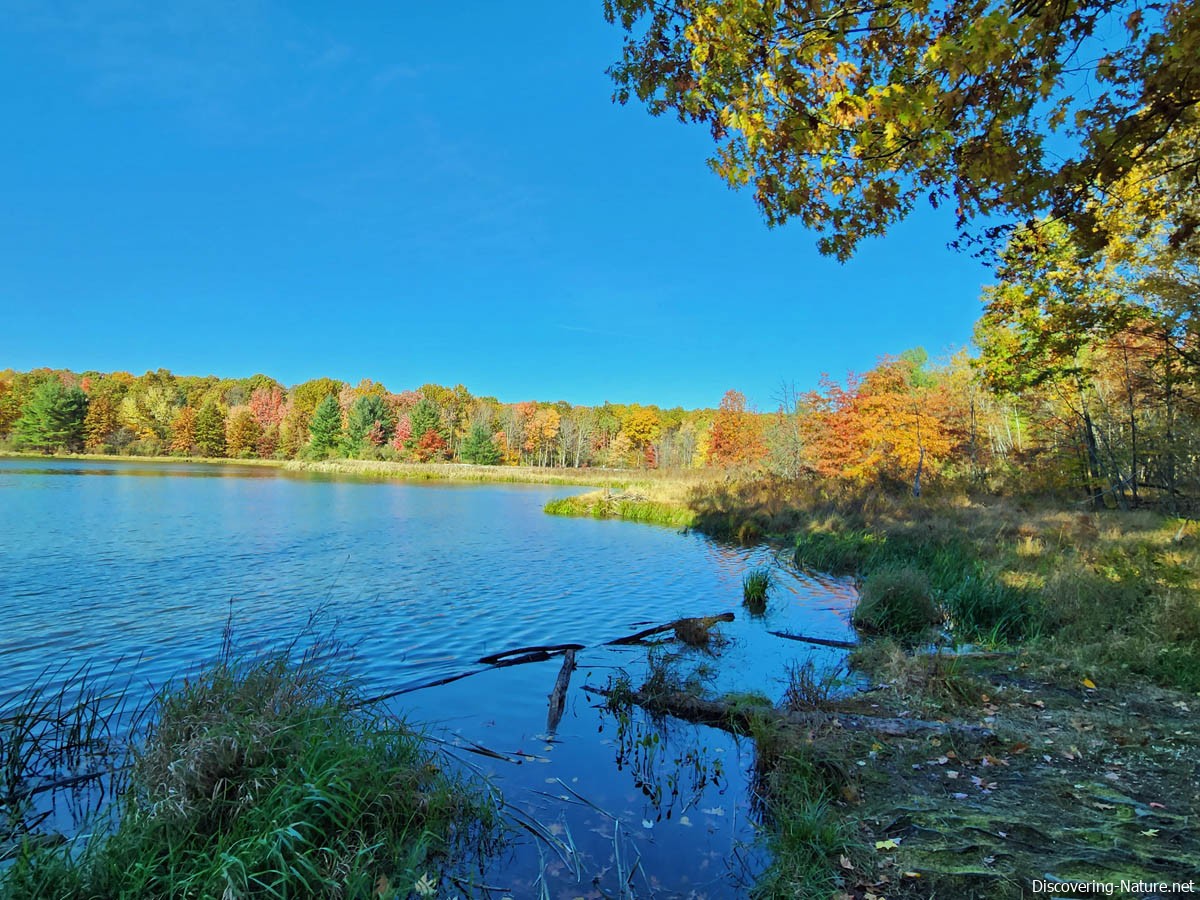
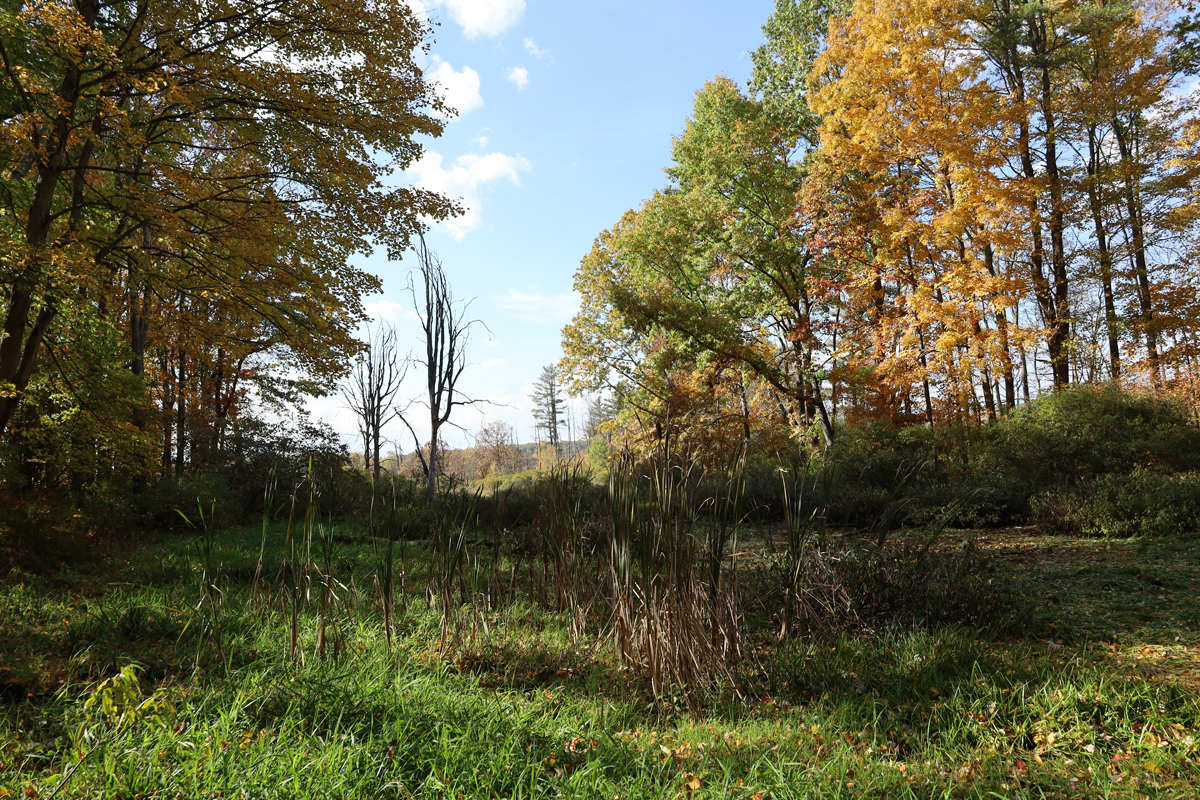
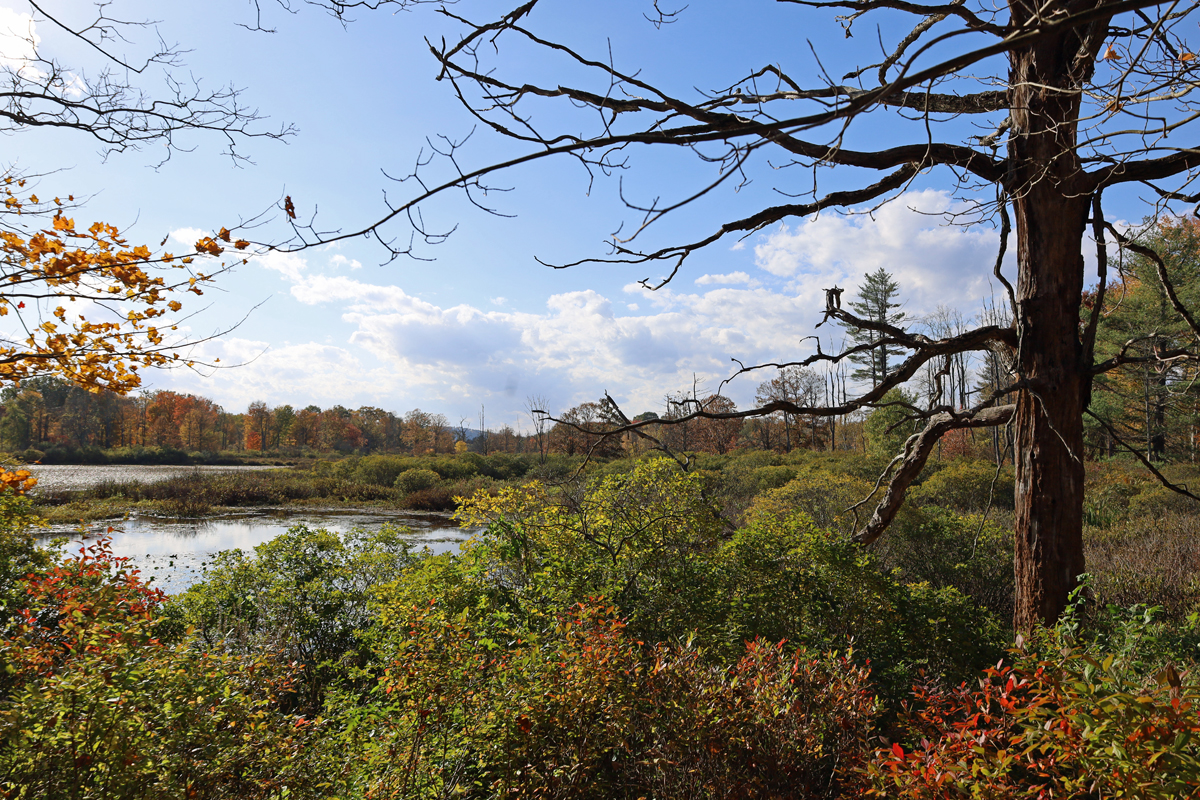
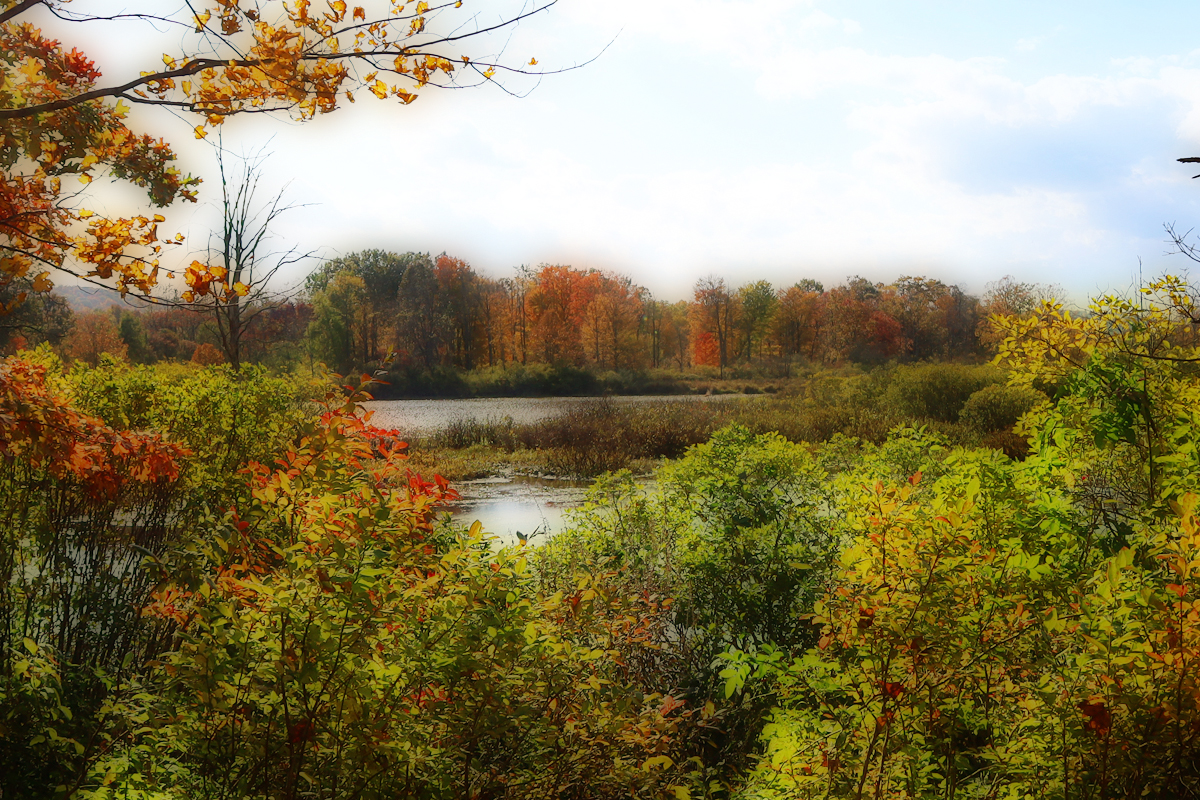
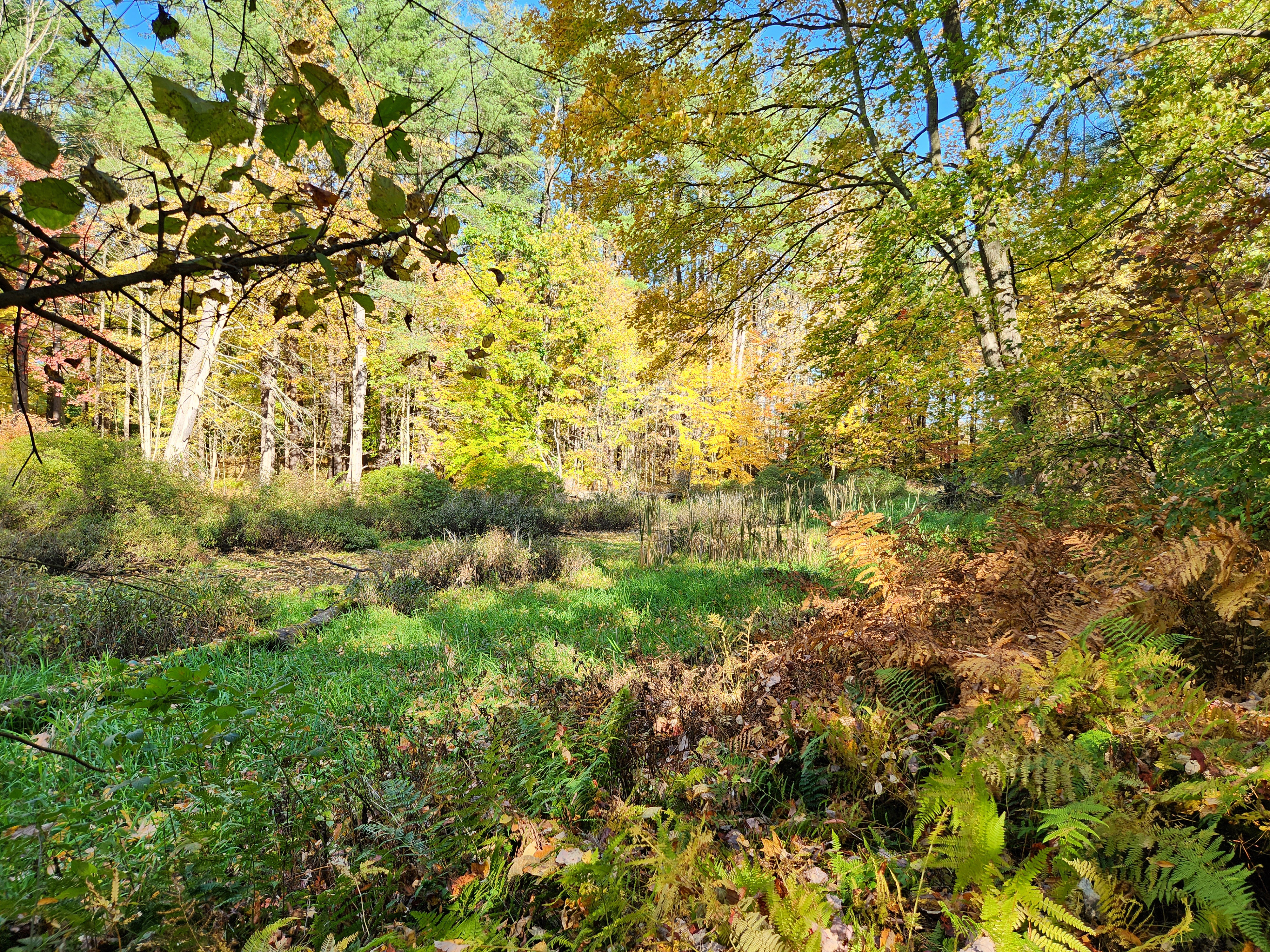
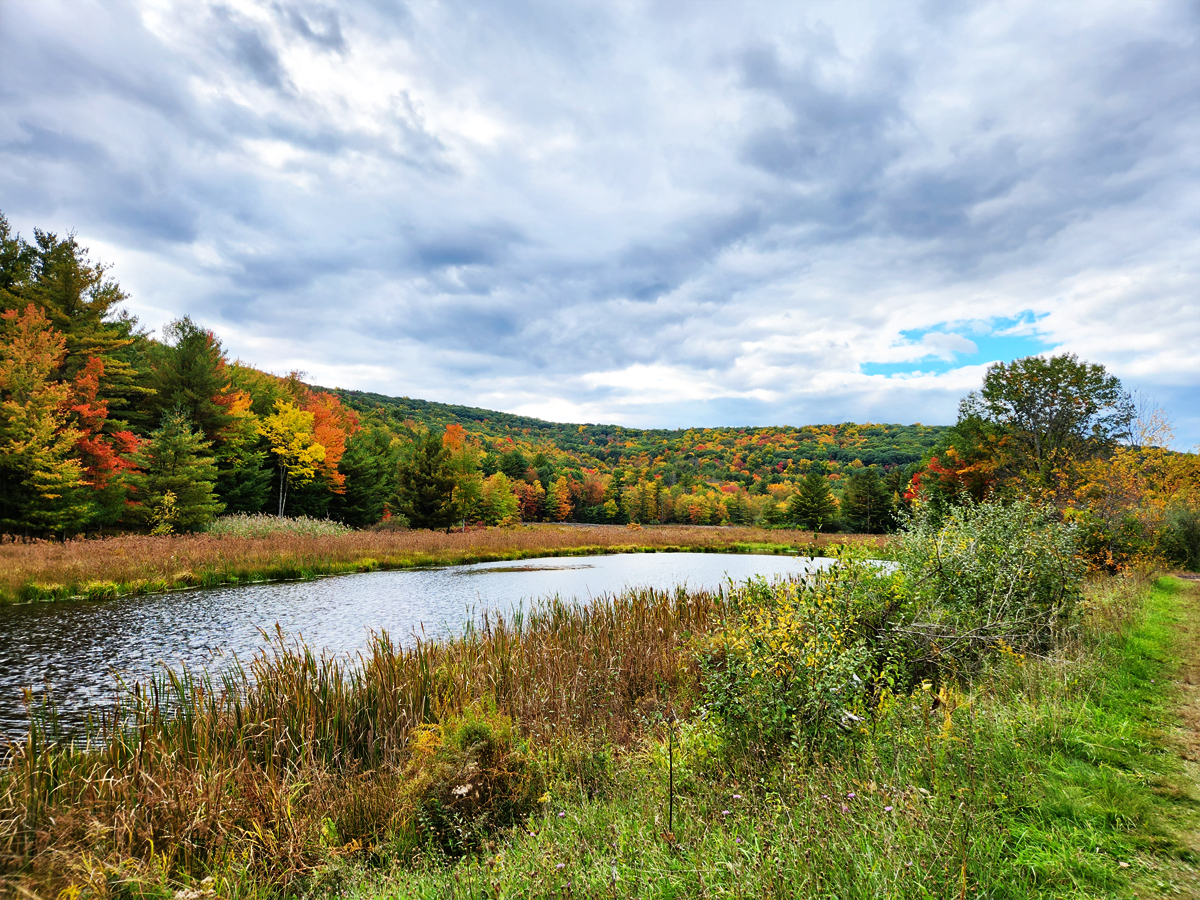
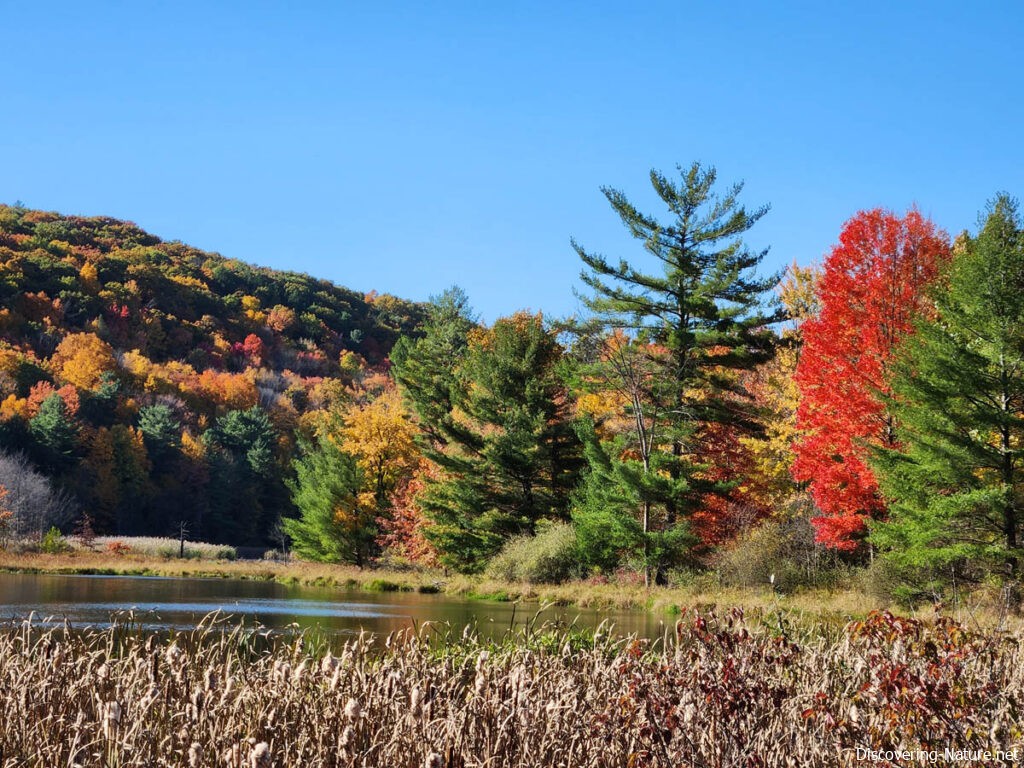
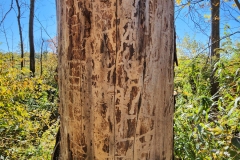
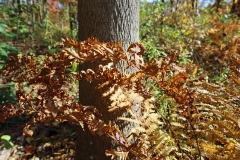
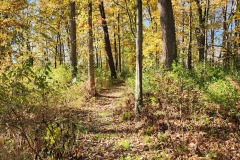
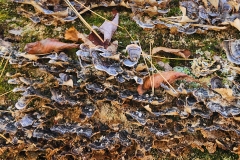
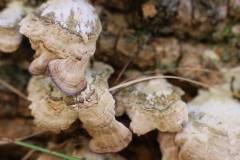
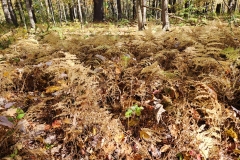
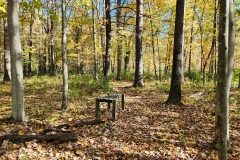
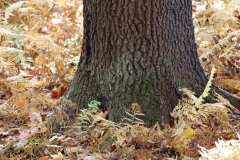
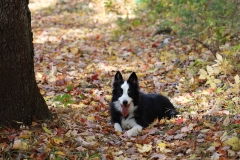
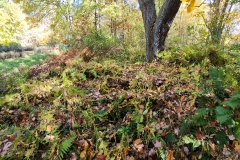
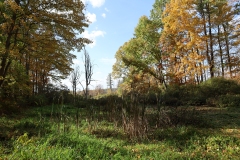
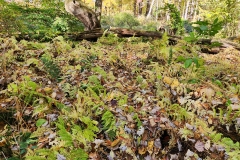
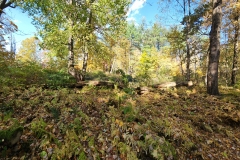
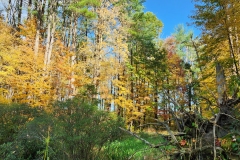
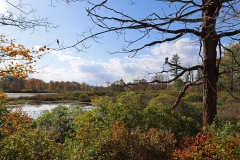
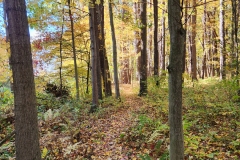
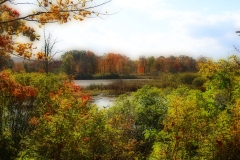
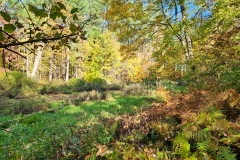
My daughters and I, and our dog Lucy, took a walk into a marsh we haven’t visited in years. The bird blind that used to be a unique feature was closed for safety issues, but a new trail wound to a different perspective on the pond, then into a golden wood that thoroughly enchanted us.
-
Buttermilk Falls in Peak Week
Someone told me awhile back that I should include videos on my nature blog. So here’s one: a pan of Buttermilk Falls, in Ithaca.
It might seem strange to film a waterfall. But it provides some context for the gallery that follows: brilliant sunlight and blue sky; vivid leaves; a sense of heights, depths, and distance; and the sound of water perpetually falling. By now, after hard rain a few days ago, there is probably more rushing water — and fewer leaves. We were grateful to be able to get there at the beginning of the week, on the perfect October day.
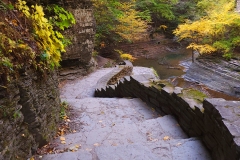
We hiked up the Gorge Trail — about a mile long, hugging the stream and ascending steeply (475′) up numerous stone staircases beside numerous waterfalls. (This video is taken beside the first one.) At the top, we crossed to the Rim Trail and walked back down through some woods, with little glimpses of the gorge through the trees from time to time. It’s a little more gradual, but you feel the relentless descent in the backs of the legs by the end.
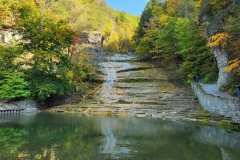
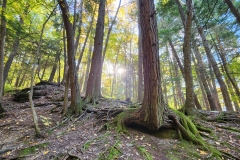
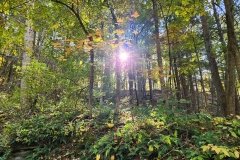
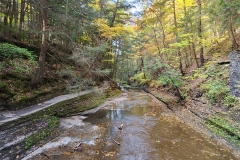
Here’s one more: a view from within the shade of the gorge.
-
Colors and more colors
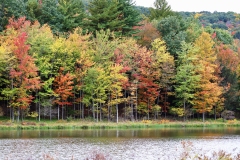
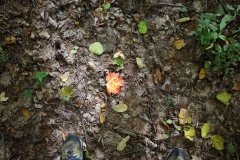
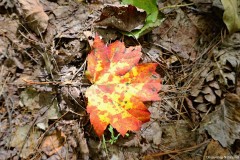
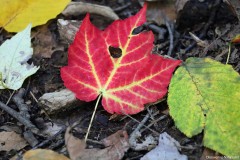
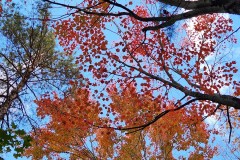
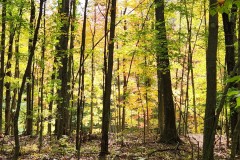
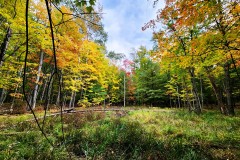
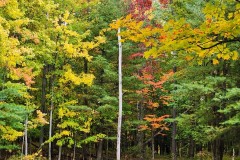
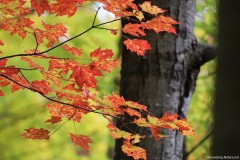
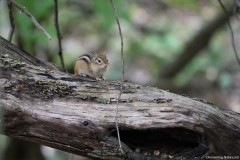
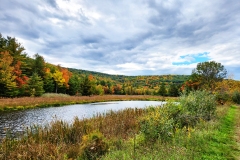
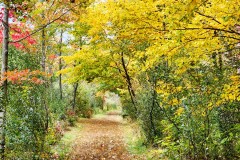
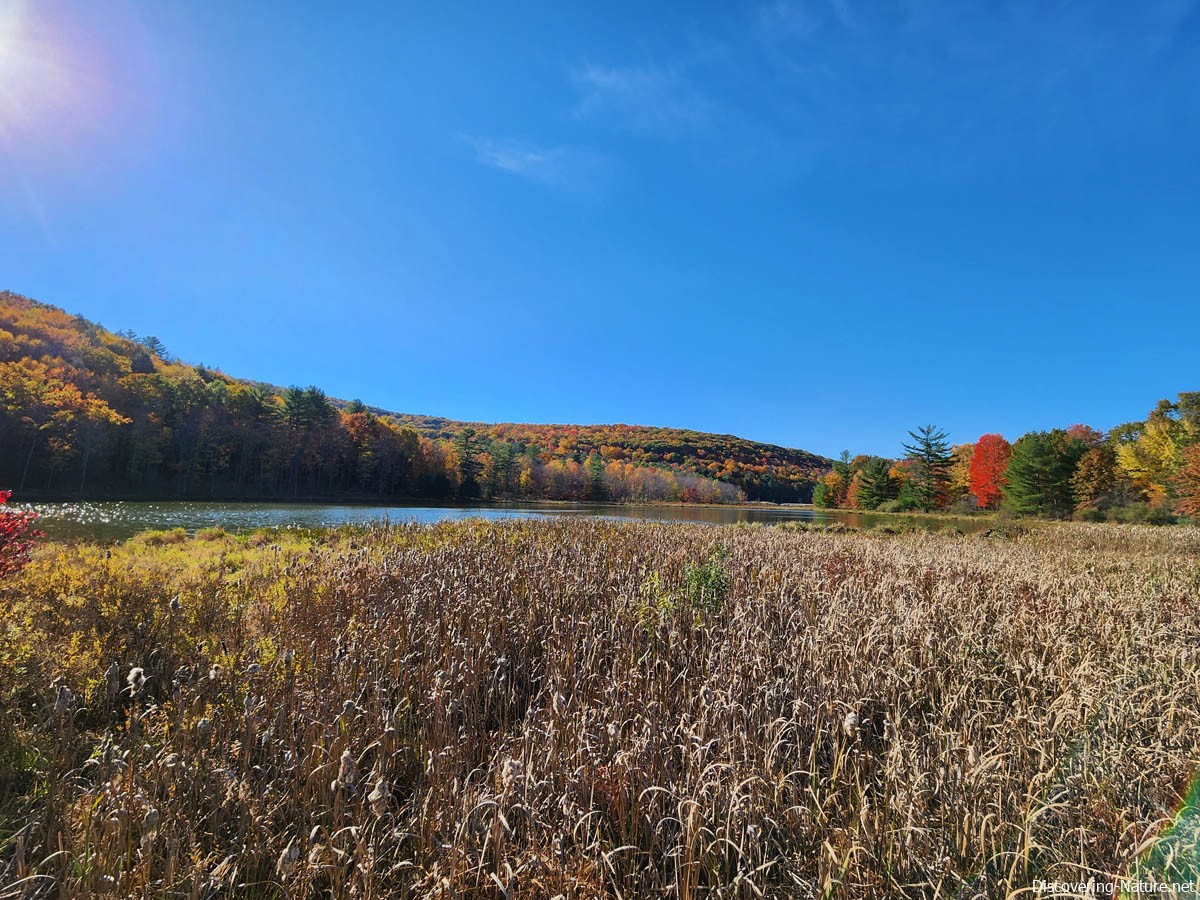
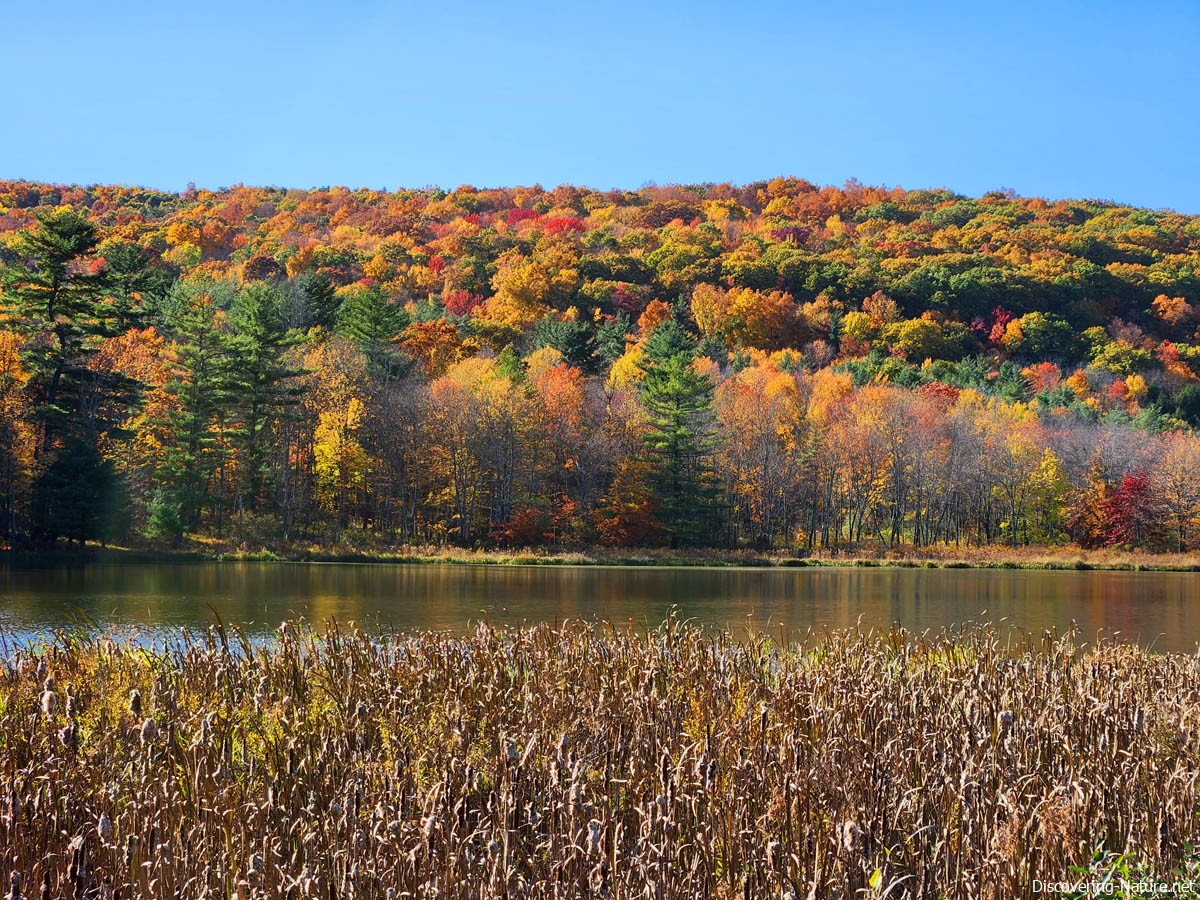
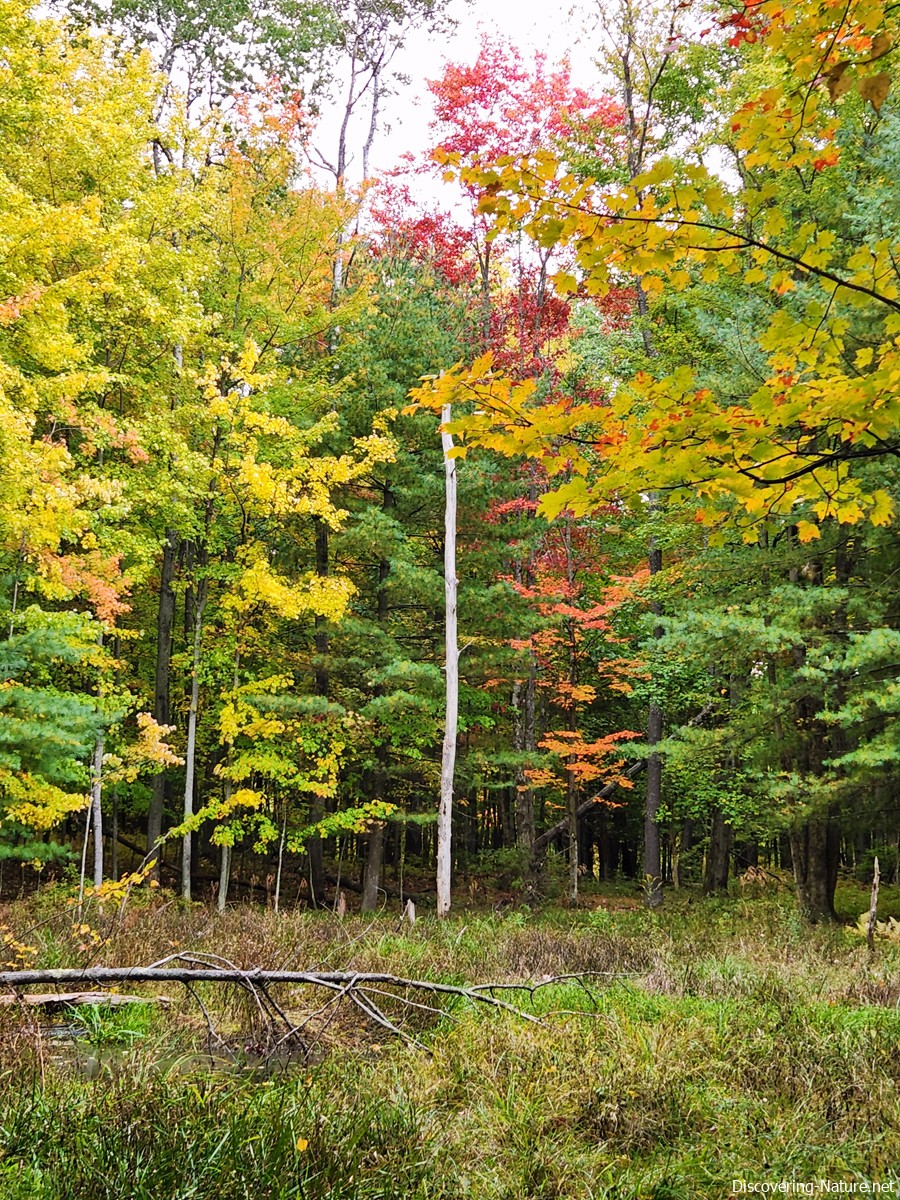
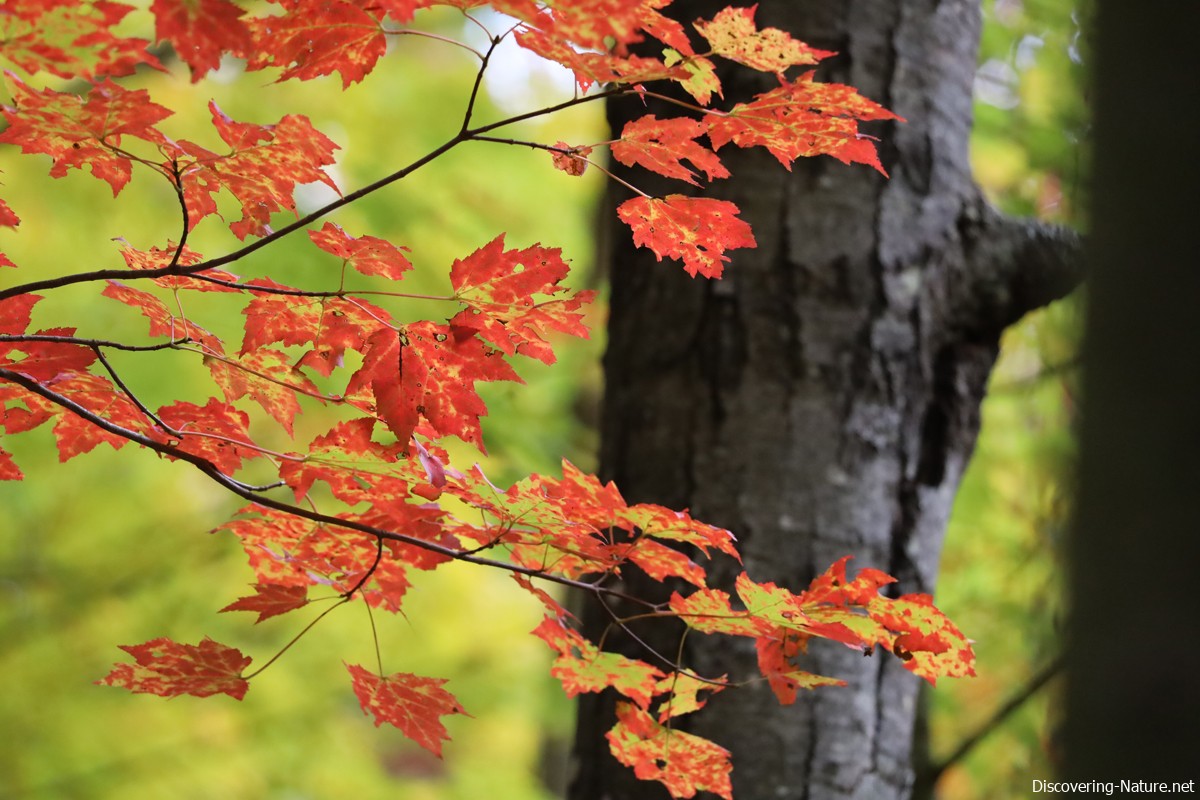
Lovely walk in a nearby nature preserve as the leaves approach their peak.