Birds
-
Field Notes: Great Blue Heron
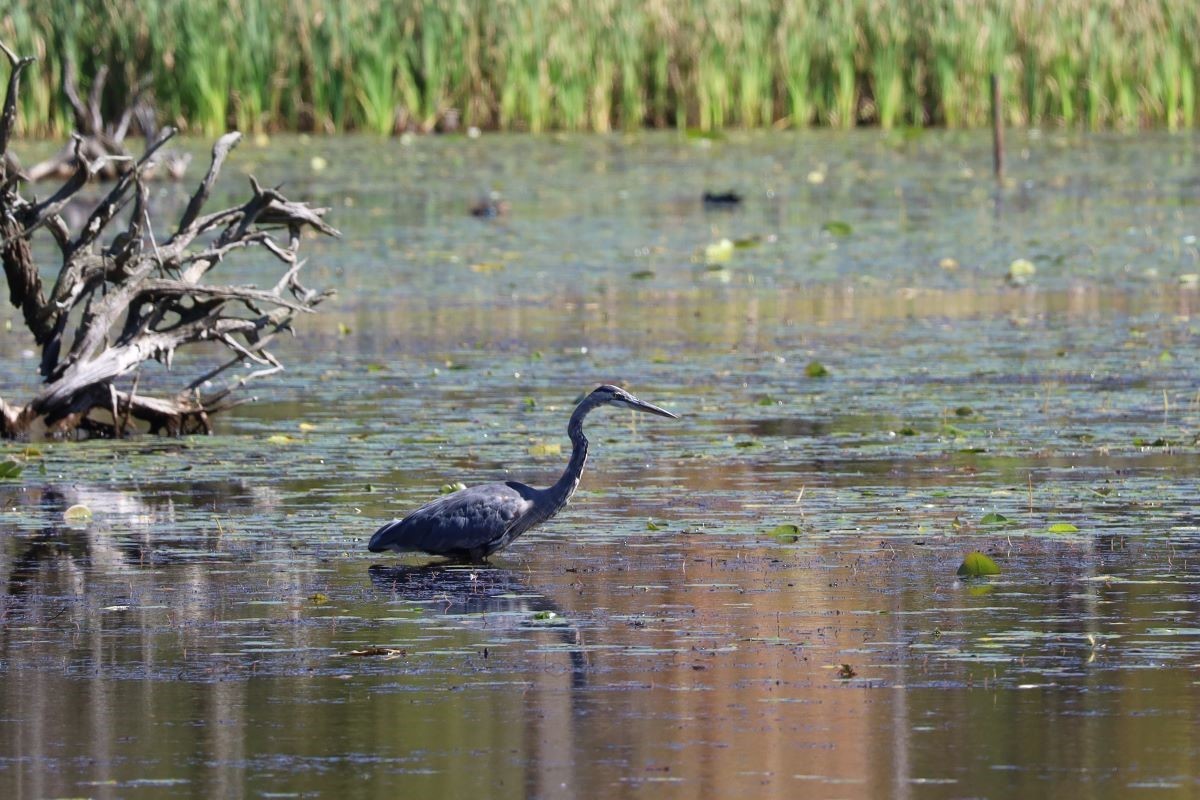
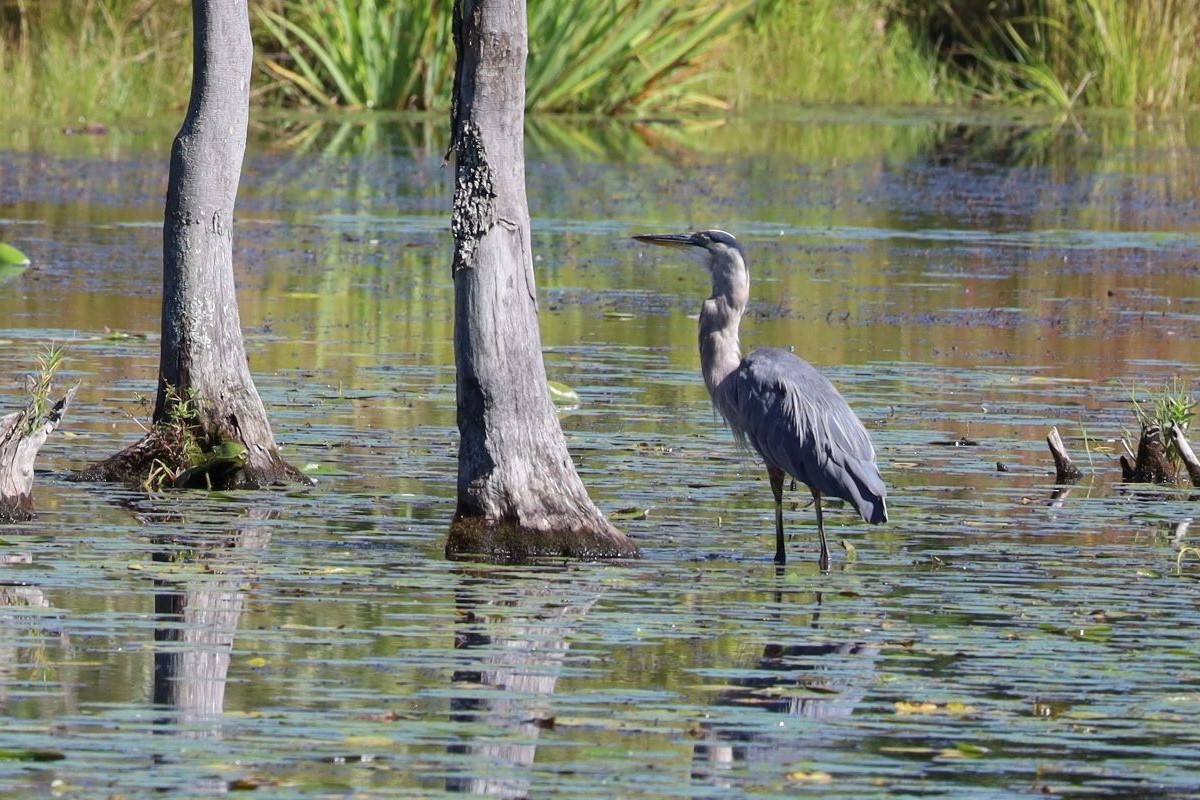
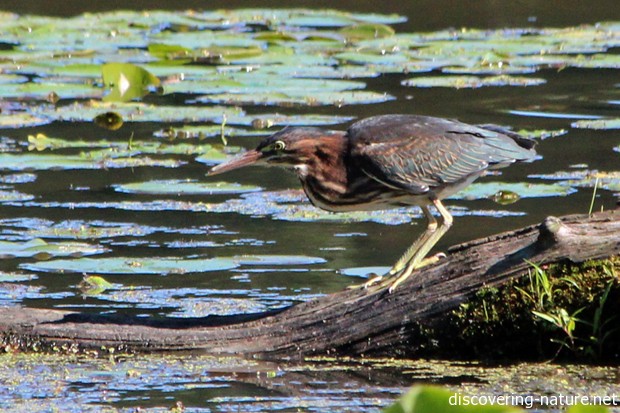
There were lots of sights at Sapsucker Woods this week when my daughter and I went for our first walk there in two years: interesting plants, frogs, fungi, berries, and damselflies performing strange feats. But the great blue heron stalking its prey in the pond stole the show.
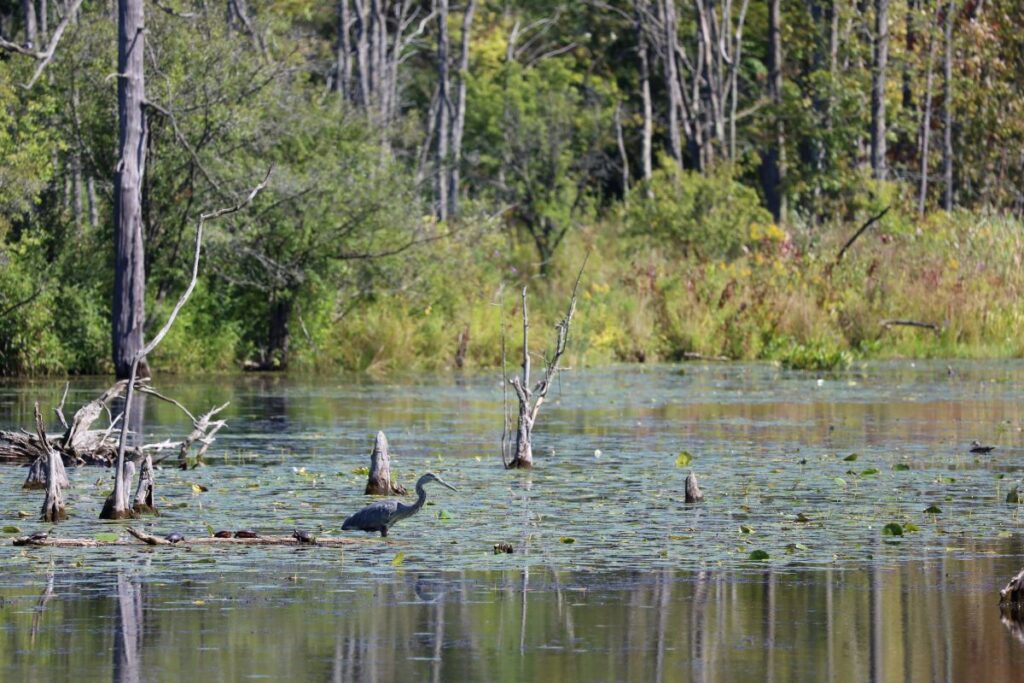
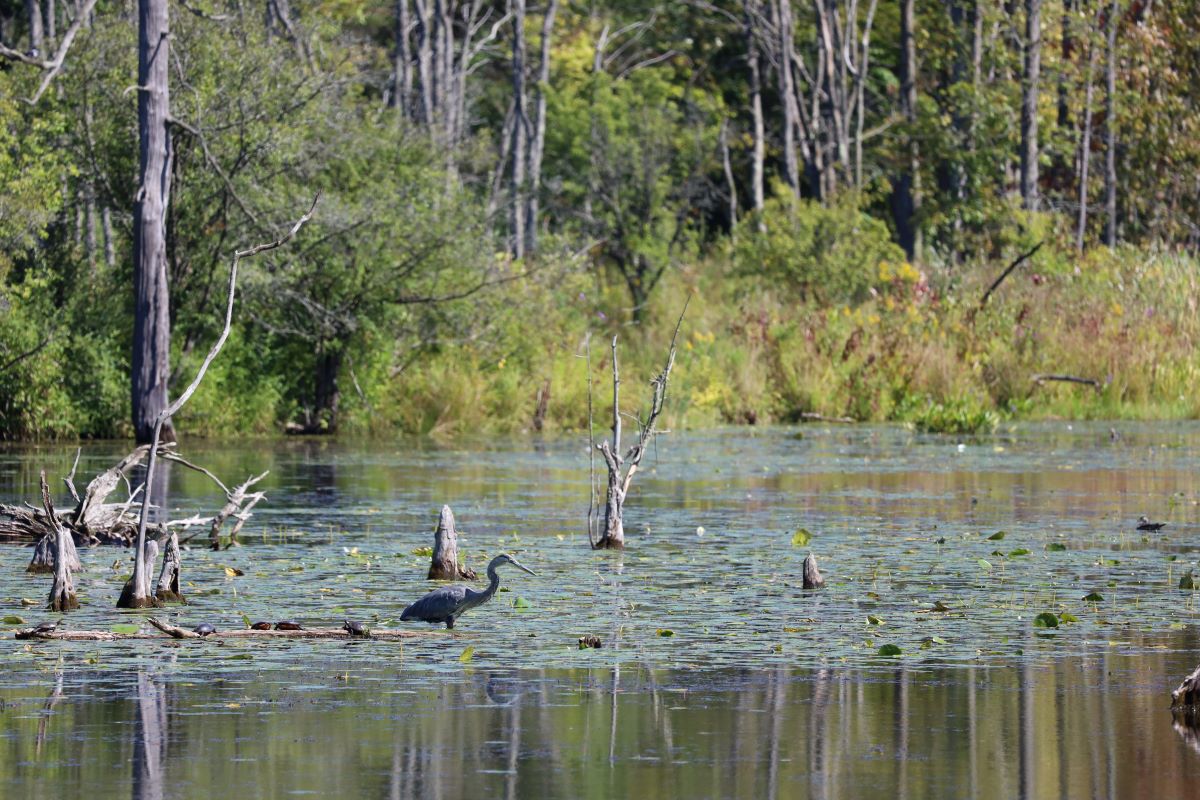
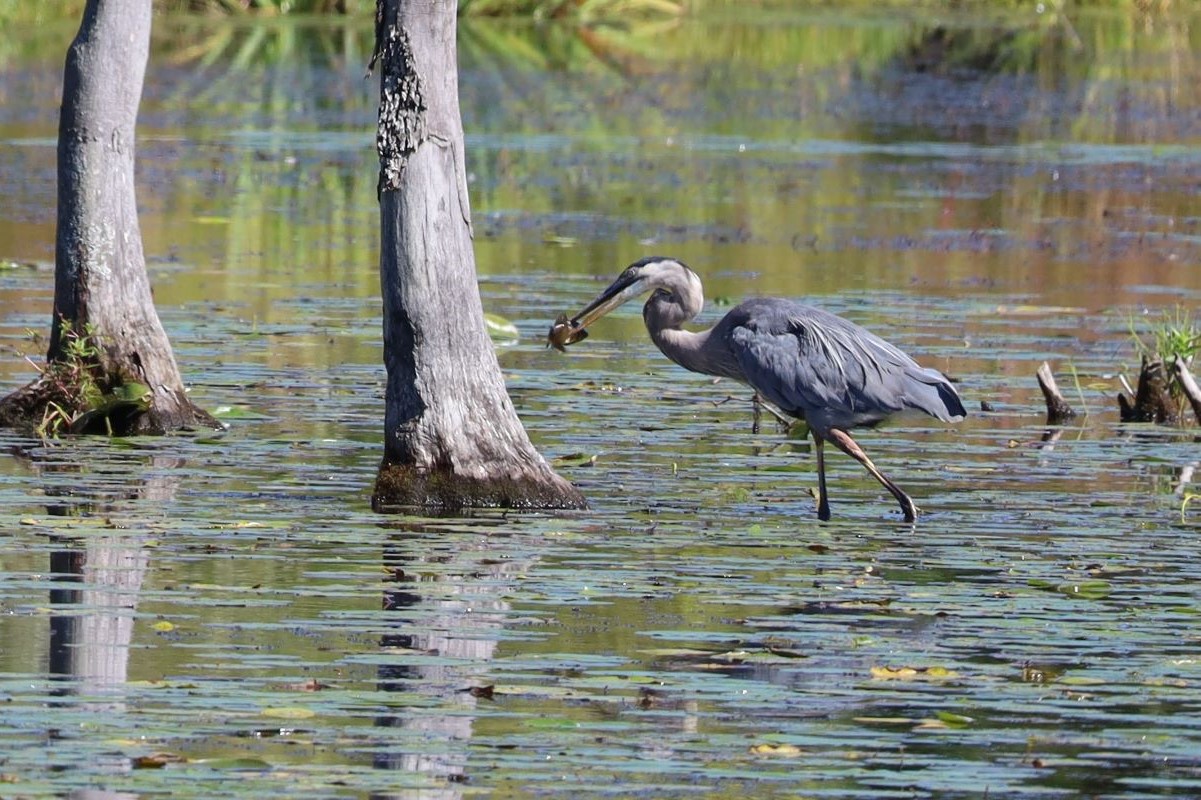
Hunting heron, with 5 box turtles watching from a nearby log The Handbook of Nature Study doesn’t include a section on these birds, but Peter Rabbit, the narrator of The Burgess Bird Book, accurately notes that “Plunger [the osprey] hunts for his fish while Longlegs waits for his fish to come to him.” (Links to books are Amazon Associate links.) Peter gives a wonderfully exact description of Longlegs’s appearance, then notes his behavior:
Longlegs waded into the water a few steps, folded his neck back on his shoulders until his long bill seemed to rest on his breast, and then remained as motionless as if there were no life in him. . . By and by [Peter] began to wonder if Longlegs had gone to sleep. His own patience was reaching an end and he was just about to go on in search of Rattles the Kingfisher when like a flash the dagger-like bill of Longlegs shot out and down into the water. When he withdrew it Peter saw that Longlegs had caught a little fish which he at once proceeded to swallow head-first. Peter almost laughed right out as he watched the funny efforts of Longlegs to gulp that fish down his long throat.
We had a front row seat to this drama at Sapsucker Pond. The difference is that the fish was large, and it didn’t inspire laughter.
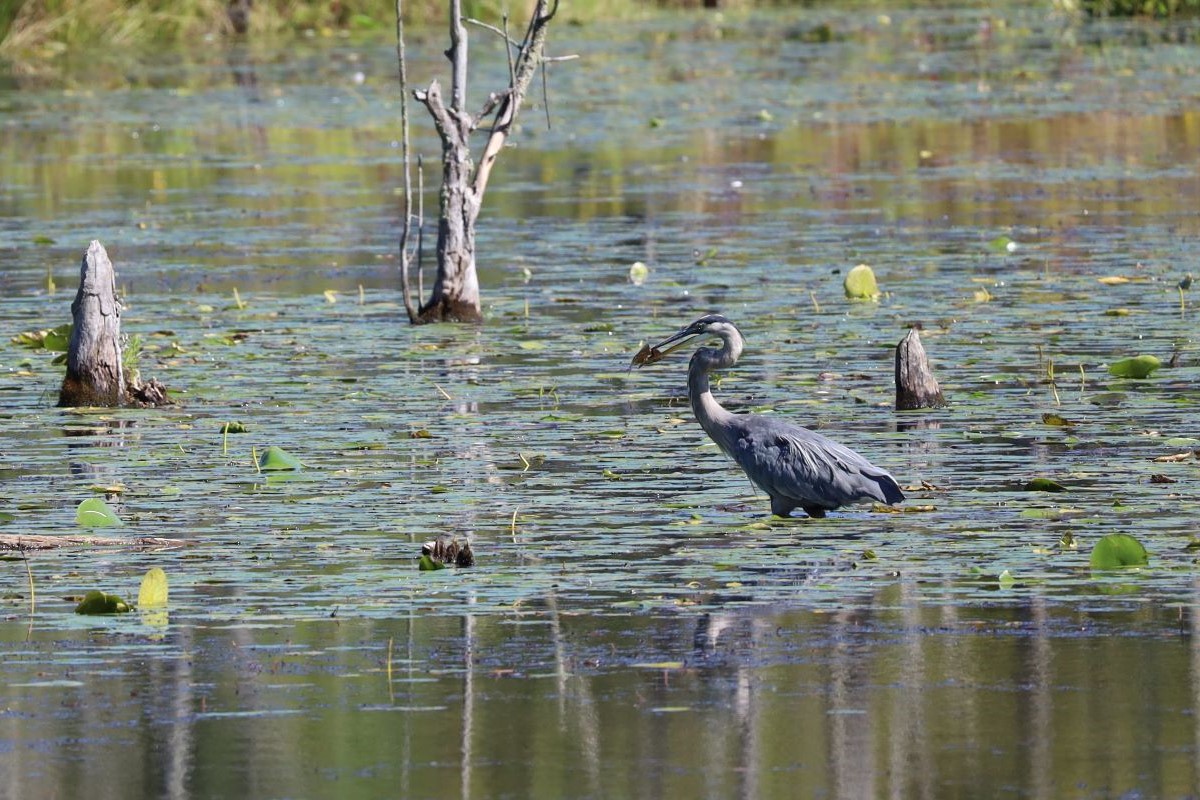
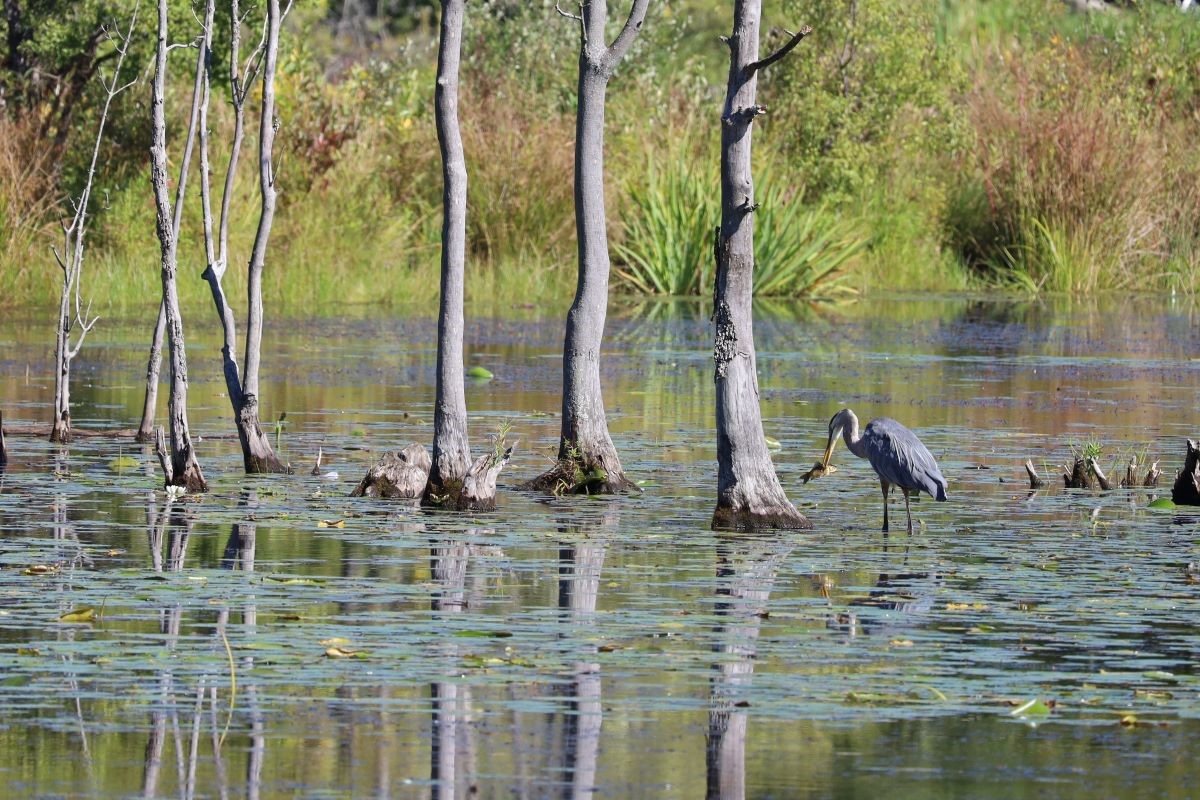
After a long wait, the heron caught a good-sized fish.
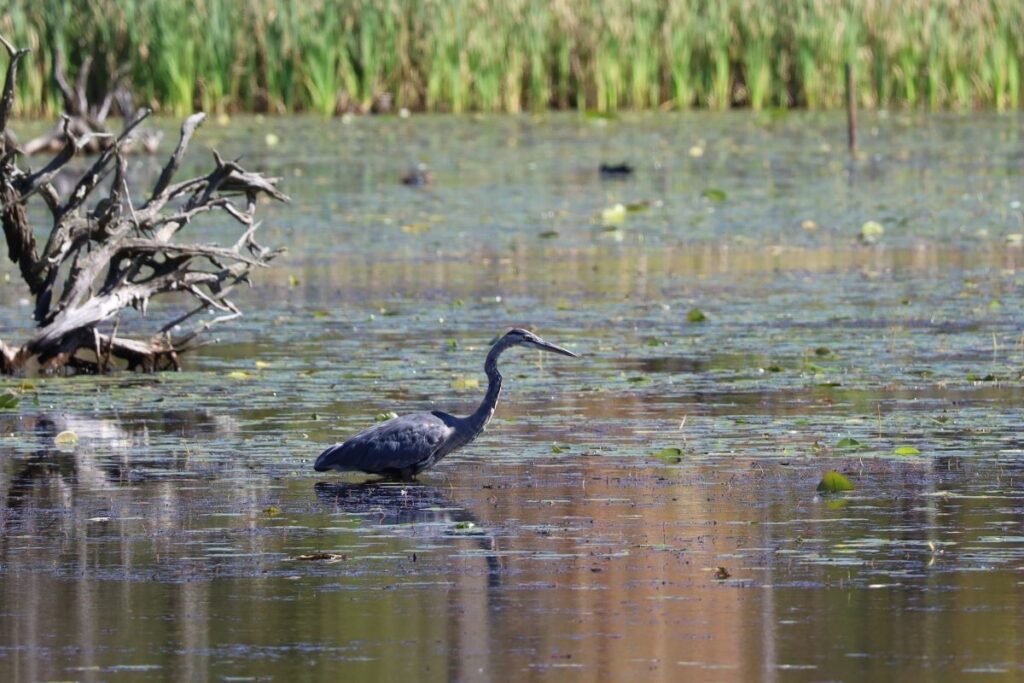
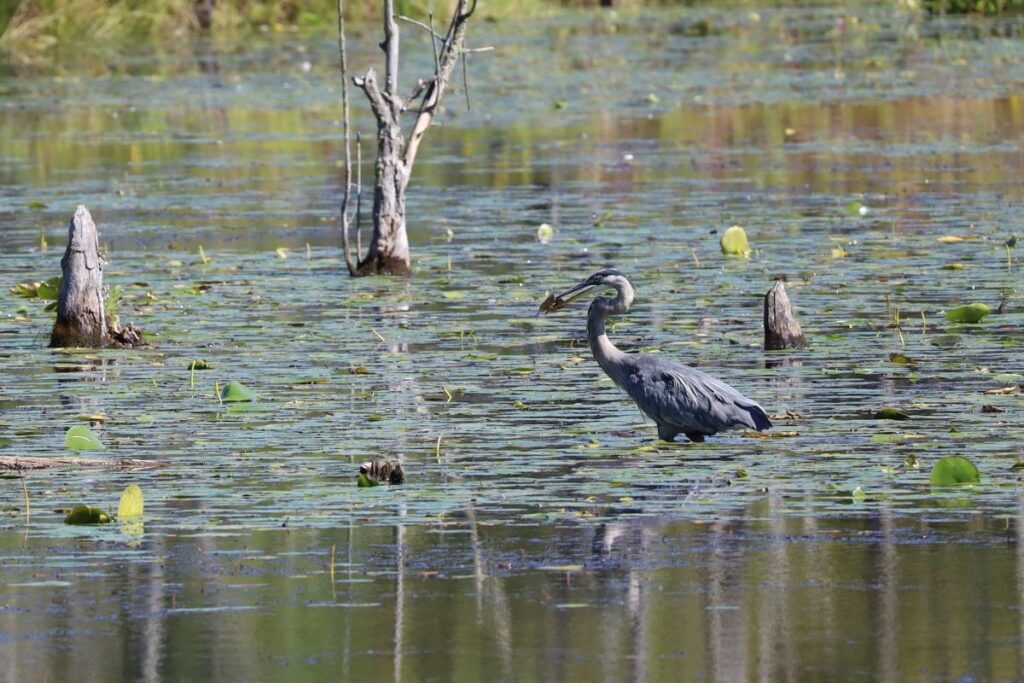
It immediately carried the fish to shallow water, seemingly aware that this would ensure an easier recovery if the fish flopped loose, walking slowly and deliberately so as not to drop its prey.
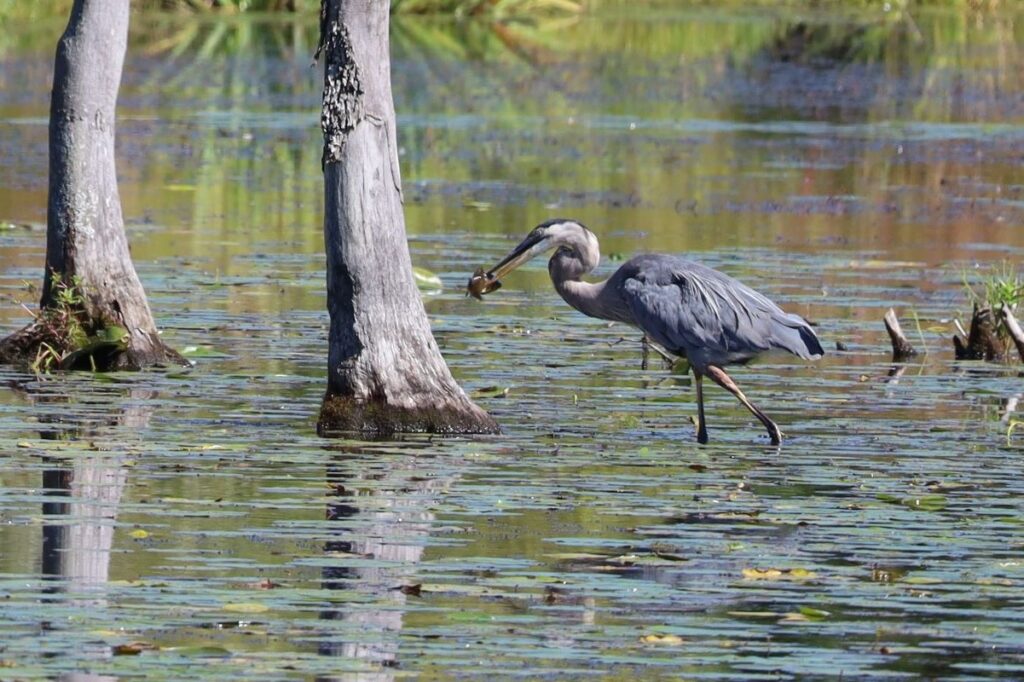
At the end, it reoriented the fish (now wriggling desperately) somehow, then tipped its head up and swallowed it.
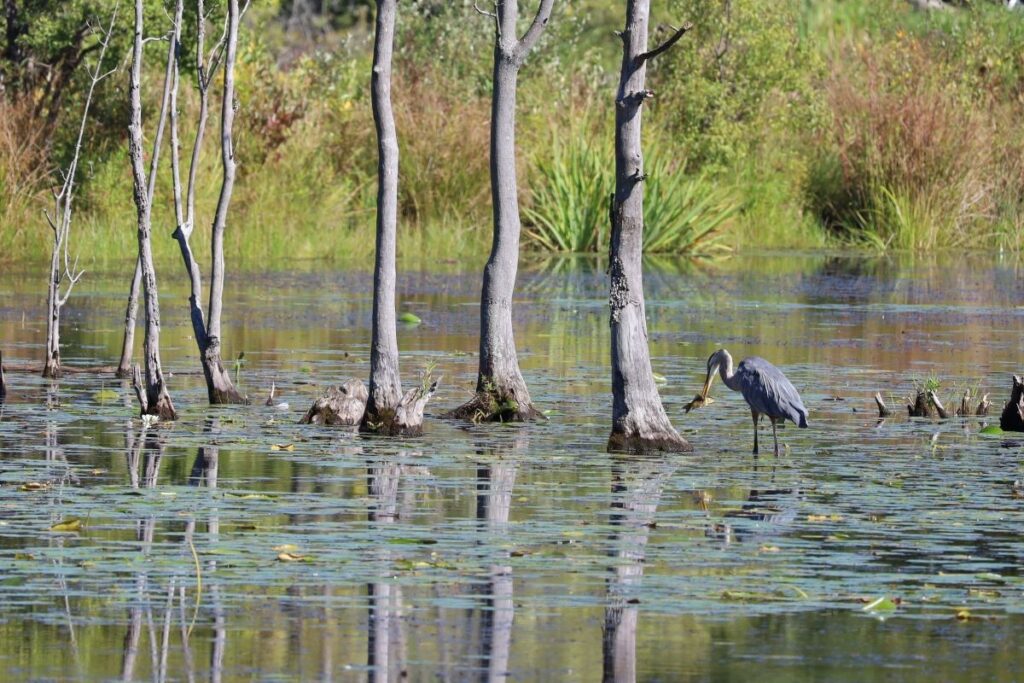
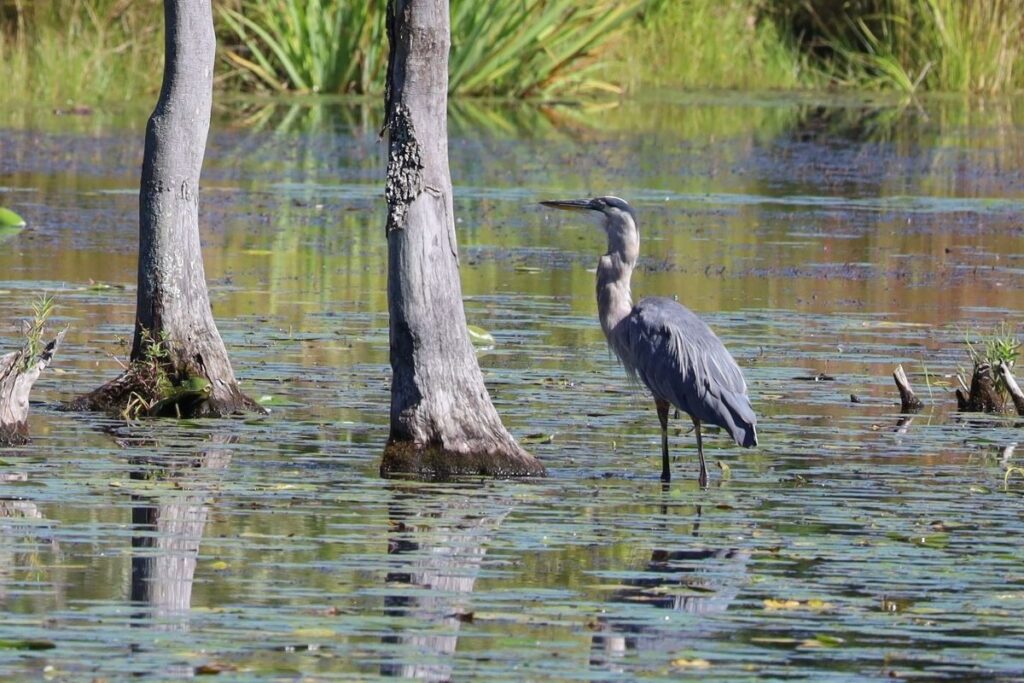
It concluded the process with a few gulps of water, dipping down for a mouthful and then pointing its beak to the sky.
It’s a handsome, gawky, almost prehistoric looking bird, and I can’t begrudge it its need to eat, especially factoring in the great patience and deliberation it demonstrated. But it was hard to watch. It reminded me of my love-hate relationship with nature. I love the beauty, variety, endlessly interesting adaptations of our subjects. But I hate the cold-blooded predation.
Is there a value in seeing this?
What I think of is that it has the value of knowing about something real in animal existence, and human existence. Like the heron, we eat other living creatures. Unlike the heron, we can register the inherent violence, and this carries with it a greater responsibility to ensure a good quality of life for any living creatures we consume, and to minimize the cruelty of slaughter. For some, it means choosing a vegetarian or vegan diet.
In any case, the heron’s behavior meant more than a meal for the bird. It offered some food for thought to its human observers through an essential glimpse the natural world in operation.
-
Field Notes: Chickadee
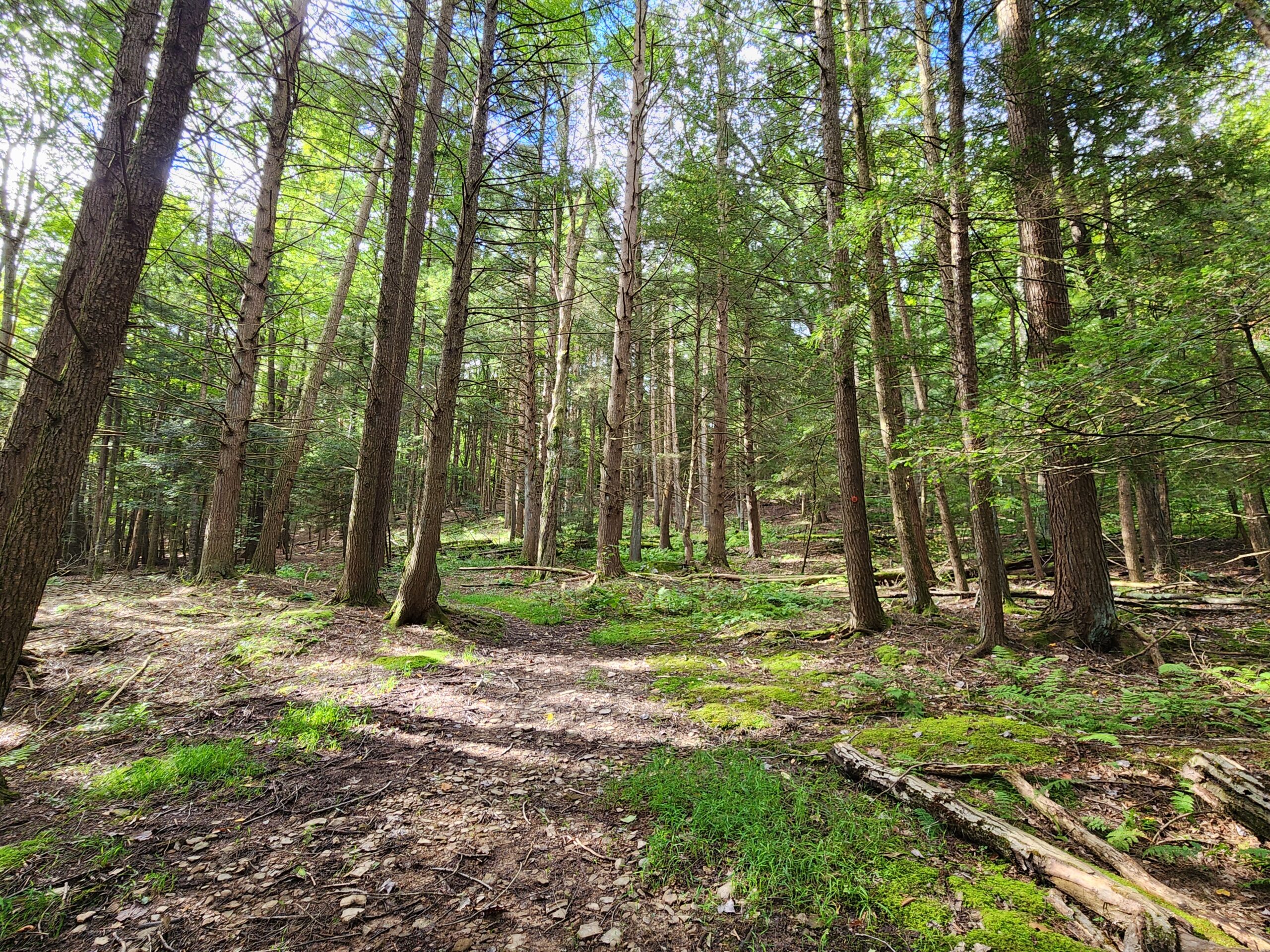
We went for a walk at a new preserve this week. Though there were some pretty views, we were struck by both the chilliness and the quietness of the setting. A fitting reminder for Labor Day: we’re heading into the fall.
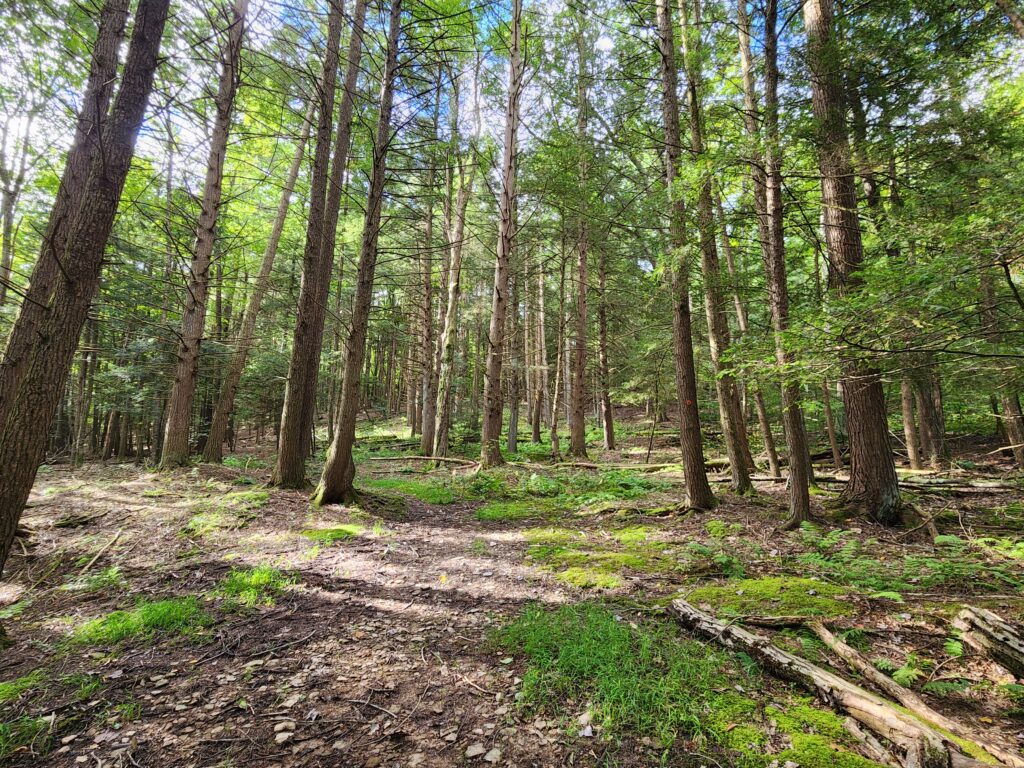
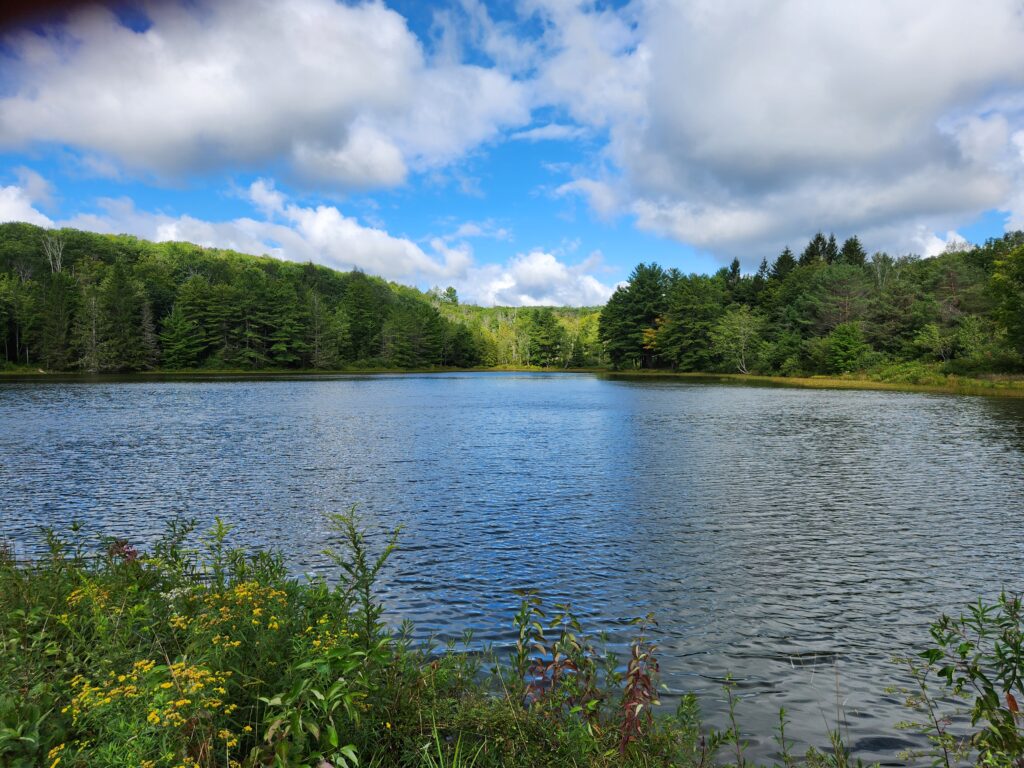
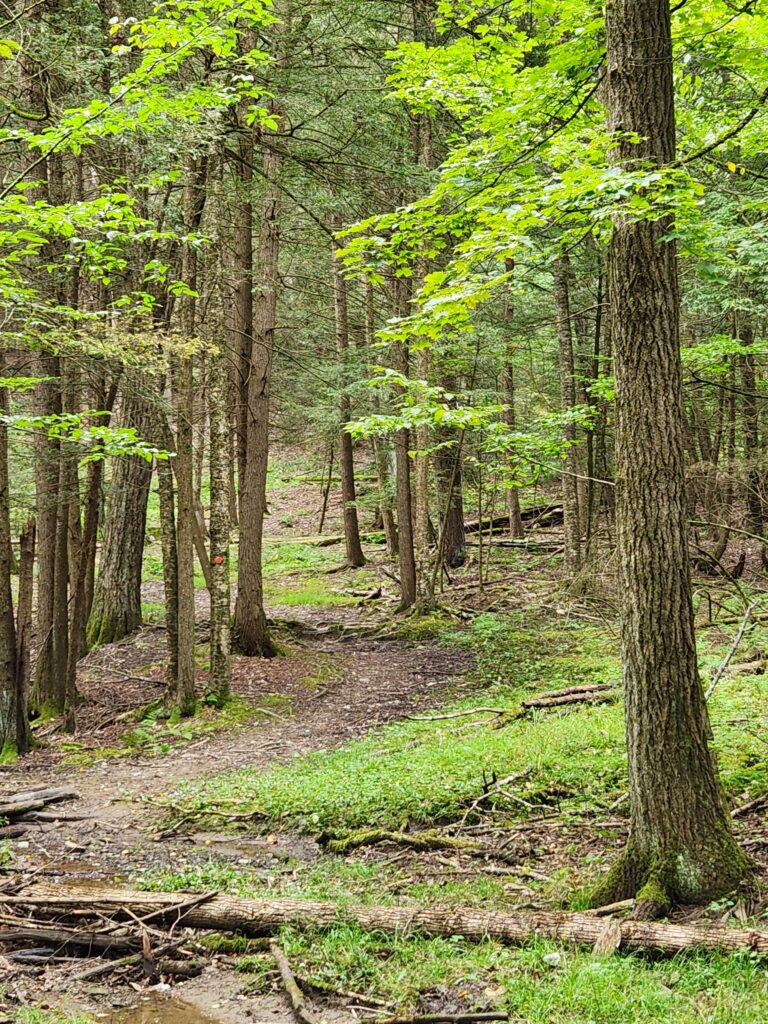
We met another birder on our way out and he also commented on how the quietness of birds is a characteristic of fall. Not long ago the world was alive every morning with an intricate symphony of birdsong. Not so now.
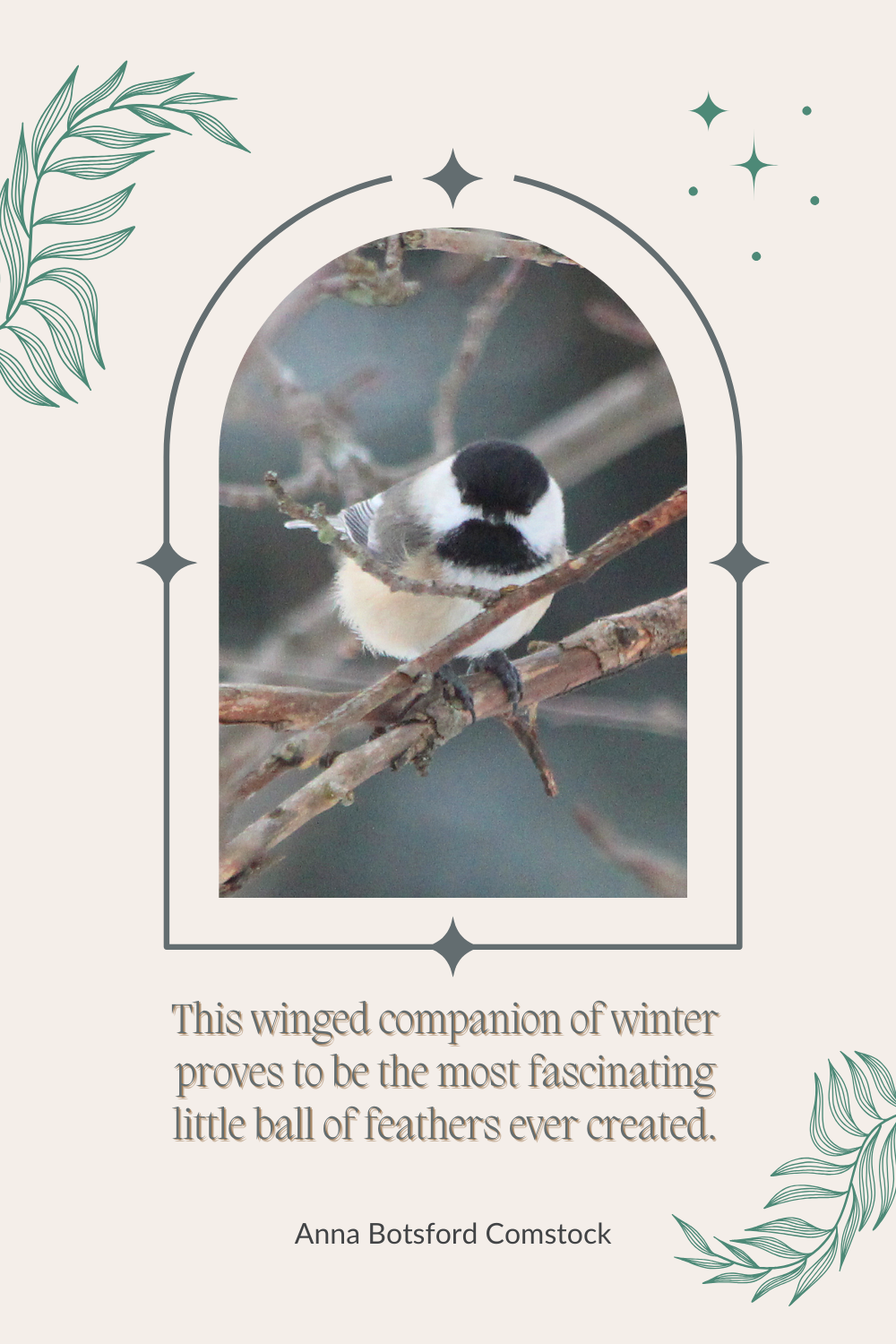
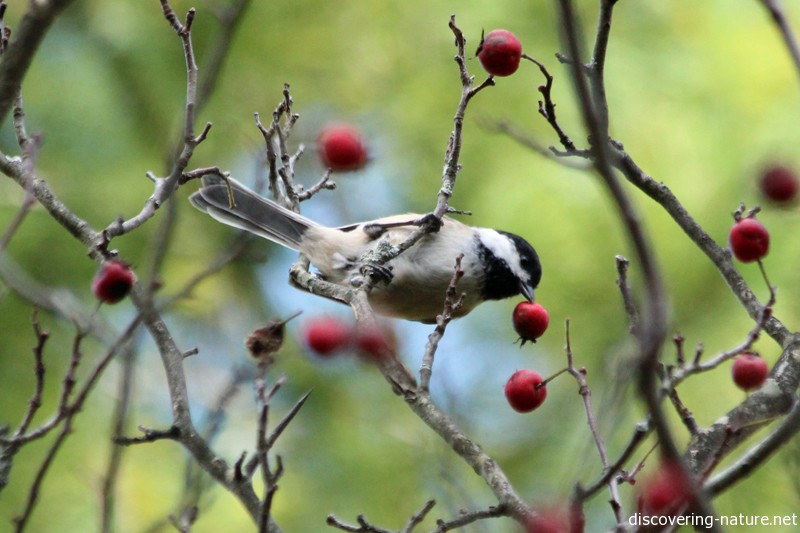
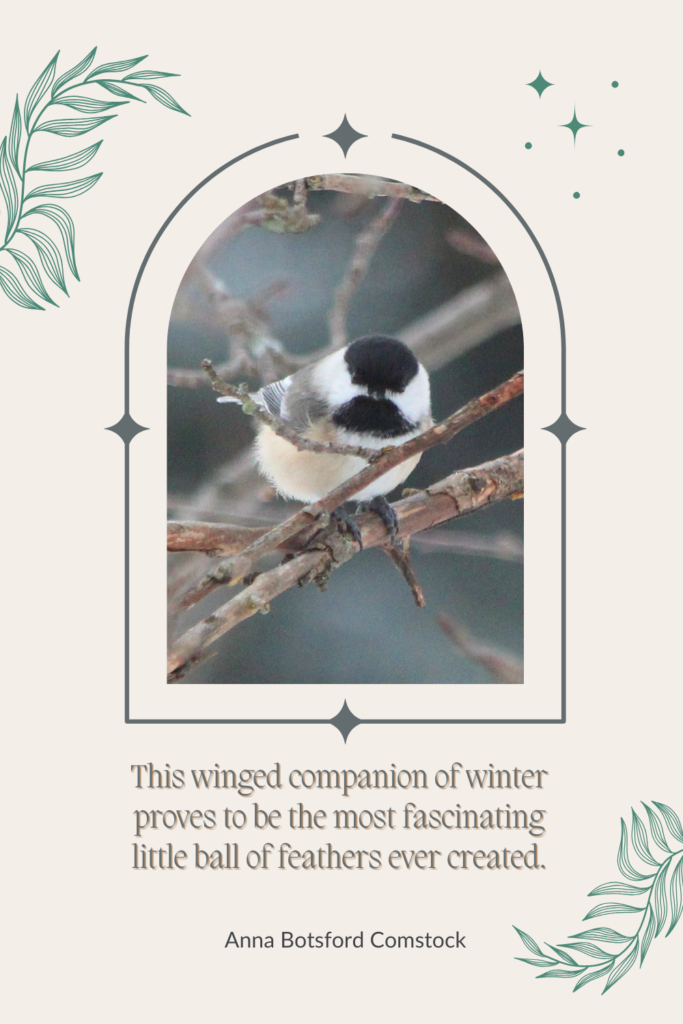
However, along with a fleeting yellow-rumped warbler sighting, we did see chickadees. I love these friendly, talkative little birds and find them reassuring. They’re here, as Anna Botsford Comstock points out in the Handbook of Nature Study (#ad) all year. She points out that:
- They have at least 3 songs/calls, from the “Chickadee-dee-dee” to the “Fee-Bee” of spring to the “delightful yodel” they occasionally make;
- They often travel with nuthatches. The nuthatches focus on insects embedded in the bark of trees, while the chickadees harvest insect eggs — estimated at up to 100 a day — in the tips and twigs of the branches.
- They usually have 8 chicks, all snuggled together in a cavity of a tree, fence post, or birdhouse.
I love these little birds and commend them for their hardiness in staying here year-round.
What have you been seeing in your nature explorations this week?
-
Field Notes: Cooper’s Hawk
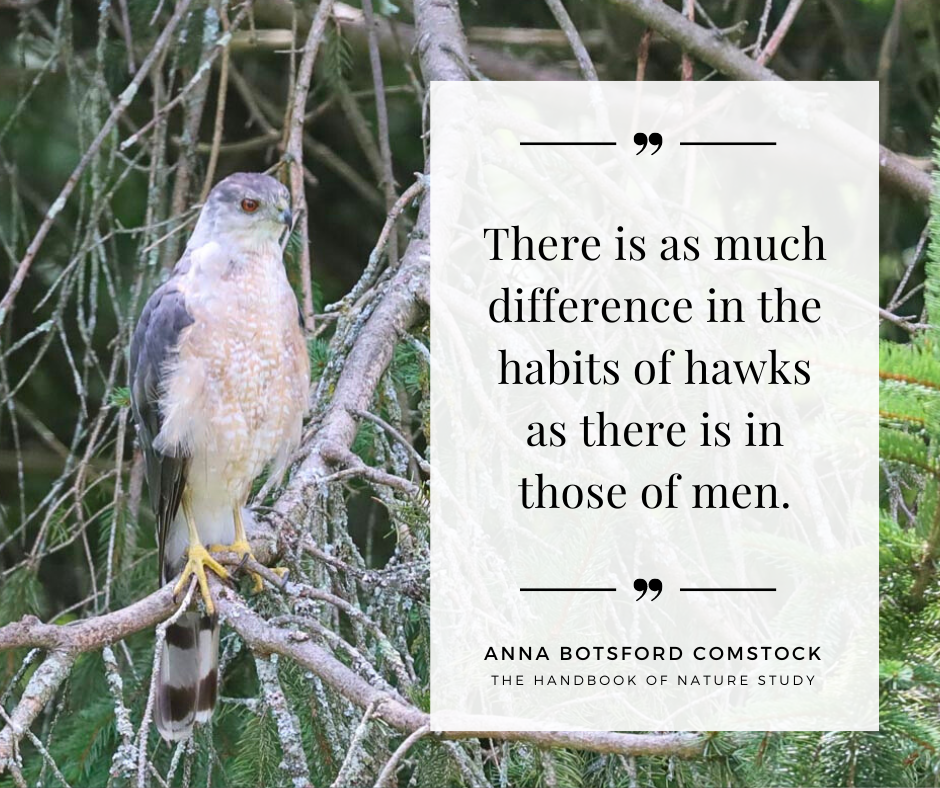
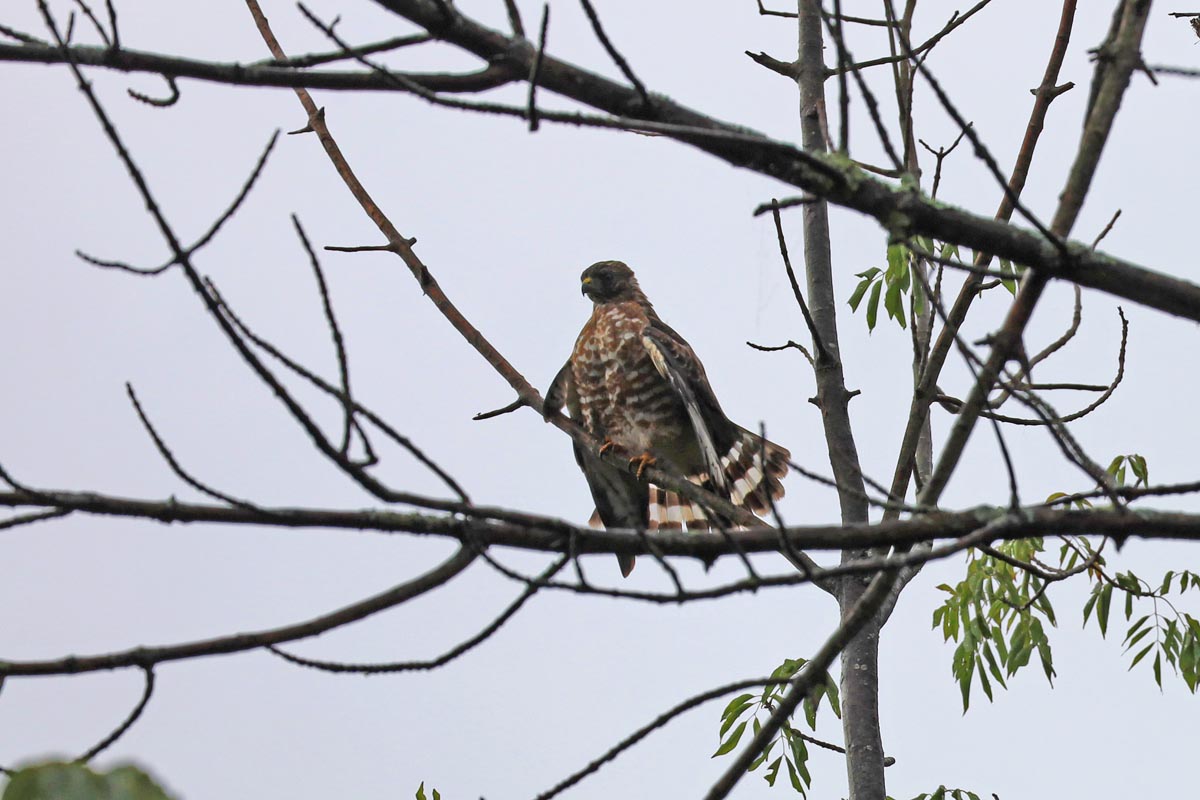
According to Anna Botsford Comstock, “It is the teacher’s duty and privilege to try to revolutionize some popular misconceptions about. . . hawks.” They are, she argues, “most unjustly treated, largely because most farmers consider that a ‘hawk is a hawk,’ and should always be shot to save the poultry, although there is as much difference in the habits of hawks as there is in those of men” (104).
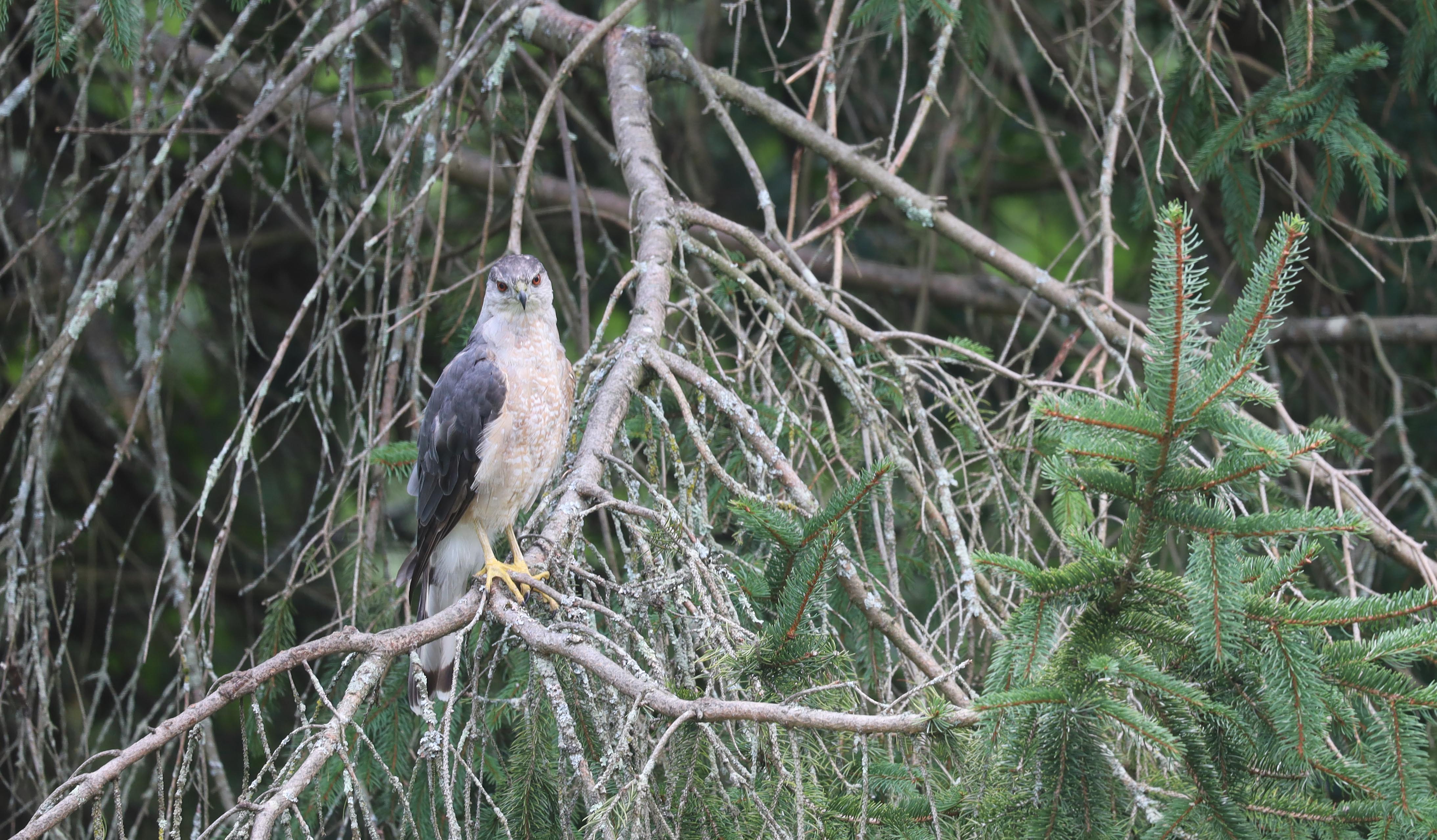
Click to enlarge image She’s writing in defense of the Red-tailed and Red-shouldered hawks. Unfortunately for the Cooper’s hawk, she considers it “to be feared” because it is “very destructive to poultry.”
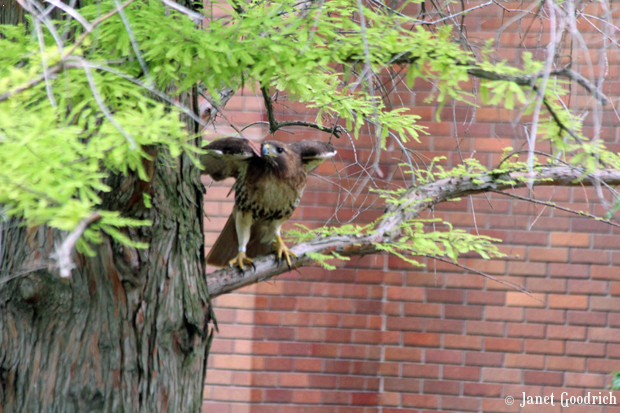
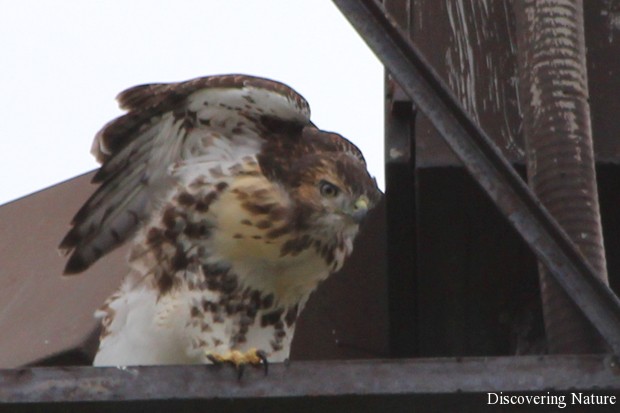
Admittedly this hawk is intimidating to look at. Its red eyes, lowered brow and habit of hunting other birds athletically through even dense foliage make it a cause for dread among songbird lovers. Mature hawks have blue-gray backs and long, striped tails. From our dining room window, we’ve seen a few birds expertly snatched in the Cooper’s hawk’s strong talons. Its habit is to squeeze its prey to death before consuming it, often mantling over it on the ground or in a tree to fend off other distressed birds. This post from a few years ago shows a Cooper’s hawk mantling — till another predator scares it away.
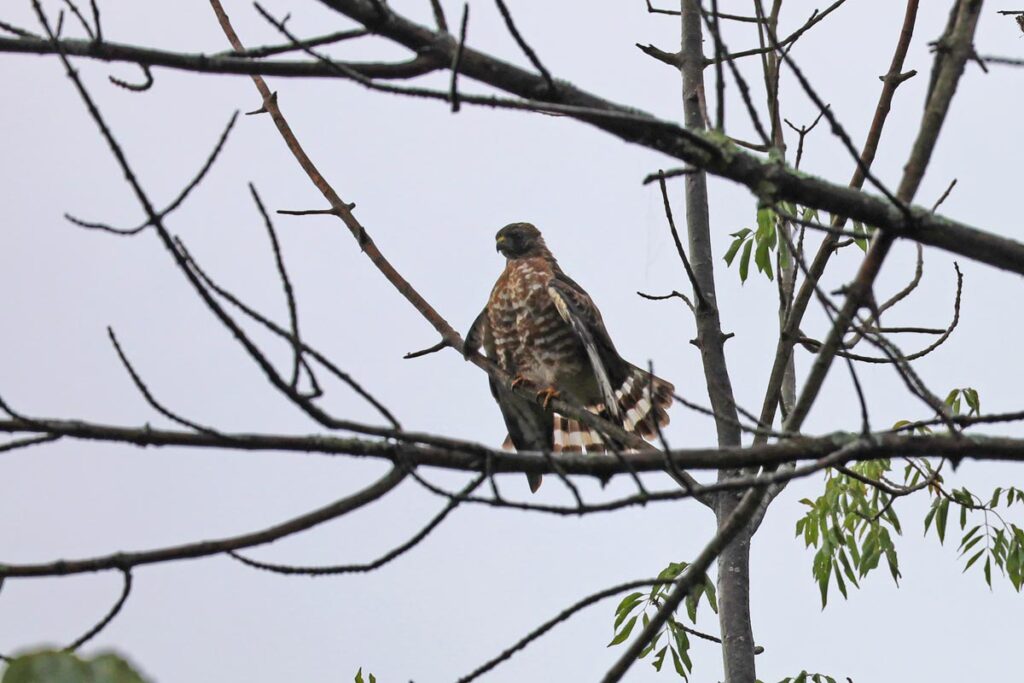
Cooper’s hawk drying out after rain I don’t keep poultry, so I’ve never seen a Cooper attack a chicken. But I love the songbirds and hate to see it take one.
Comstock points out the distinctive flight of these hawks, noting that they “flap their wings for a time and then glide a distance. They do not soar on motionless outspread pinions by the hour” (105). All About Birds adds some fascinating facts, including the discovery that almost a quarter of the Cooper’s hawk skeletons in one study showed healed-over chest fractures. When we see the speed and agility of their flight, it’s not hard to understand how a collision with a tree might happen.
If a Cooper’s hawk targets birds at your feeders, you can take them down for a few days and it will move on. However, if you have a pair that have long regarded your neighborhood as their territory for nesting and hunting, that solution doesn’t work too well. You can remove the feeder permanently if you don’t want to aid and abet the Cooper. But if this predator is only an occasional visitor, you can consider whether it does more good to the birds to leave the feeder up or take it down.

On the feeder – image from 2015 What have you been seeing in your yard or nature walks this week?
-
Greenwood Park
-
Red-Headed Woodpecker
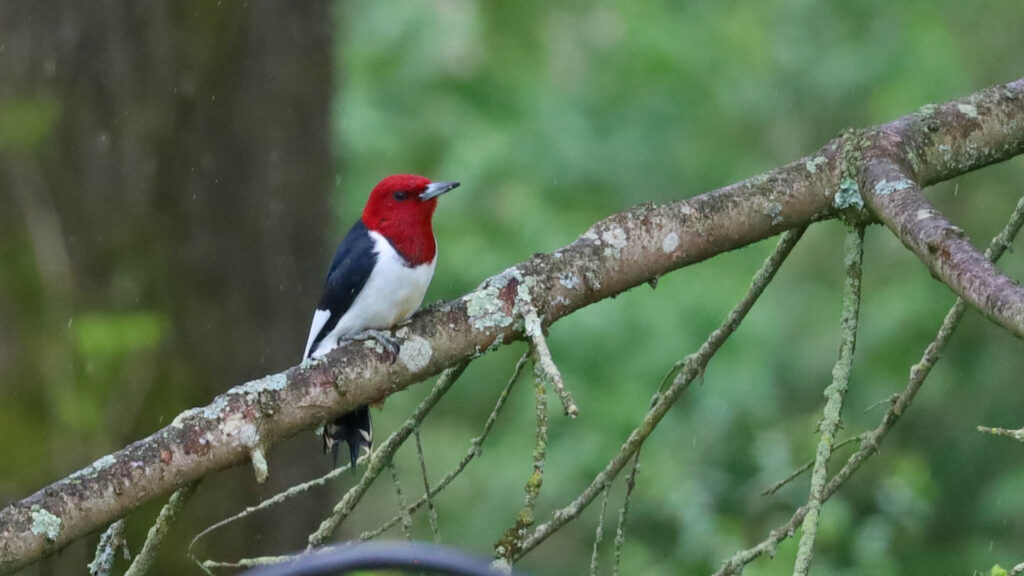
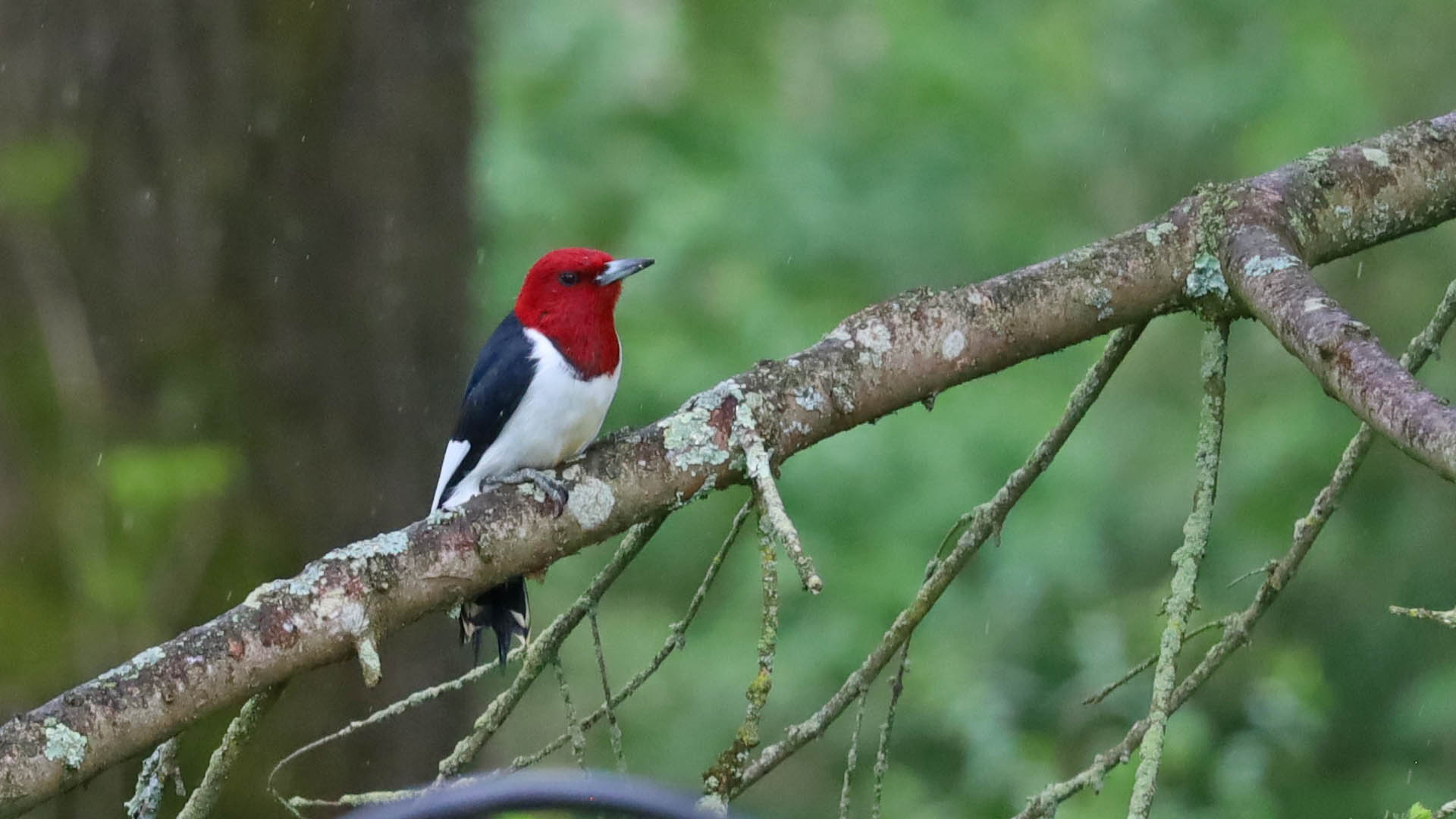
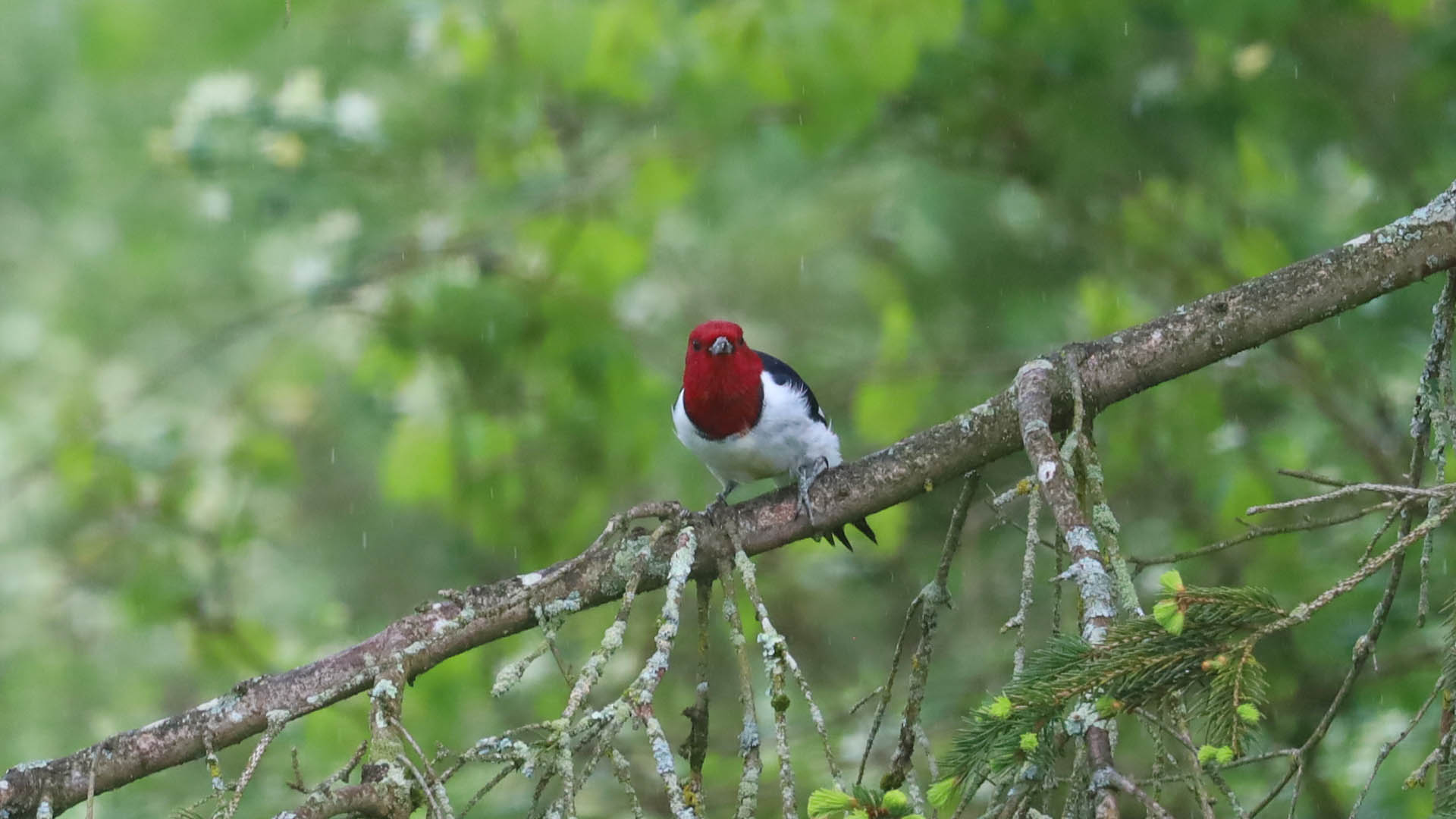
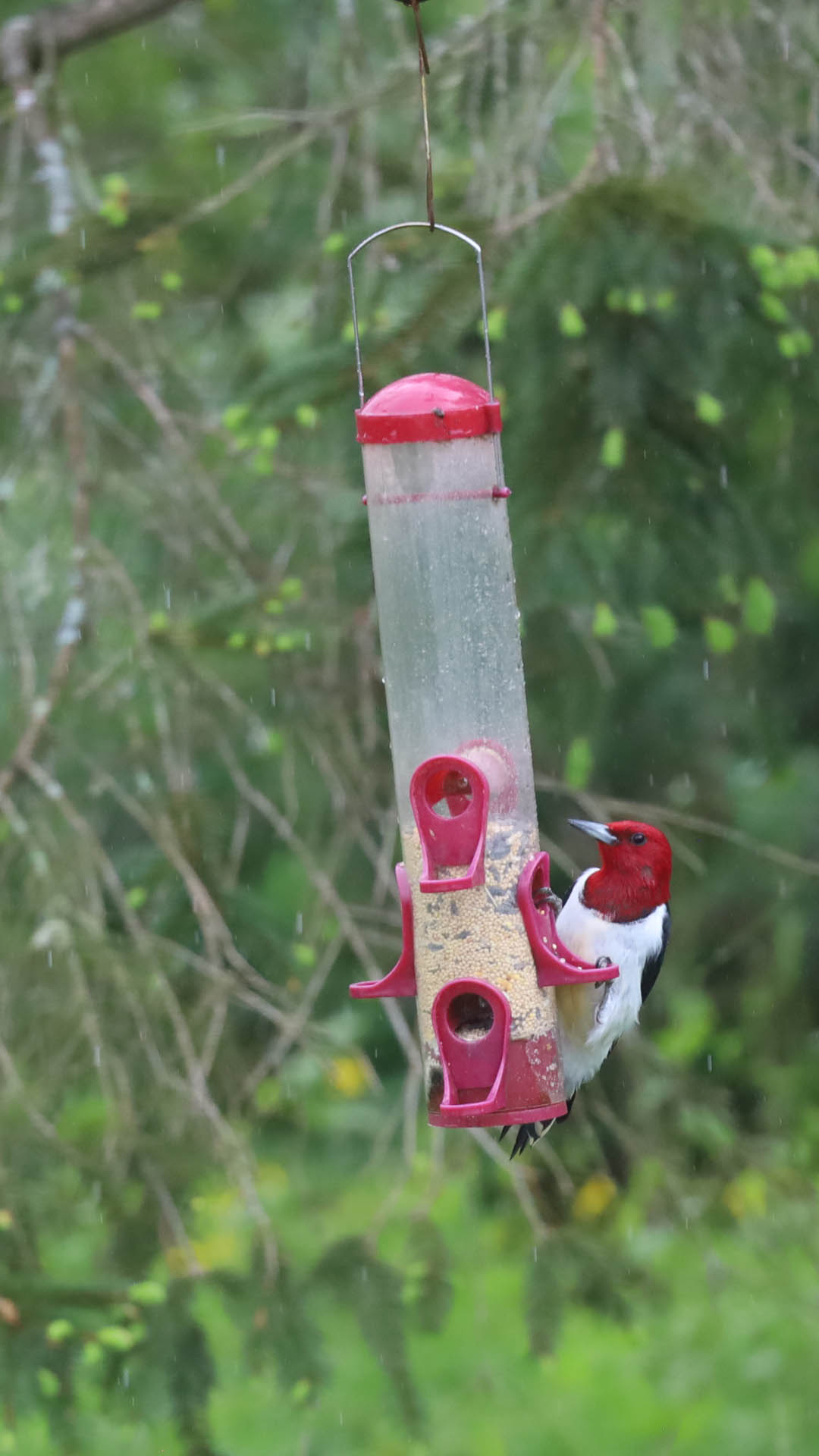
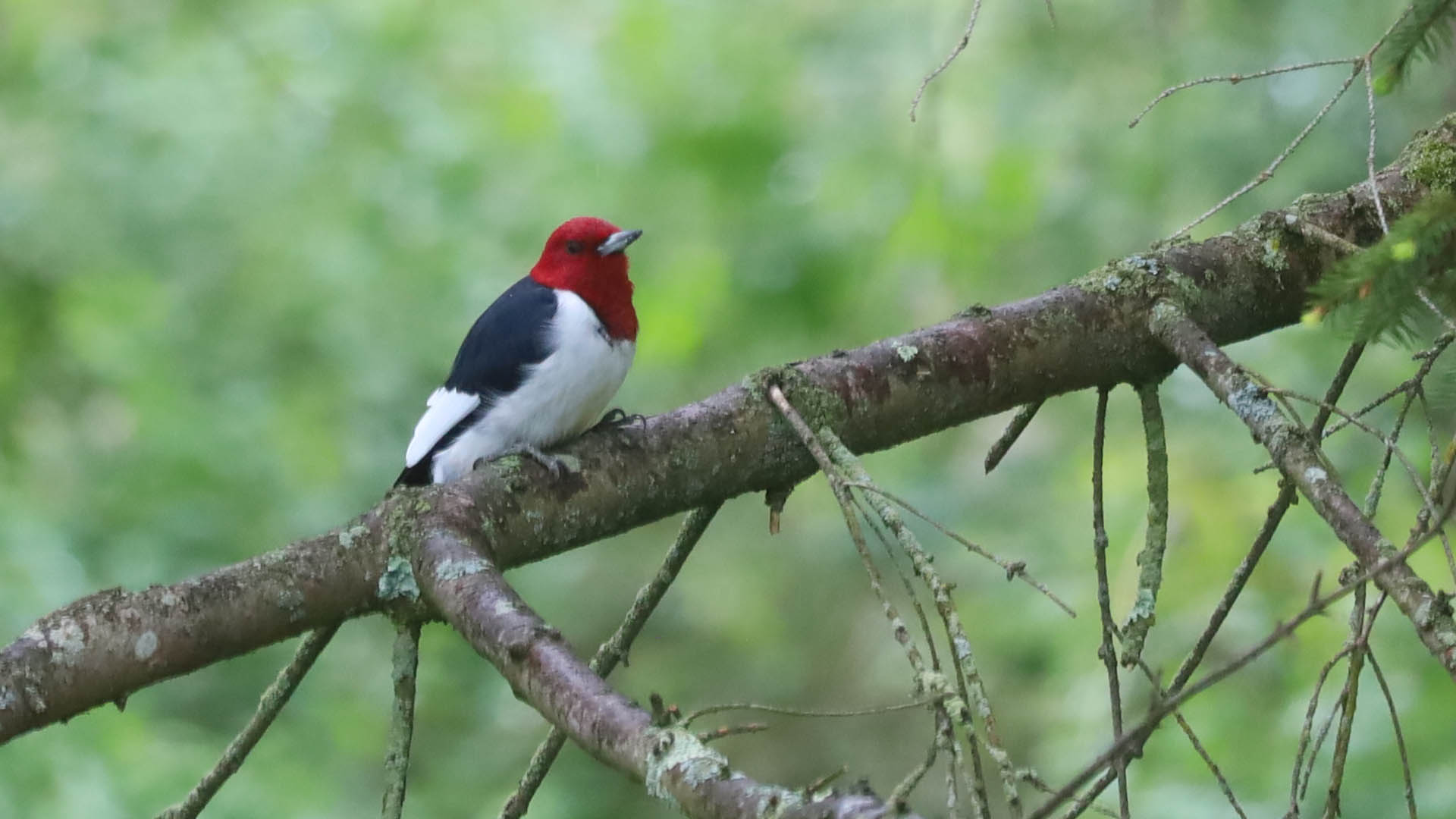
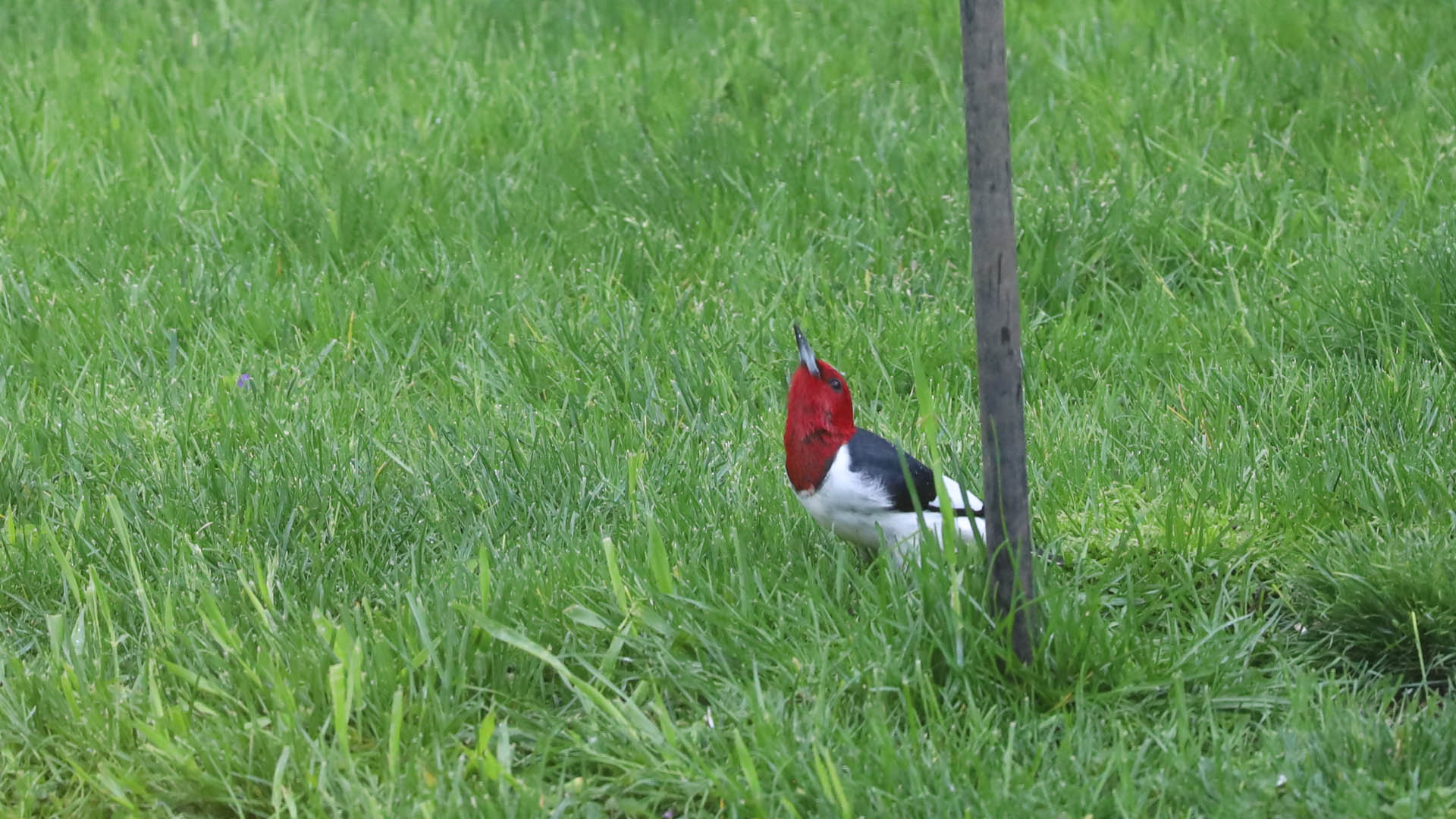
Never in my life have I seen a red-headed woodpecker — till one day recently when this one showed up at our bird feeder and spent a day or two in the brush beyond our back yard. It was taking seeds and storing the in the bark of trees, so we hoped it might find this a hospitable place to stay for the summer. But it apparently moved on.
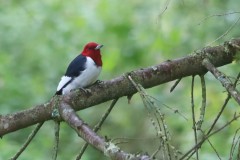
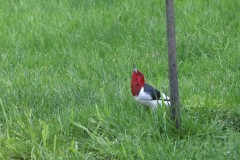
My father has spoken before of seeing one when he was 6-years old. It raised young in a dead tree in front of his house. The city cut down the tree the following year, and there were no more woodpeckers.
All About Birds lists them as in steep decline. I guess they are more common farther to the south, but I suspect this is a once-in-a-lifetime sighting. I felt very blessed.
-
Visiting Chincoteague
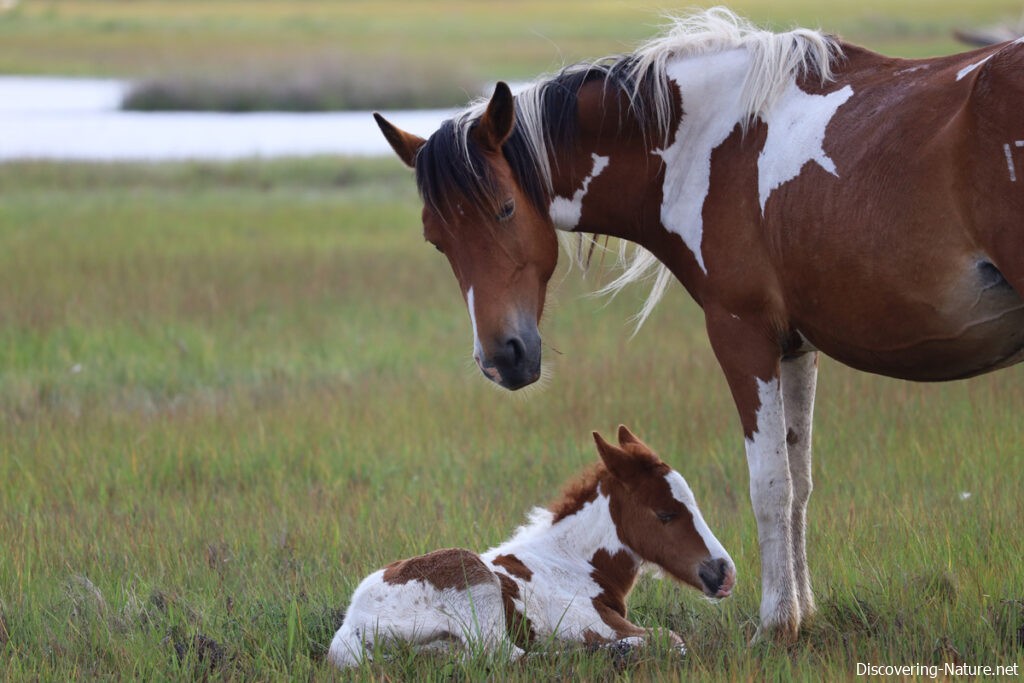
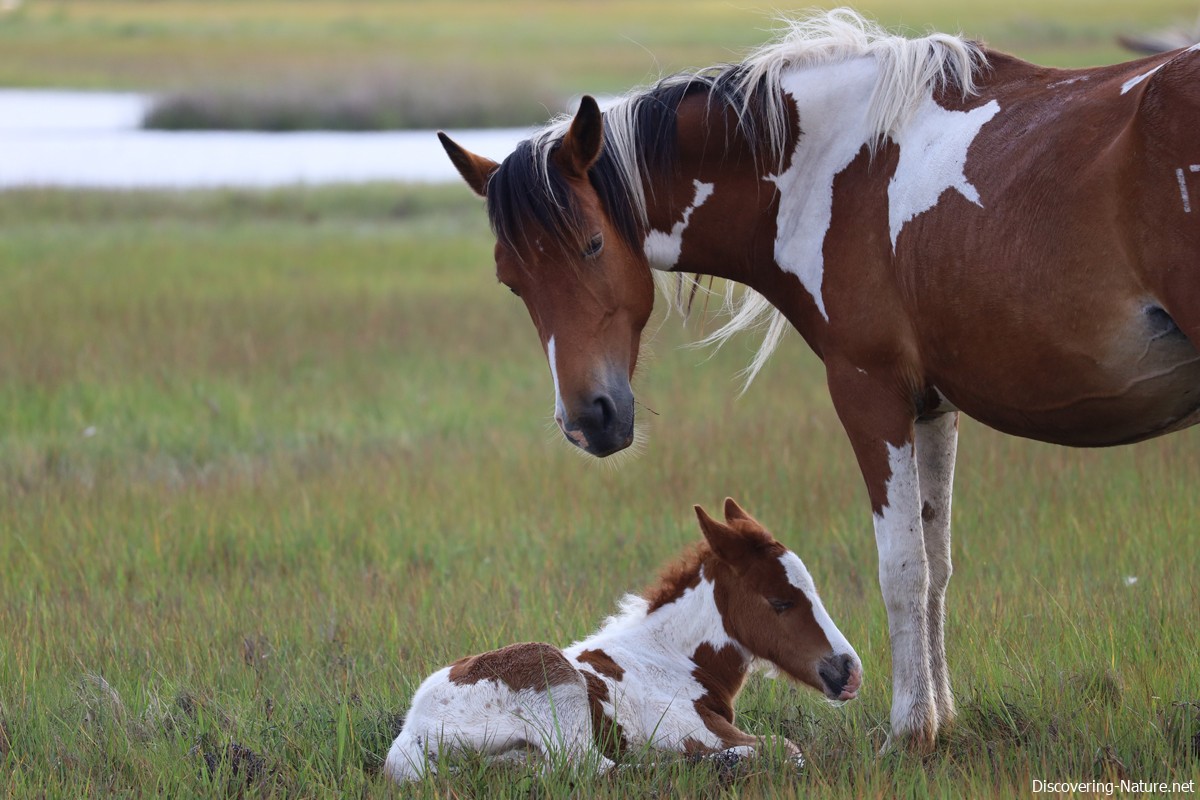
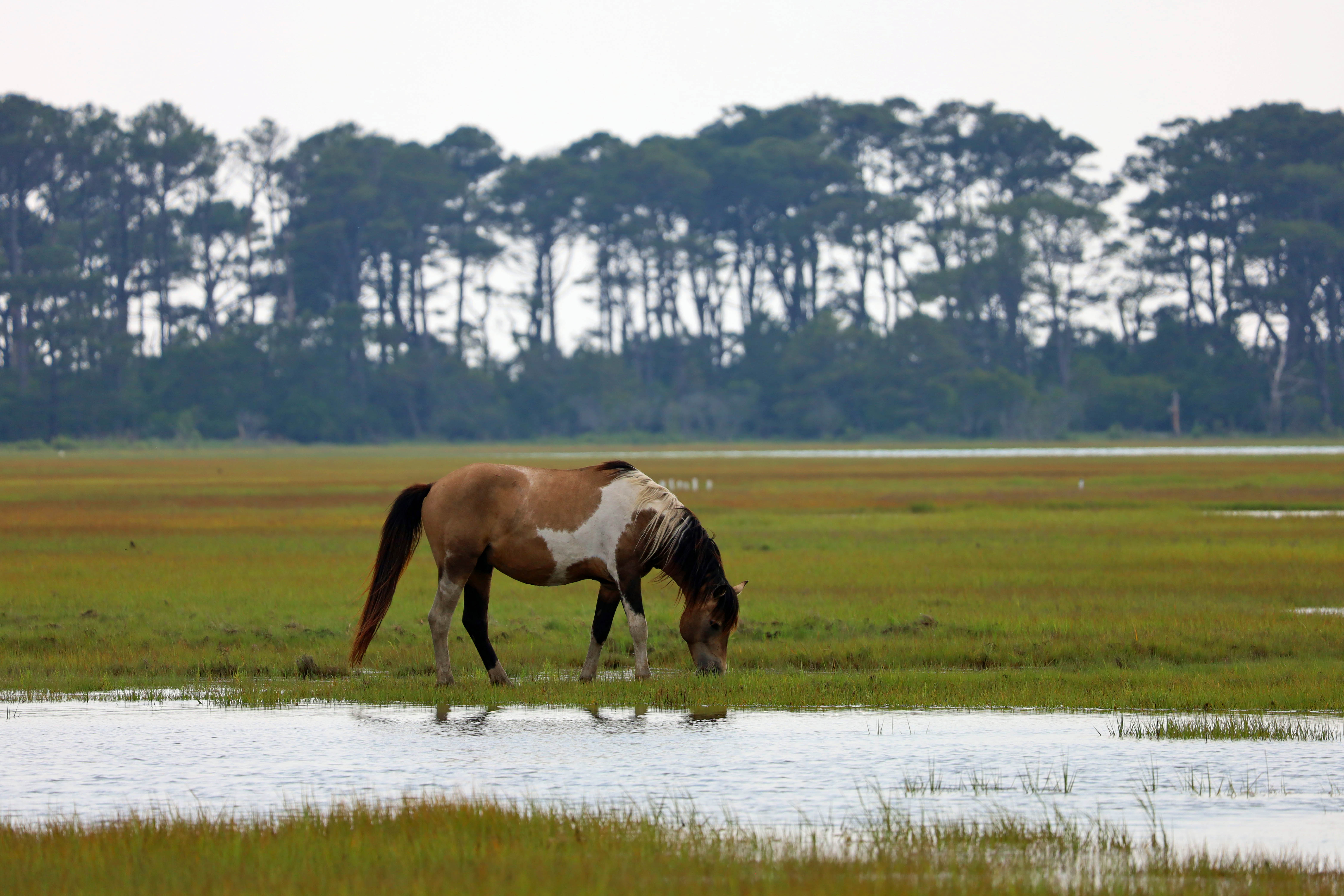
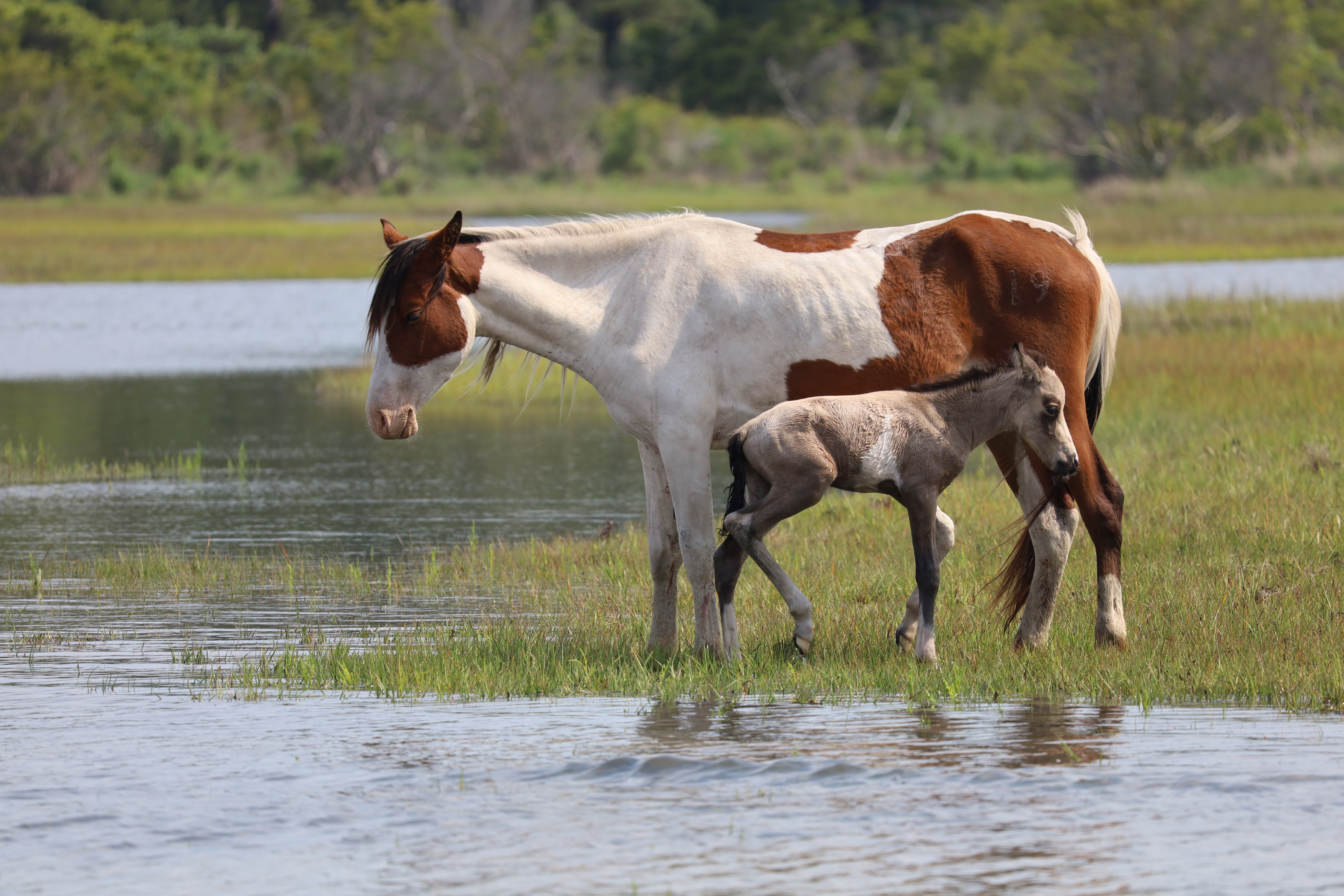
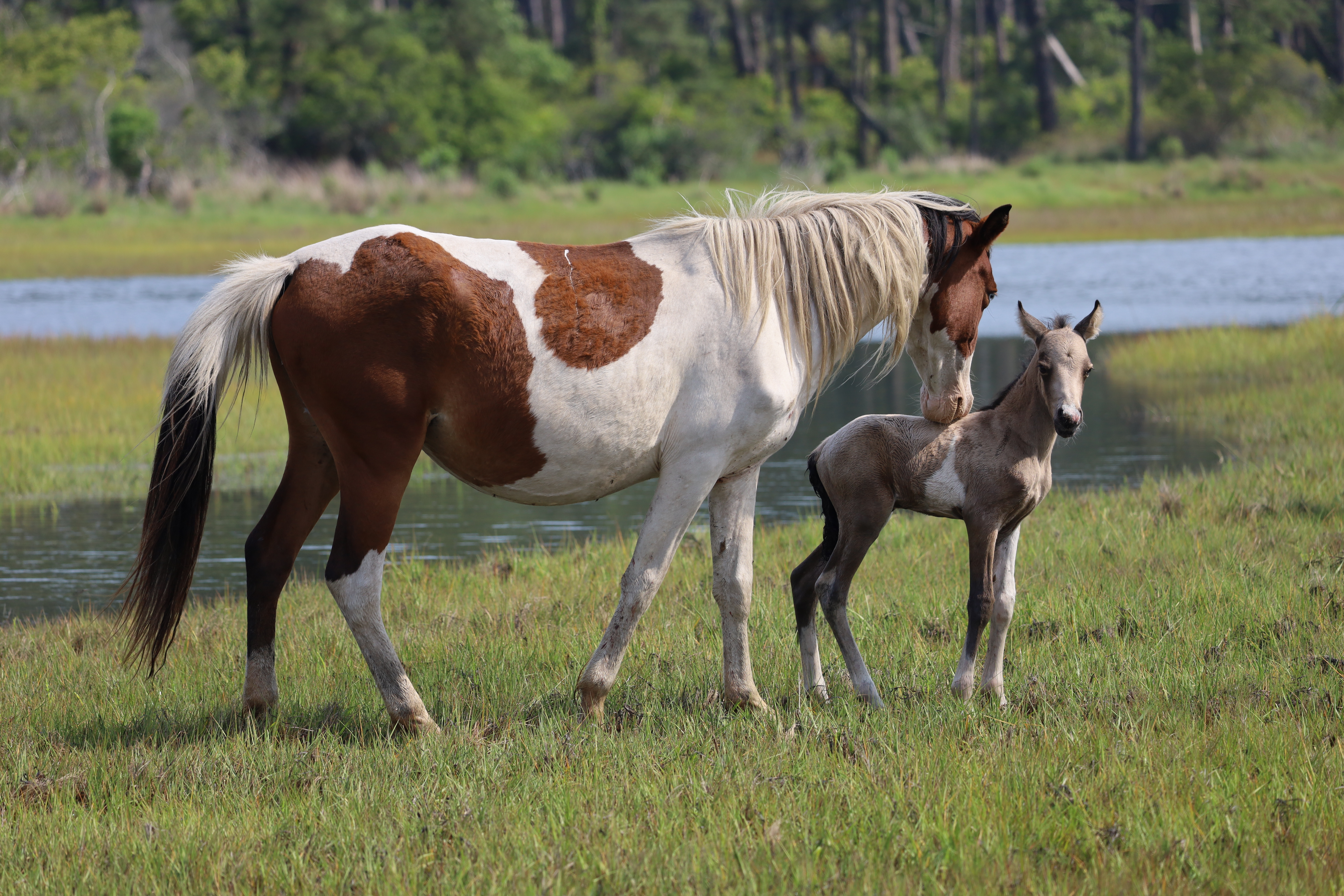
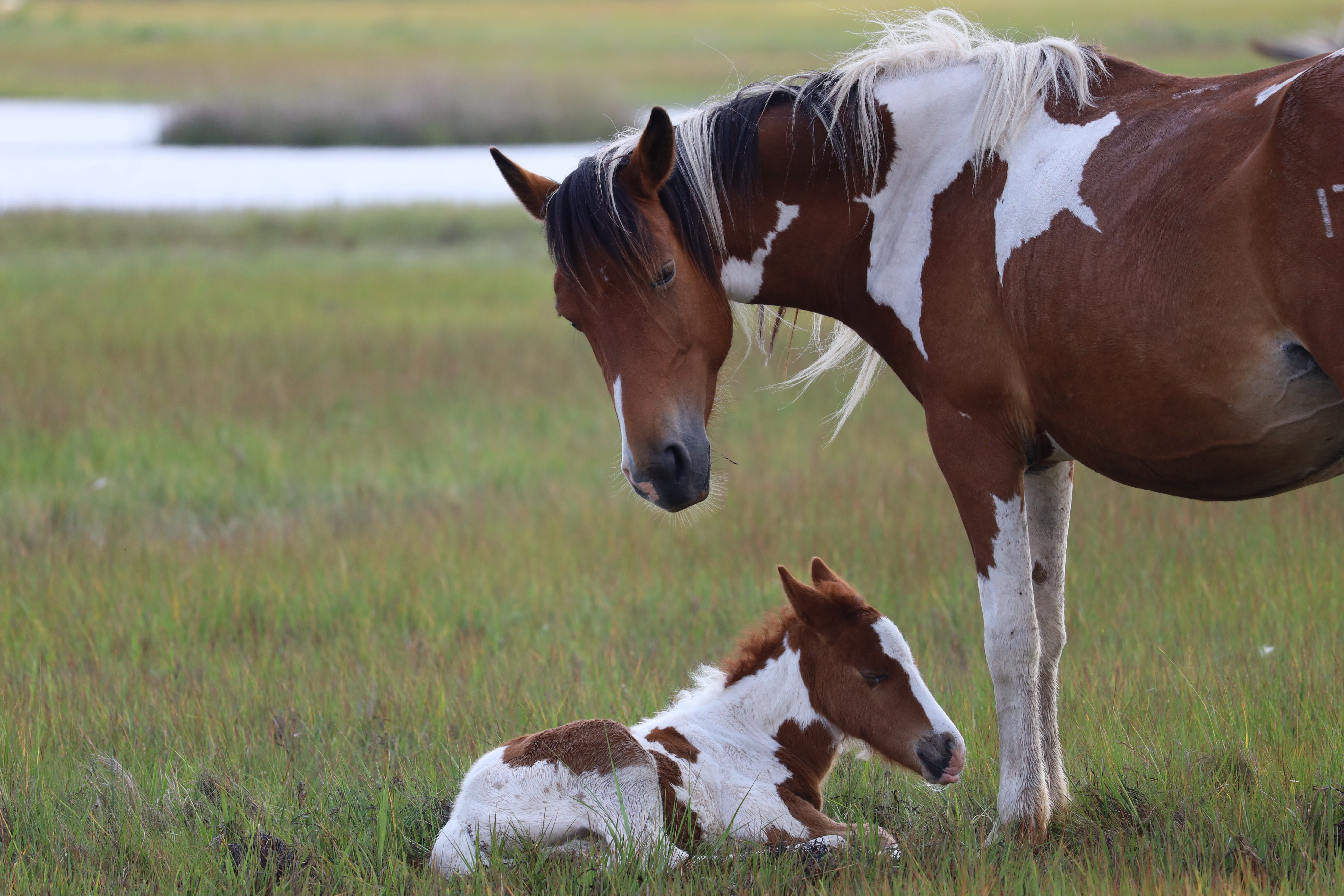
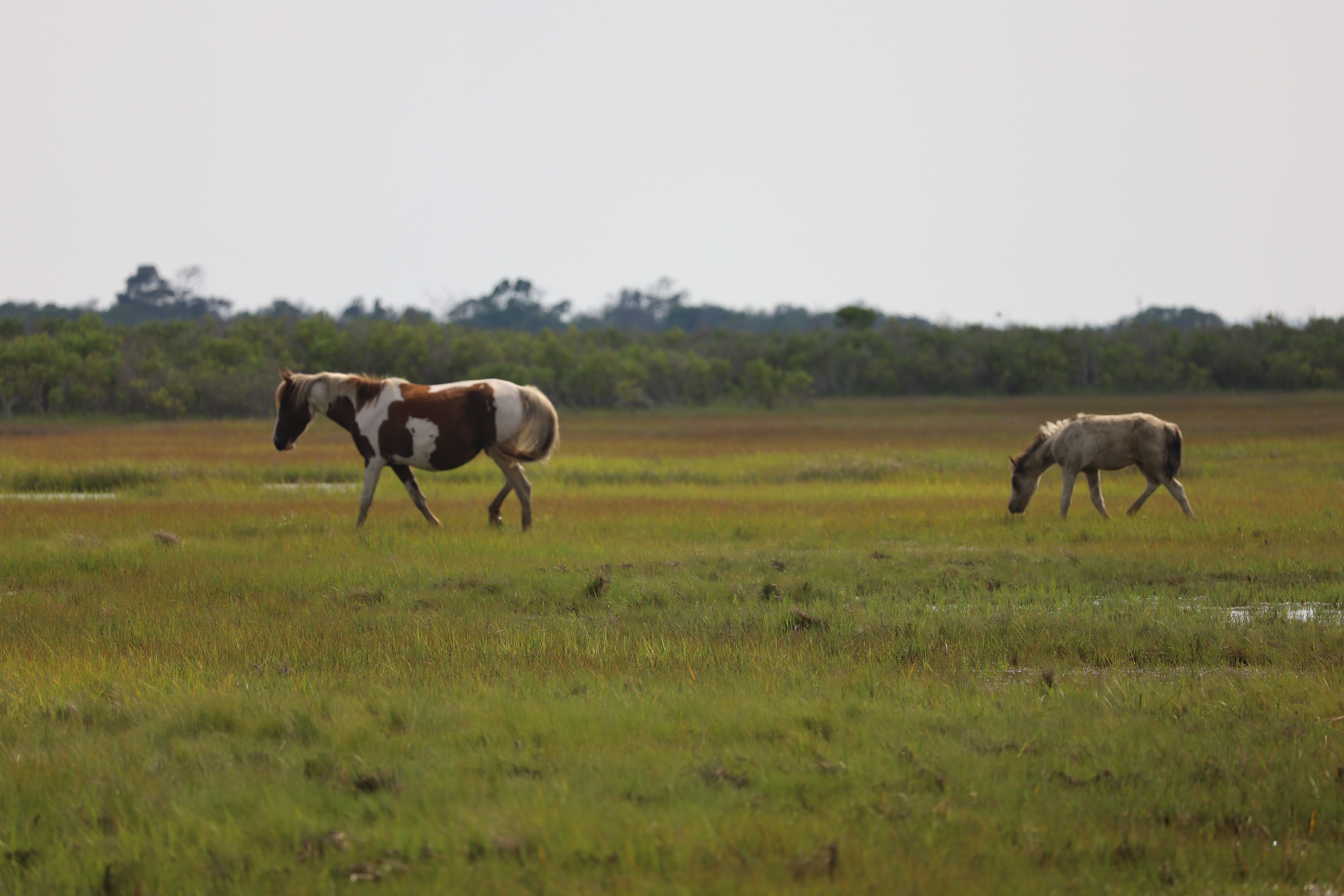
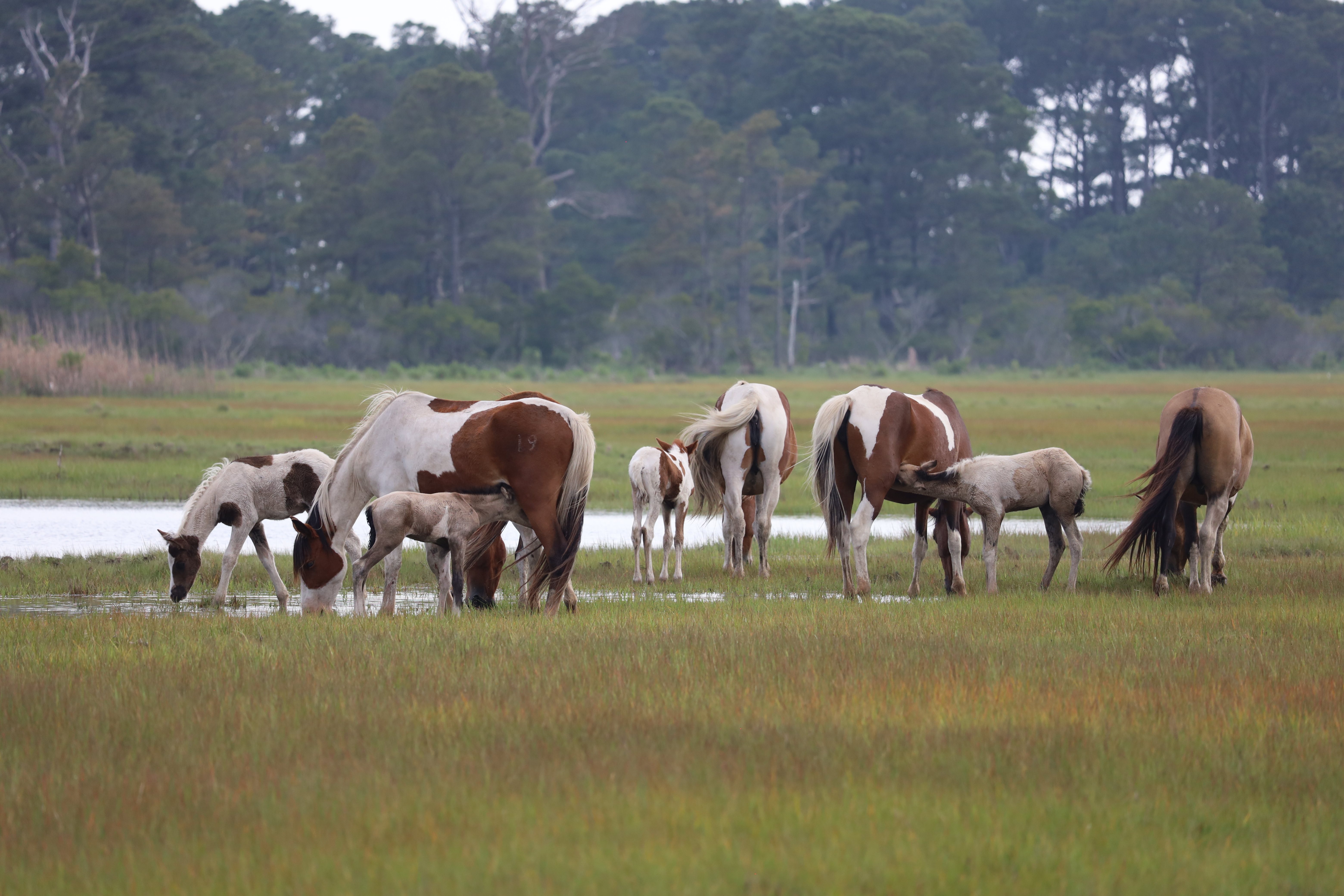
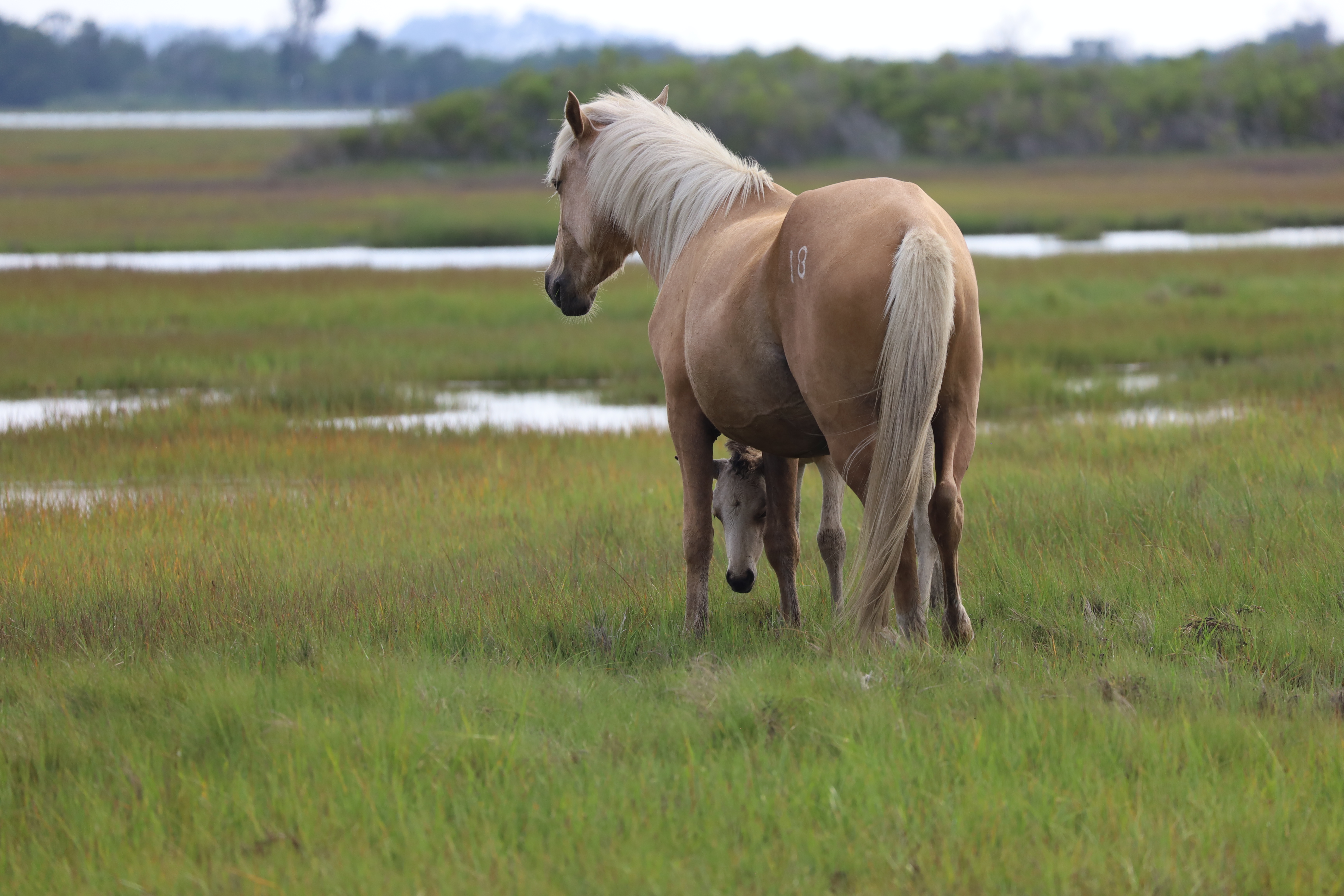
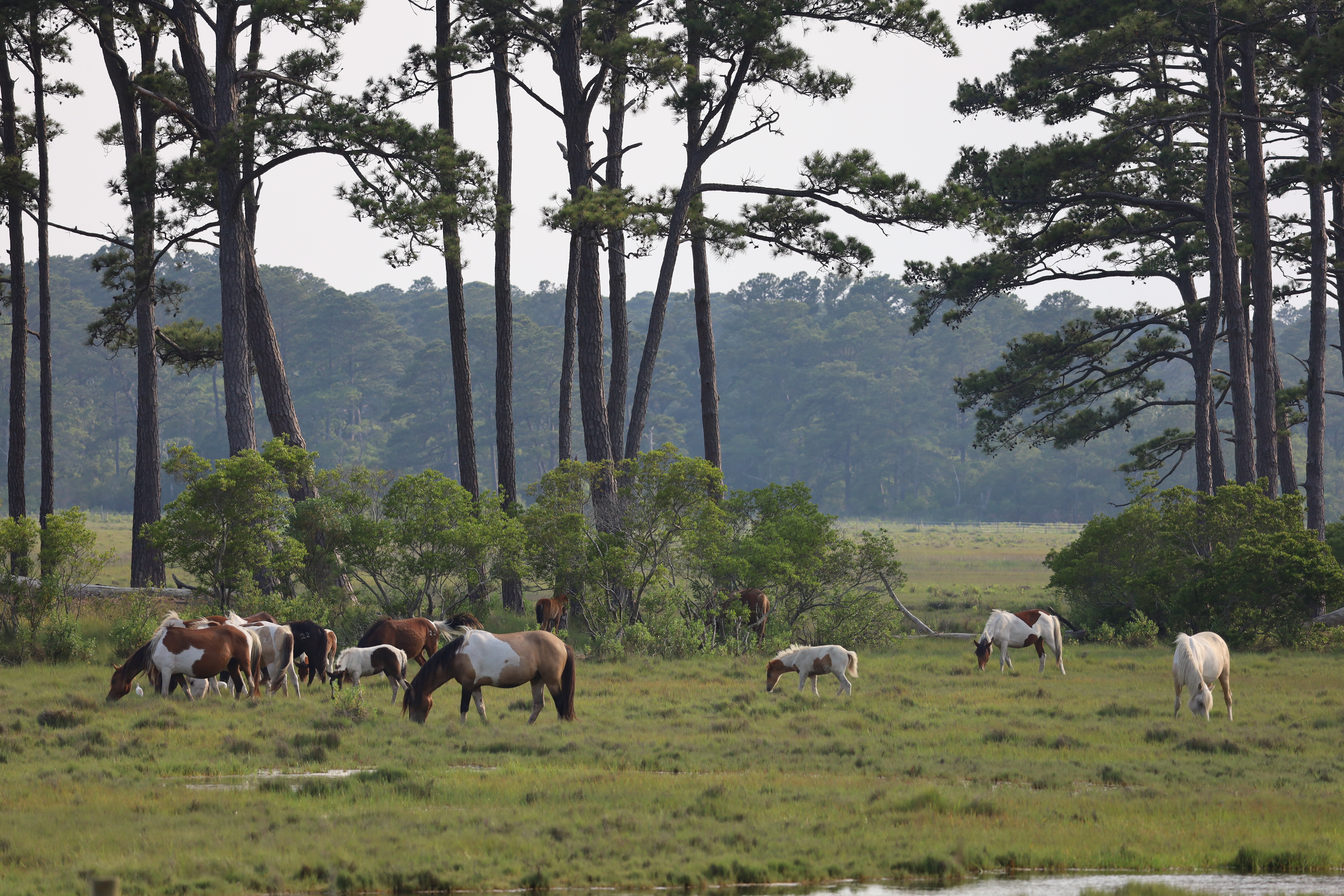
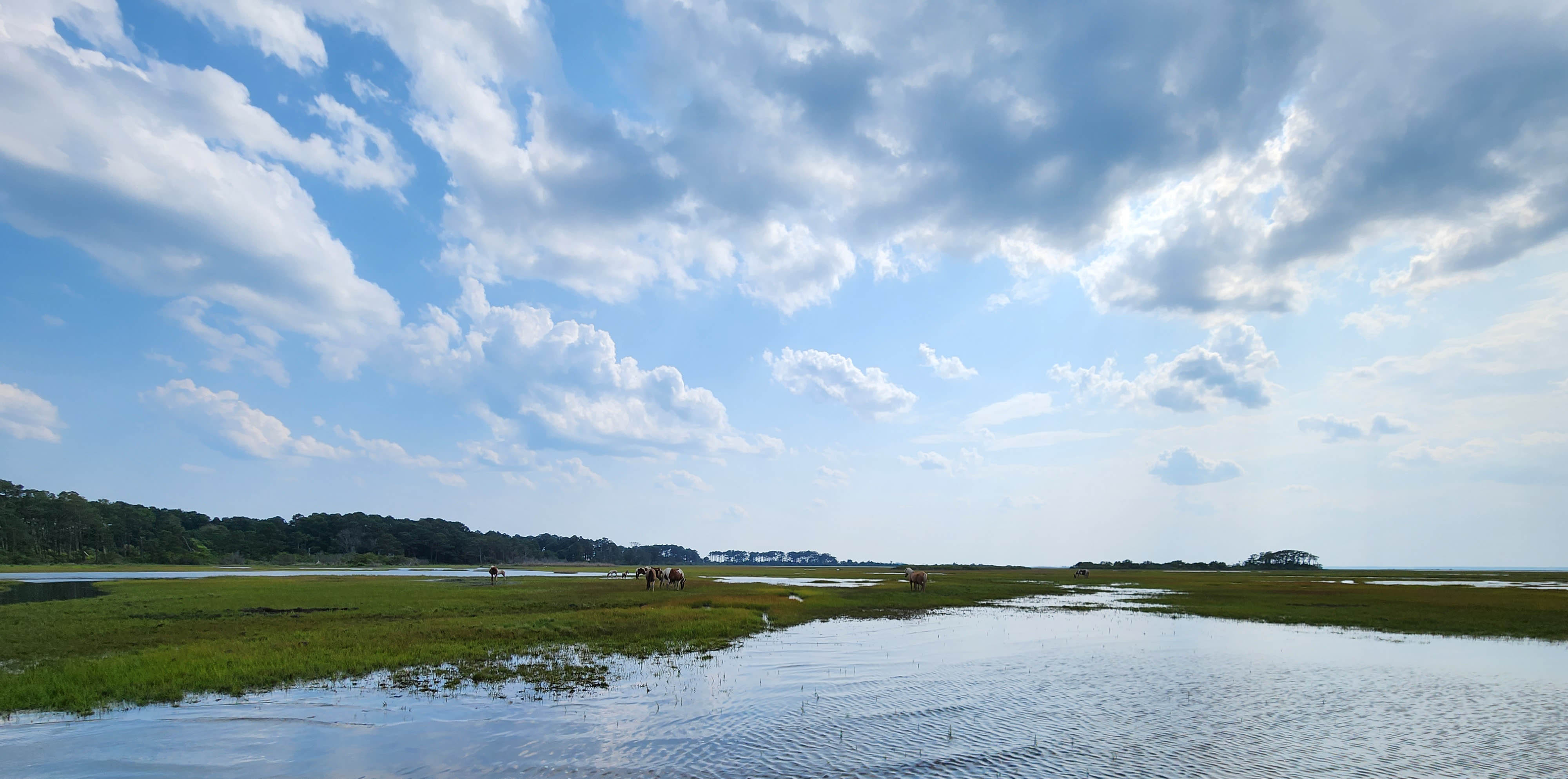
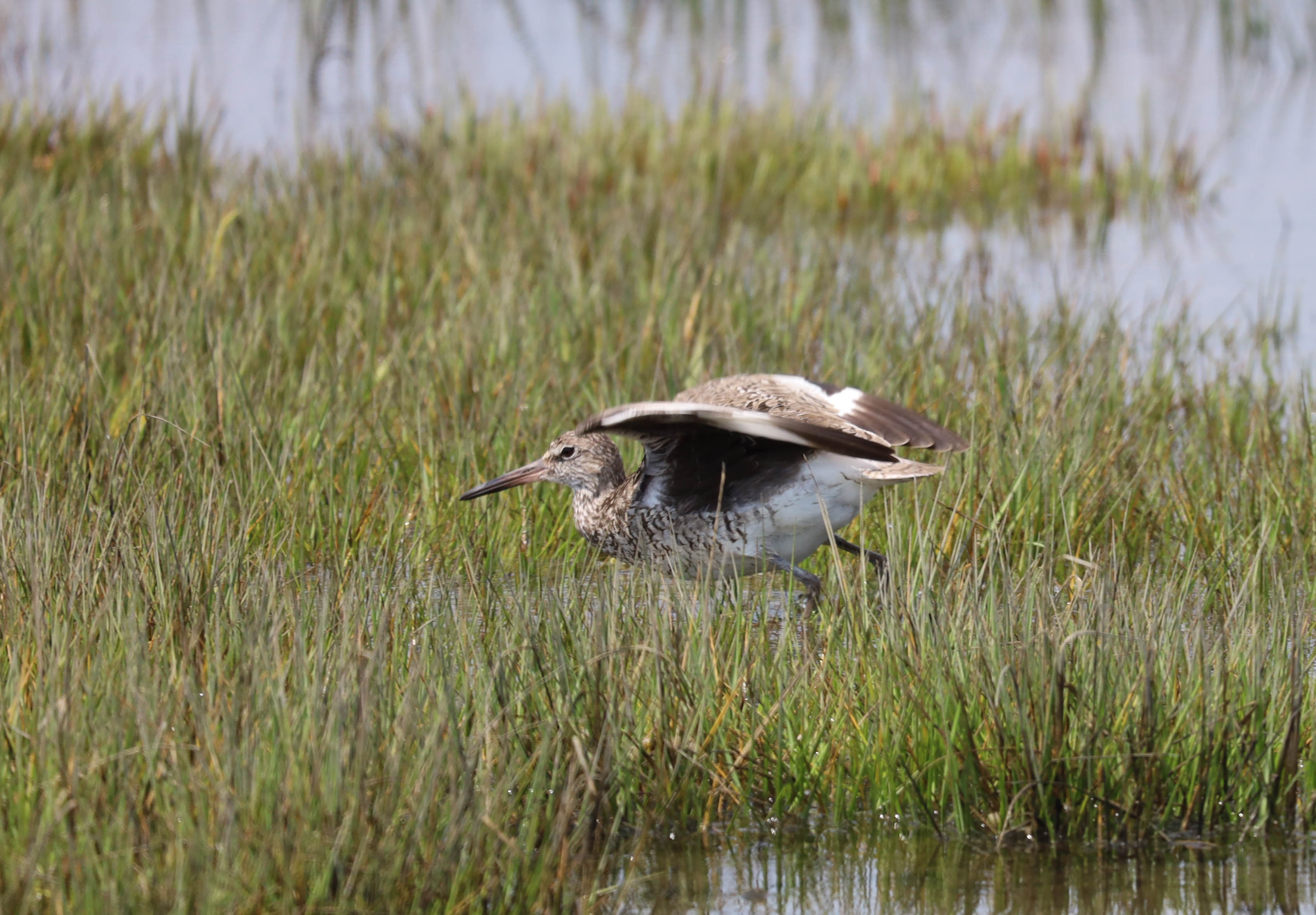
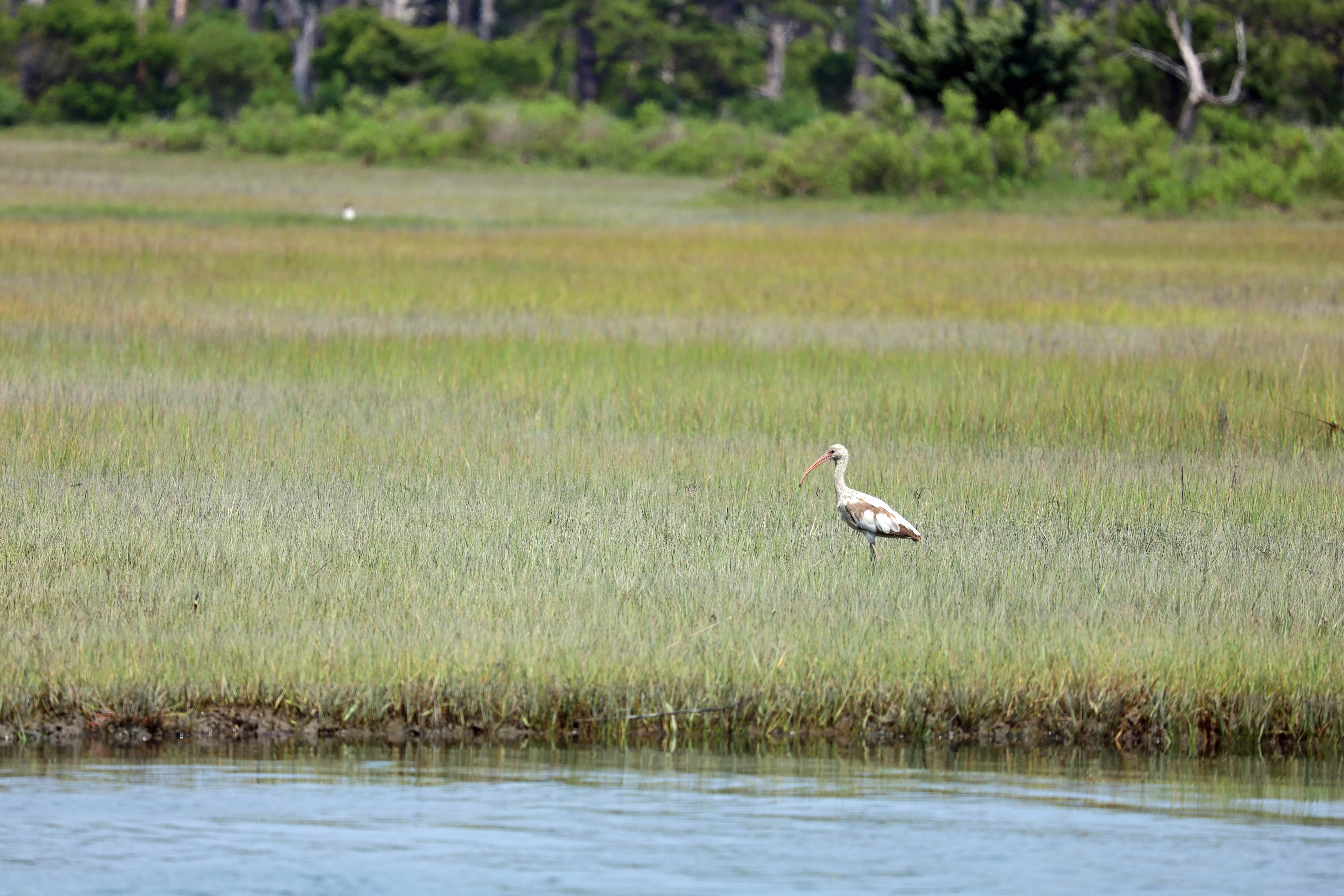
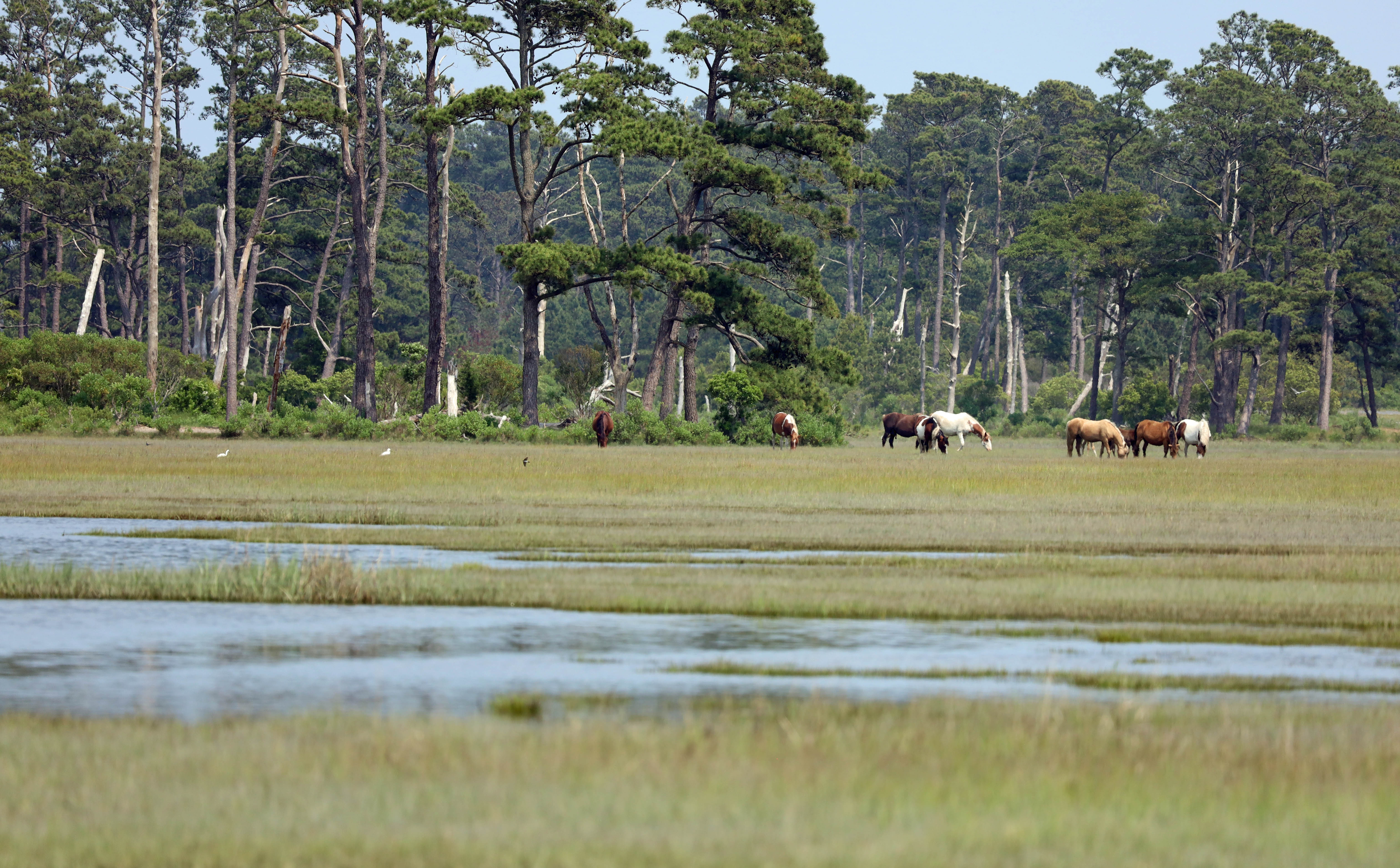
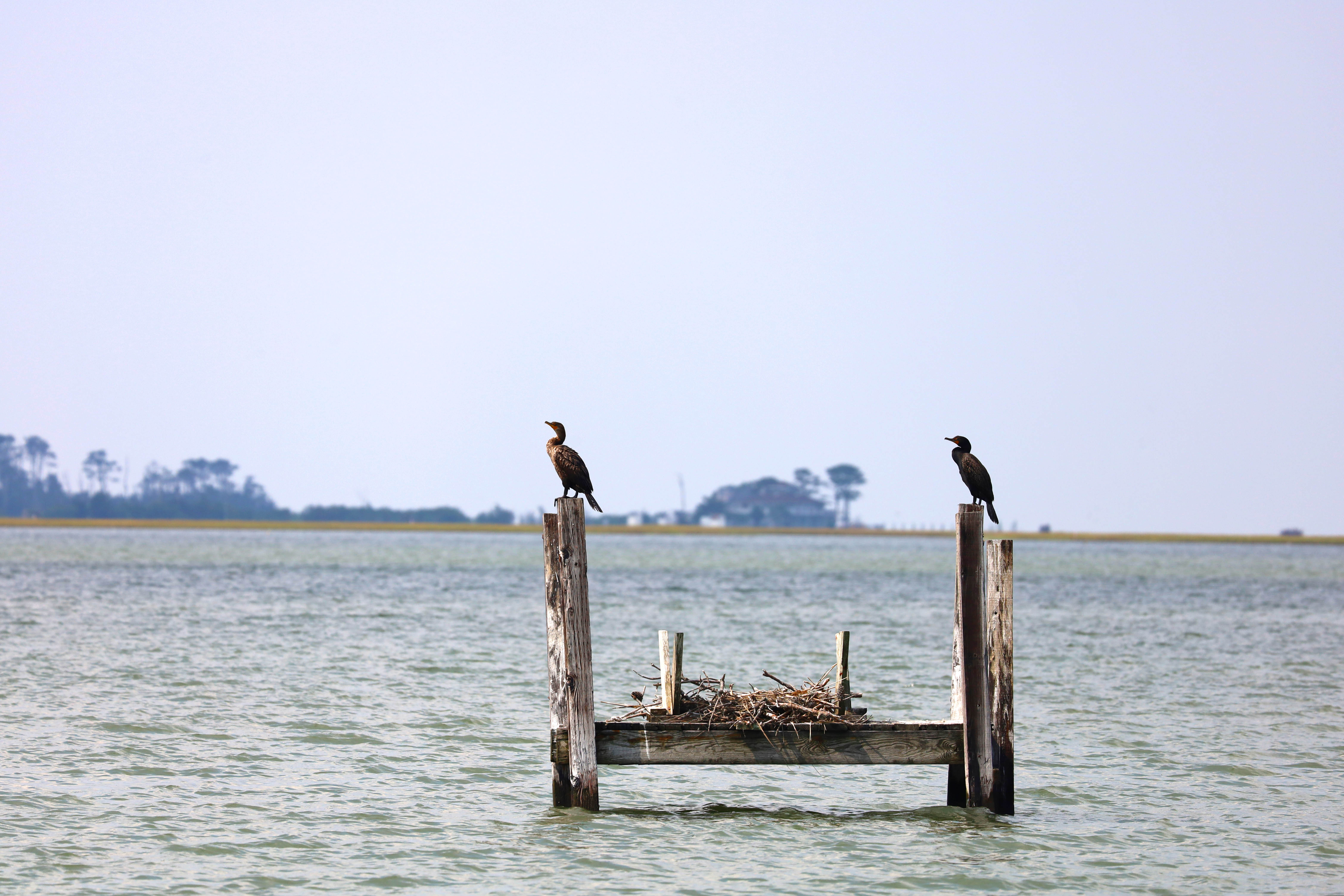
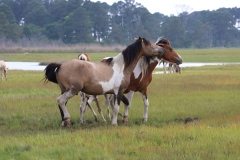
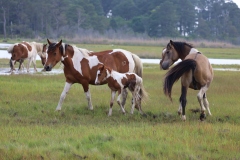
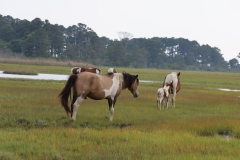
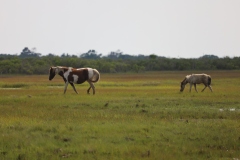
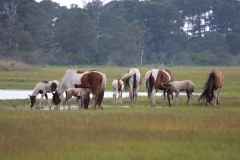
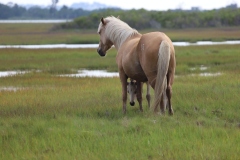
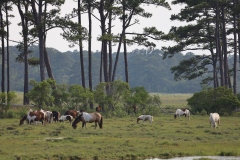
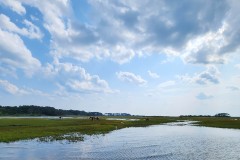
Despite being a diehard Marguerite Henry fan as a child, and revisiting the books and movie with my daughters as an adult, I’ve never been to Chincoteague. Till last week, that is. We stopped on our way back north from a vacation further south, spending a night in “America’s happiest seaside town.”
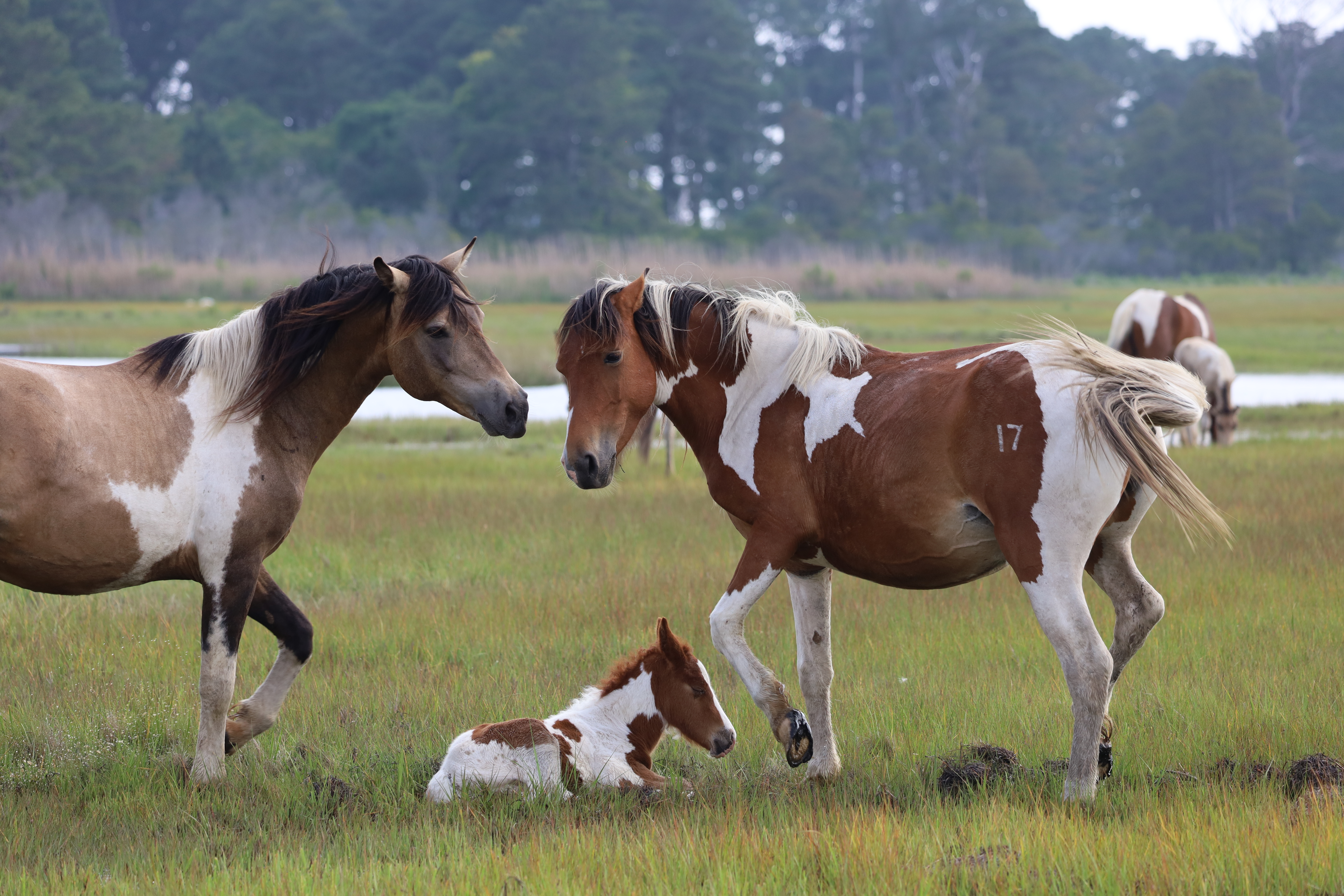
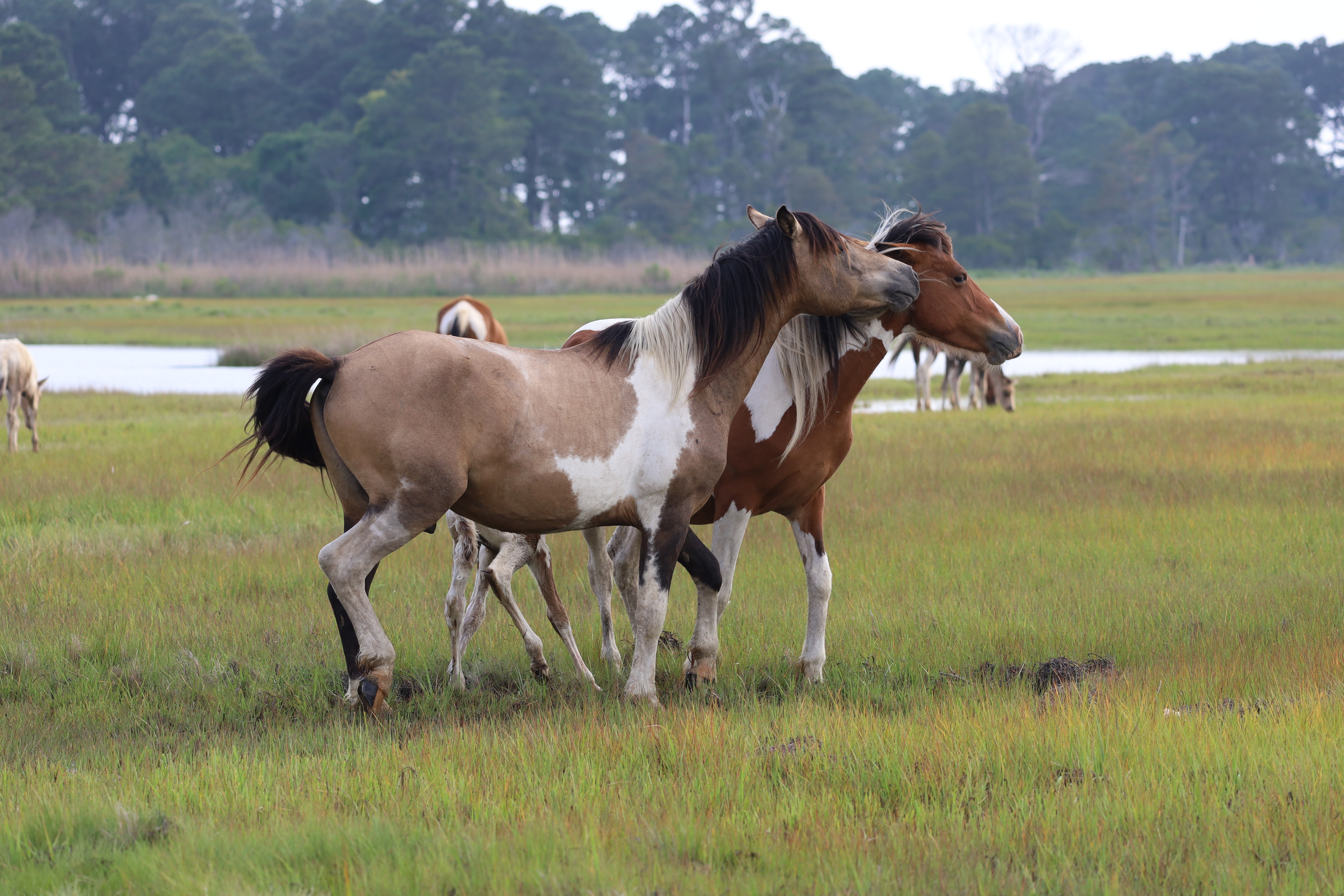
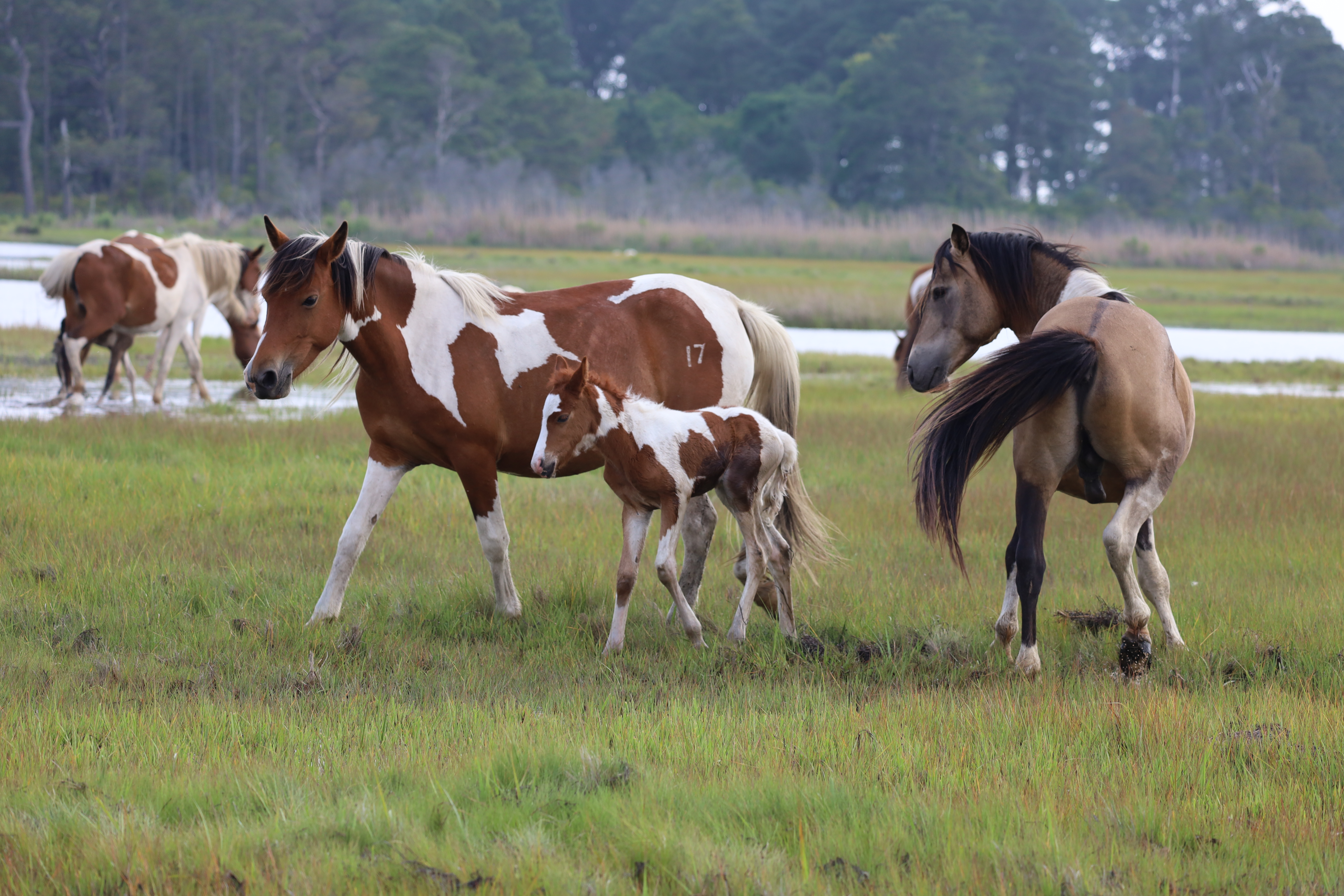
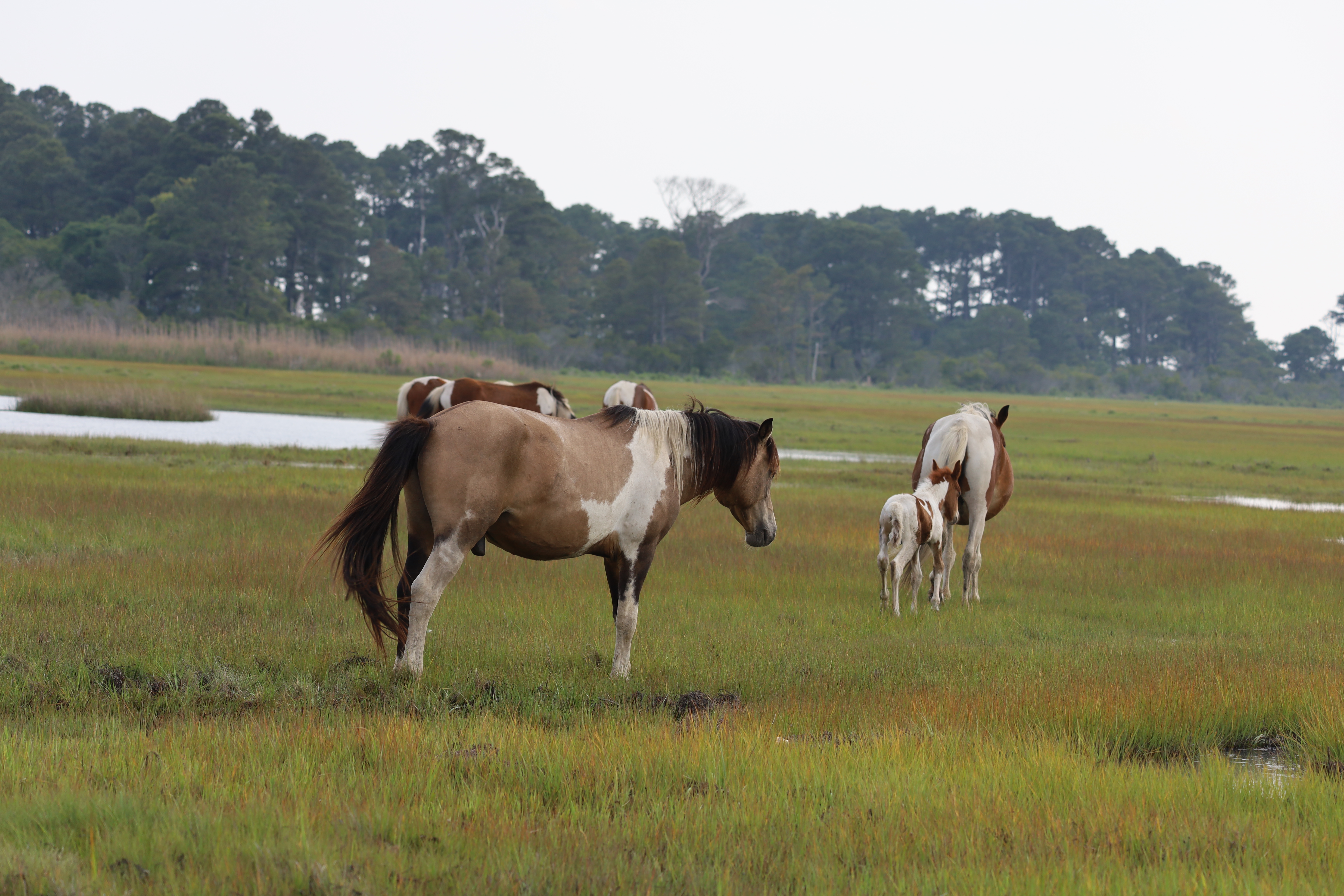
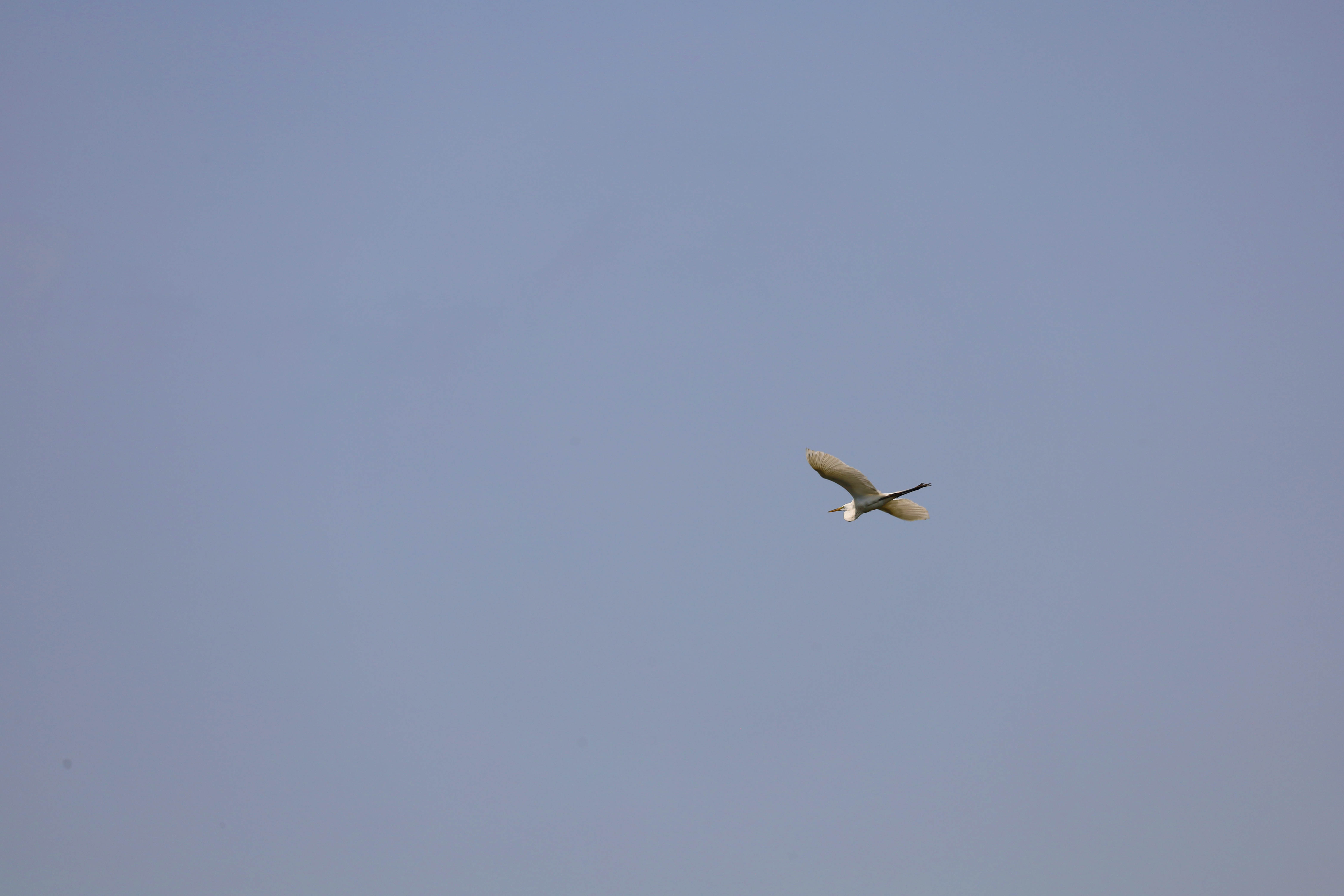
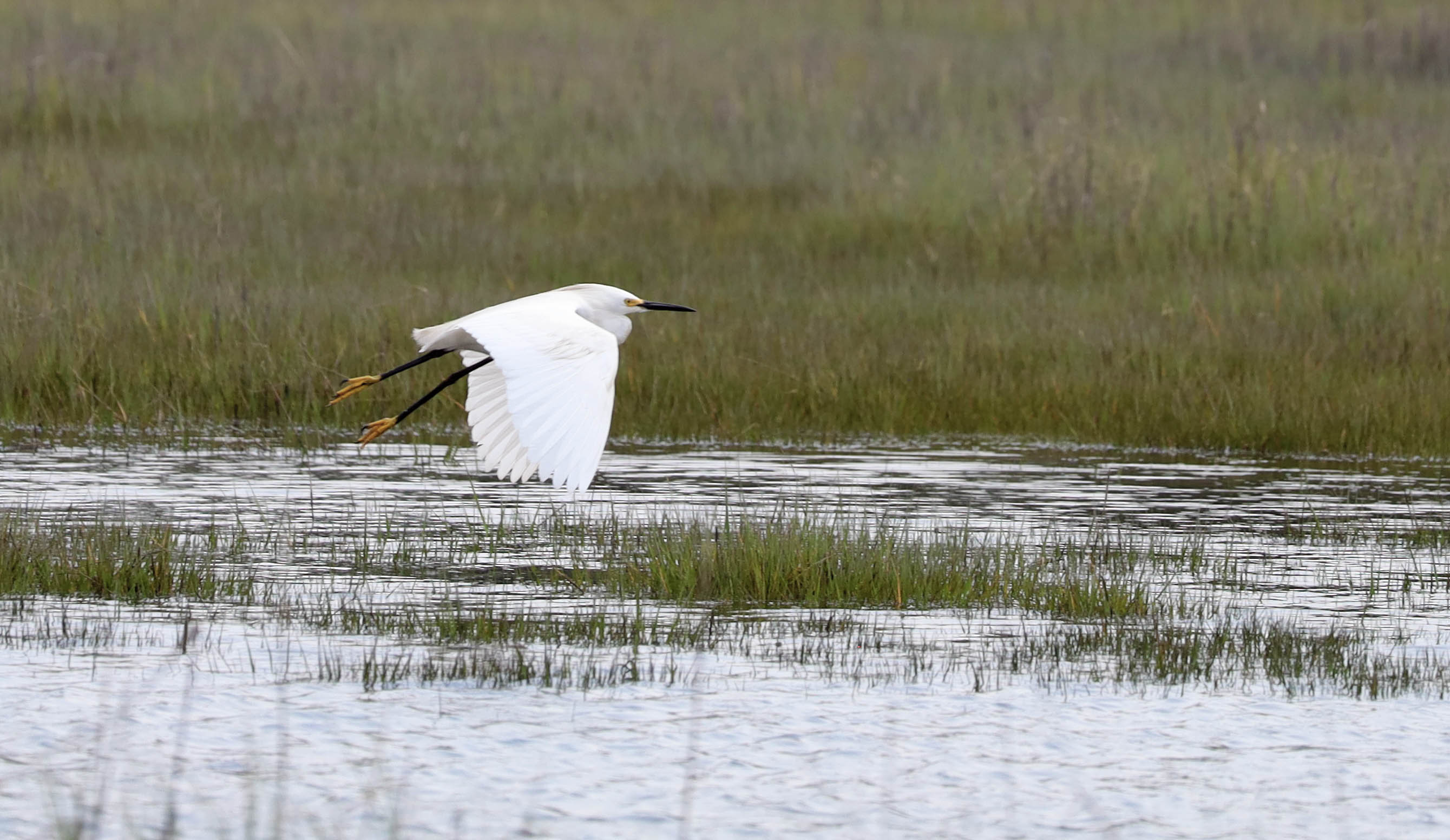
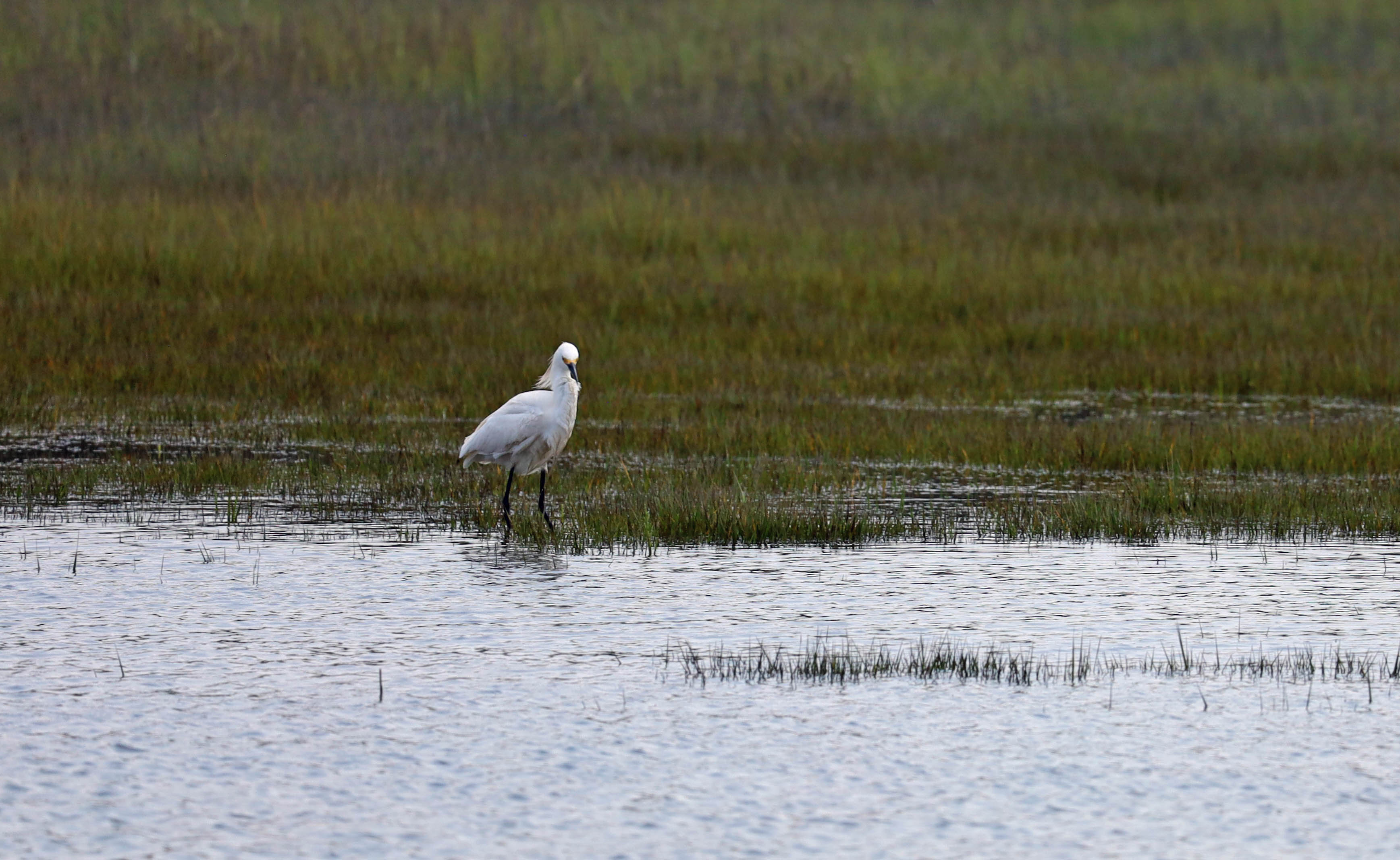
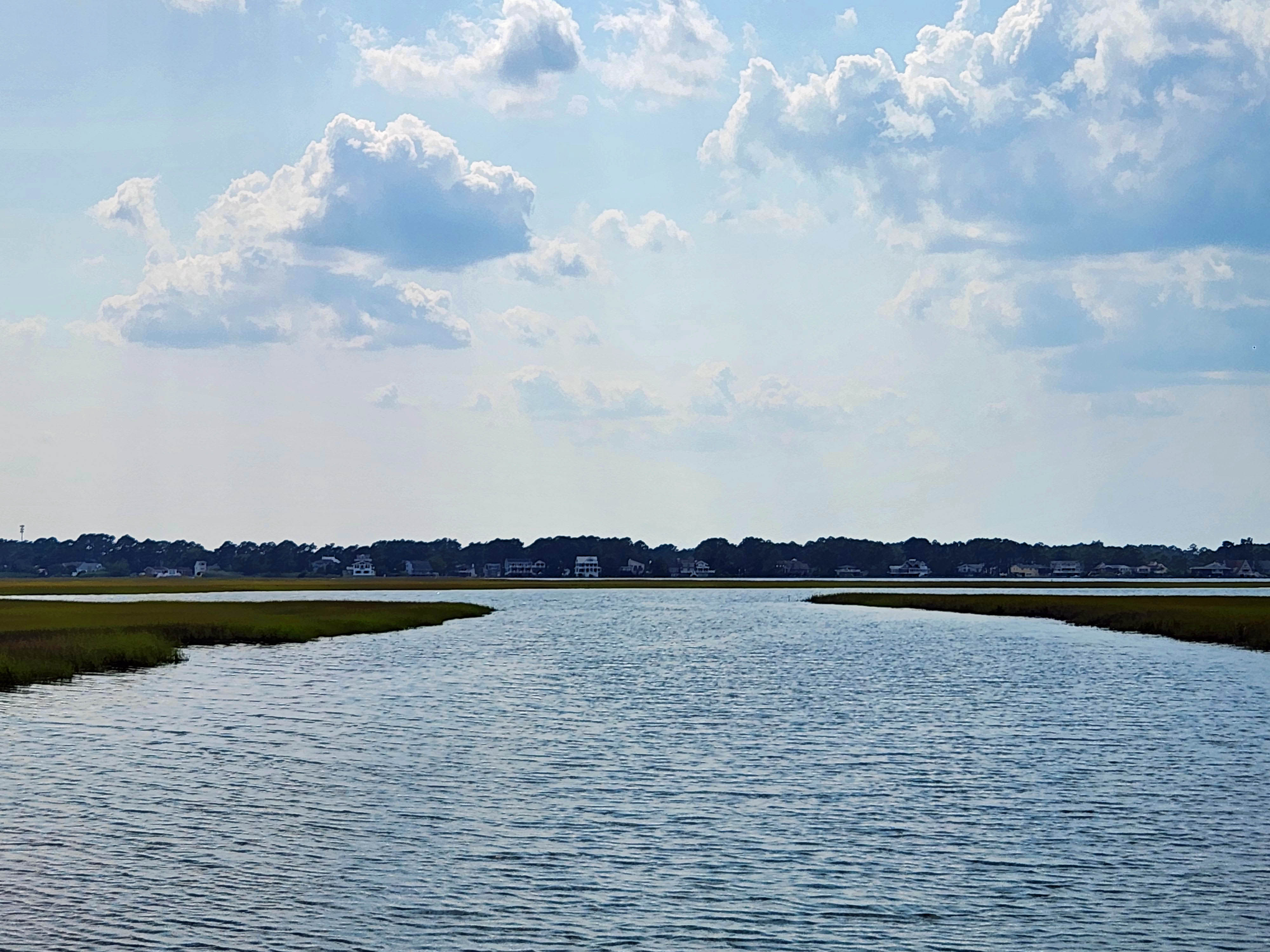
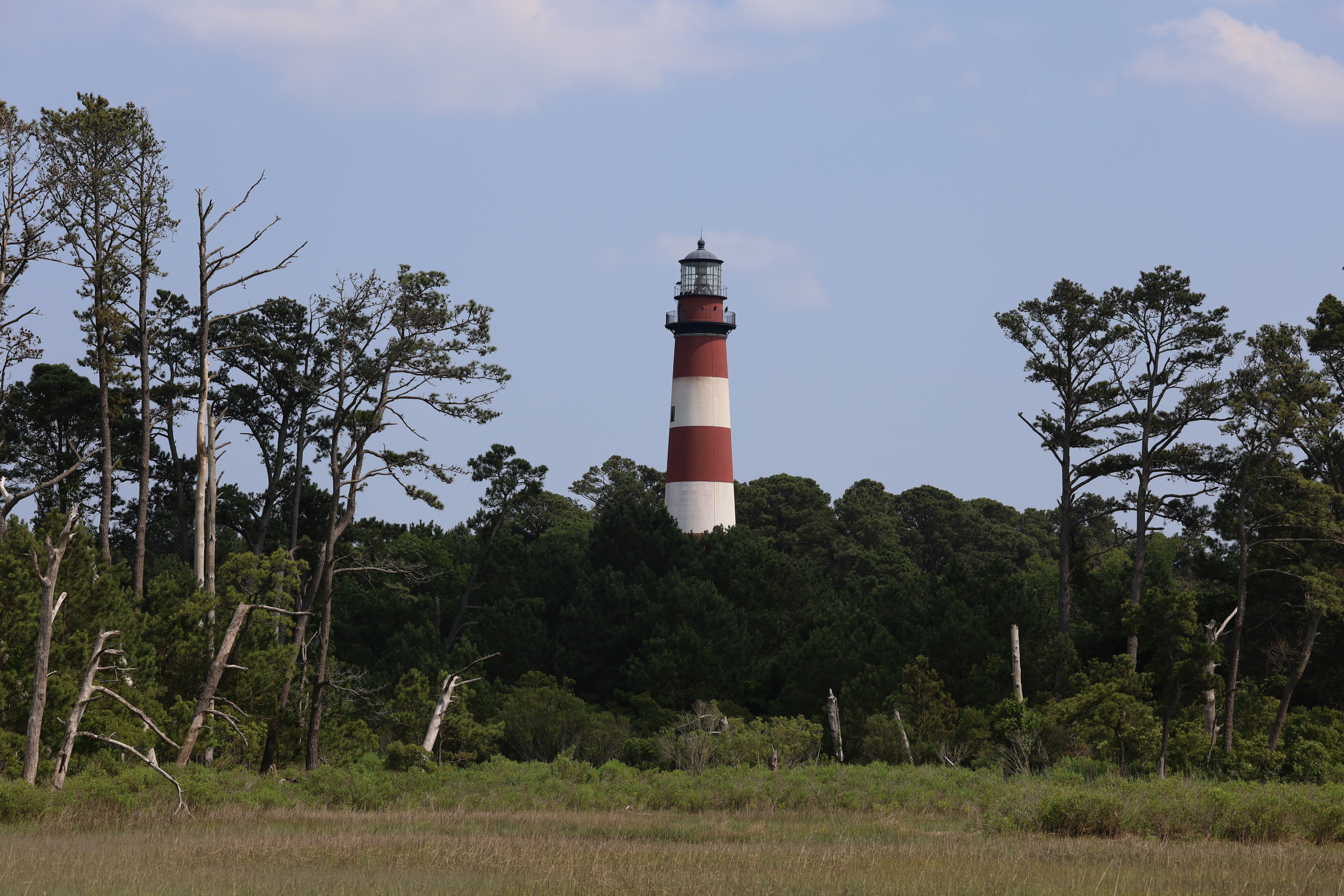
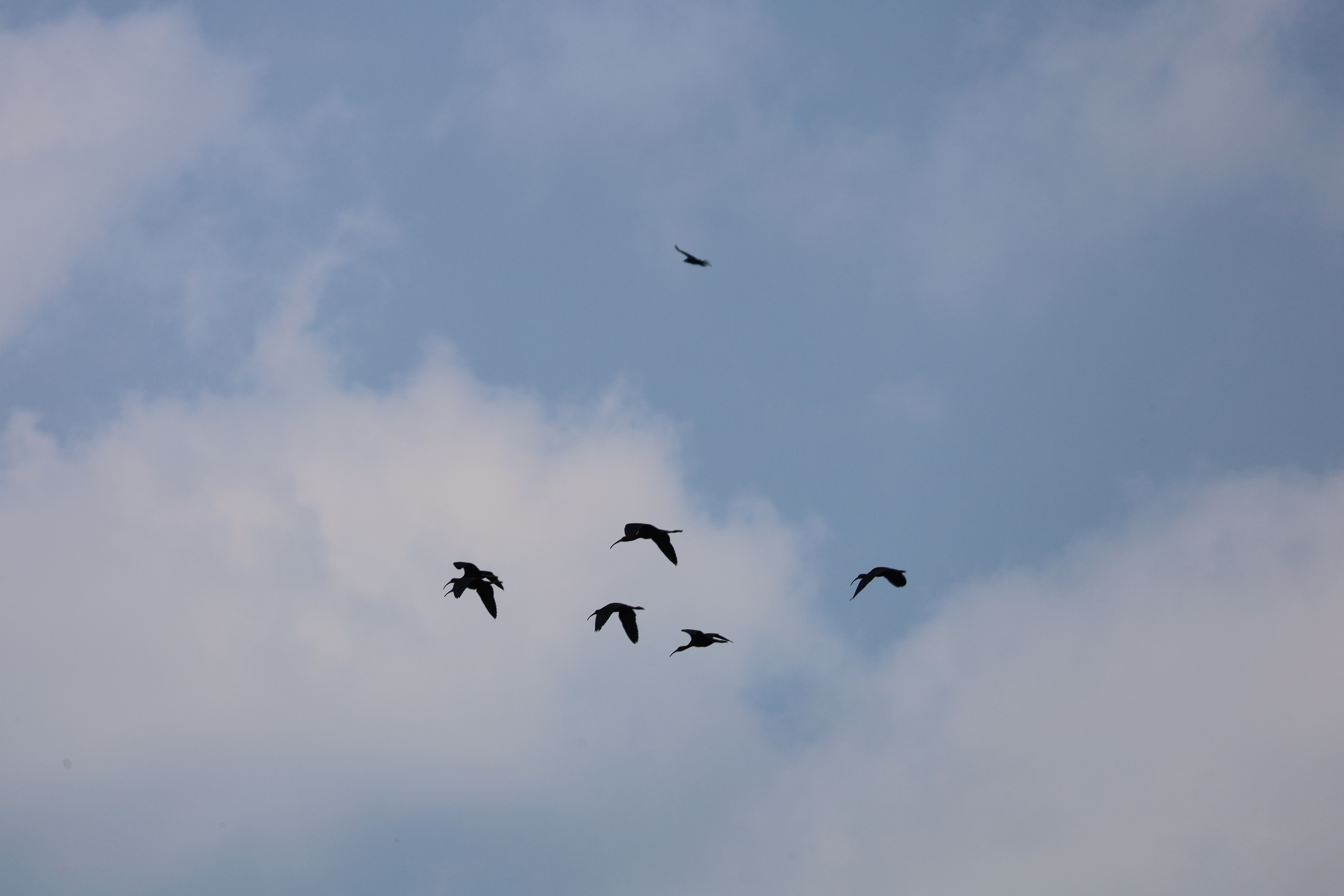
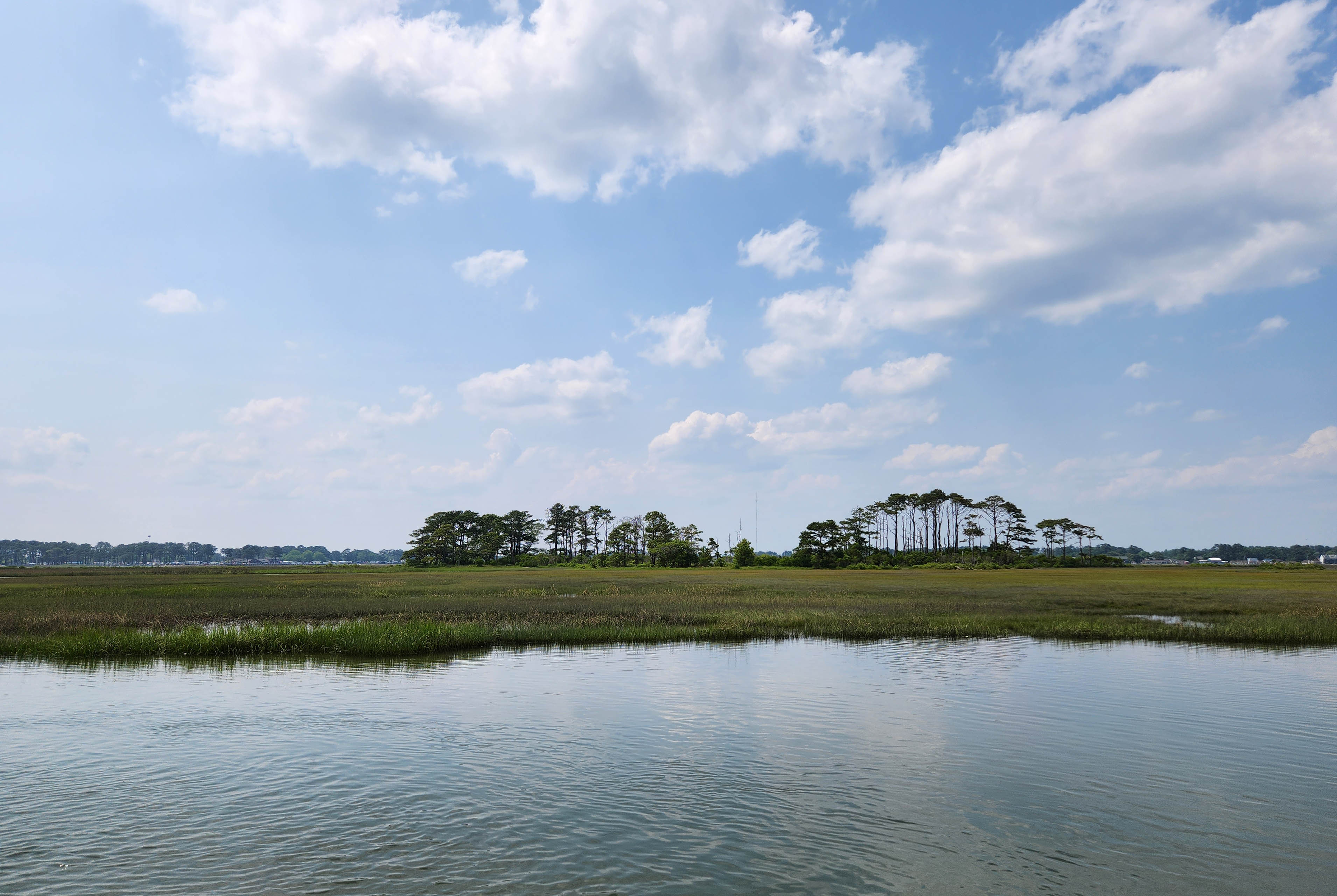
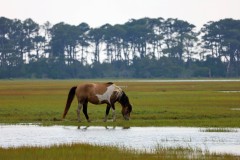
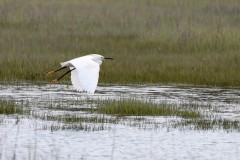
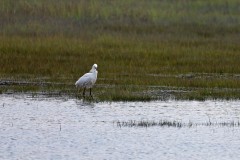
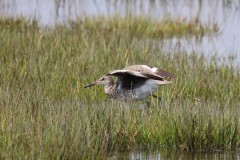
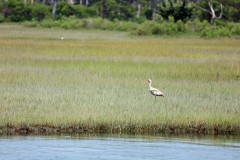
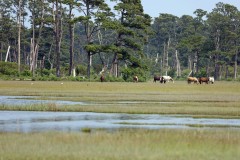
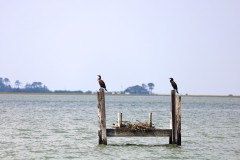
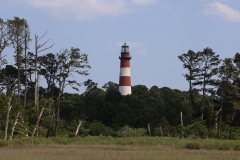
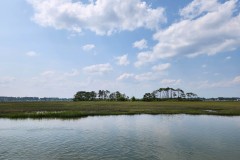
While there, we had an absolutely stellar experience touring the waters around Chincoteague and Assateague by boat. Our guide, a lifelong Chincoteague resident, shared a wealth of knowledge and keen observation that gave us a sense of the local and natural history of the place, the ponies, the diverse coastal birds and other wildlife, and the way the community has evolved into a primarily tourist economy. These pictures capture only a small part of what we were able to observe.
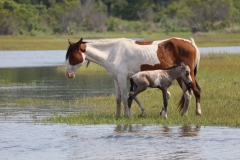
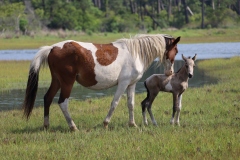
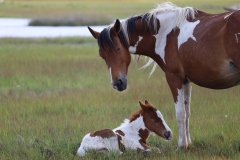
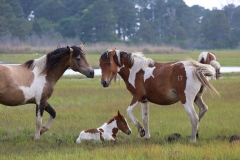
-
What do they put in this stuff?
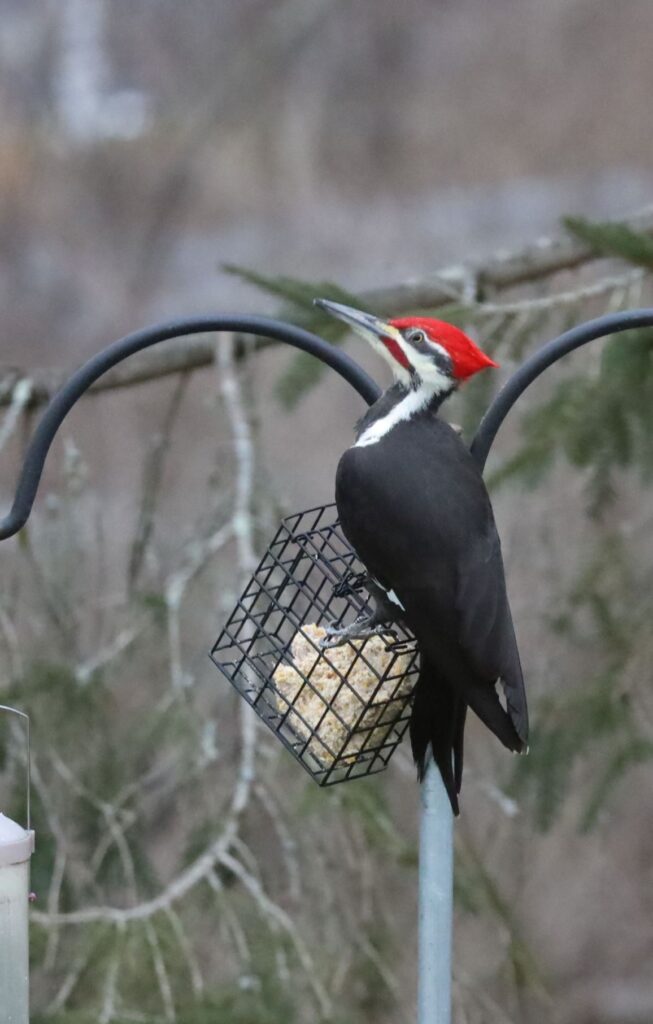
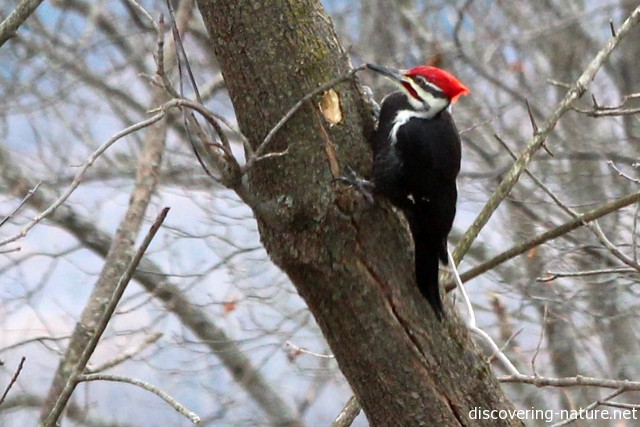
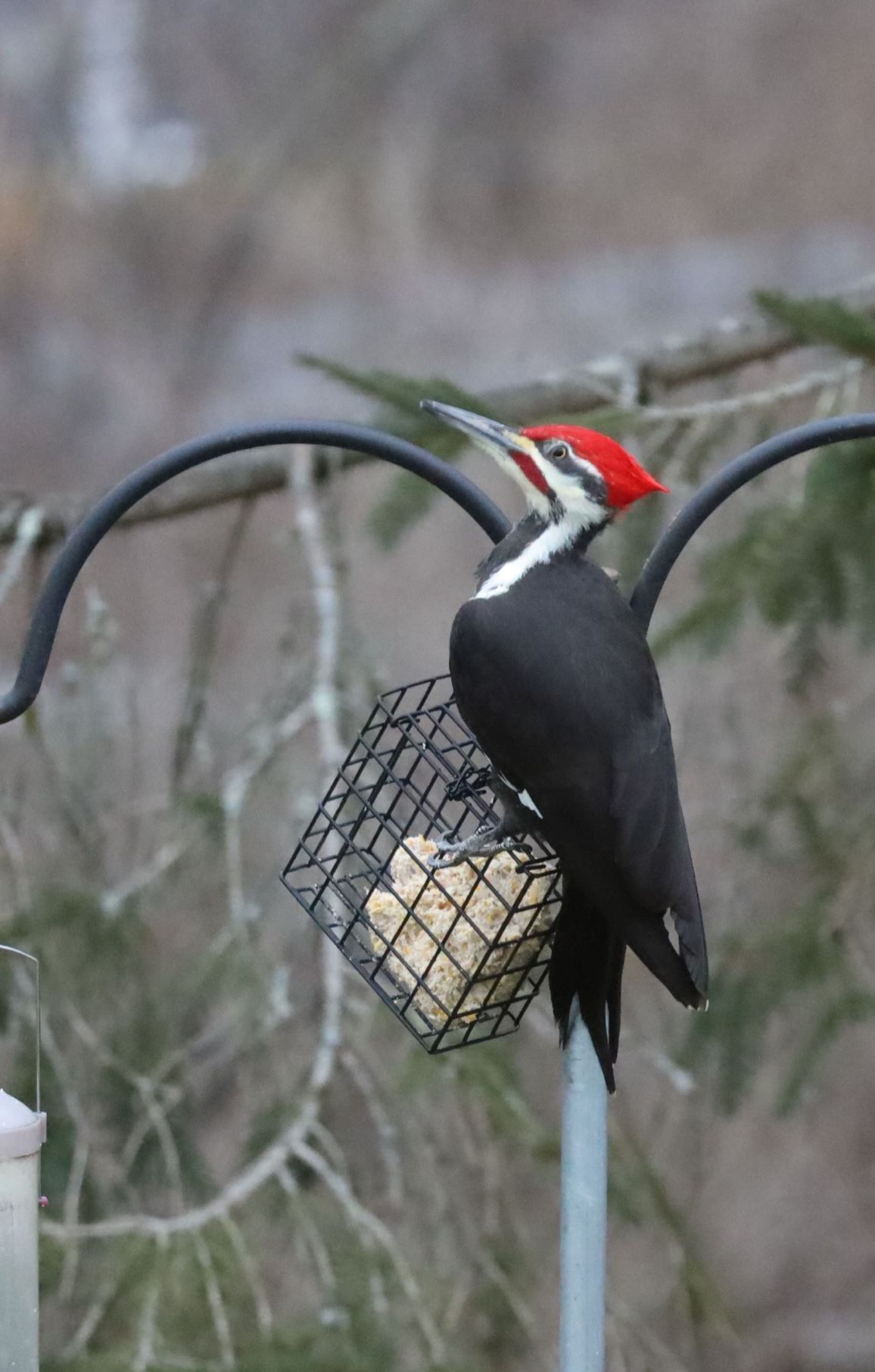
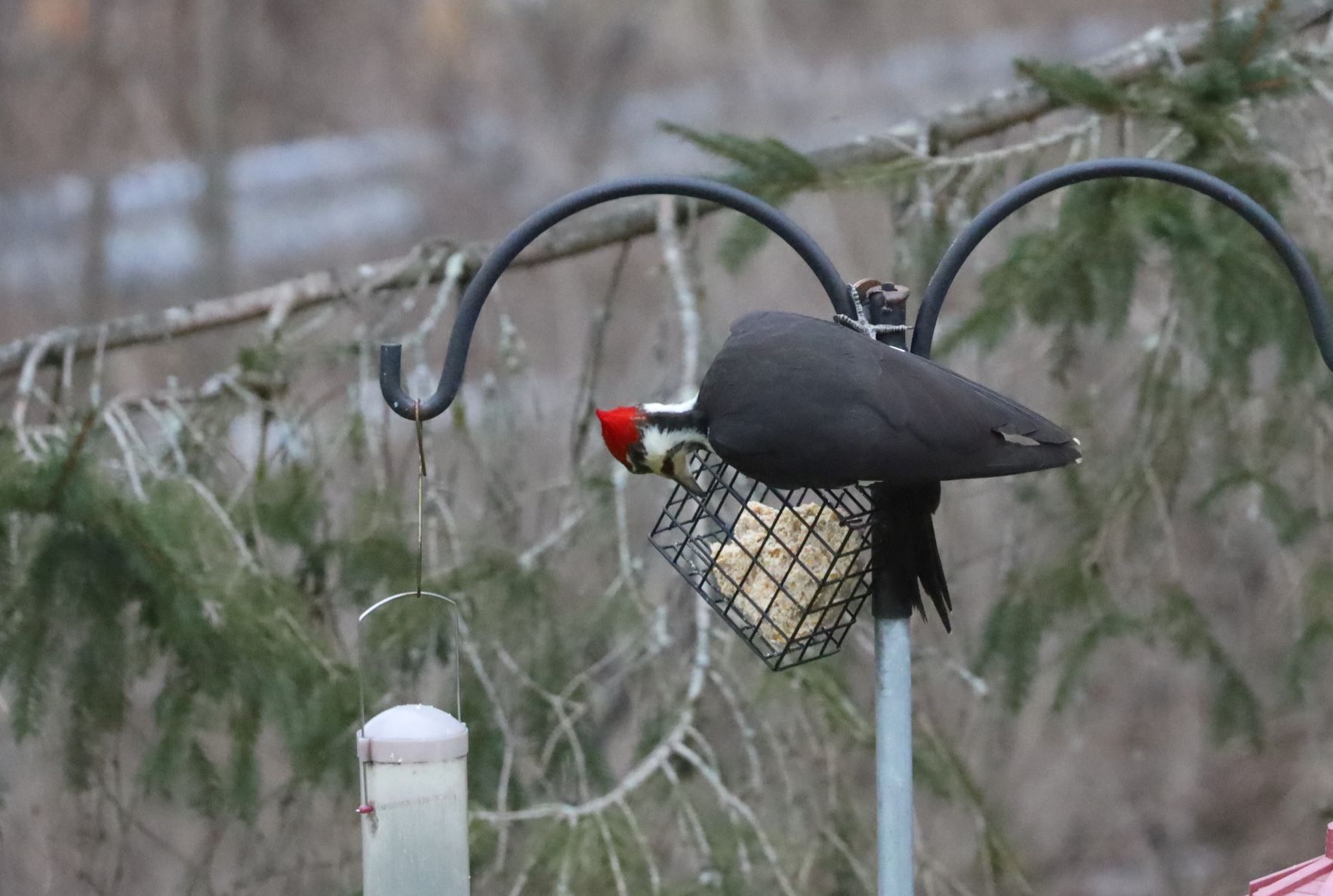
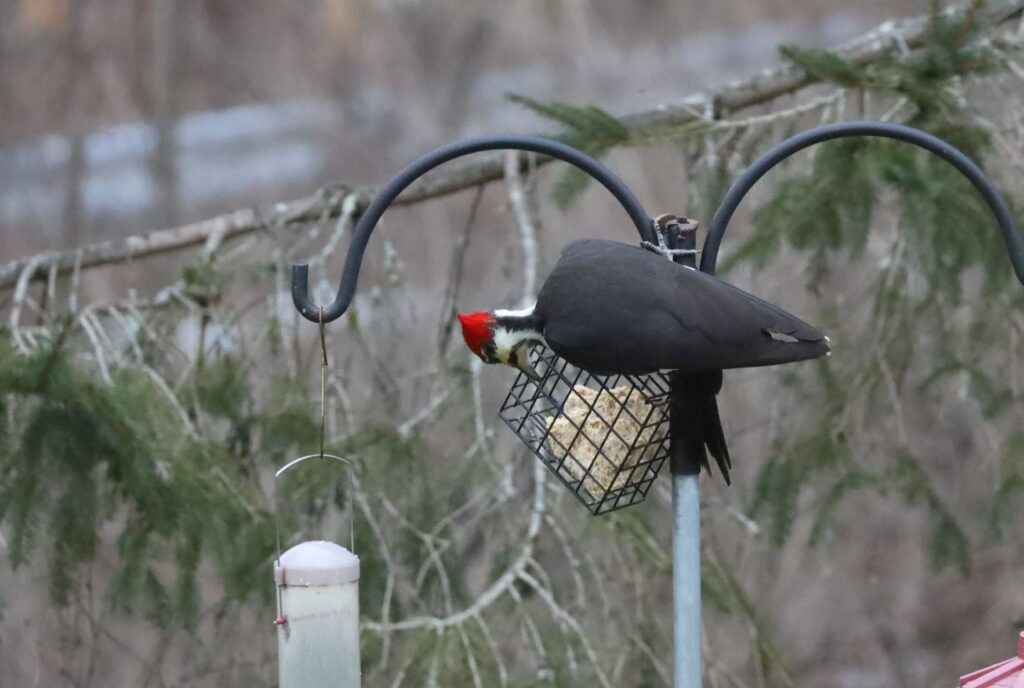
Along with the bluebirds, pileated woodpeckers have shown an interest in the suet this year. We had one come once or twice years ago, but this one — part of a family of the majestic birds that frequent the dead ash trees out back — seems quite interested.
-
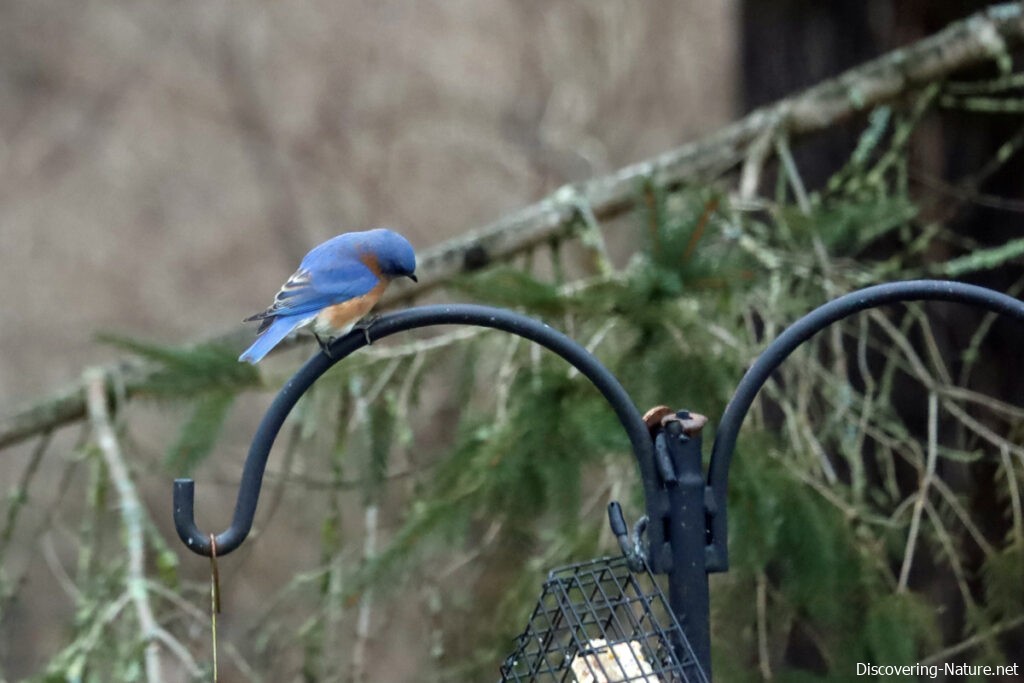
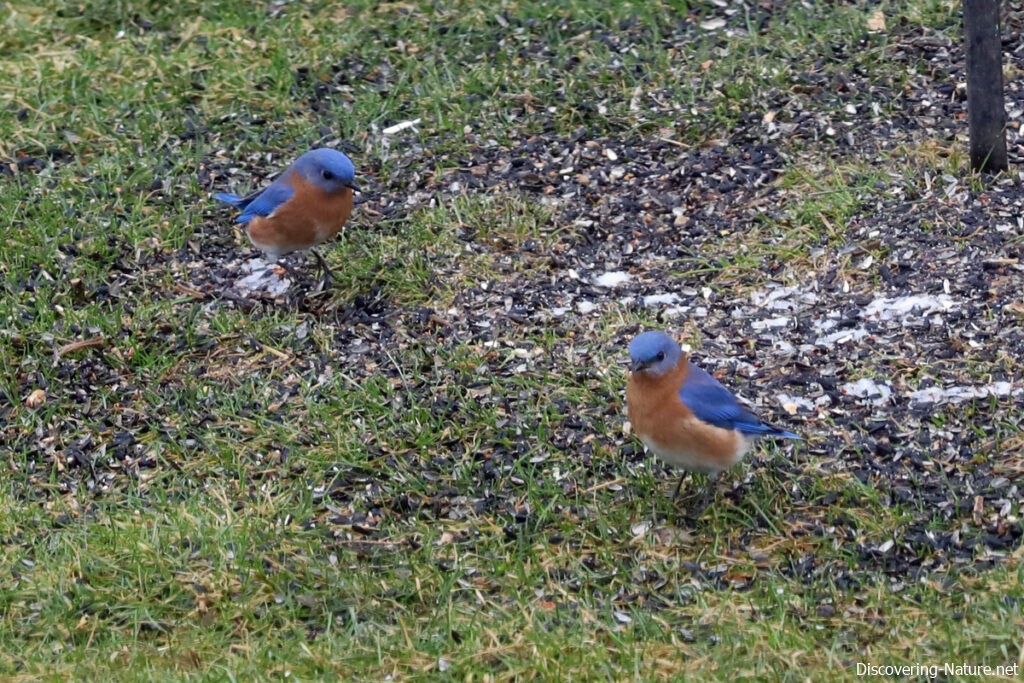
Bluebirds?
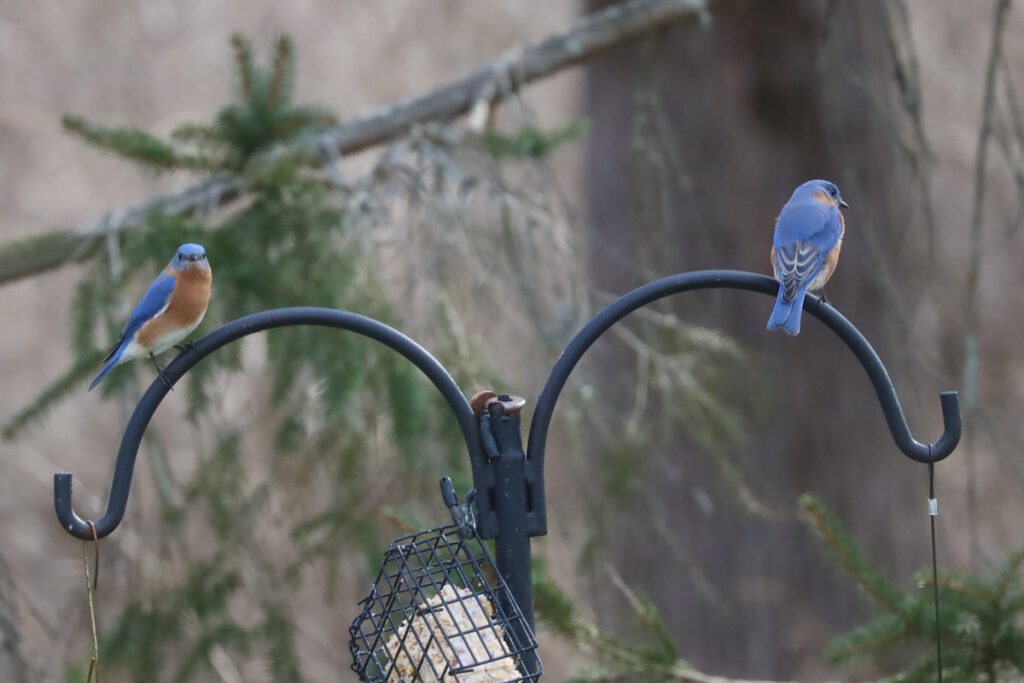
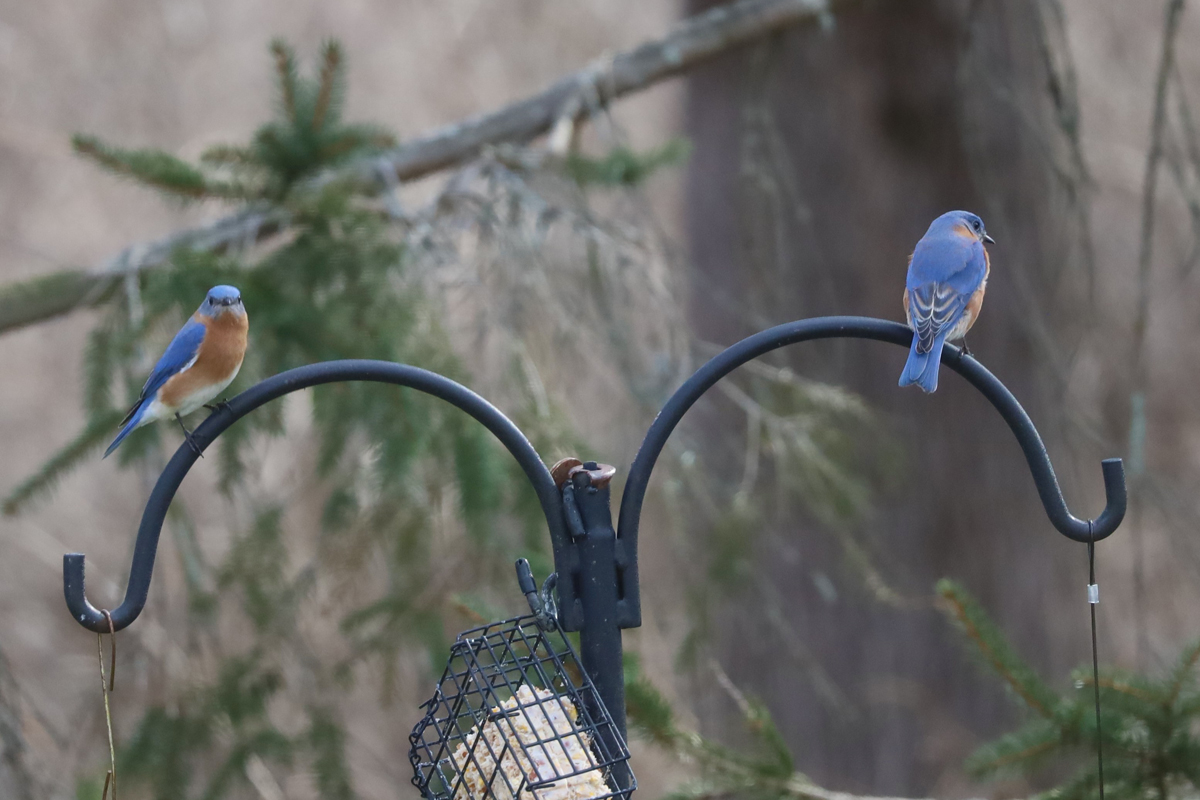
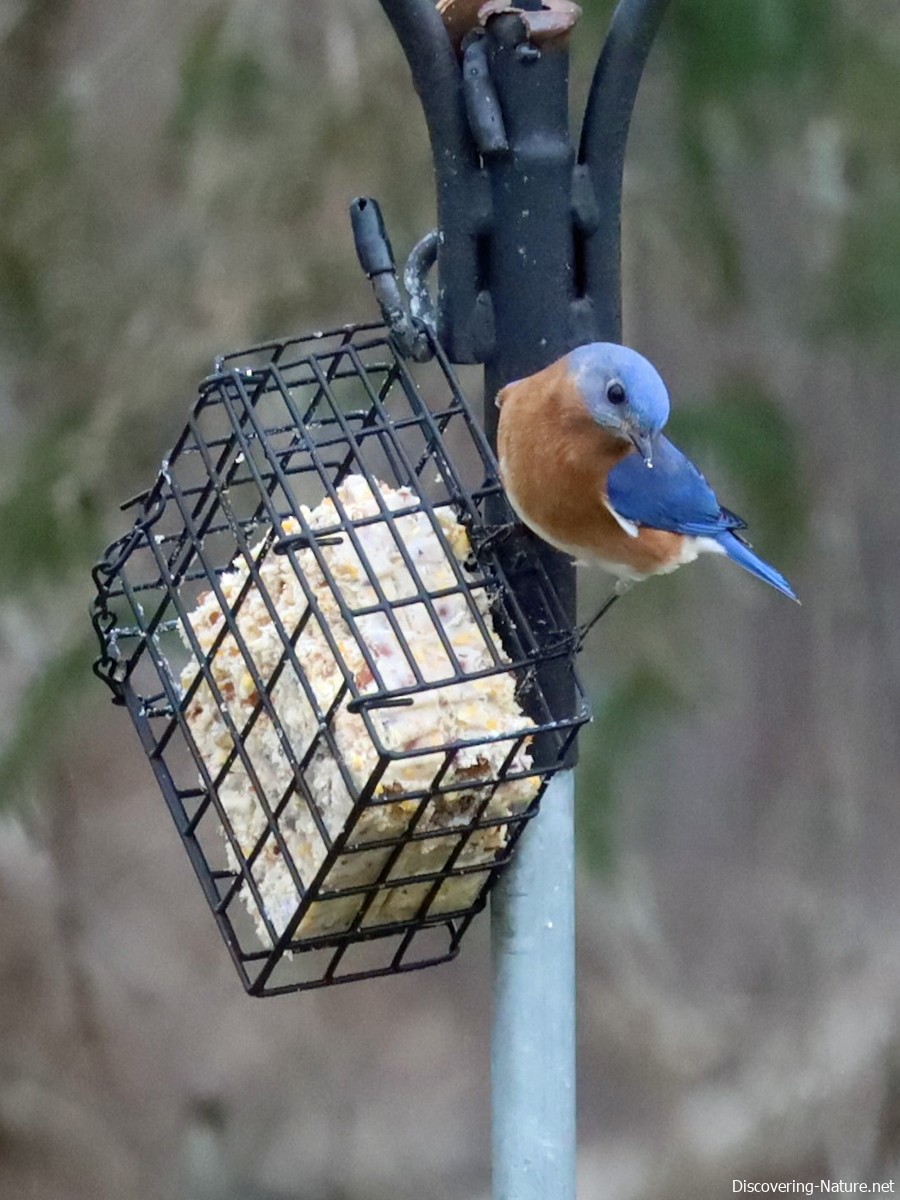
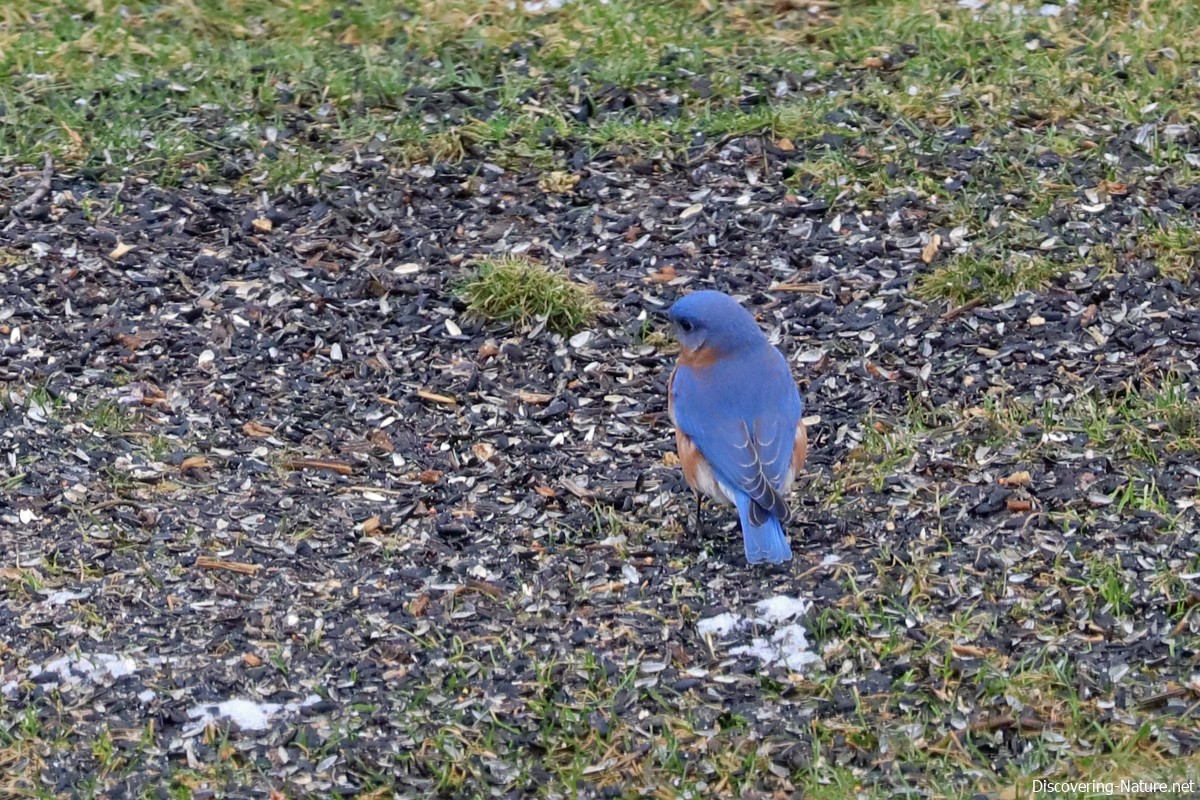
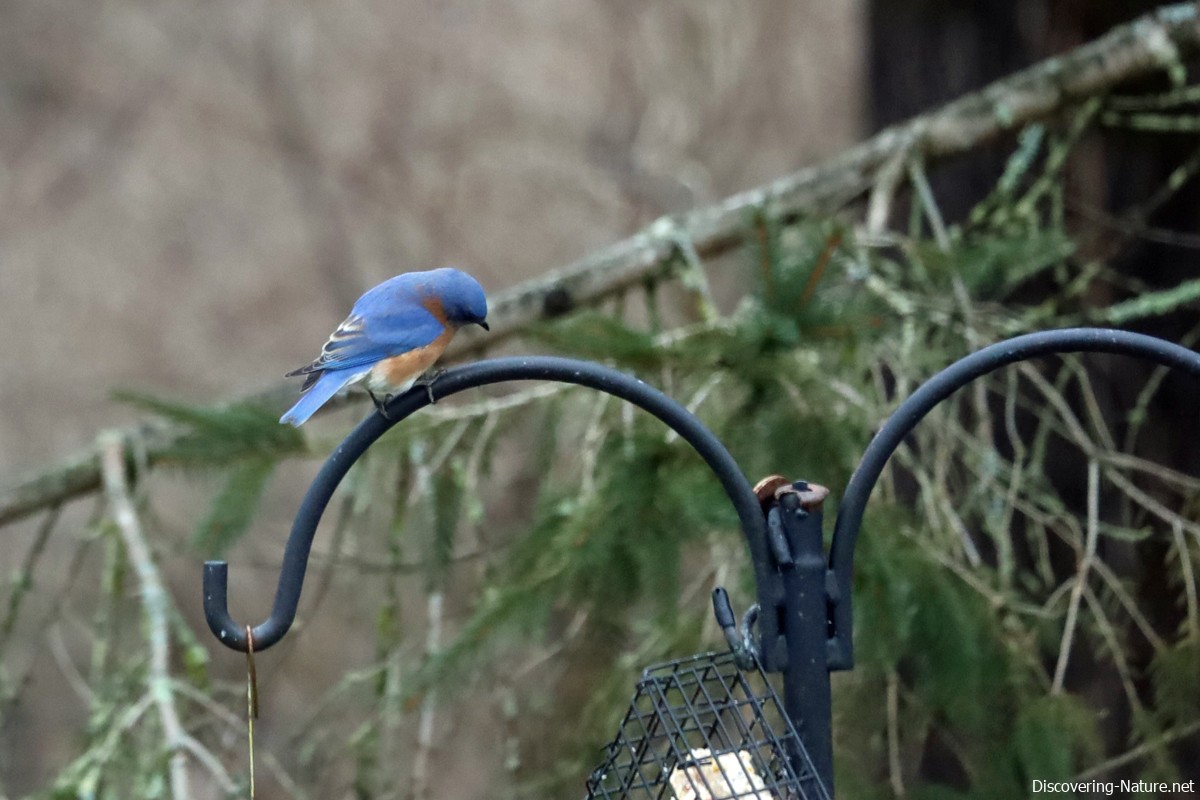
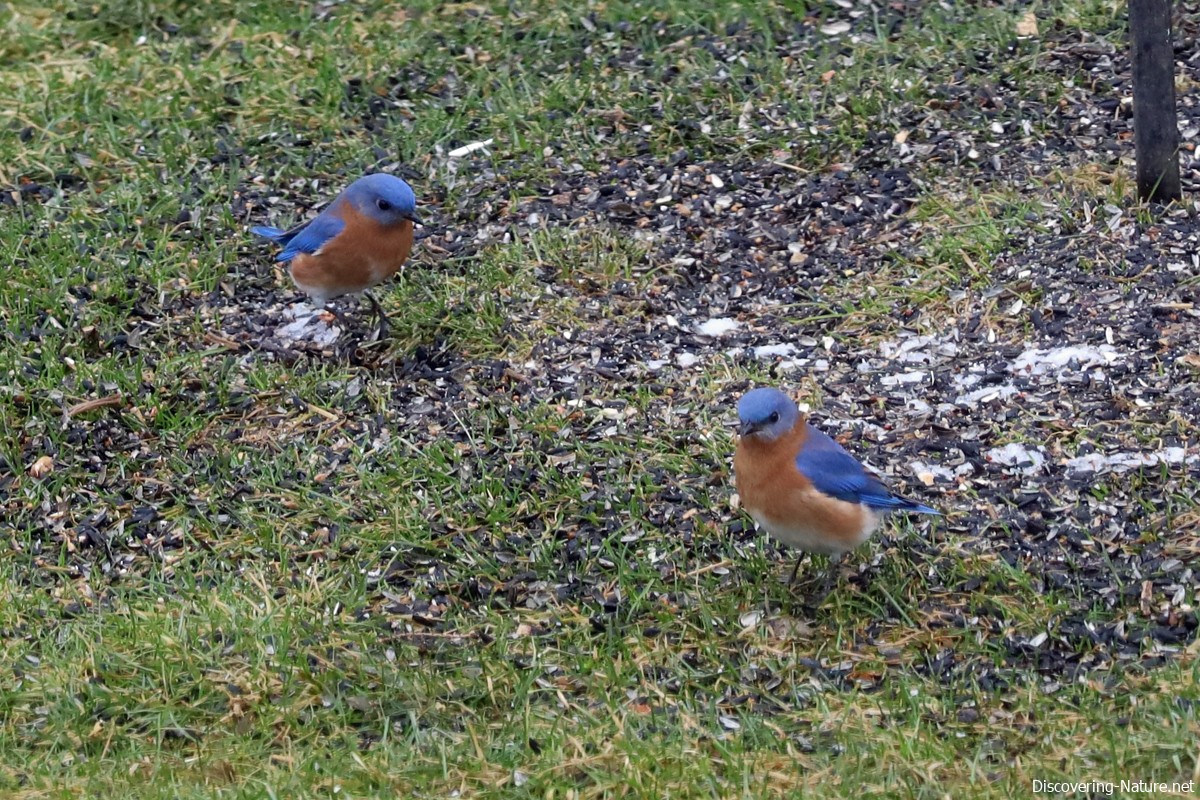
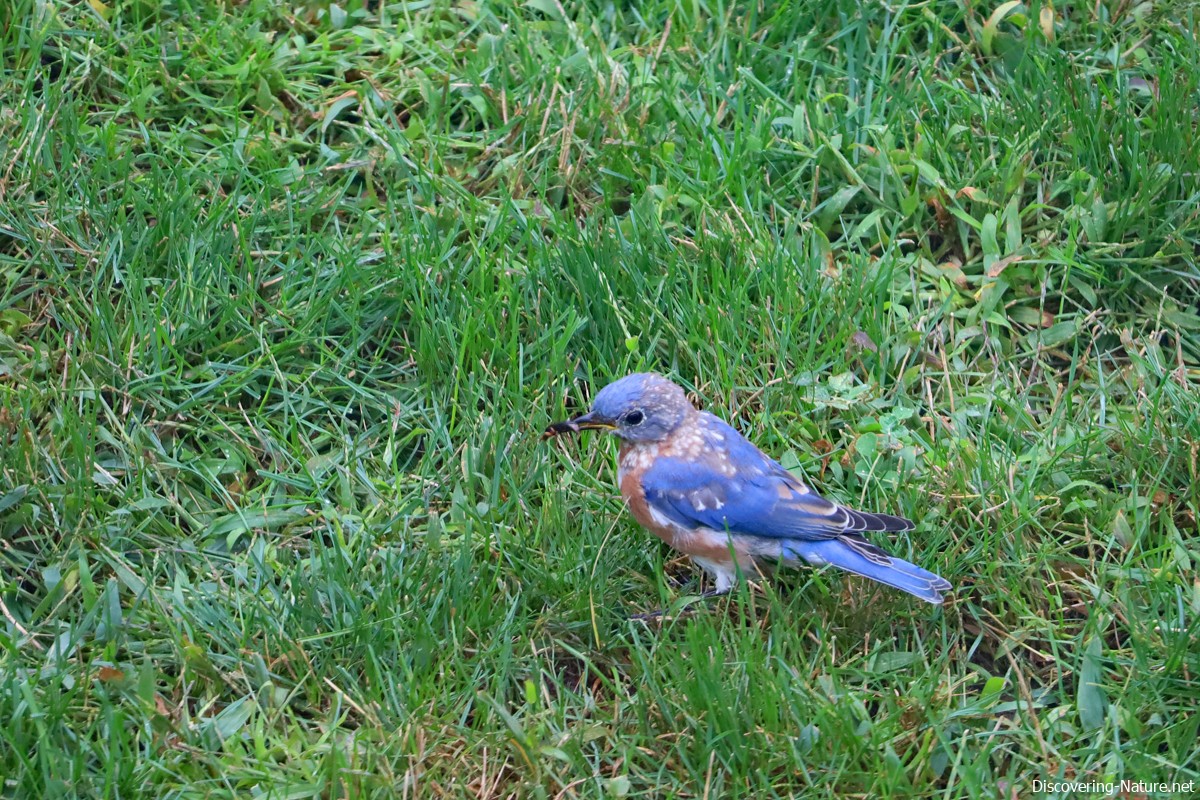
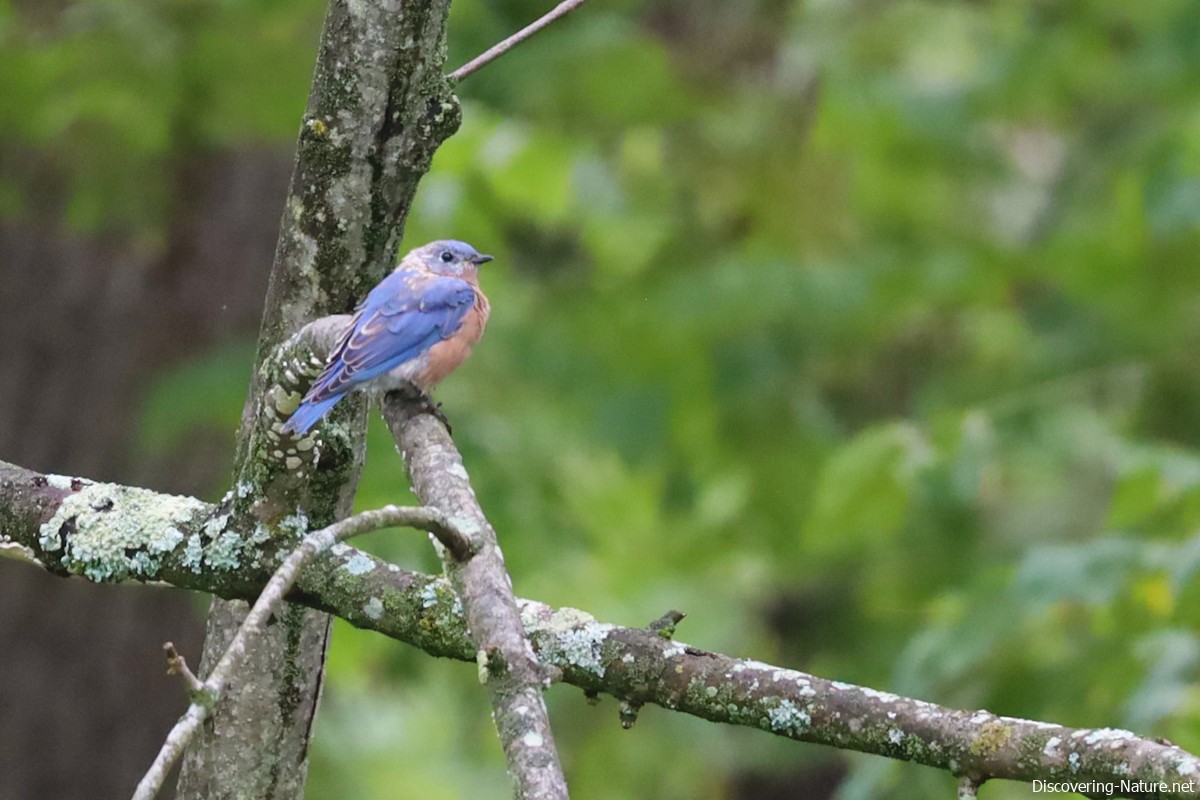
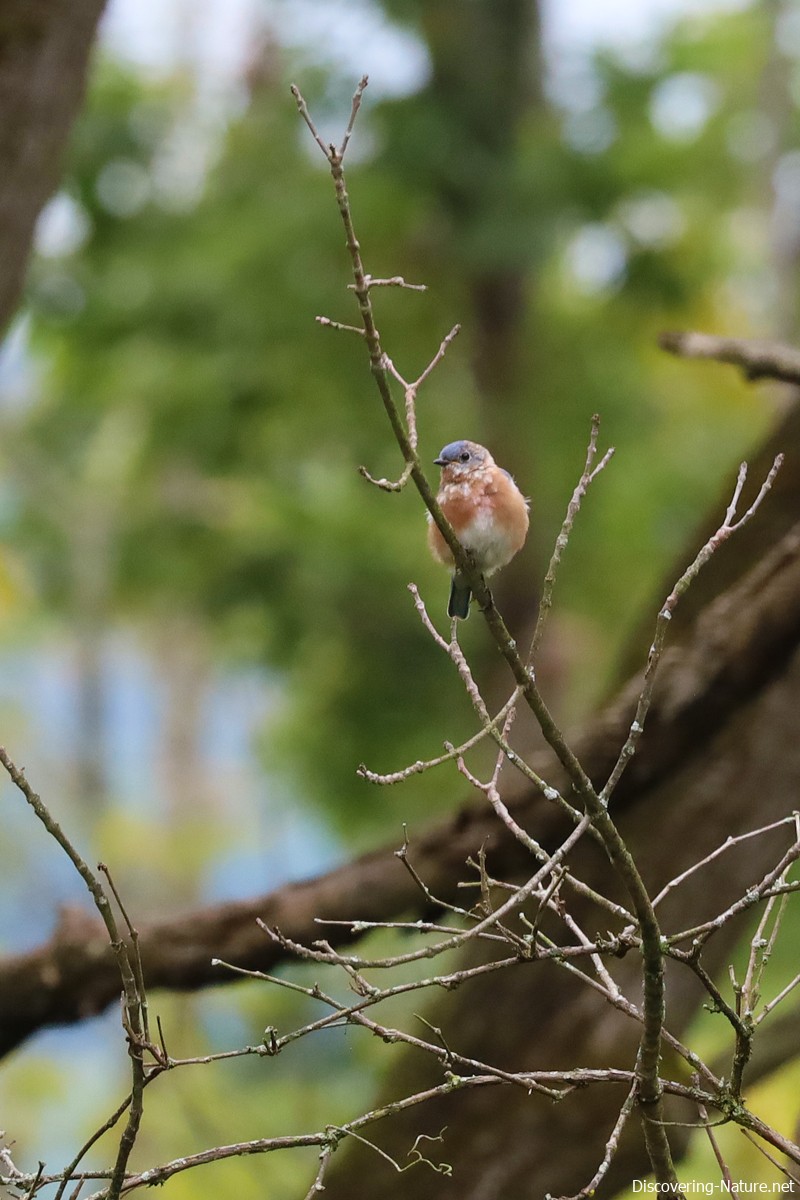
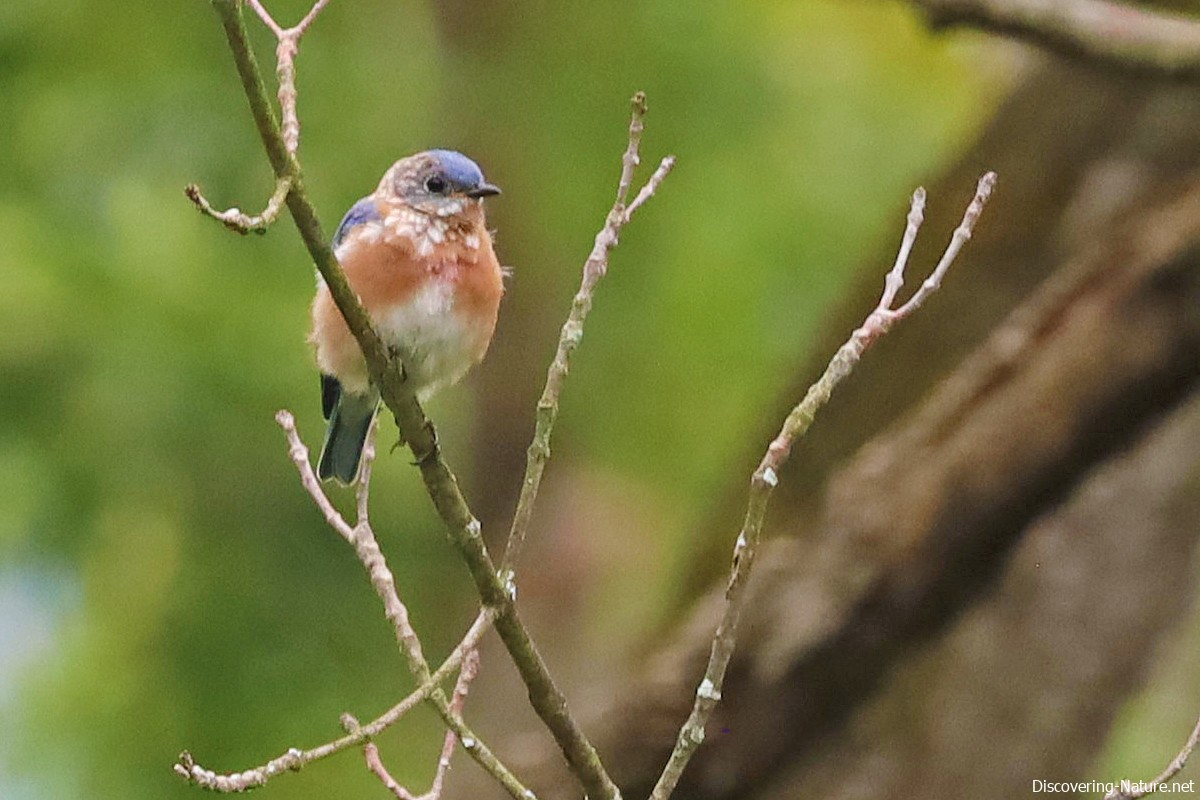
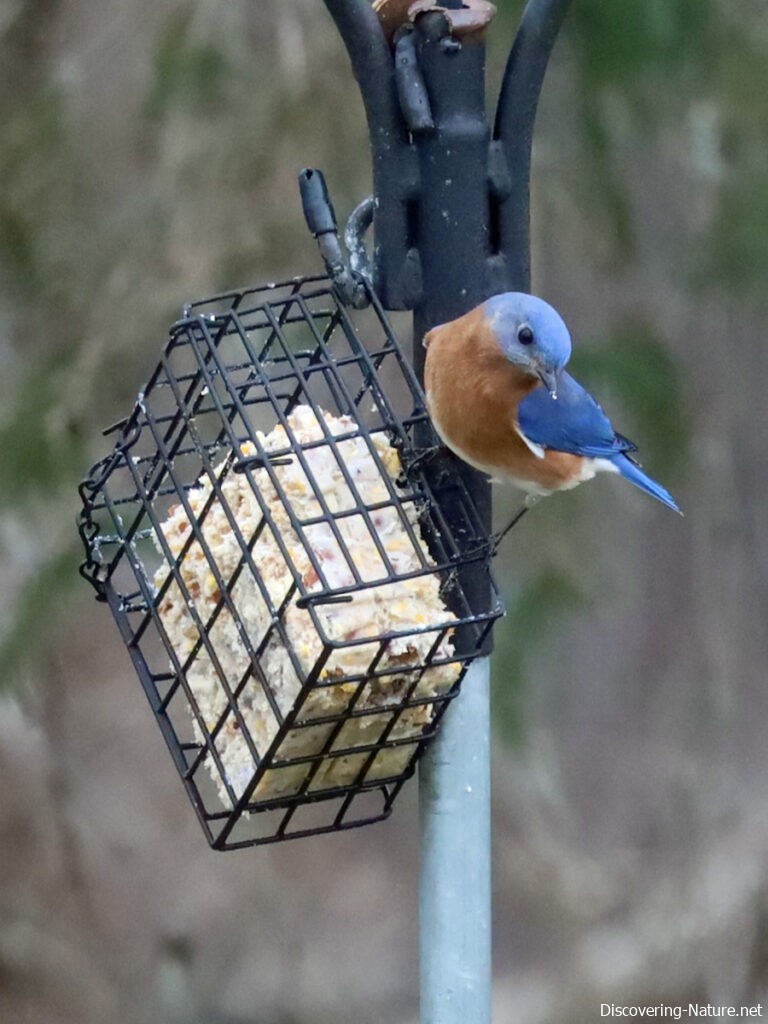
We’ve seen bluebirds very rarely in the 24 years we’ve lived here. For some reason, this year we’ve had 3 or 4 pairs take up residence over the last several weeks, eating at the bird feeder. I thought you needed mealworms to attract these lovely creatures, but it seems peanut flavored suet is enough.
The bluebird is New York’s state bird. I so enjoy these small, fluffy bursts of color in an otherwise drab setting.
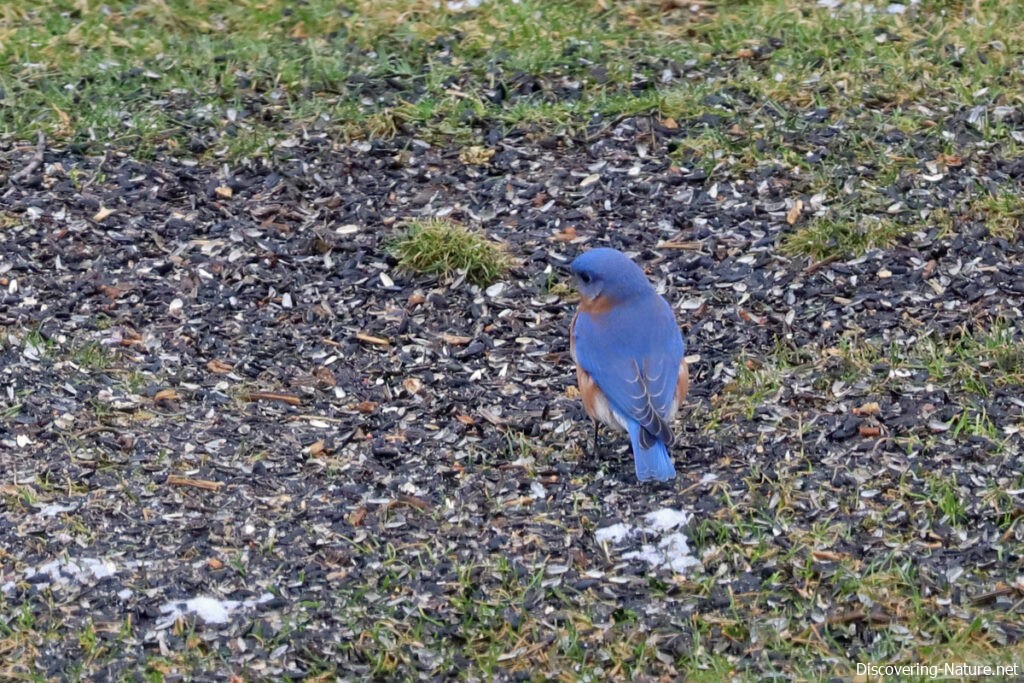
My daughter took the picture above, as well as this next one:
-
Bluebirds
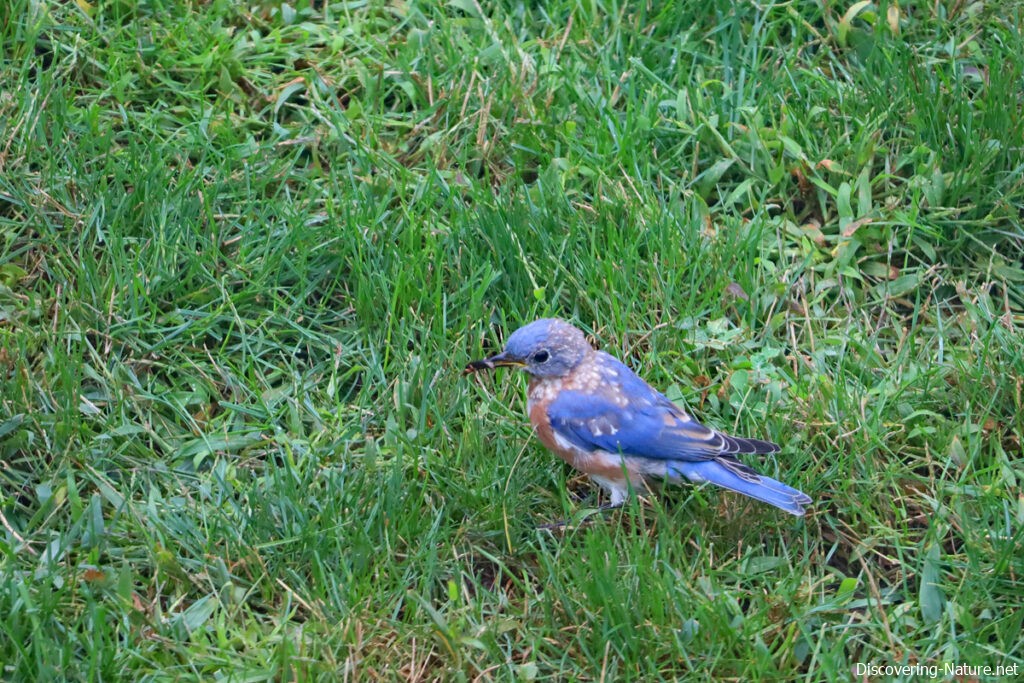
They’re our state bird, but we don’t see much of them.
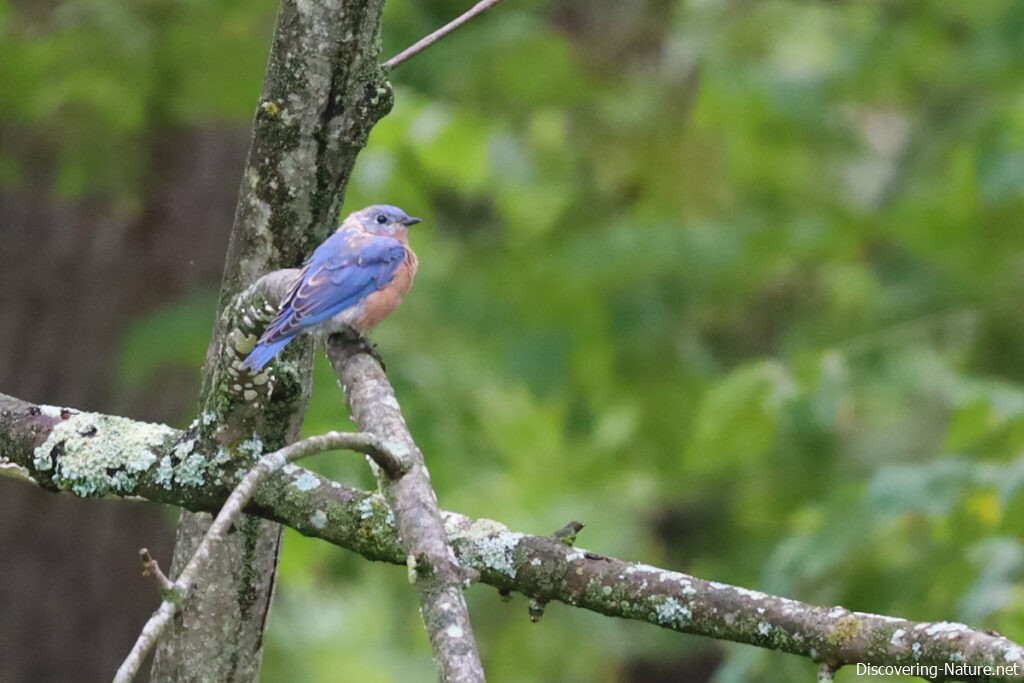
They pass through this time of year, traveling in a small flock, and stay for a few days before moving on.
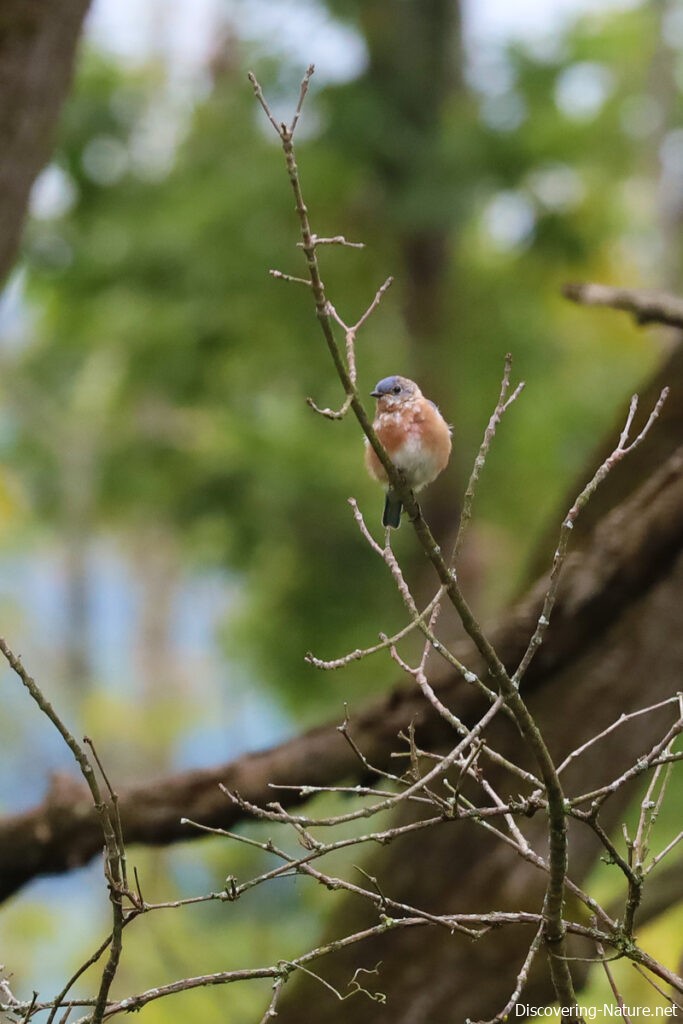
Somehow it’s often on a drab day that we look out and see them searching for insects or puffed out for warmth.
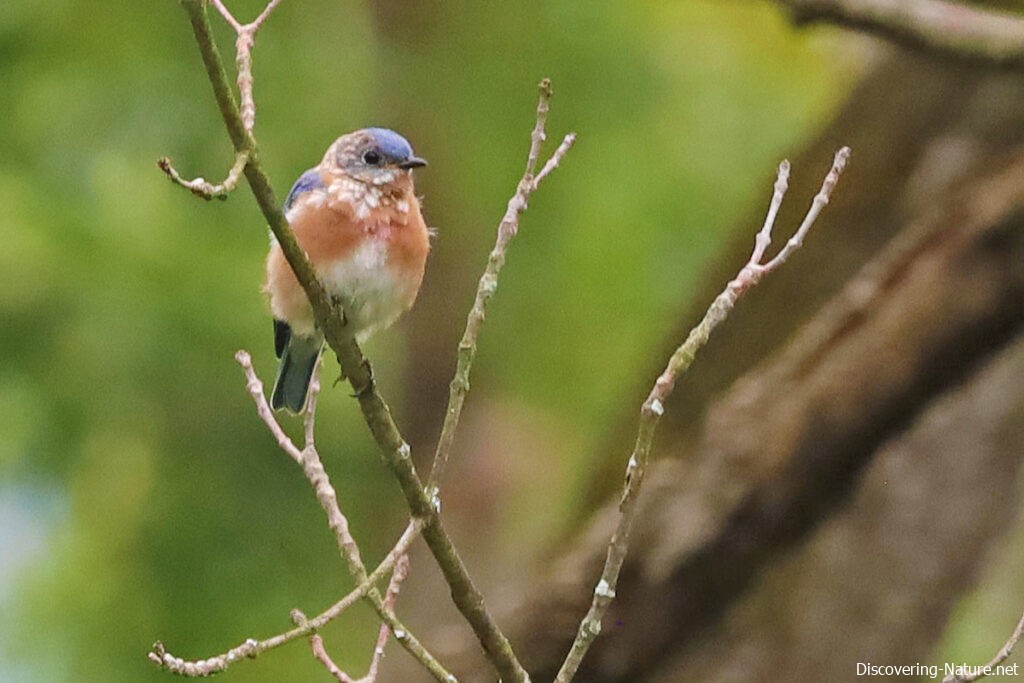
Lovely little spots of color among the branches, and part of the changing pattern of this place.
-
Zinnia Whisperer