-
Sights and sounds of spring
It was 27 degrees when we got up this morning, but the sky was blue and it was destined to warm up into the seventies. Who wouldn’t take a walk?
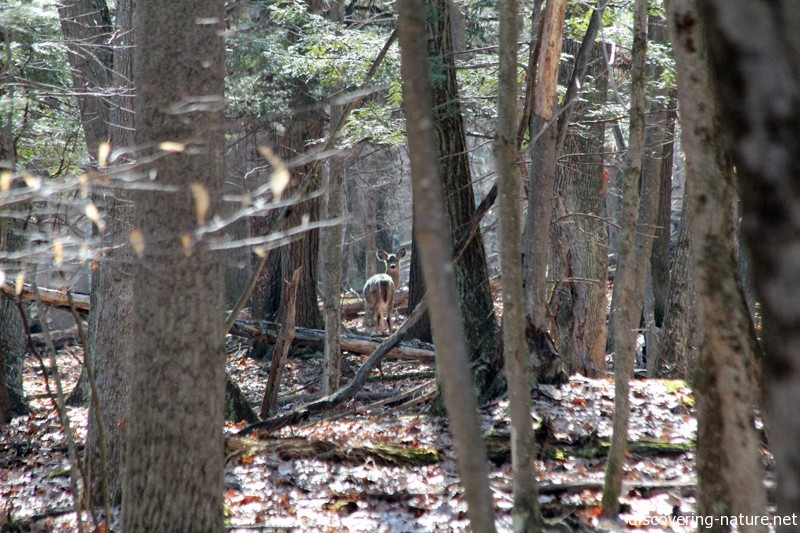
Today it was more about sounds than sights: tiny rustlings that turned out to be kinglets, squirrels, cardinals or chipmunks. A distant woodpecker. A faraway wood thrush. The vigorous sound of running water in the thawed creek. I did see some deer, but only for a split second before they fled.
Then I saw a pair of quiet, elusive birds. I wanted to sit still and see if they’d come closer, and behold, there was an inviting bench just to the side of the trail.
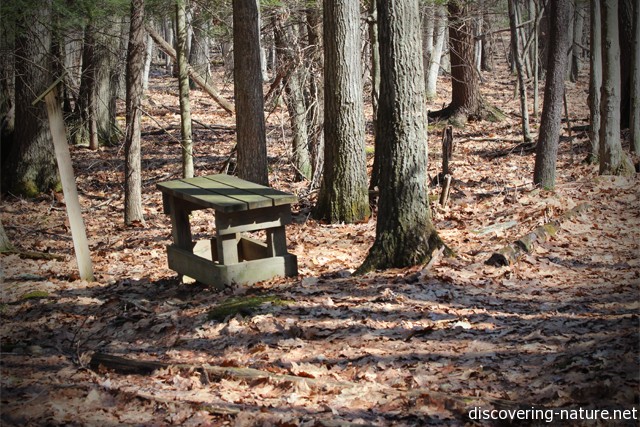
It just happened to be near the tree where I got to watch some nesting chickadees a couple of years ago…
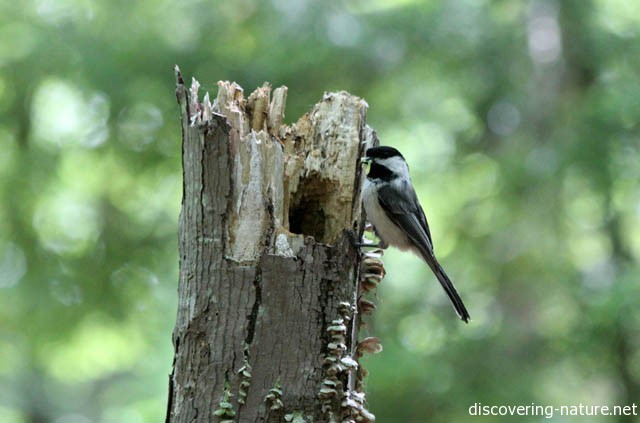
It won’t happen again — not in that tree. It was lying beside the trail, fallen over the winter.
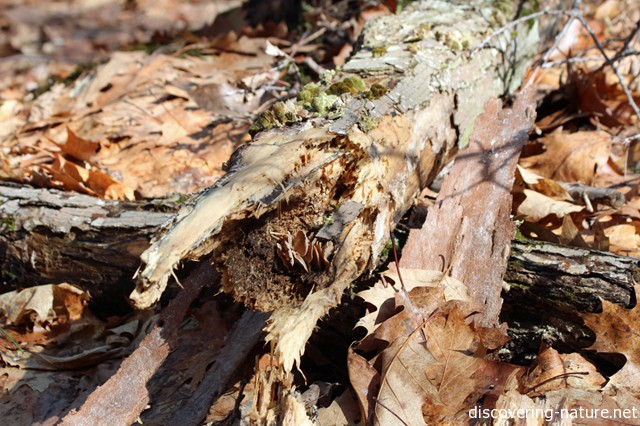
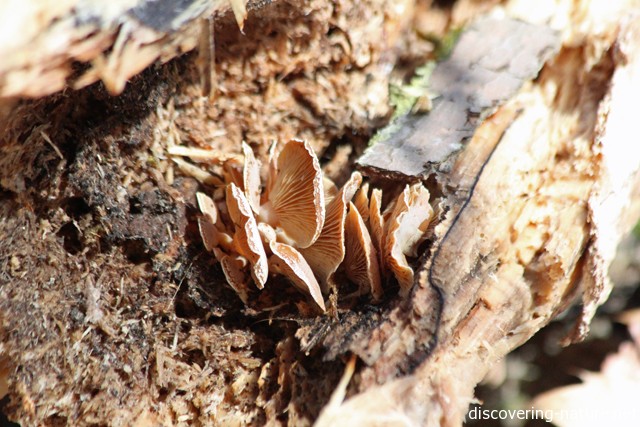
But it was neat to get to see the inside of their home. The top of the tree had broken off so the soft nest cavity was visible. I also admired their wall decor.

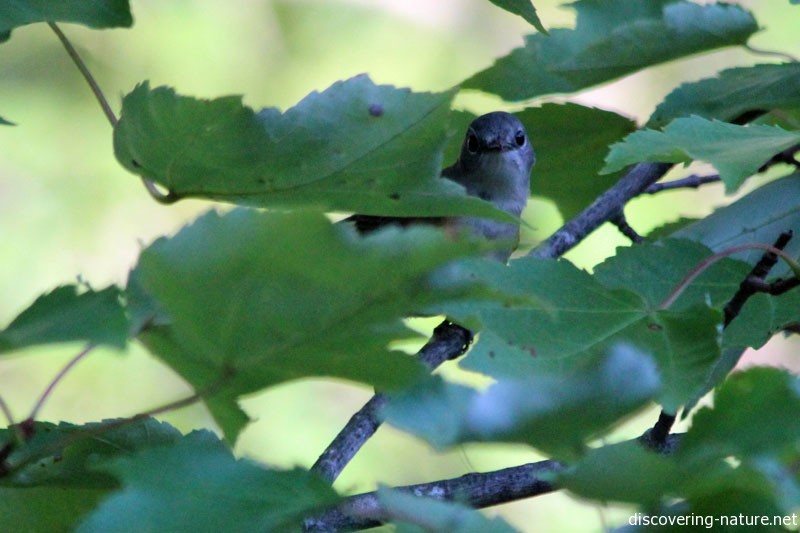
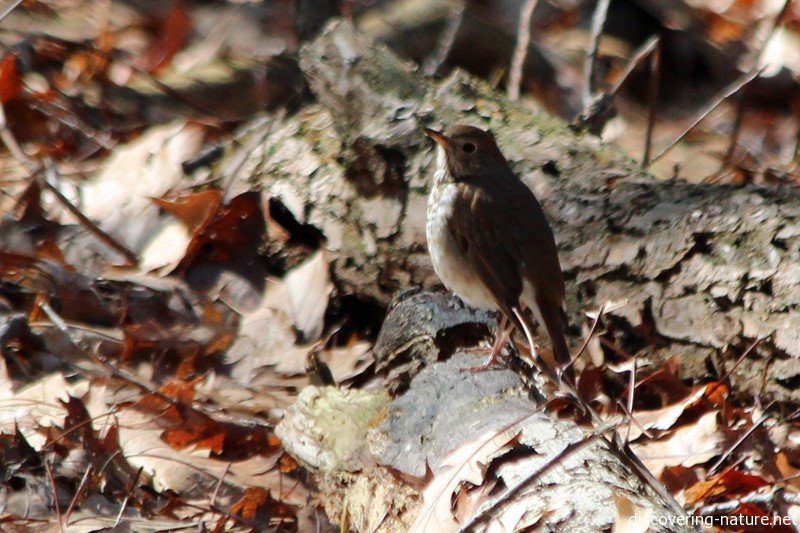
Finally the other birds came close enough to see. There’s a chance they were oven birds, but I’m pretty sure they were veery. They made no sound so I couldn’t confirm by their voices. But I enjoyed the way they accepted my being there as they hopped around flipping over leaves and looking for breakfast. They’re birds more often heard than seen, so it was a treat.

When I got home we had more excitement: a redtail rose out of the brush beyond our house. A moment later, the leucistic redtail rose up too, and we saw its blazing whiteness as it circled high into the air. We ran outside in our socks to watch, and discovered there was a third redtail — which the white one chased, screaming and seeming to collide with it. It chased it three or four miles away and then turned, tucked its wings, and sped back at incredible speed. What would have been a ten minute drive took about 15 seconds. I guessed it was a male, defending its nesting territory and and its mate.
I got some awesome pictures, but you’ll have to take my word for it, because after I had excitedly snapped them I got inside and my camera informed me there was no card inserted. I had taken it out to download the pics from my walk! None of my pictures were saved.
Fortunately my daughter got a few pics with her point and shoot, and she says it’s okay if I share them.

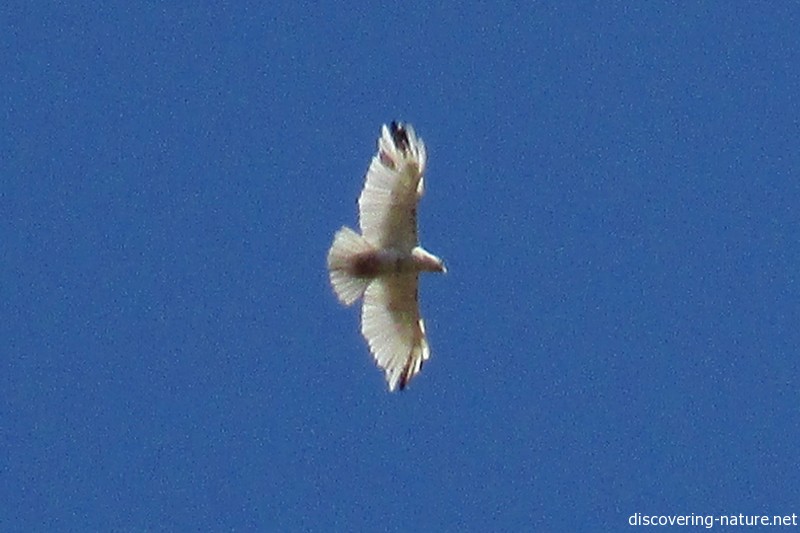
It was an amazing sight! I’m hoping for another chance — but meantime, it’s thrilling to have the memory.
-
Spring Thaw

It was in the 60’s, the snow was melting, and the sun was out. We decided to head out and see what the woods looked like on such a welcome spring day.
A stop at the vernal pool didn’t seem like it would be too promising. But despite the ice…
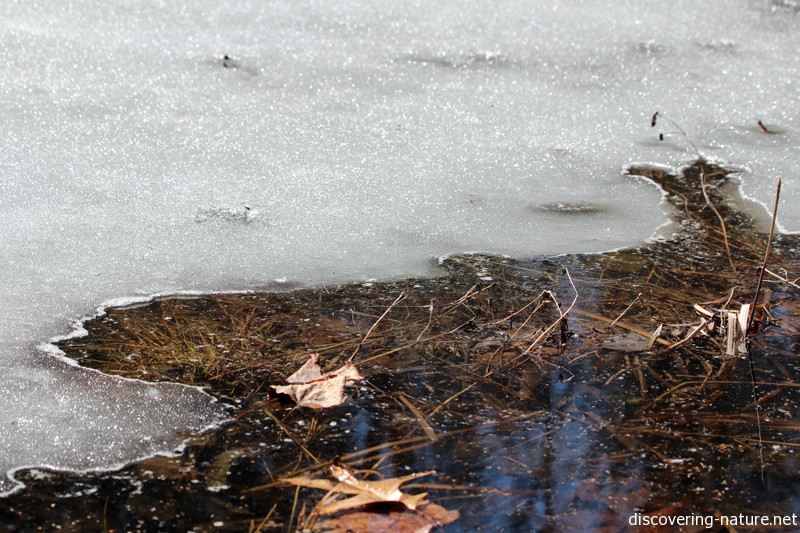
…I saw the first tadpole of the year.
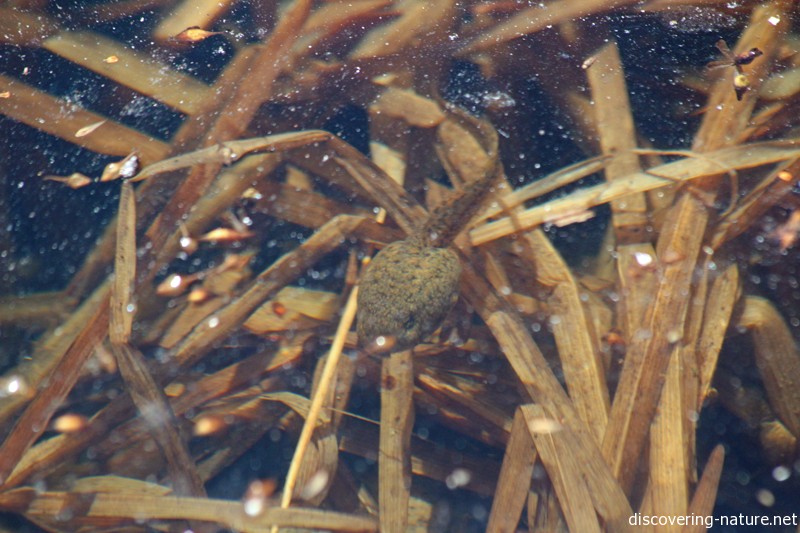
There’s something incongruous about the stealth of such a plump fellow darting along in his underwater world. I was glad to see him.
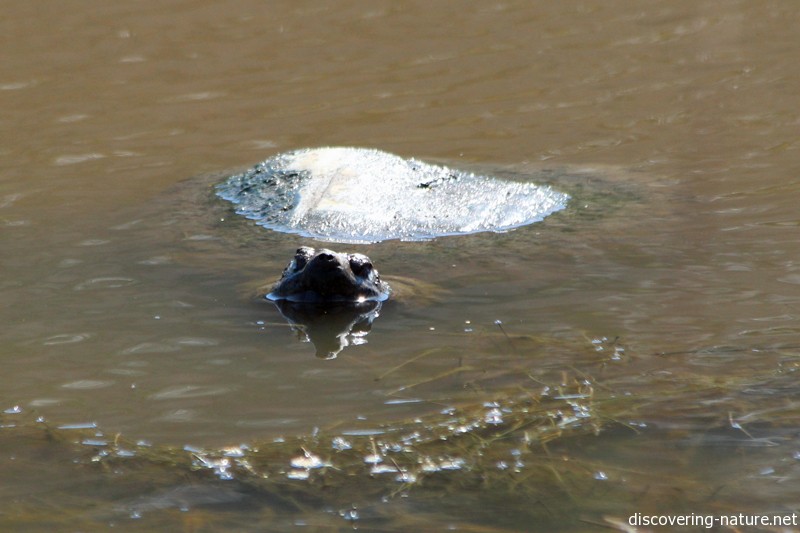
He wasn’t the only one enjoying the water. A big snapping turtle was floating on the pond, bleary-eyed. There were many ducks around the area, and I wondered if they realized he was there. I wouldn’t want to be anywhere near him if I was a duck.
We took our dog Lucy. She had a blast, of course.
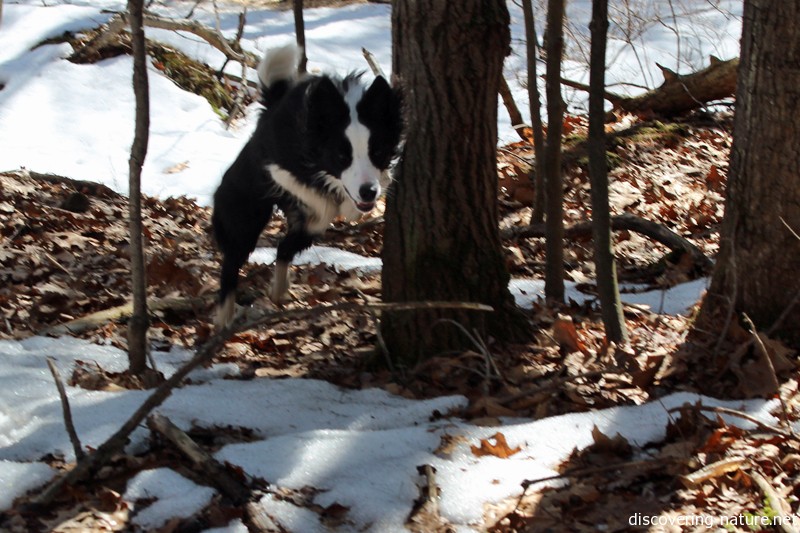
We certainly appreciated her supervision playing in the stream. Where would we be without someone to catch every splash?
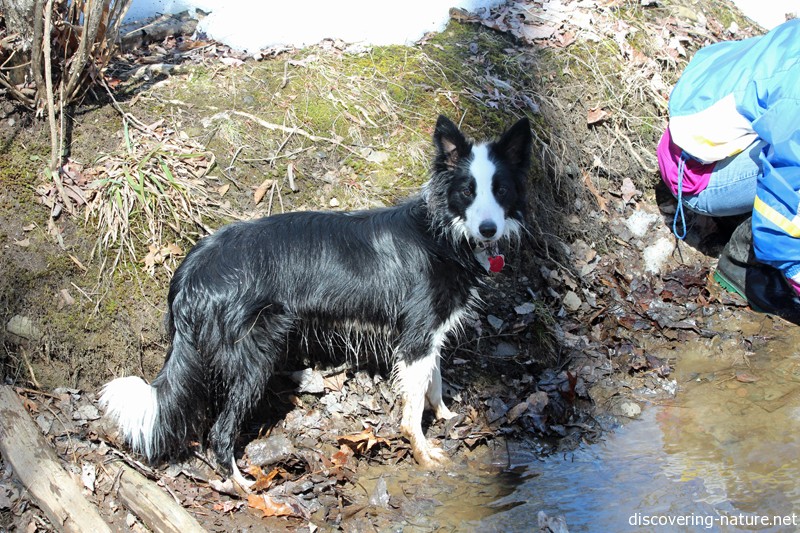
But I felt an unexpected sadness, remembering how our old dog, Katie, who died over a year ago, used to love coming here too. I remembered how we had to leave her at home toward the end because she was so unwell, and she’d stand at the back window and watch us drive away. Memories are a part of these familiar places. Rest in peace, Katie.
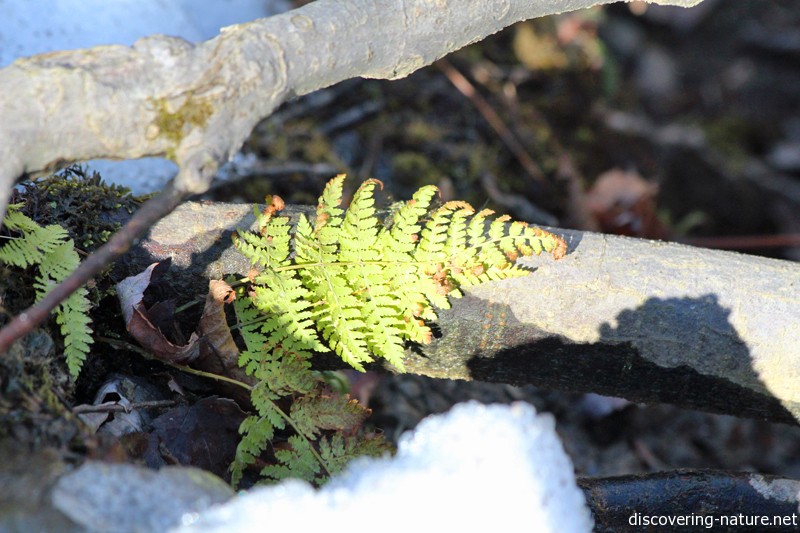
We needed the warmth and sun, and we saw a number of other people out and about in the woods too. All of us are ready for the snow to be gone — even though it means the season of mud begins. It was good to be out and feel the balminess and promise of spring.
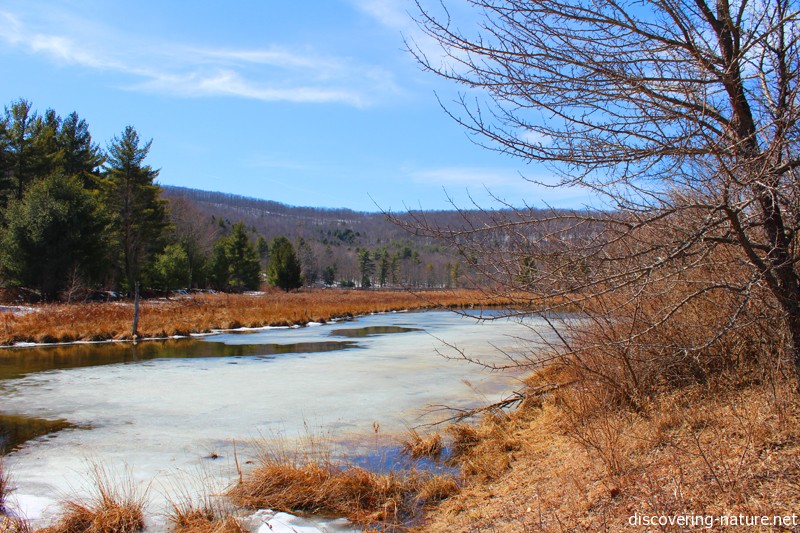
-
Exhibit
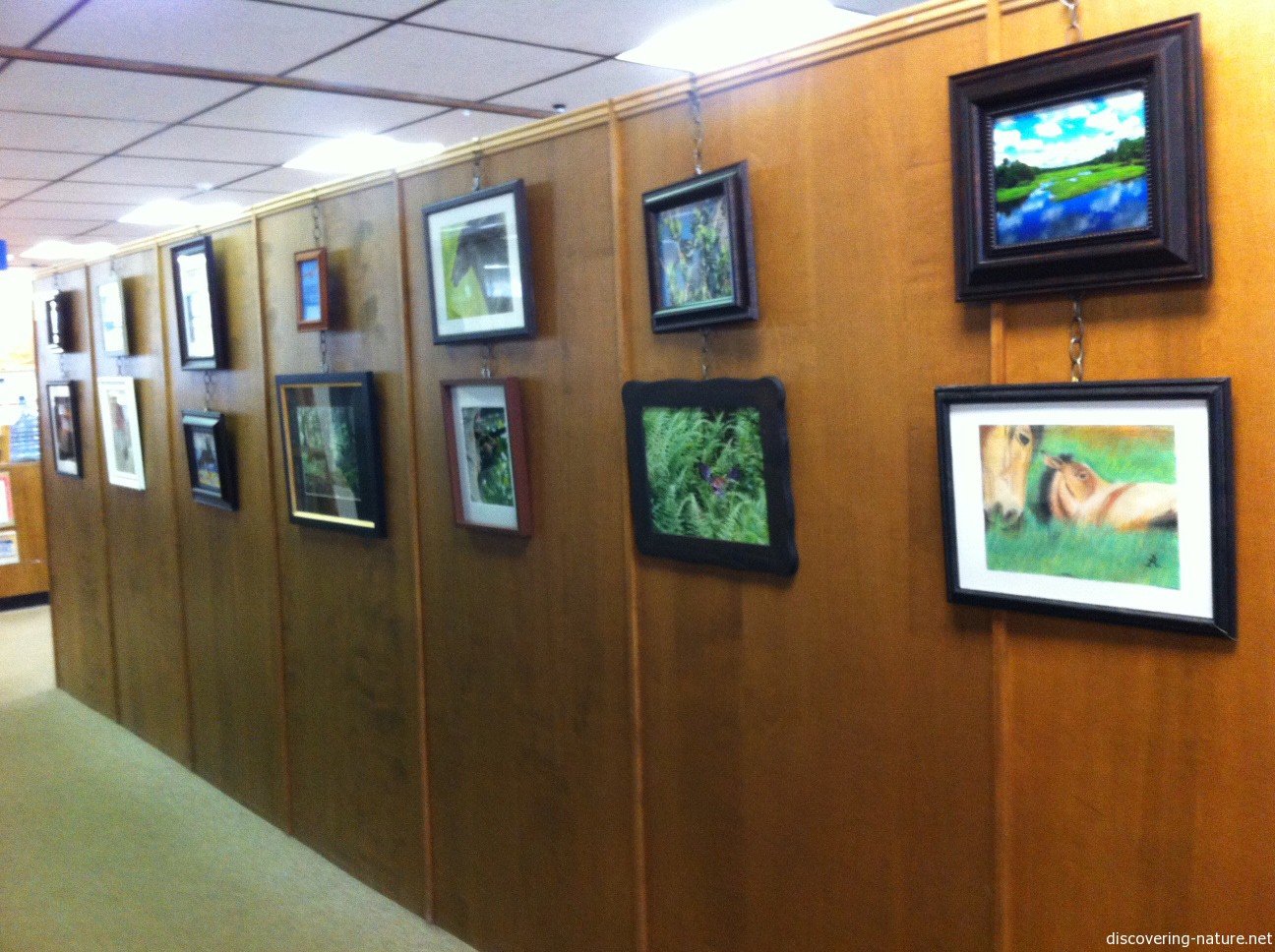
My daughter and I have some art on display at the local library — pastels/paintings of hers, and photos of mine.
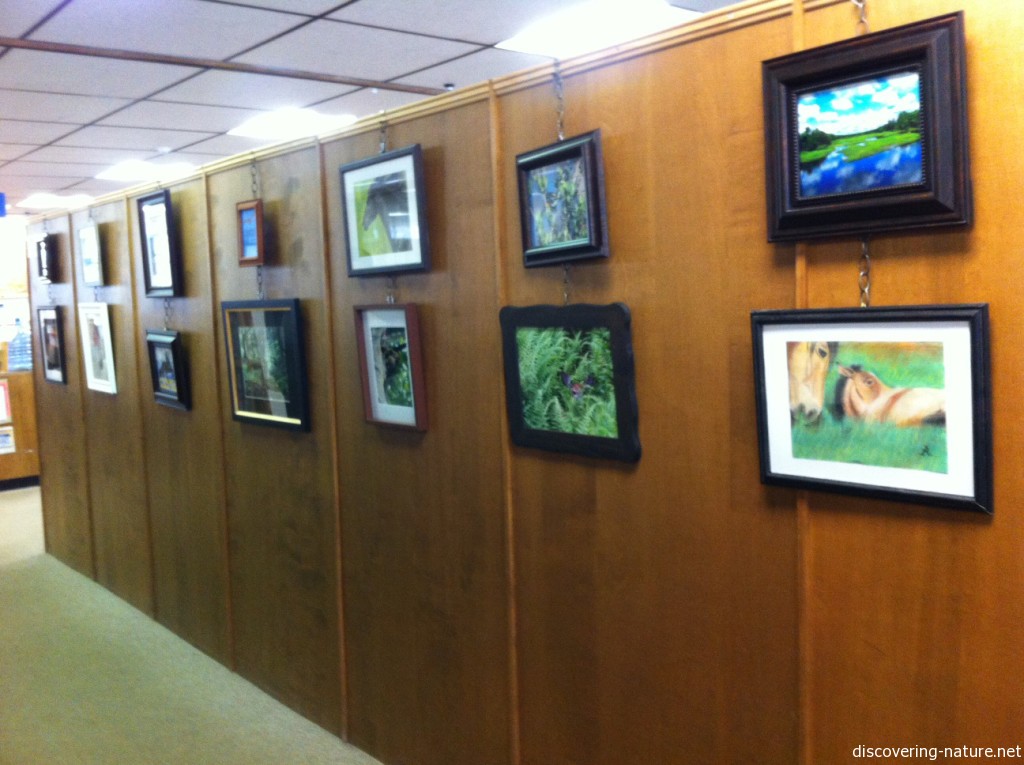 It was fun to work together choosing pictures. Hers are of horses; mine are of nature. After we hung them and left, it was a good feeling to know they were bringing some beauty and pleasure to others. It’s neat that the library gives people such an opportunity.
 -
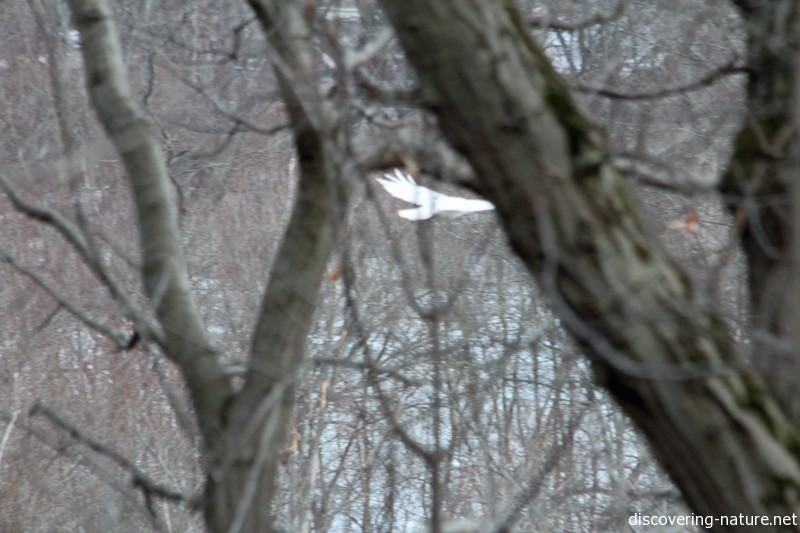
Leucistic Red-tail
We’ve seen this large, snowy white raptor several times nearby since around November.
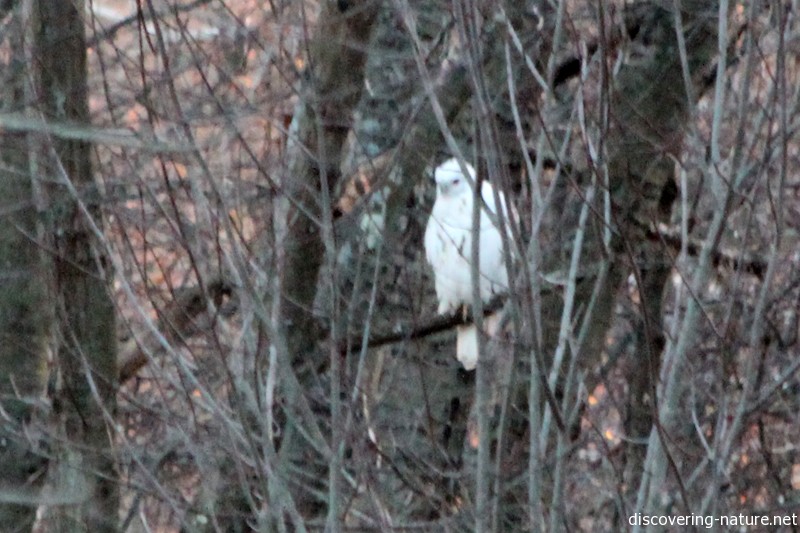
Naturally, I’ve thought it was a snowy owl. Last year snowies were on everyone’s radar because it was an irruption year, and I figured this might be one of the surplus young who were born in the year of plentiful lemmings.
We saw it about a week ago being mobbed by crows, and it was so large, and so white, I thought again: snowy owl! But…
Yesterday it was sitting in and near an old red-tailed hawk’s nest, vocalizing like crazy, and I got a couple of better (or at least, closer!) pictures.
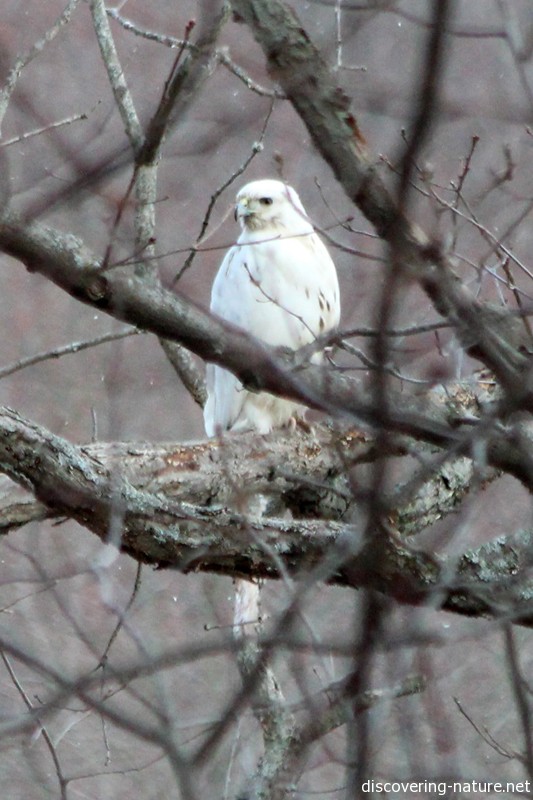
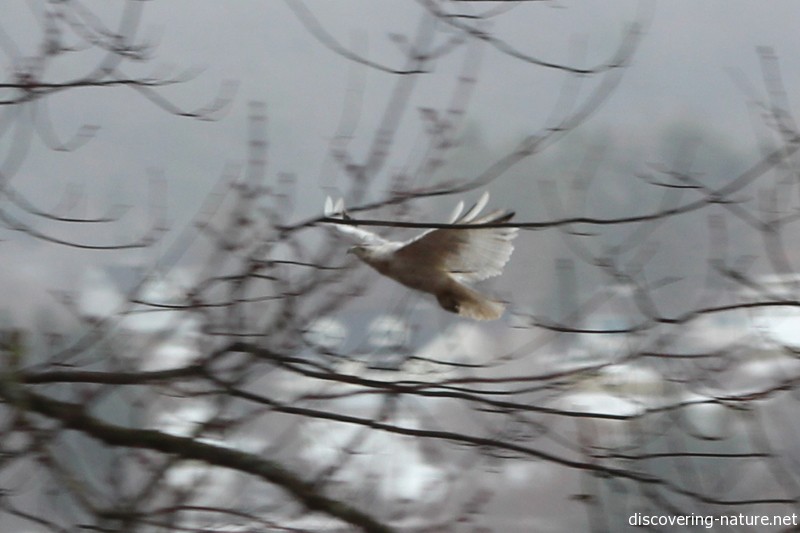
Clearly not a snowy owl!
I noticed several things. It was not an owl call; it was the classic red-tail’s scream. (Another hawk answered from farther away!) It didn’t have yellow eyes. It didn’t have feathered feet. And it just didn’t have the blunt owl body.
Could there be such a thing as an albino red-tail? Searching online, I discovered there could — though the word in this case is not albino, but leucistic — partially albino. The eyes, after all, are not red. And there are some dark accents in the feathers.
We were tickled to have a snowy owl, but we’re even more tickled to have a rare hawk. At first I was sad, thinking its chances of survival would be poor without the protective coloration. But it’s already survived the winter, so its survival skills are pretty good. There aren’t that many predators to worry about. And a dense leaf canopy would hide it well enough from prey below.
As for being chased by its own kind as an enemy, well — it surely did seem to be conversing with that second hawk, and perhaps readying the nest for breeding season. So we’ll see. There is at least this picture online of a leucistic red-tail on friendly terms with a more typical one, so I have hope.
My daughter named it Marley, after the ghost in A Christmas Carol.
-
Window Wonders
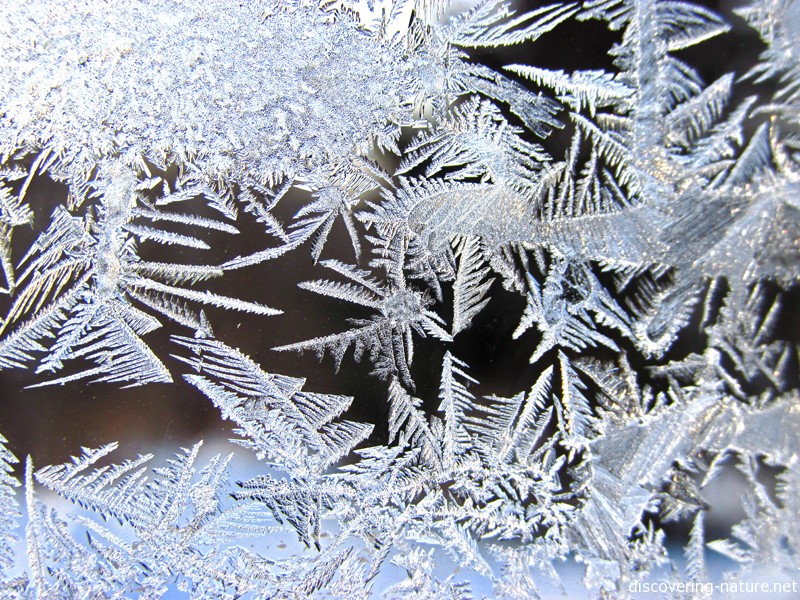
Around here, the winter feels long right about now. Really long. It’s been cold enough to keep us inside. The wind chill, combined with having to blaze a trail through the snow if we go on a walk, leaves us with nature study through the window.
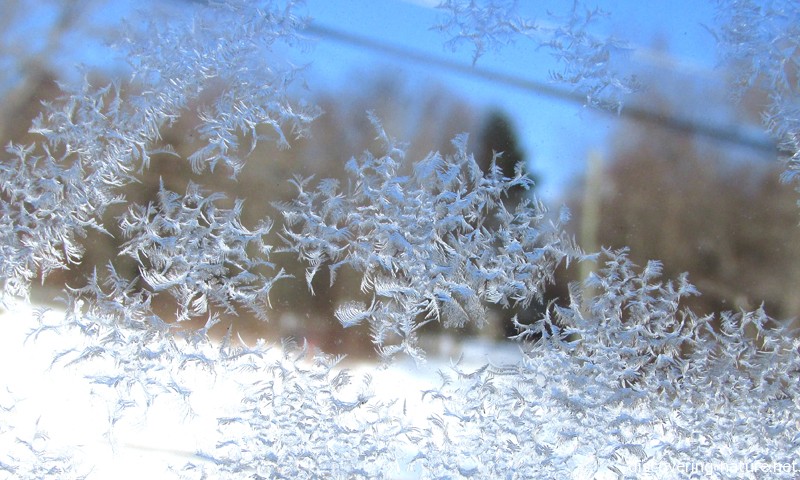
Fortunately, the interest isn’t just through the window. Sometimes, the window itself becomes interesting!
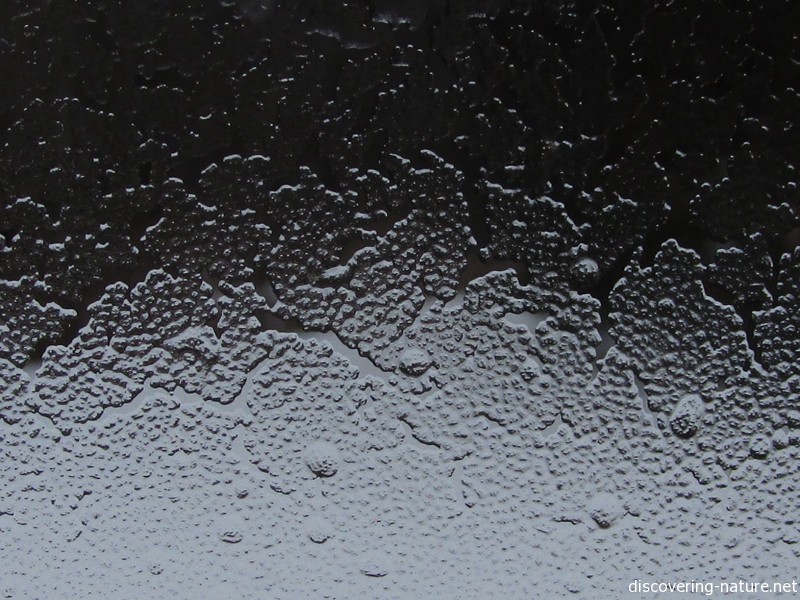
My 13-year-old has taken
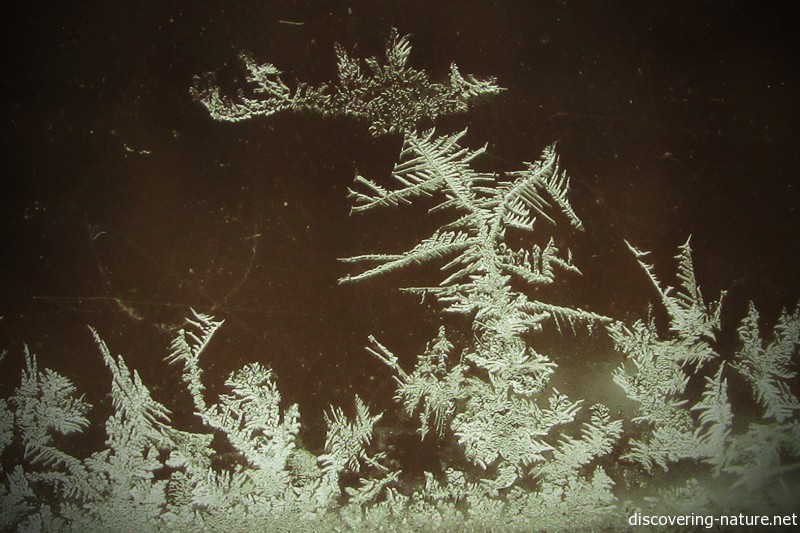
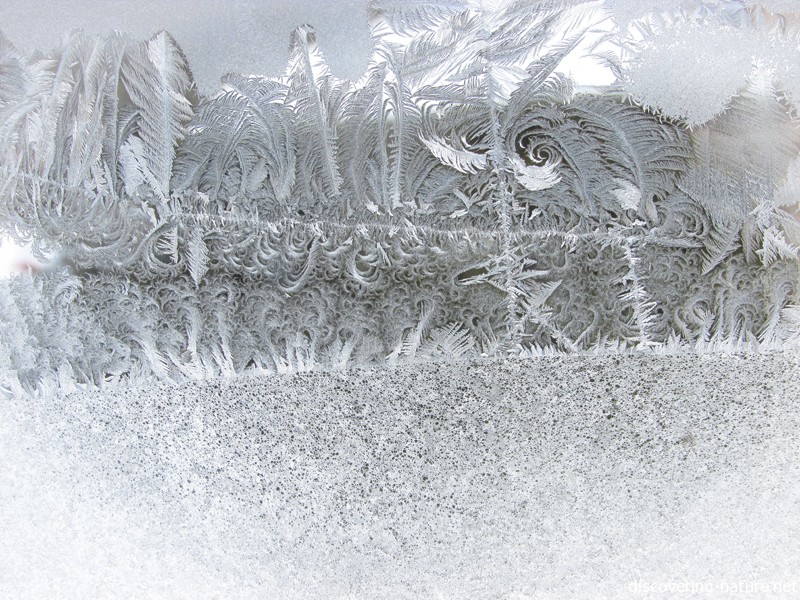
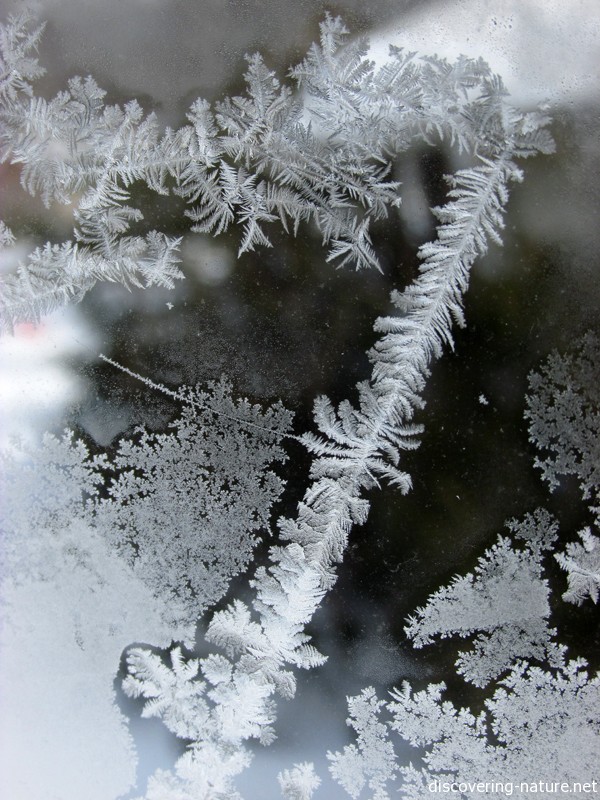
lots of photos of interesting frost patterns on the windows of our house. I’d like to exhibit some of her work in this post — all of these photos are hers.It’s truly amazing how many patterns — sometimes on the same window — Jack Frost can come up with.
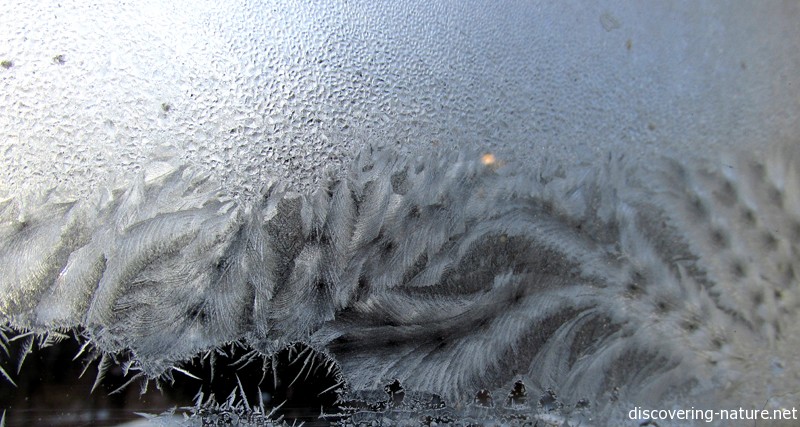
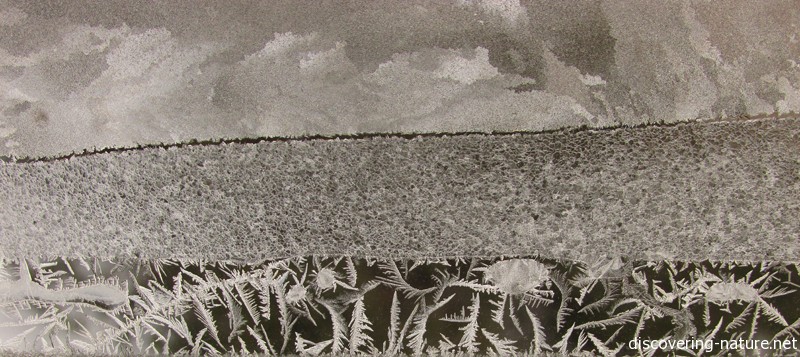
This one looks like a cross section of some layers of soil — with burrowing creatures’ trails in the deepest layer.
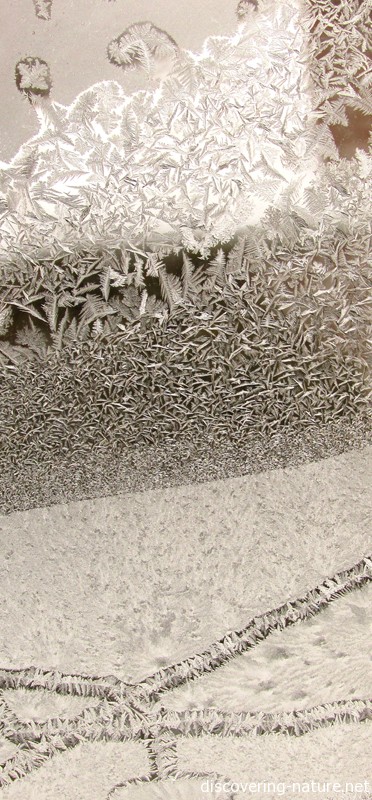
One window might be a blank; the next, covered with feathers.
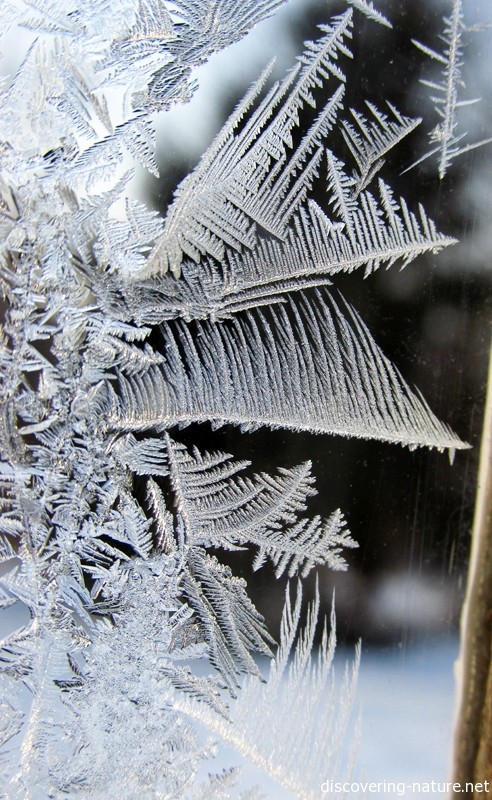
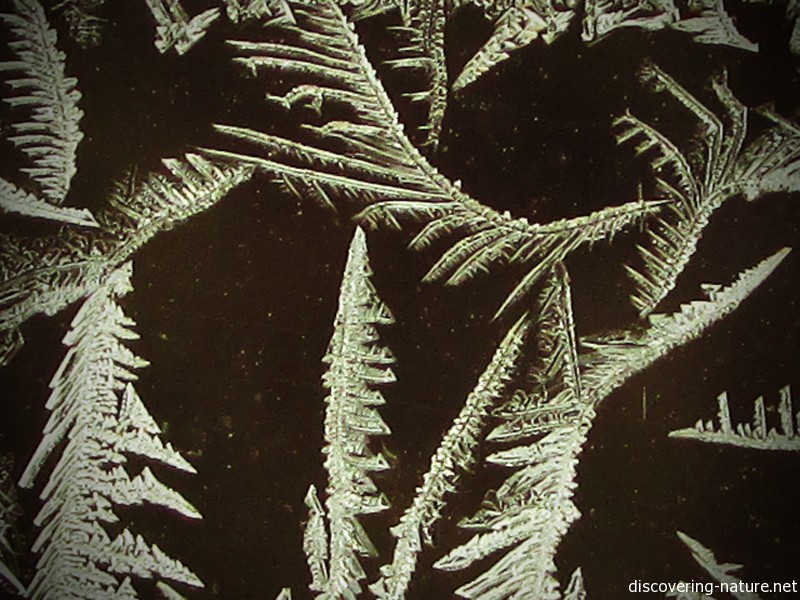
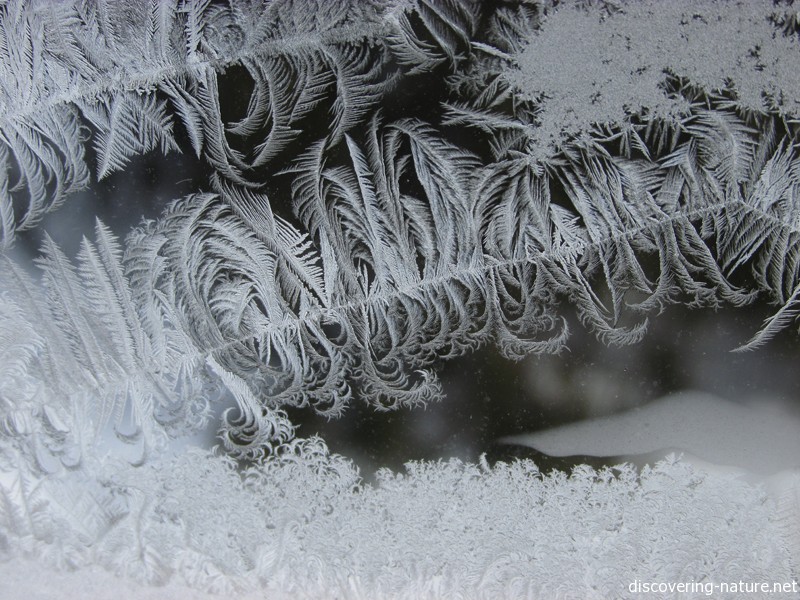
Or water droplets.
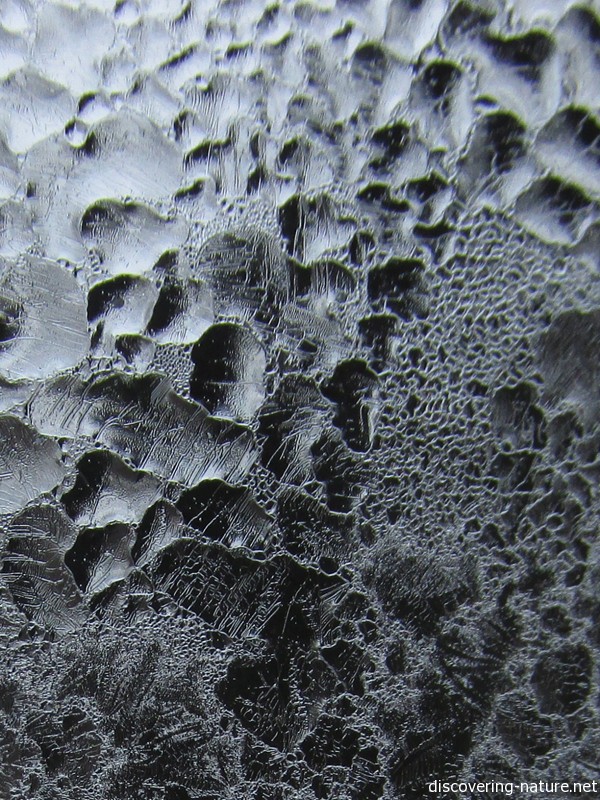
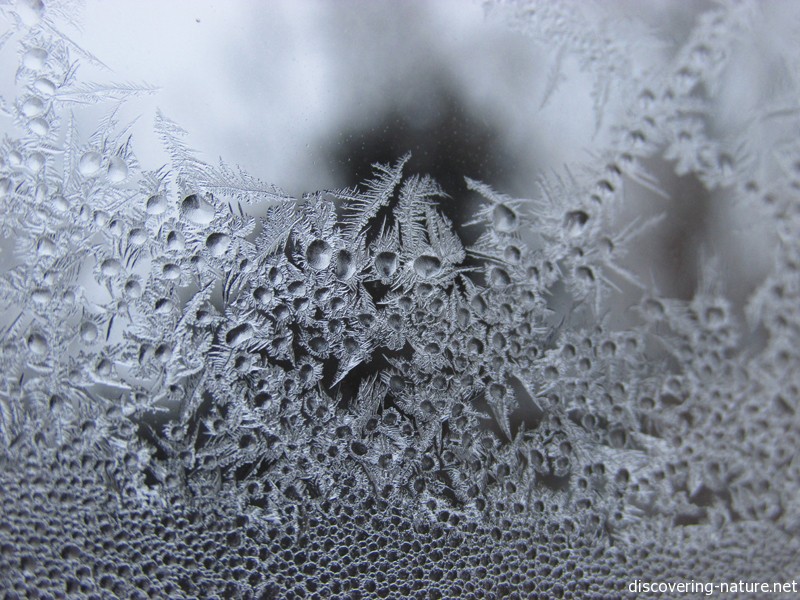
Or strange zig-zags, like an etch-a-sketch.
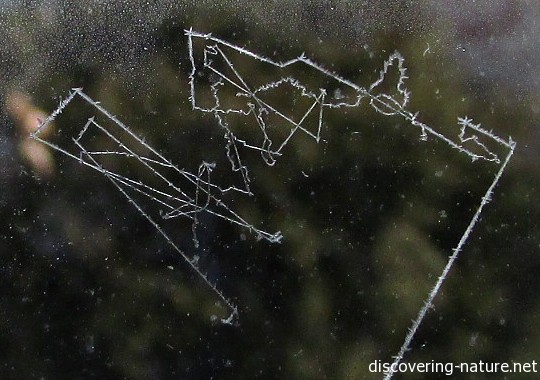
Edges look different than middles.
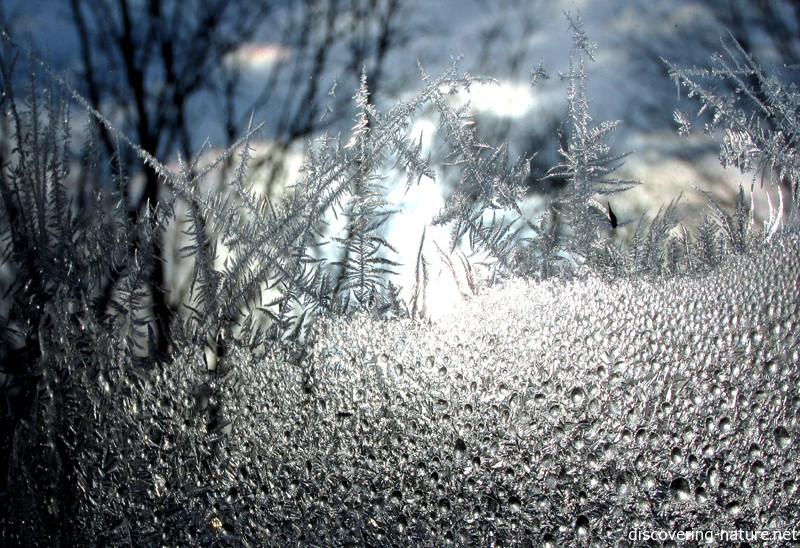
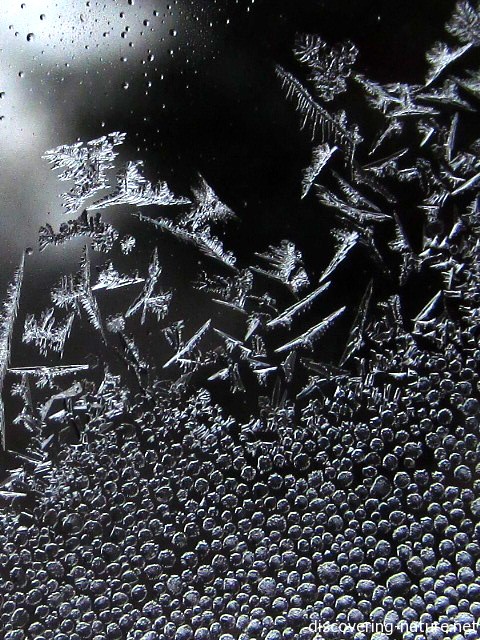
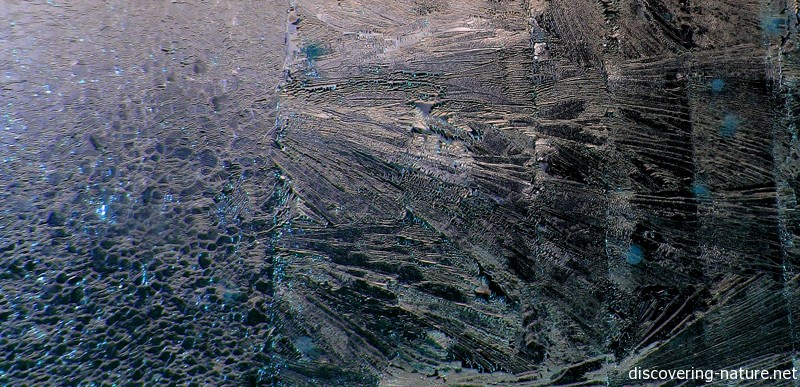
Some patterns look like deep sea creatures.
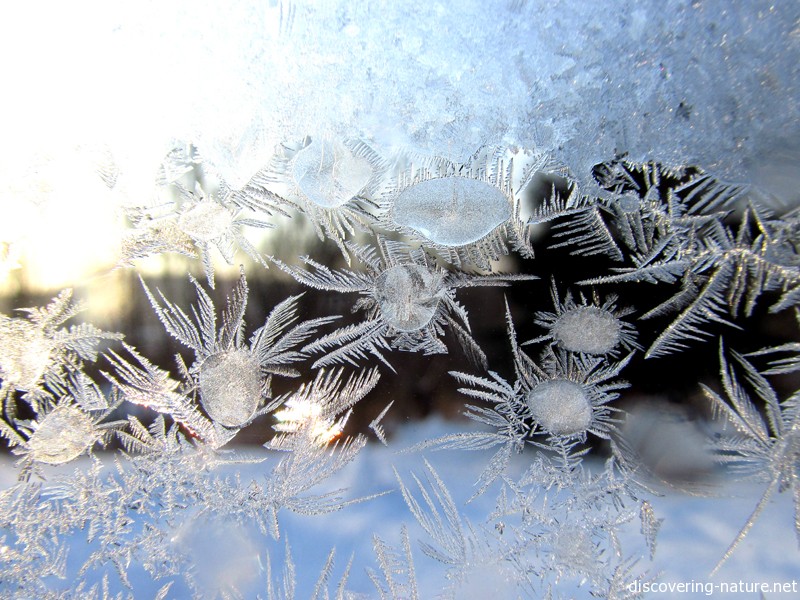
Now and then, Jack Frost paints a landscape.
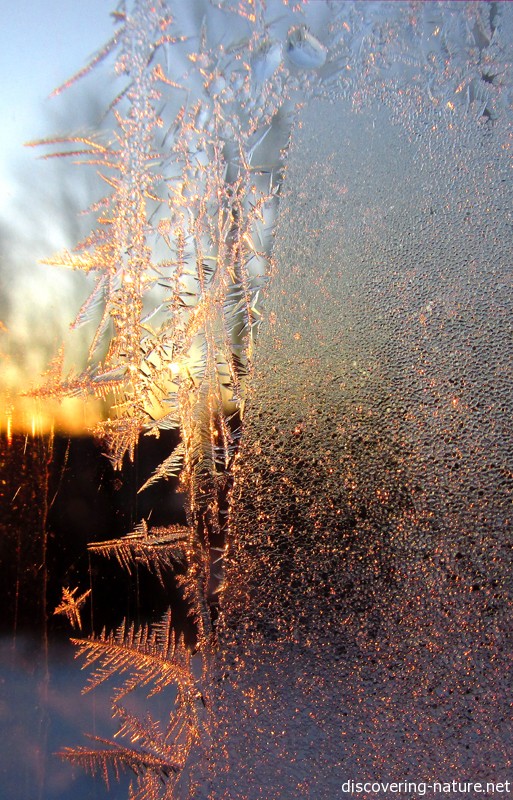
When the sun shines through them, the edges and outlines come alive. The sparkling animation can’t be captured totally in a photo.
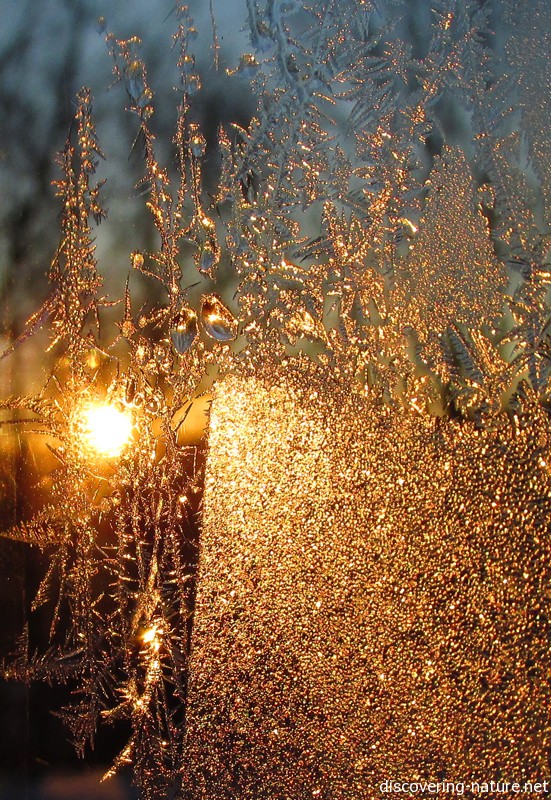
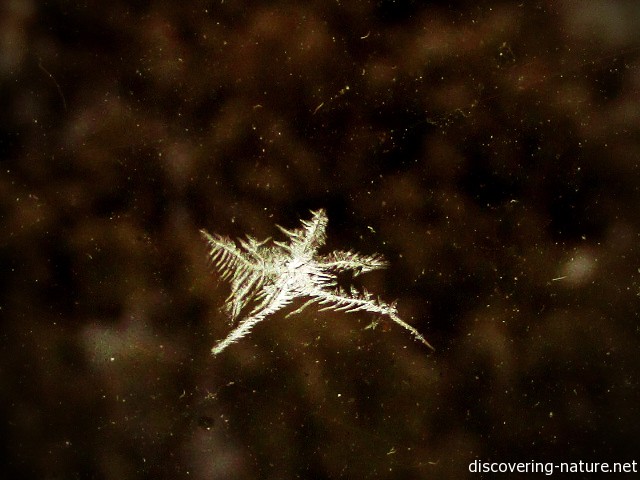
We like this single, solitary dancing star.
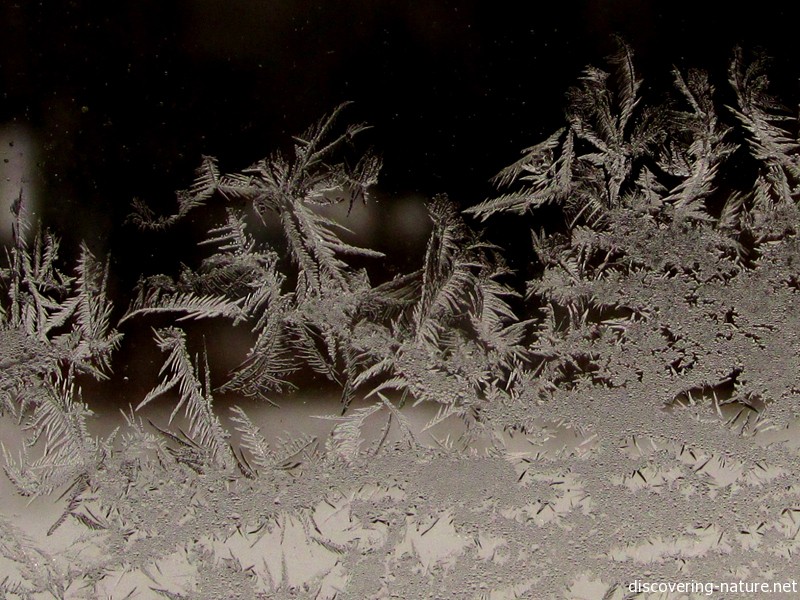
More textures…
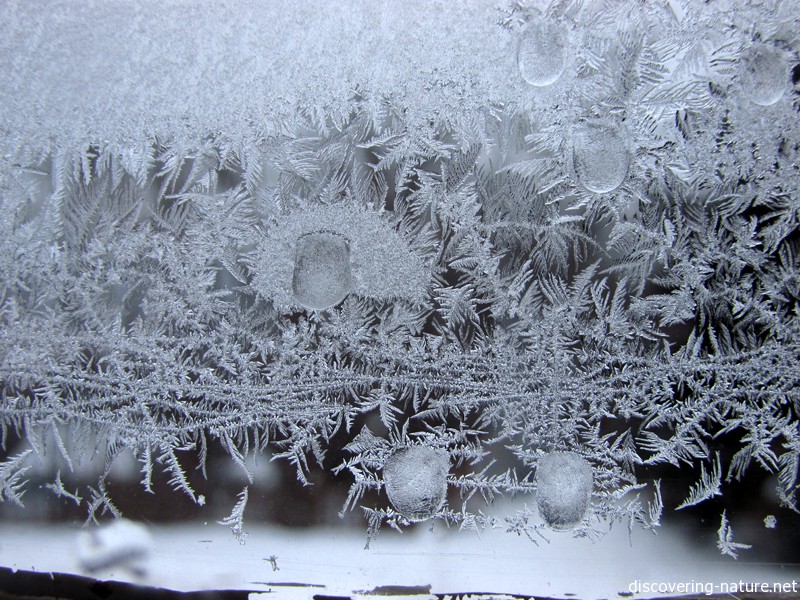
This one reminds us of spring ferns…
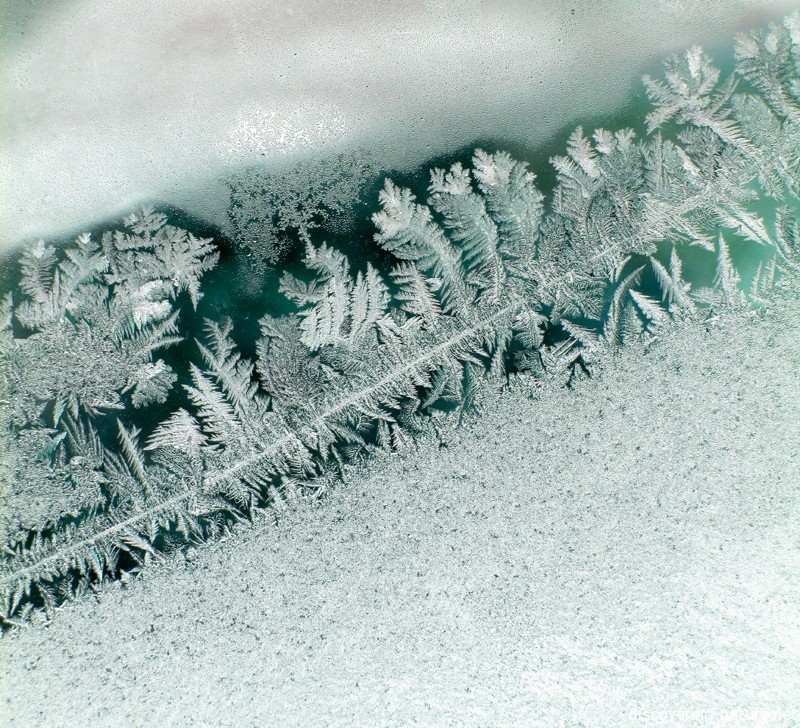
This one looks like it’s sculpted into the window glass itself.
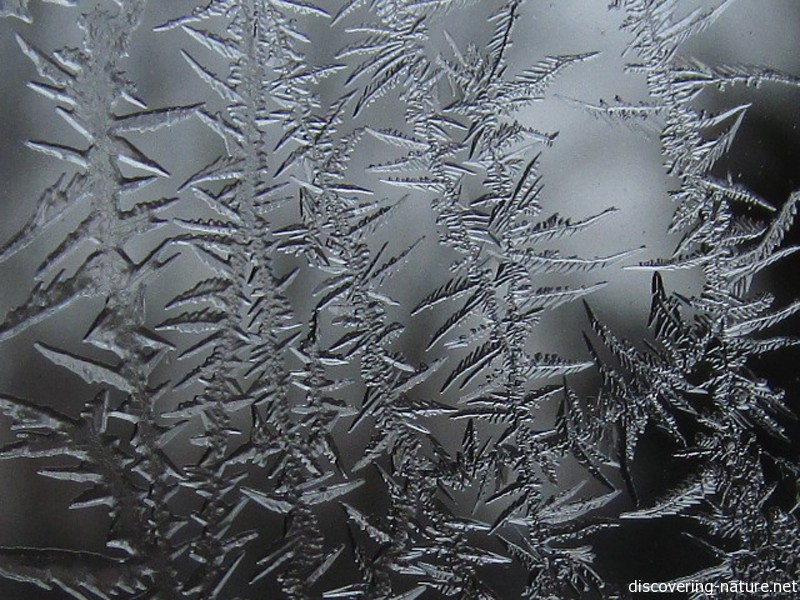
Some simply defy description. But the variety is marvelous.
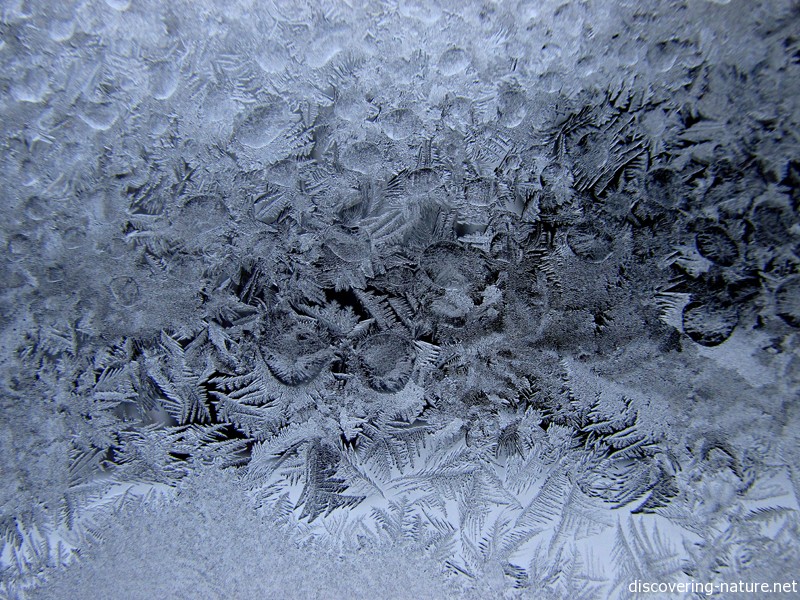
They may be similar, but on closer inspection, no two patterns seem exactly the same.
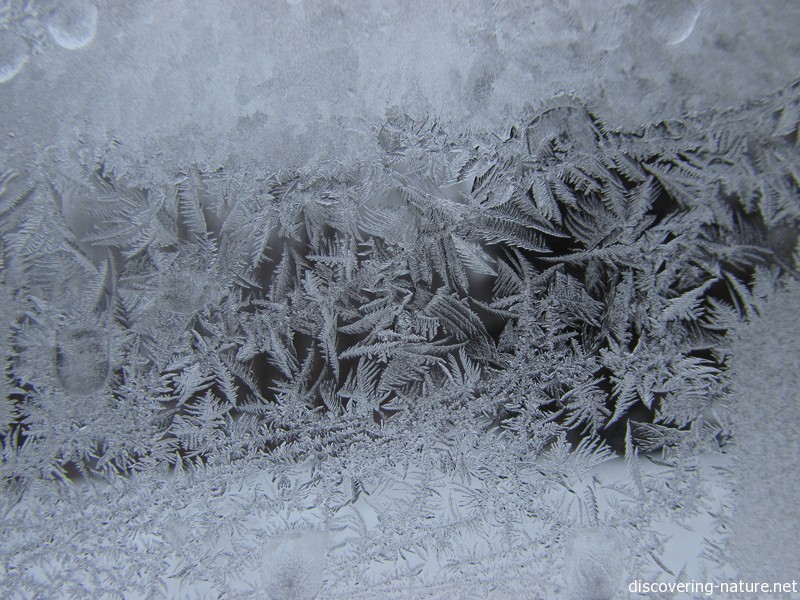
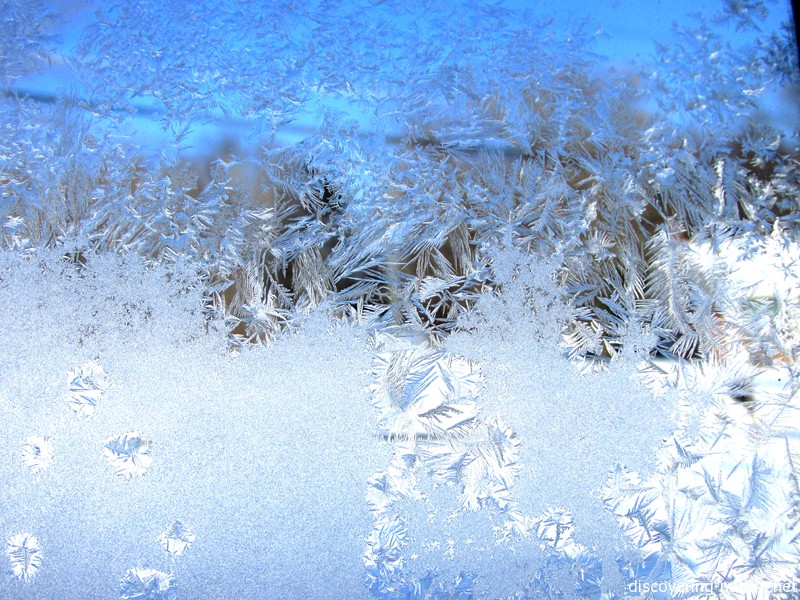
I’m thankful that our cabin fever days are brightened by these beautiful examples of native crystal creations. And I’m thankful to have a daughter so skilled at capturing them on camera.
-
Unusual Feeder Visitors
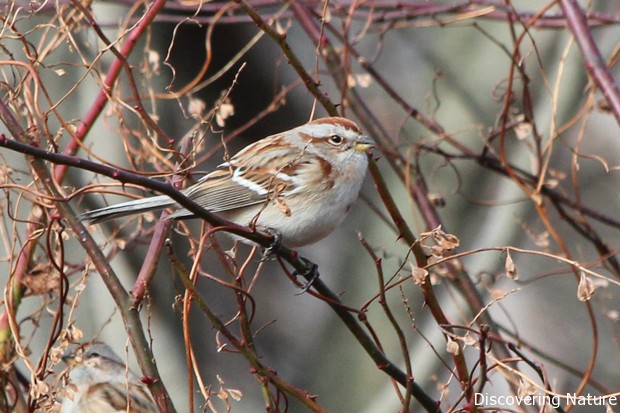
Our usual winter crew at our various bird feeders consists of cardinals, goldfinches, house finches, Carolina wrens, downy and hairy and red-bellied woodpeckers, white-breasted nuthatches, chickadees, titmice, blue jays, and dark-eyed juncos. The ground feeders include white-throated sparrows and mourning doves.
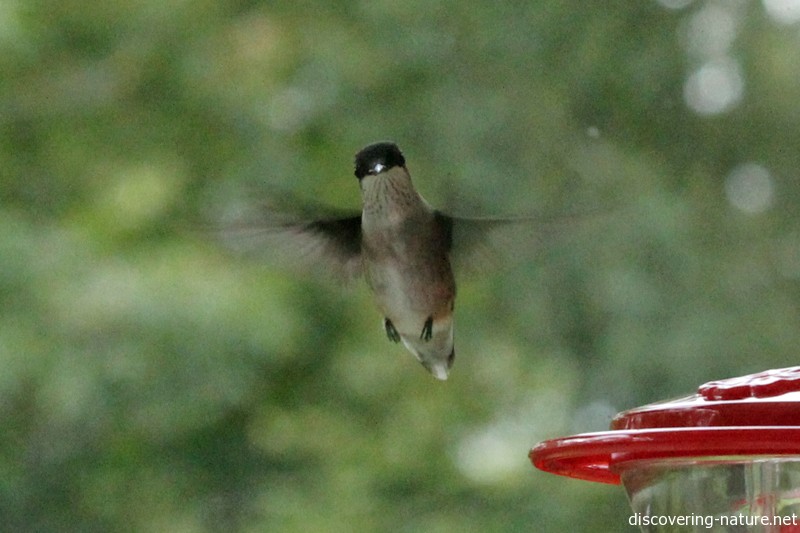
When spring rolls around we’ll see chipping sparrows and rose-breasted grosbeaks. We’ll hang the hummingbird feeder for those tiny beauties. Robins and catbirds will frequent the birdbath. Sometimes grackles and cowbirds hang around.
That’s all I can think of for now. But I thought it would be fun to recall a few of the more unexpected or exceptional feeder visitors who’ve come through.
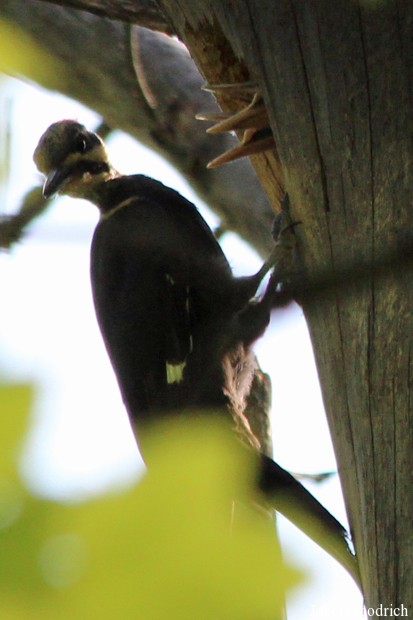
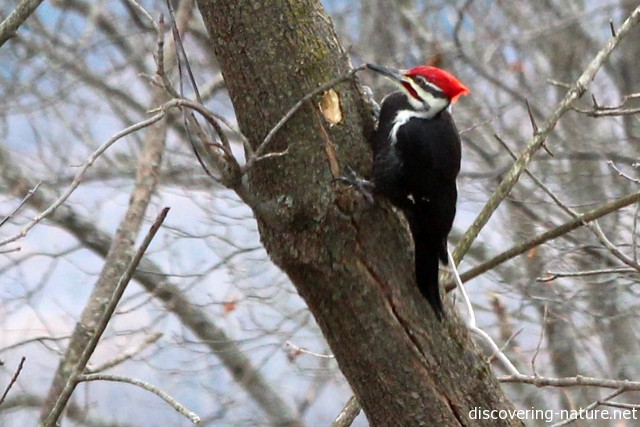
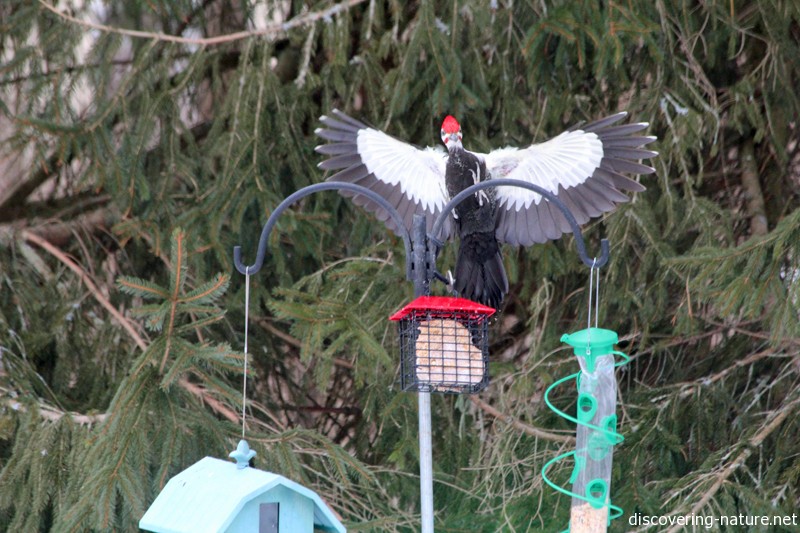
This pileated woodpecker, for example. We see him and his Mrs. around the neighborhood, but it was an exciting day indeed when he actually tried for the suet cake — and even more exciting that my camera was close at hand!
A couple of years ago, redpolls came through the area in multitudes, and for a few days we were swamped.

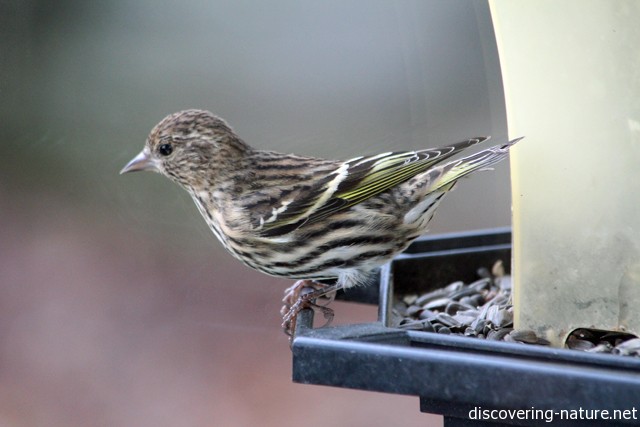
Once in awhile, pine siskins come to visit. They look a little like goldfinches, but streakier.
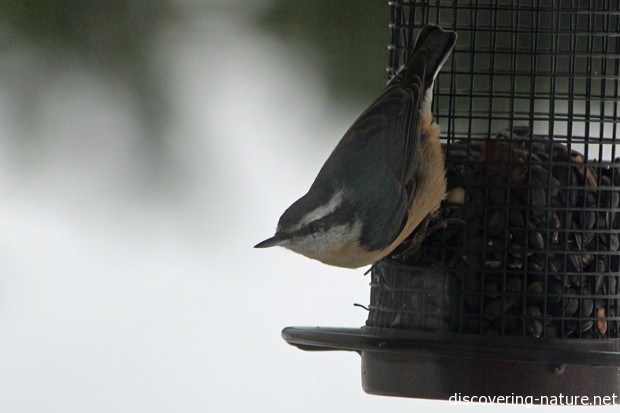
The winter before last, we had a red-breasted nuthatch who came pretty regularly. He was so beautiful and delicate. I wish he’d returned the next year and become a regular.
The grosbeaks and Baltimore orioles aren’t unusual in the spring, but last year they hung out together like buddies and for the first time were really interested in the suet. So many years I’ve hung oranges out hoping to attract the orioles to the feeder, but without results. It was strange the way they came for the suet.

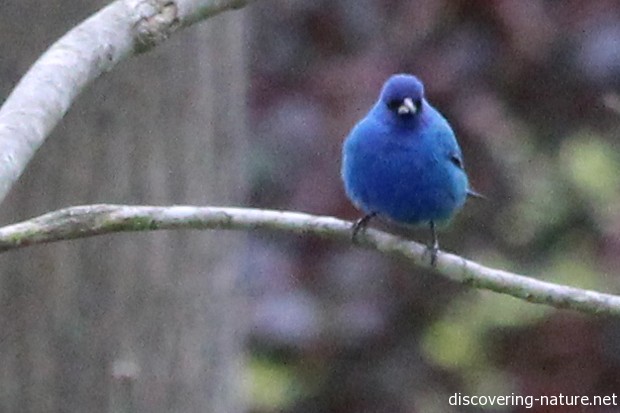
There will be one day every year that we have indigo buntings. They never hang around for long, and it’s always on a rainy day. My pics are never very good.
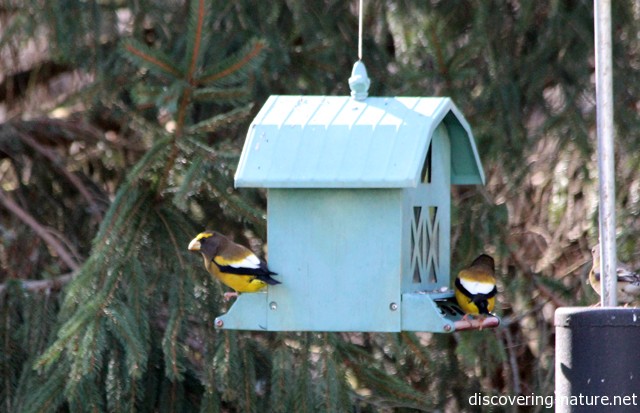
Evening grosbeaks often pass through, too. They’re never around more than a day. If we didn’t have such a habit of watching, we’d miss them.
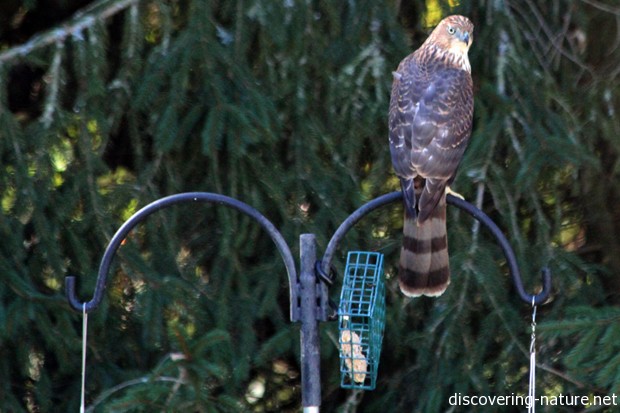
Once in awhile, a Cooper’s hawk passes through. We saw him get a robin once a few years ago, and a few times we’ve found piles of feathers. But most of the time when we see him, he’s unsuccessful — except at invoking terror.
Then there are the non-bird visitors, starting with these clowns…

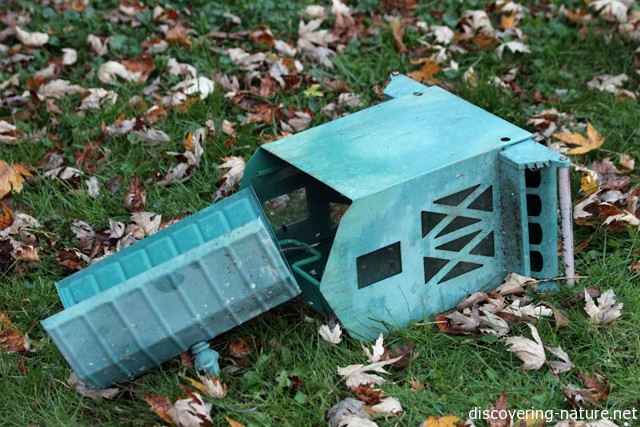
We’ve outsmarted them at our pole feeder with one of those squirrel baffles. It’s fun to see them try, but they never make it to the feeder. But they would jump from the roof to this feeder when we had it out — which we don’t anymore, since the visits from Mr Black Bear last fall. When he tore down the feeder hanging from the eaves of our house, that was a little close for comfort! He did a number on the pole out back, too.

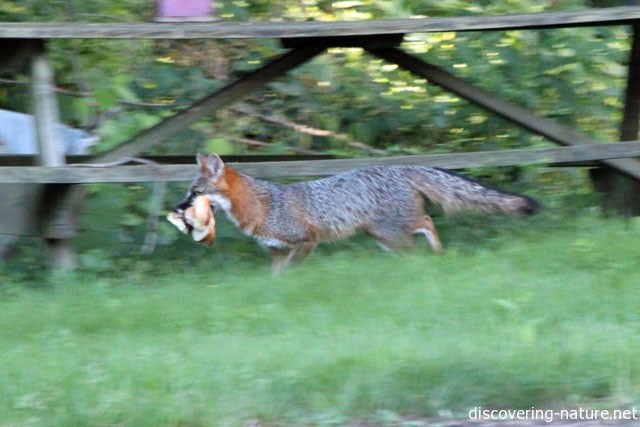
Then there was the gray fox who’d sneak out at dusk and eat seed.

But this was the prettiest — and saddest — visitor, an injured fawn who came to drink from the bird bath, then curled up to sleep.
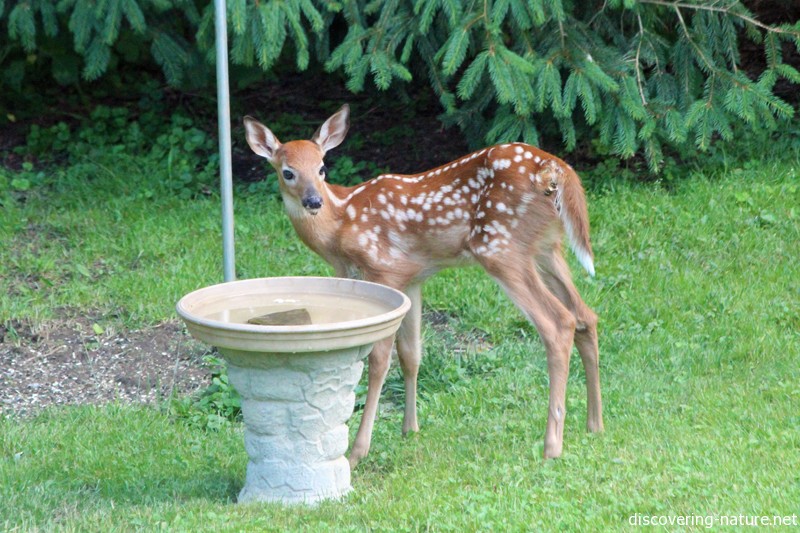
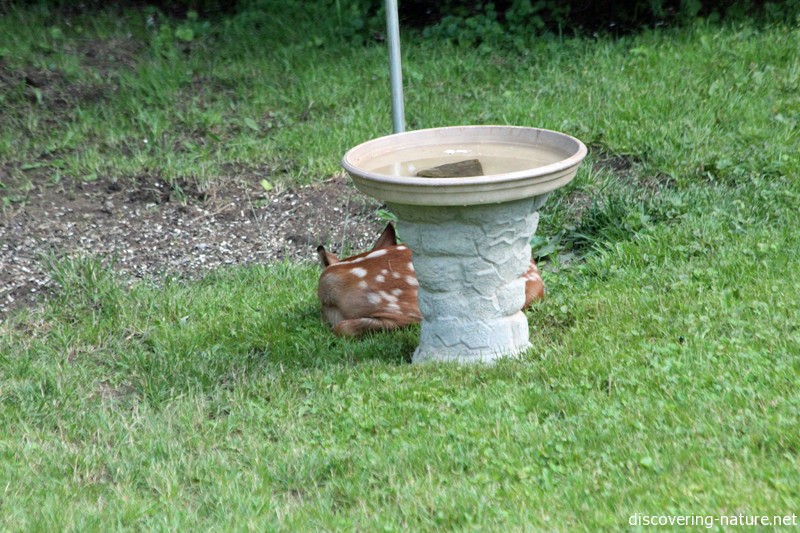
I called a wildlife rehabber about what to do, but the little guy never came back. At least he was able to get some refreshment on a hot day.
How about you? What riff raff — invited or uninvited — has your feeder brought into your life?
-
Superbirds
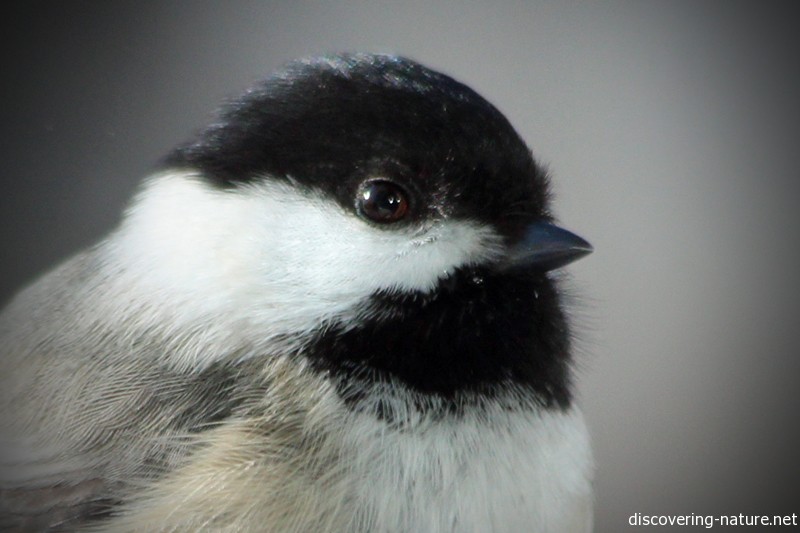
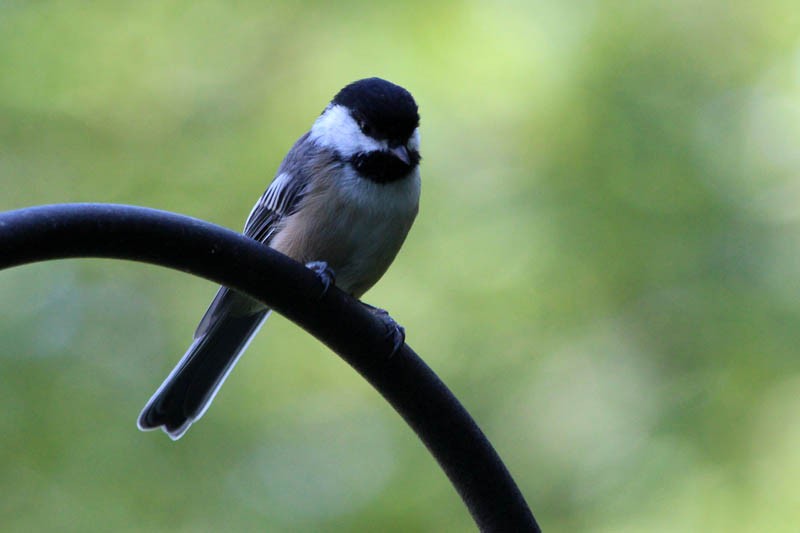
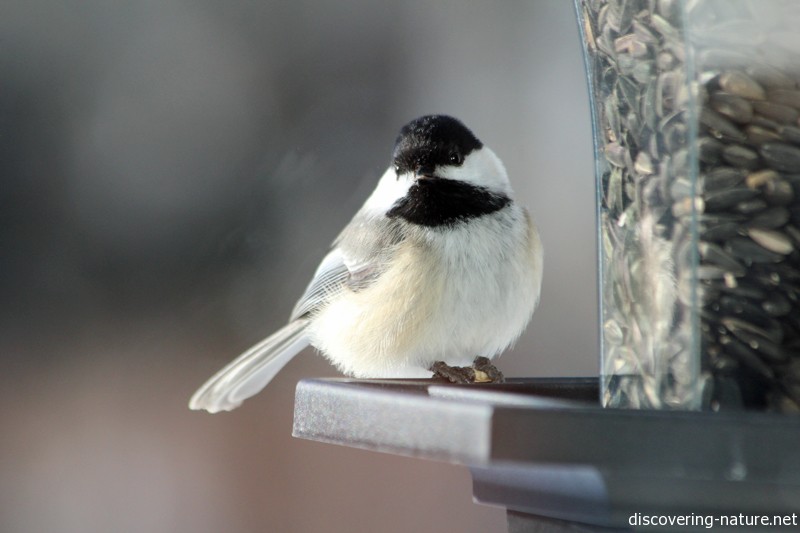
It was minus 8 degrees this morning, but these beautiful, hardy little chickadees are briskly about their business. Such brave little birds.
What else can they do? Think how much they must have to eat to survive in these temps. They have no time to waste.
According to The Forest Unseen, chickadees have various adaptations to the cold. They grow 50% more feathers in winter (the original down jacket). They sometimes sleep huddled together in a “ball of birds.” And they search constantly for food with eyes that are lined with twice as many receptors as humans’:
On a winter day, the birds need up to 65,000 joules of energy to keep themselves alive. Half this energy is used to shiver. These abstract measures become more understandable when they are converted into the currency of bird food. A spider the size of a comma on this page contains just one joule. A spider that fits into a capitalized letter holds one hundred joules. A word-sized beetle has two hundred and fifty joules. An oily sunflower seed has more than one thousand joules…
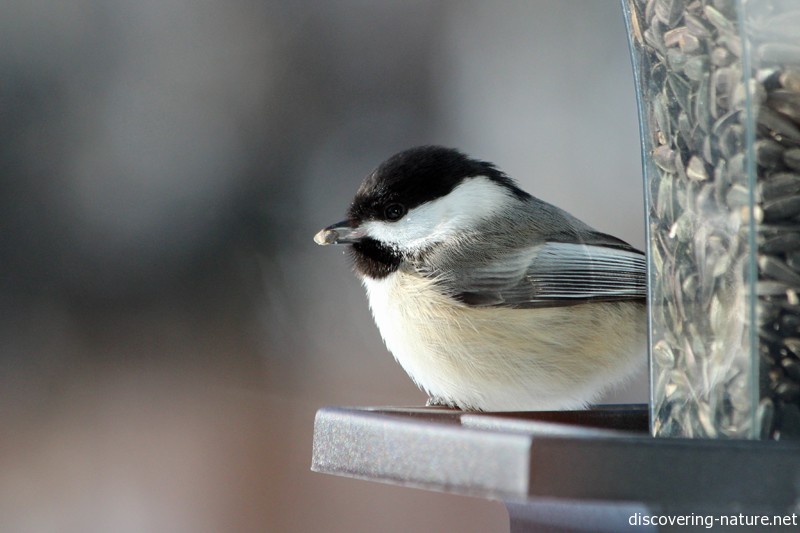
One of the reasons we keep the feeders filled around here!
There’s something inspiring about these “common” little birds. If they can brave these cold days with every appearance of good cheer, so can I.
-
Boardwalk
-
Tracks
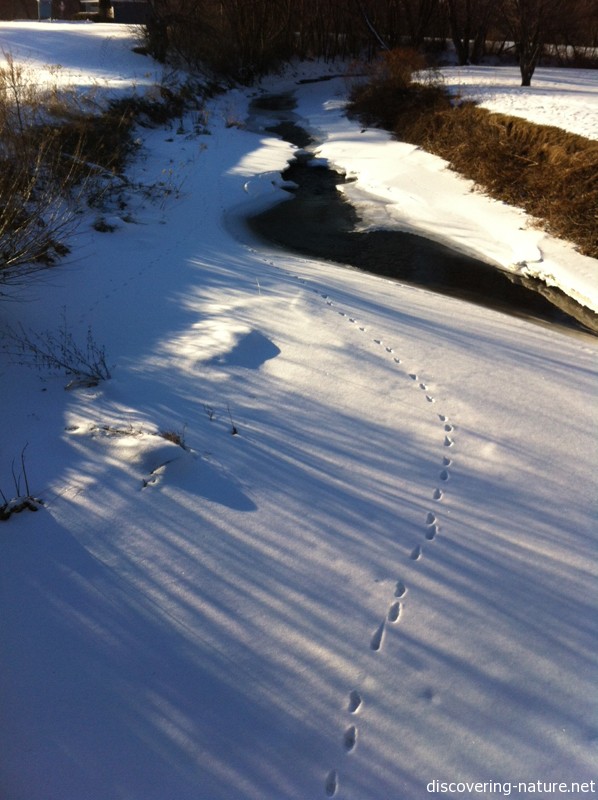
Winter reveals secrets: nests hidden in summer, wasp nests, holes in the ground no longer covered by long grass.
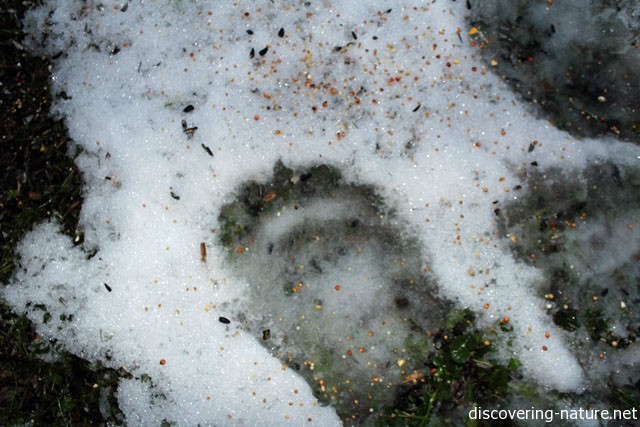
And tracks. Especially along frozen streams.
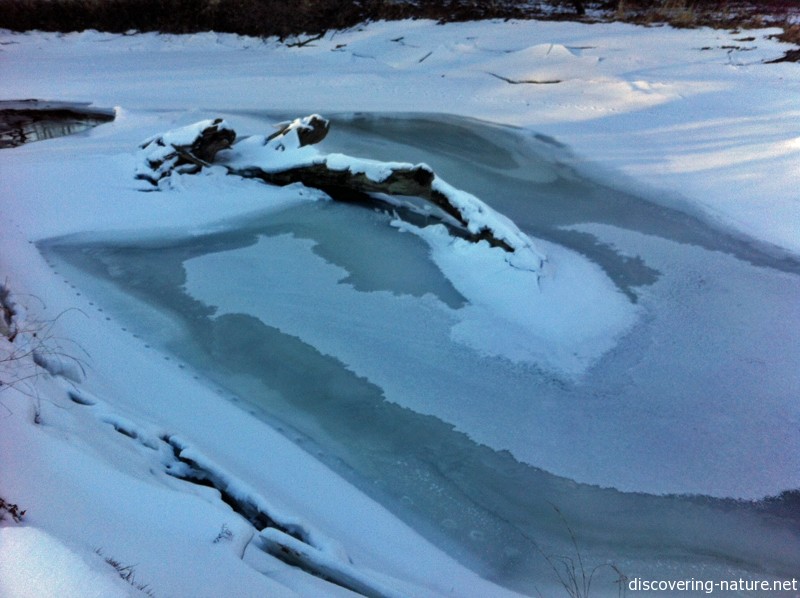
Today in this spot we saw what must have been muskrat tracks — small feet with a tail-dragging mark between. They came up over the edge of the bank, meandered in a circle on the grass, then dropped back over the bank. There was a little dirt slide that led right down into one of those slats between sheets of ice and the bank.
These tracks suggest a squirrel and a crow taking a walk together, but probably the crow came later.
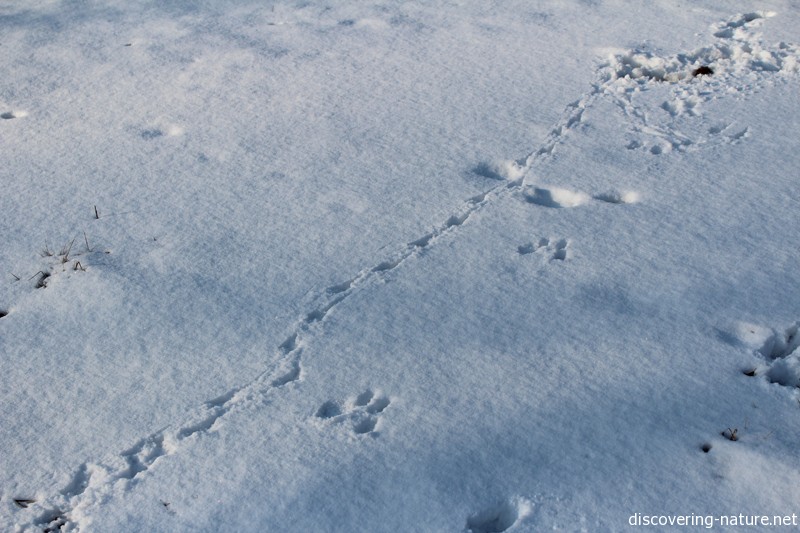
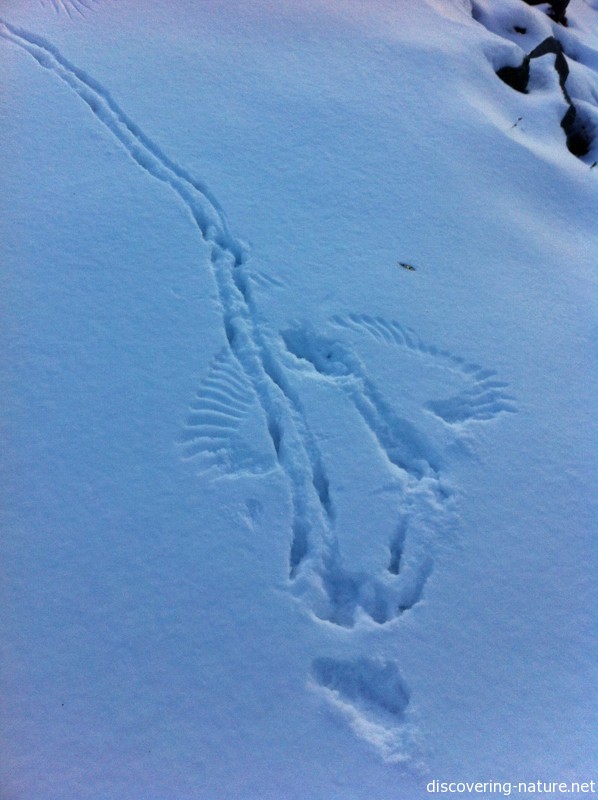
I once watched a squirrel carefully bury a nut in our back yard. Just after he left a crow landed, dug it up, and carried it away. I think the crows watch for the squirrels and investigate.
We saw several of these spots today, where crows had landed and dug at something. There were some dried seed pods around, so maybe that’s what they were after.
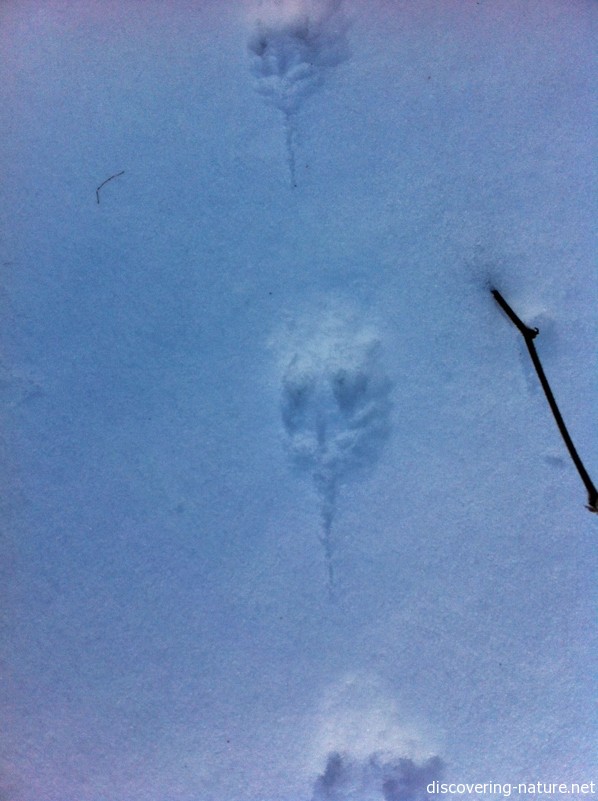
Mouse trails show up well too. They must hop pretty high to leave such perfect imprints, complete with little tail marks.
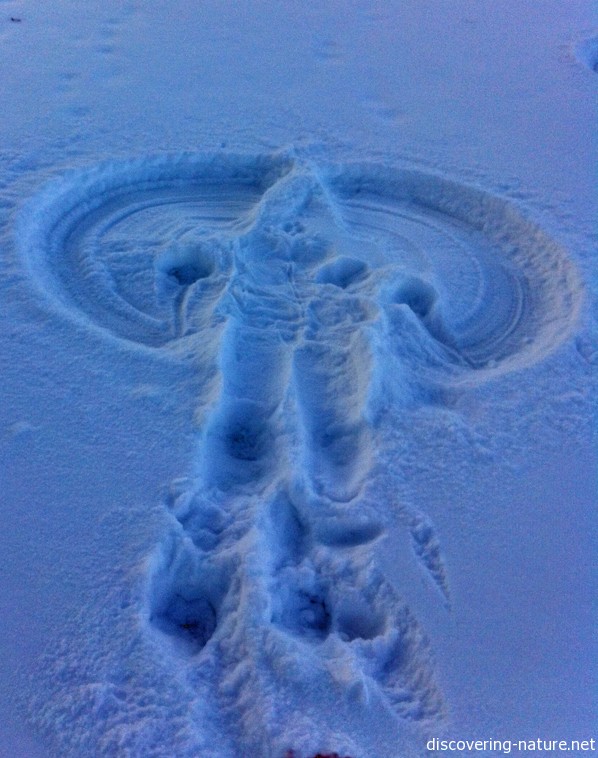
Then there are the tracks left by juvenile homo sapiens — my kids, who like to write in the snow with sticks.
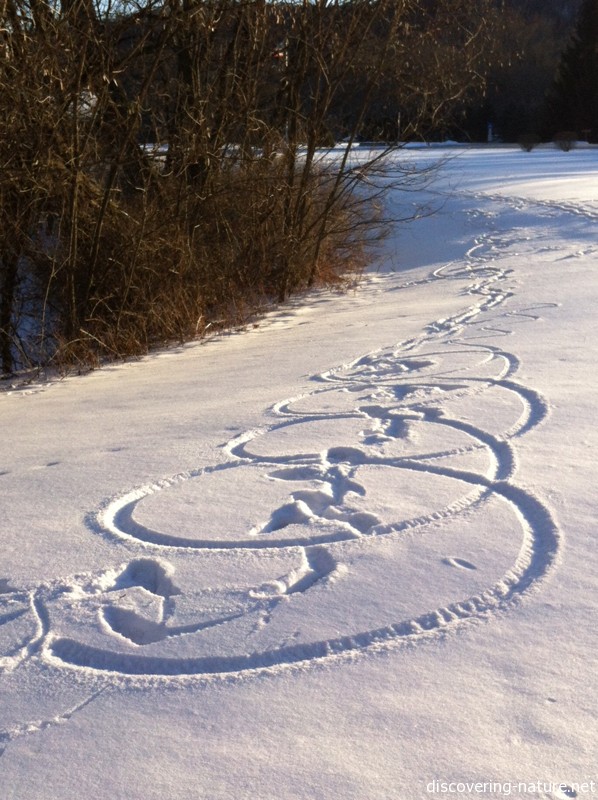
Winter crop circles. Or Nazca lines. We humans, unlike all these tough little barefoot animals, have the luxury of boots and can make gratuitous marks in the snow. Maybe next time we can draw something spectacular. Till then it’s the tried and true.
-
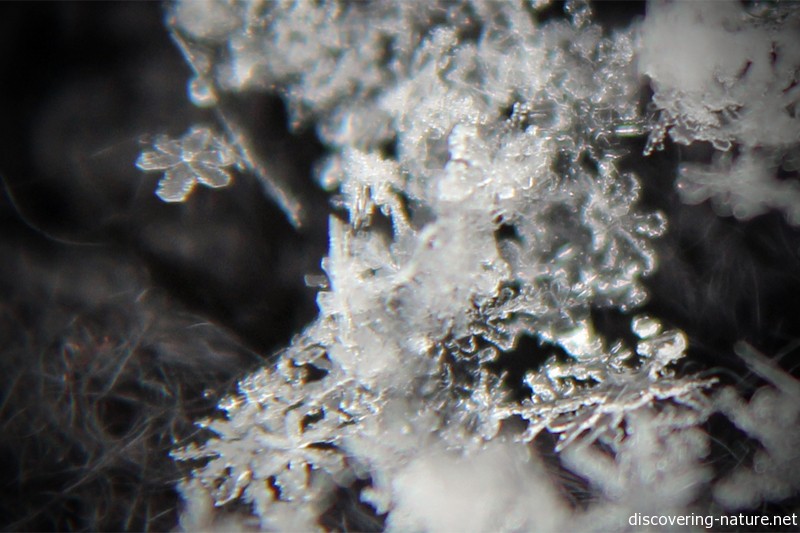
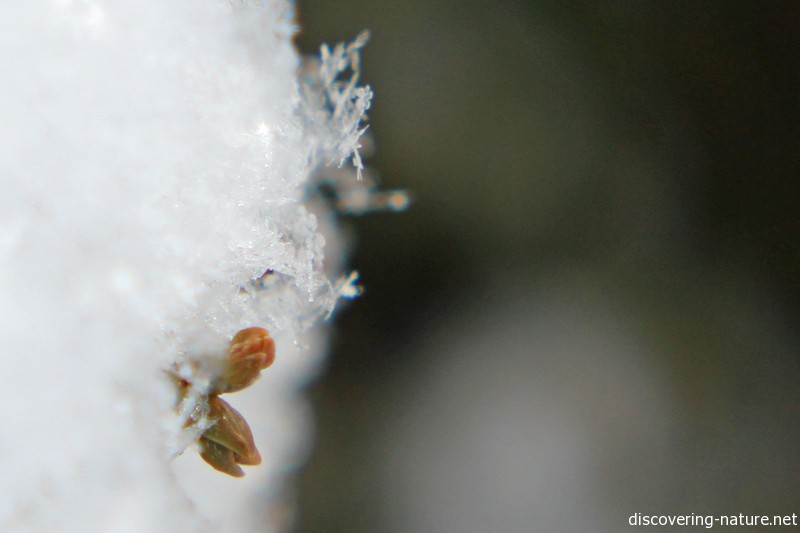
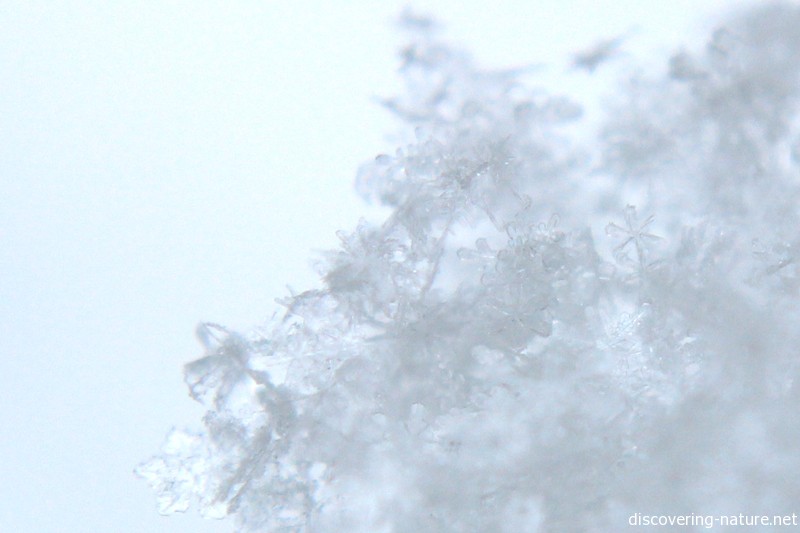
No two alike?