-
Walking the Gorge Trail
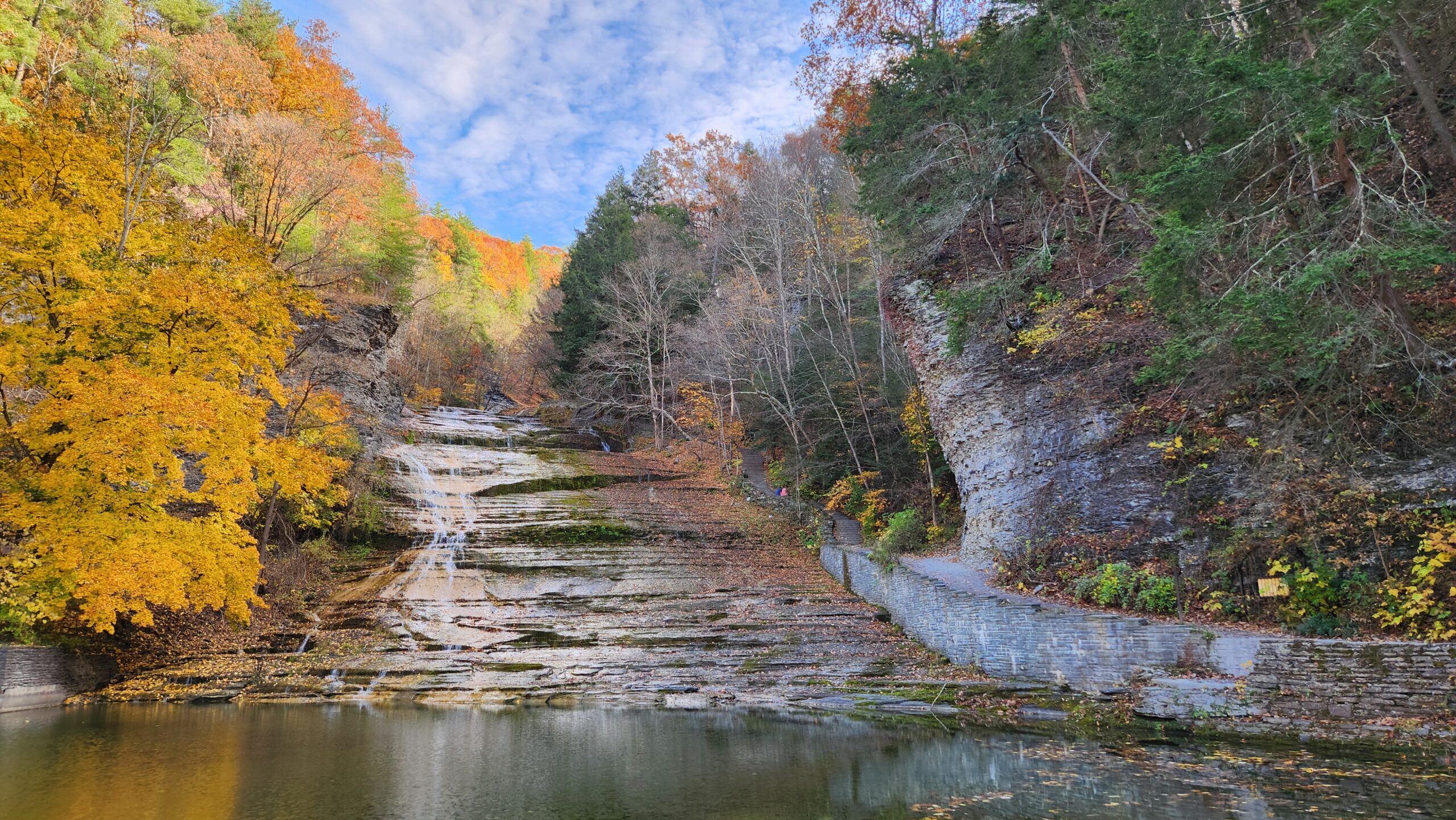
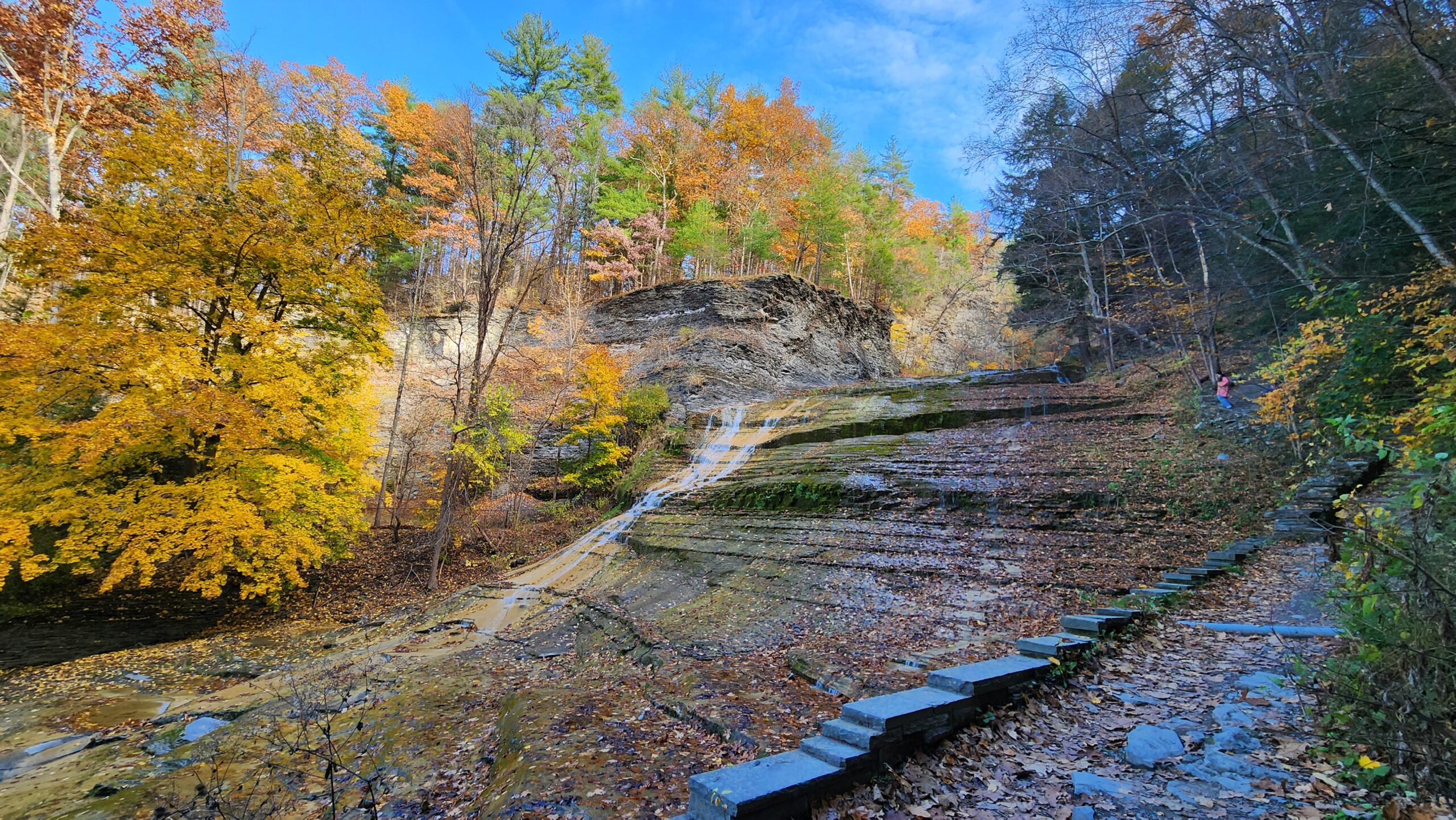
Exploring Buttermilk Falls involves a steep ascent through many layers of Devonian shale and sandstone that have eroded for thousands of years under the relentless progress of water. It’s a lovely climb, but first, you take stock from the ground, where you’re greeted by a welcoming pool sporting an unnecessary warning not to jump in. (It’s too chilly even to be tempted.)
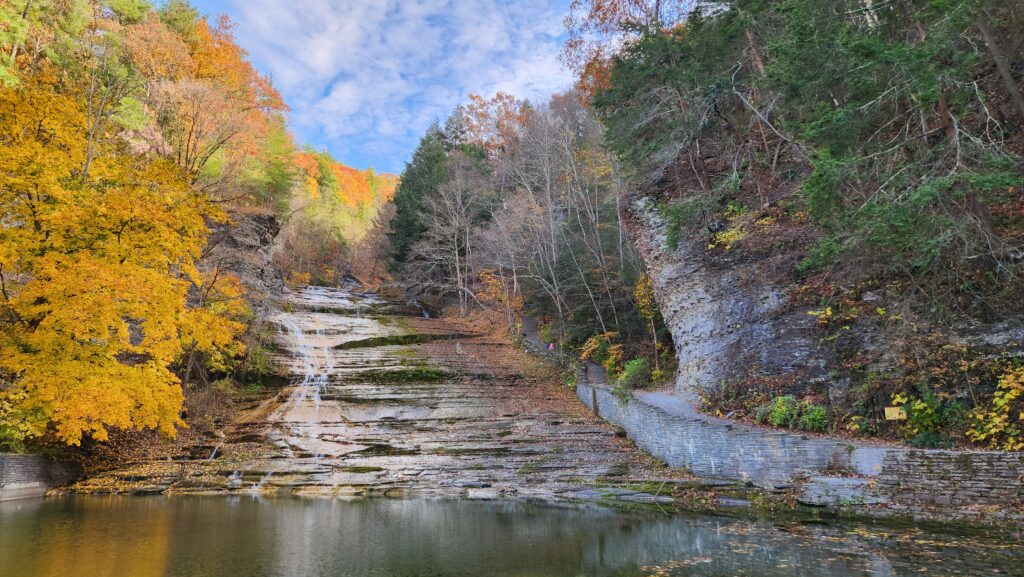
You take note of things like reflections on calm water, and the lazy drift of fallen leaves.
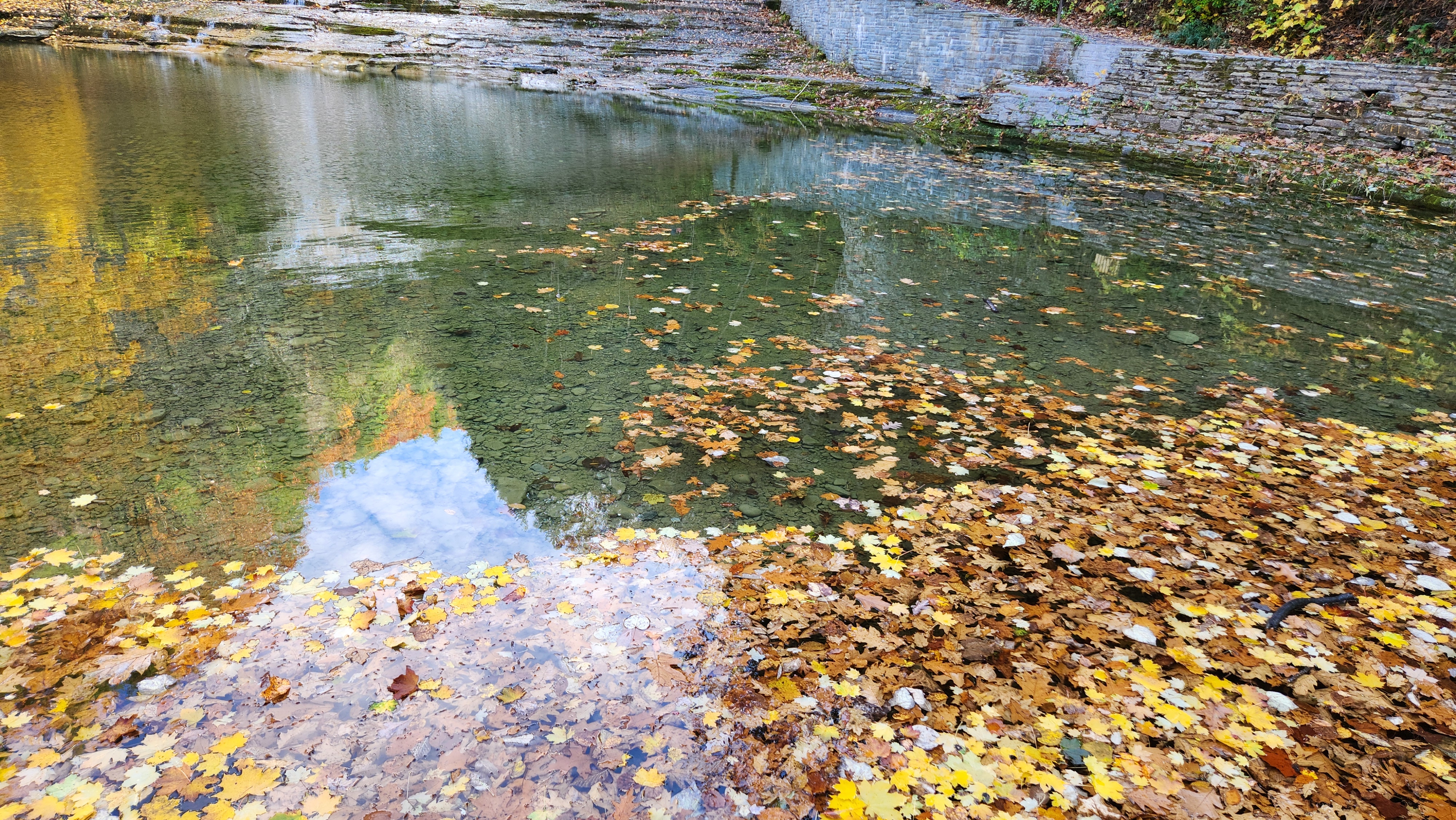
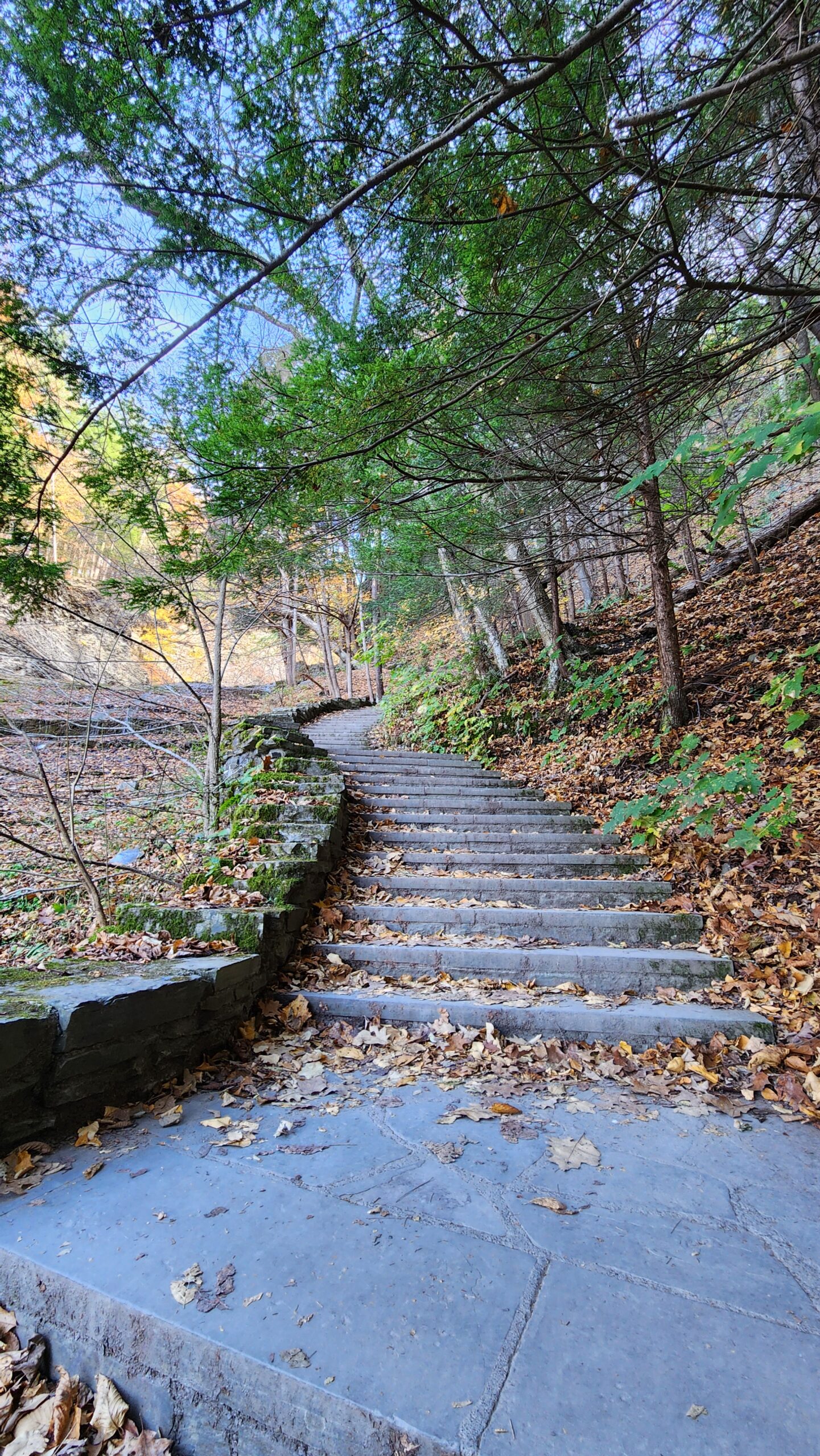
Then you start to climb. A humanly-constructed stone staircase ascends next to the natural staircase of the falls.
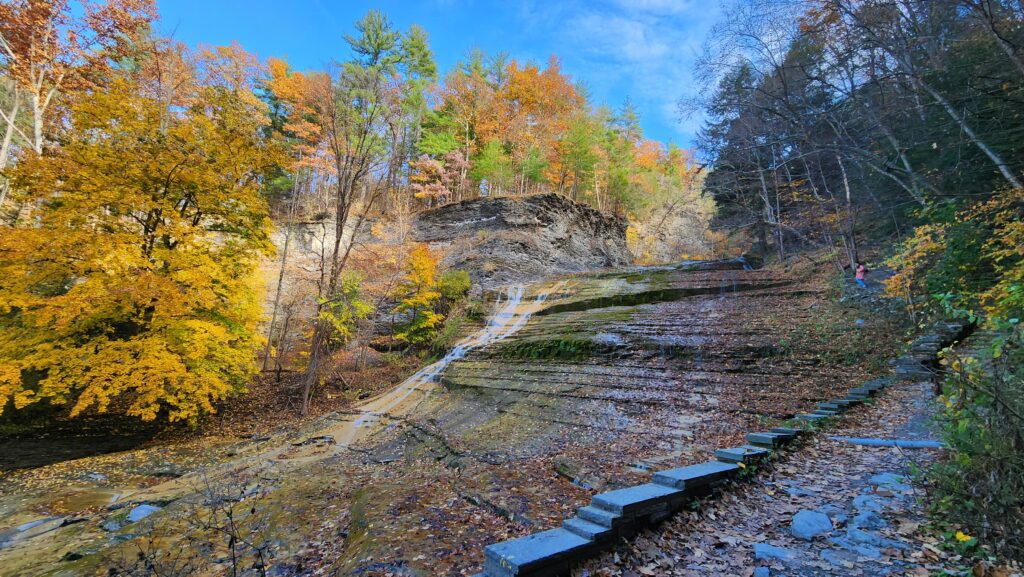
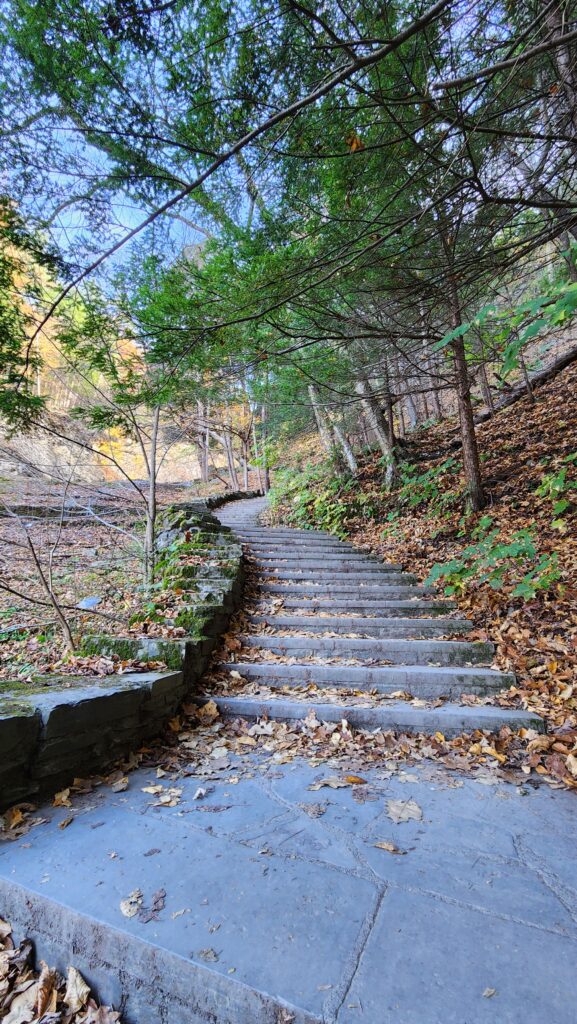
It’s short but steep, and you welcome the chance to stop for a bit, turning back to survey the view from a new elevation.
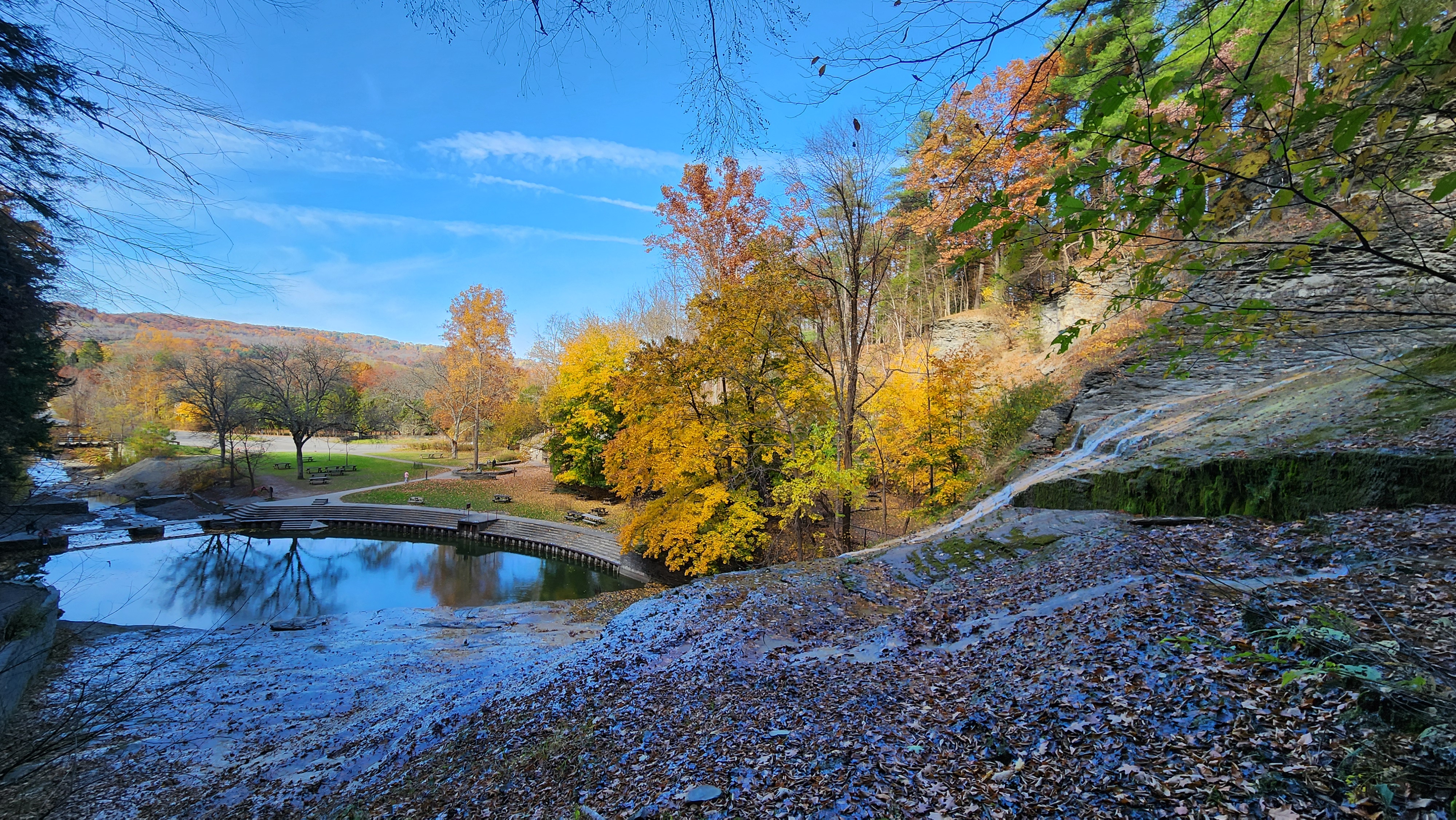
You can’t really see it yet, but from a little higher up you’ll discover a large mall with a Home Depot just beyond those trees at the bottom.
As I look, I remember a family photo experiment in the grass of that park when our daughters were young. We set up a tripod with a camera that shot a series of pictures as we dashed toward it, trying to look ominous but succeeding mostly in looking goofy and disorganized. So many walks trigger memories! The landscape bears an intimate record of our activities — not just the bad stuff, like dumping chemical waste or garbage, but good stuff from the times we spend together.
Turning to look across the stream, you note the daredevils: trees crowding to the edge of a cliff that will only ever crumble.
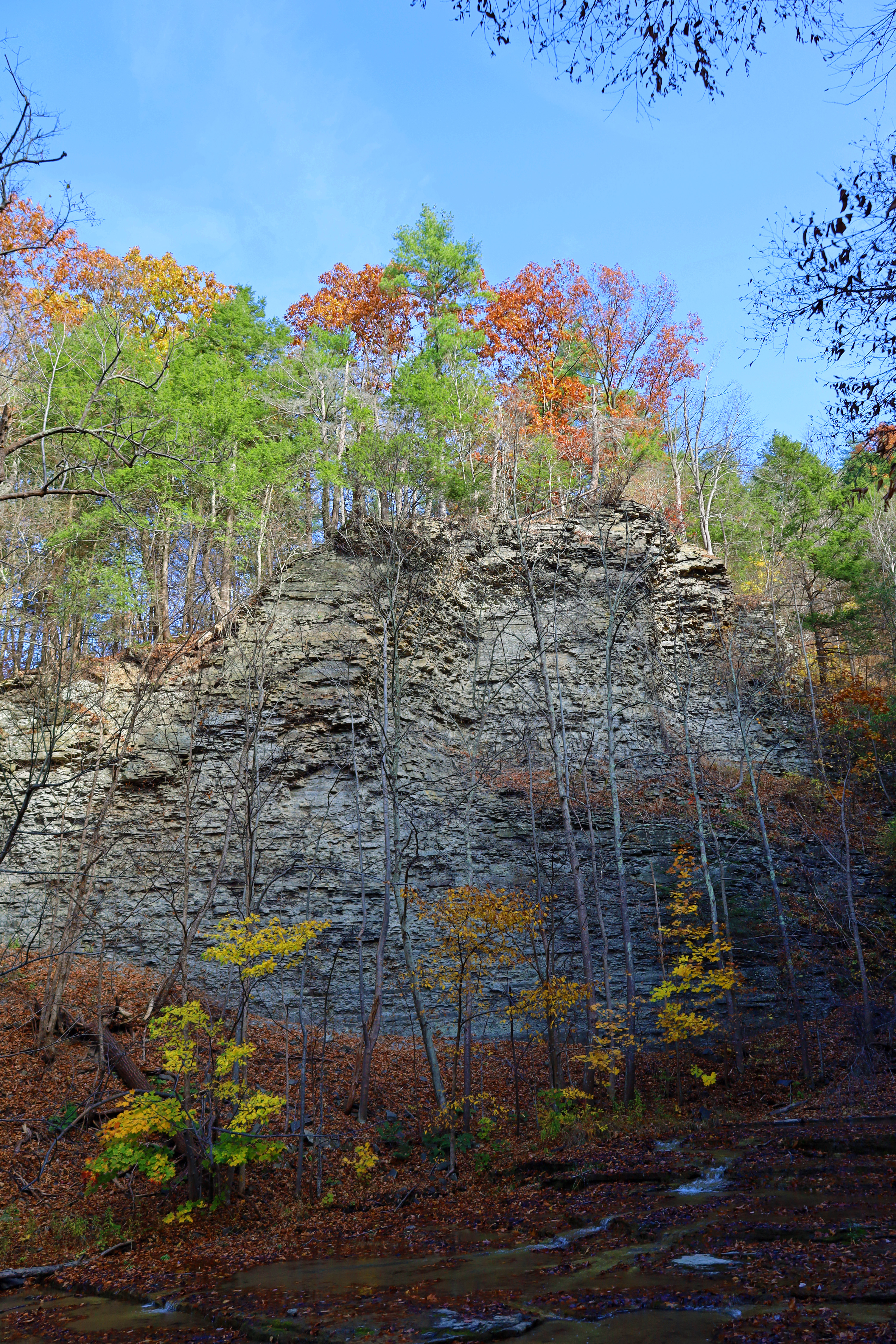
What comes next? The ascent is nowhere near completed. I’ll share more in the next post.
-
Autumn Rambles
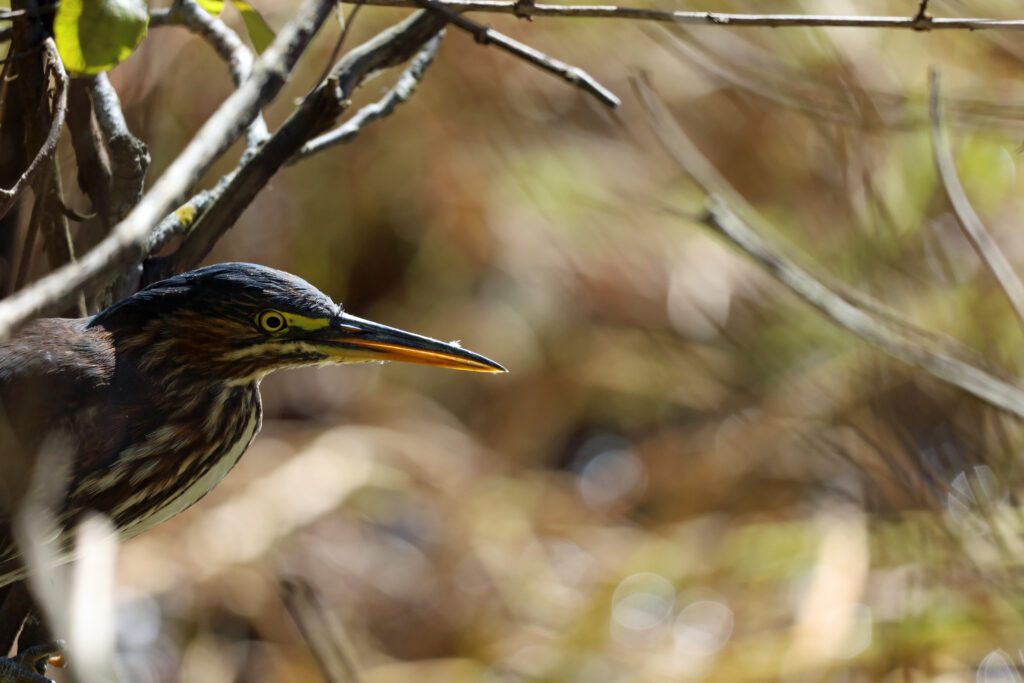
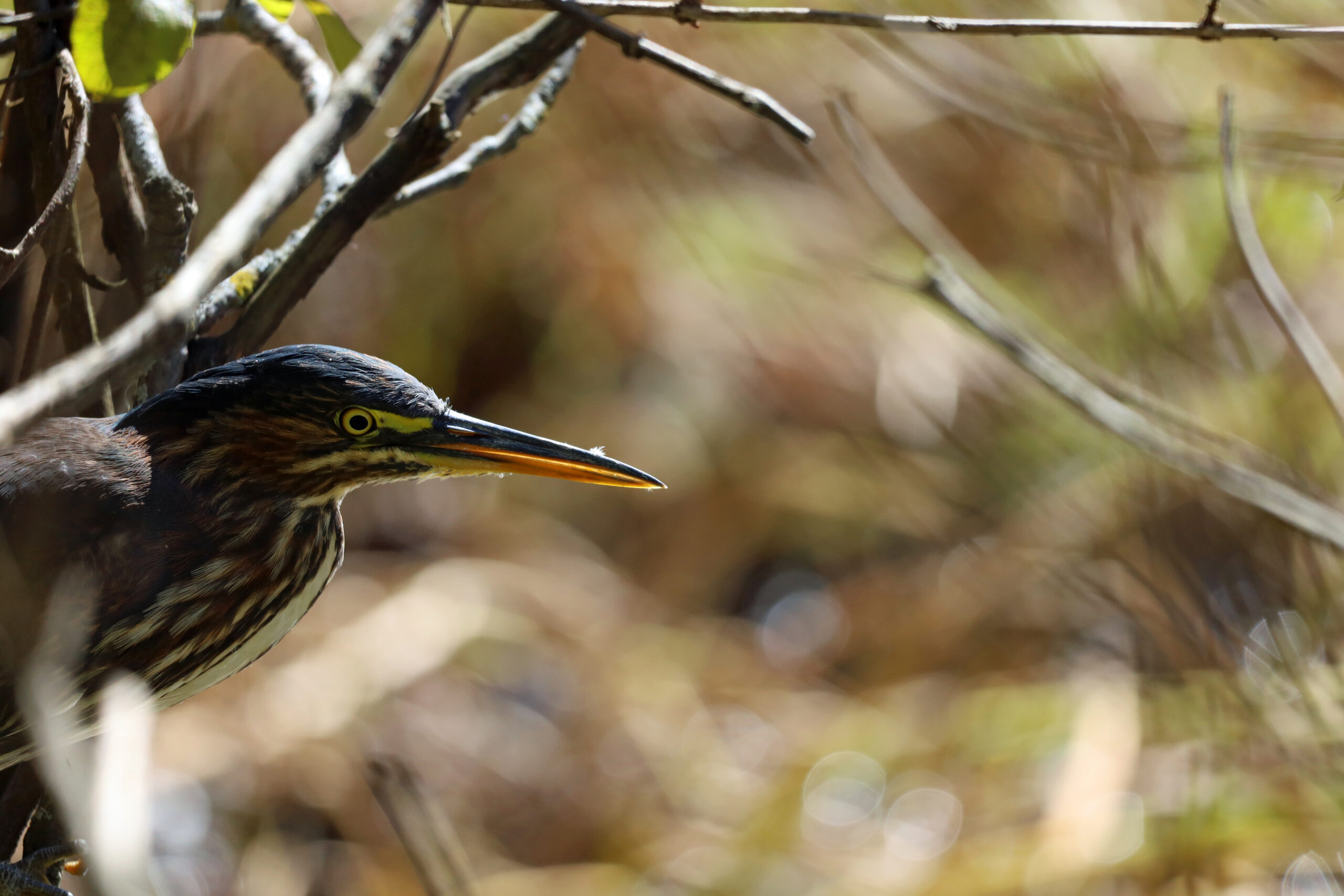
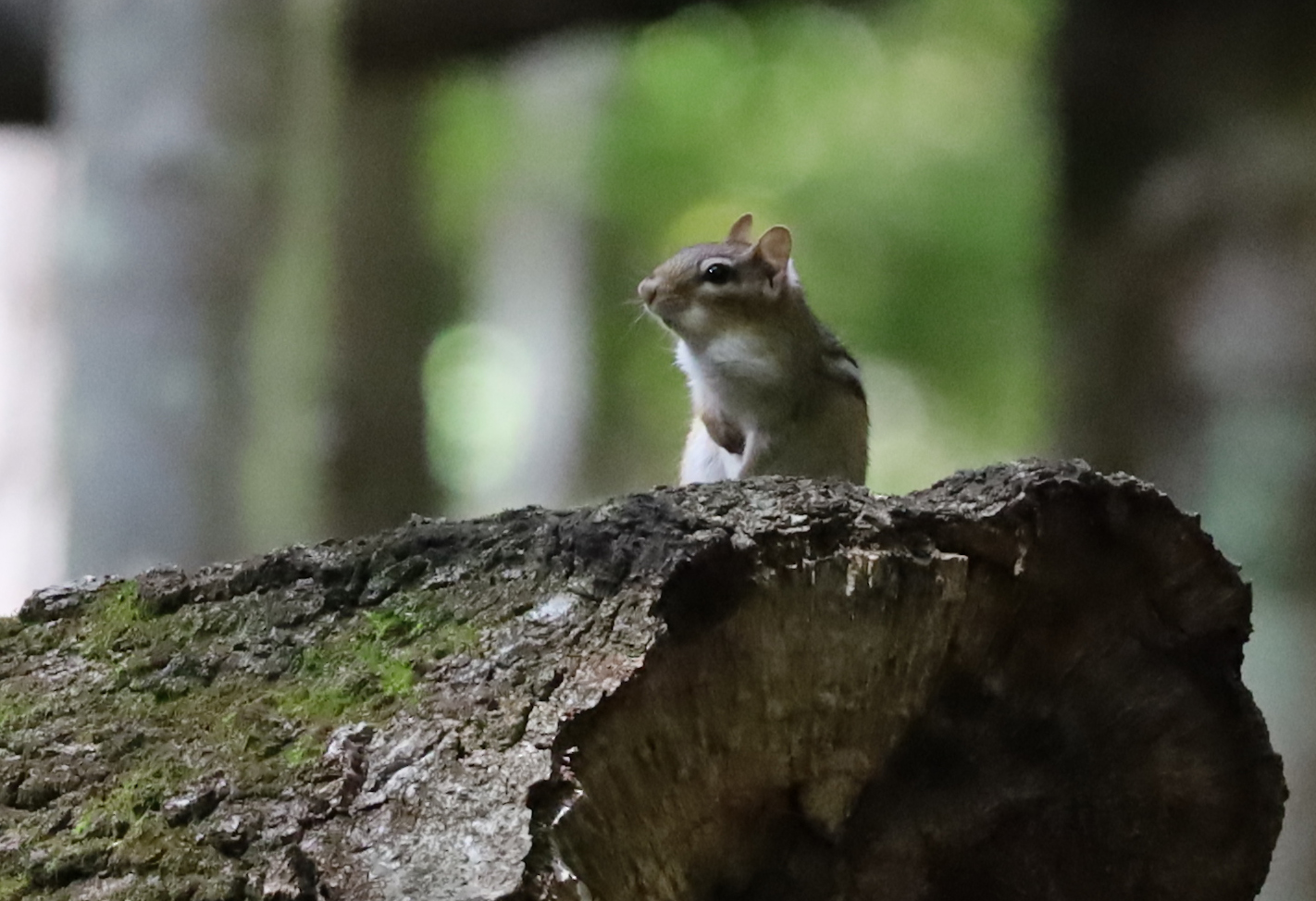
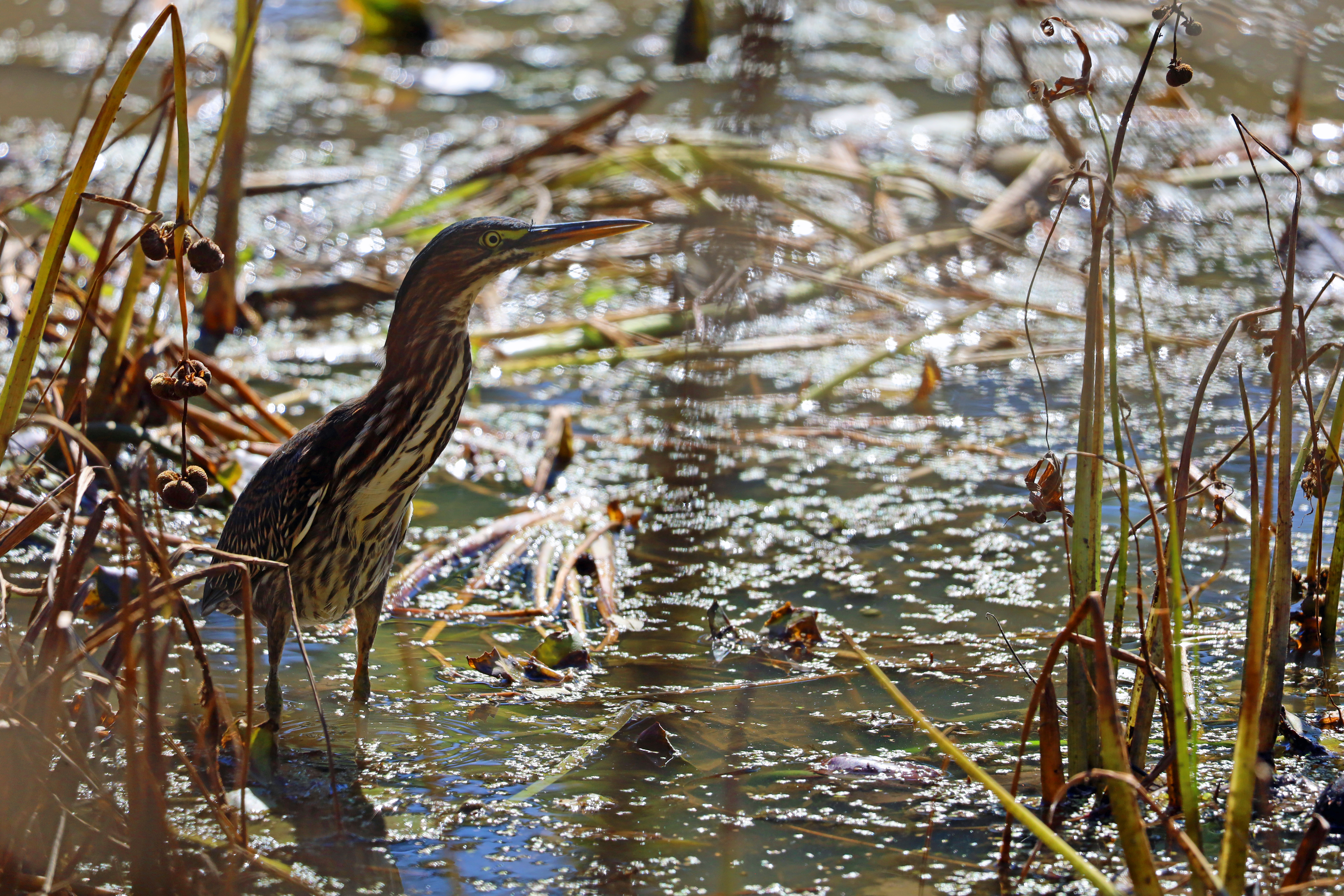
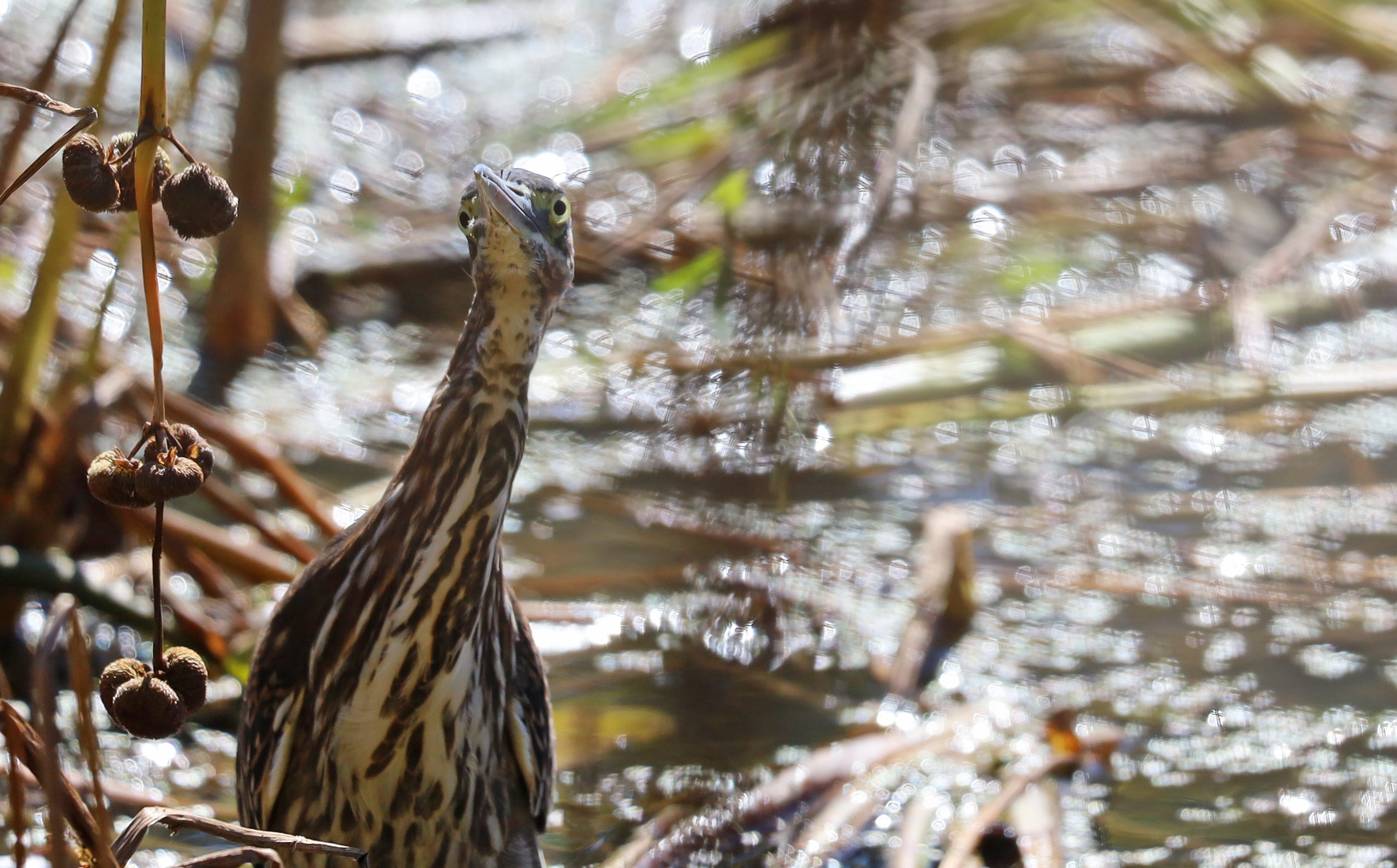
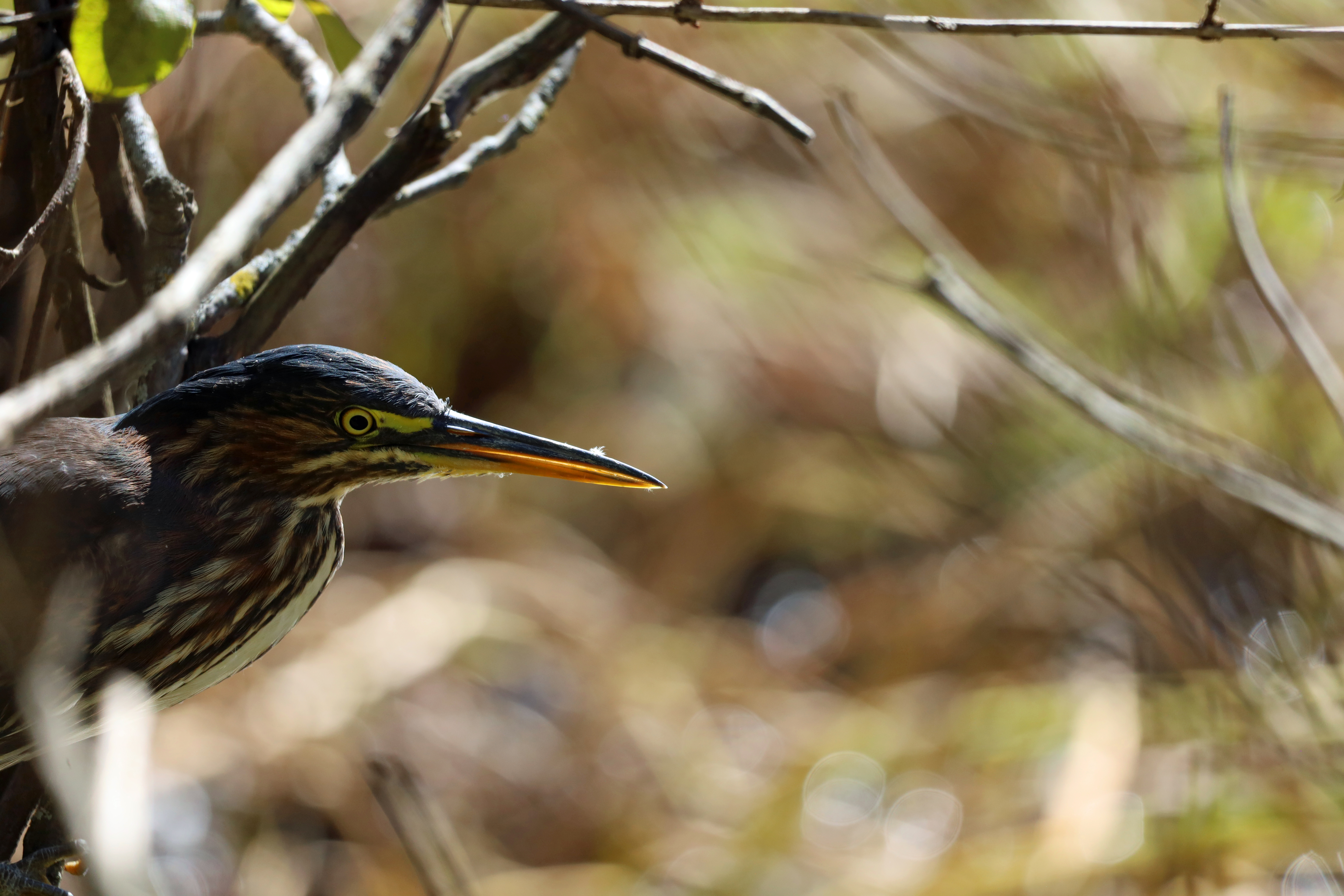
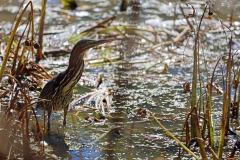
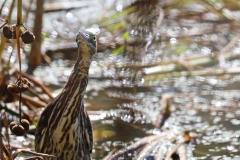
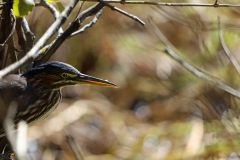
Green Heron On a walk, it’s safe to assume that surveillance is being conducted by some creature or other. This green heron is one example. It took a few minutes to ensure that we weren’t a threat before continuing the all-important business of hunting pond organisms for its lunch.
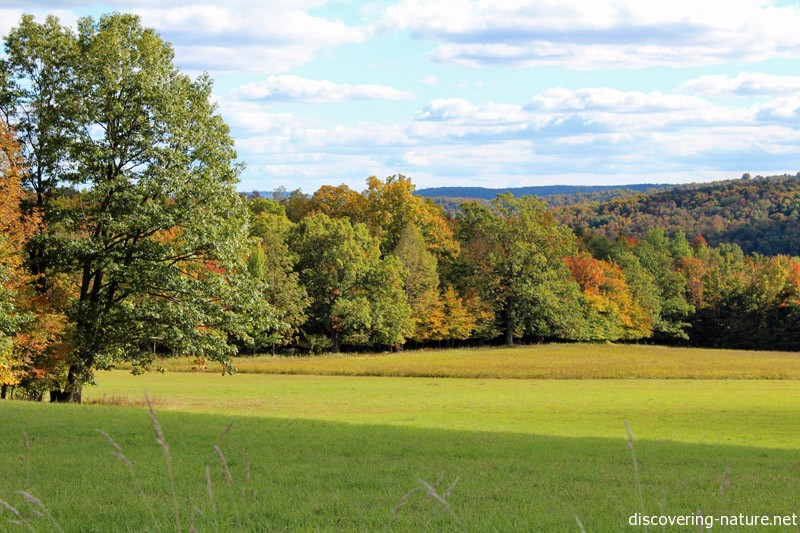
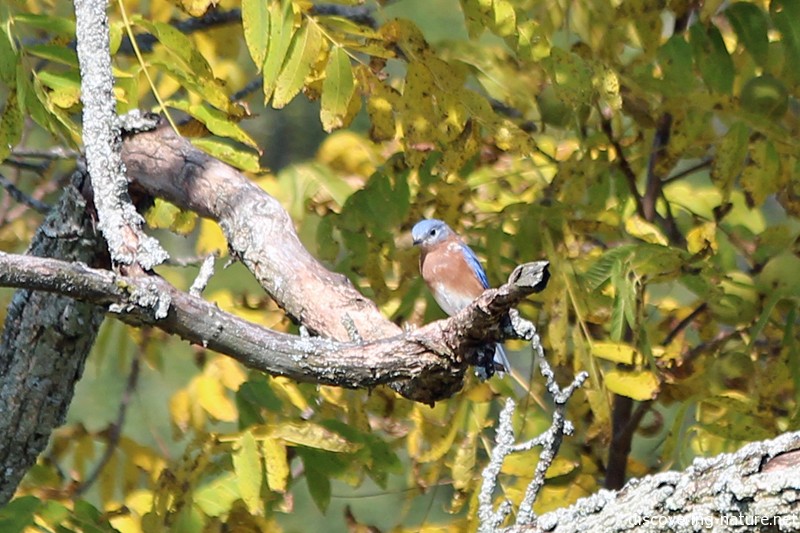
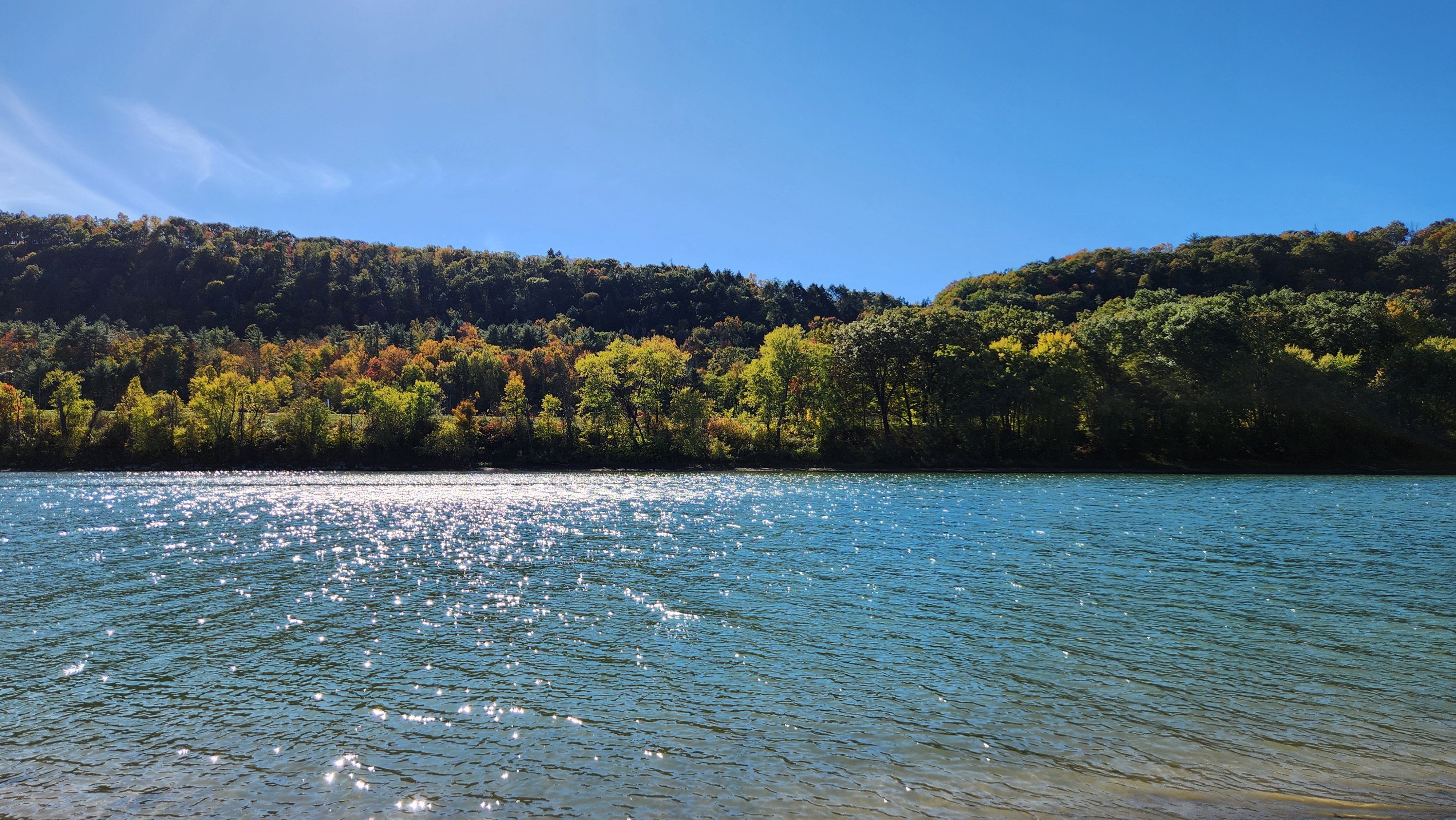
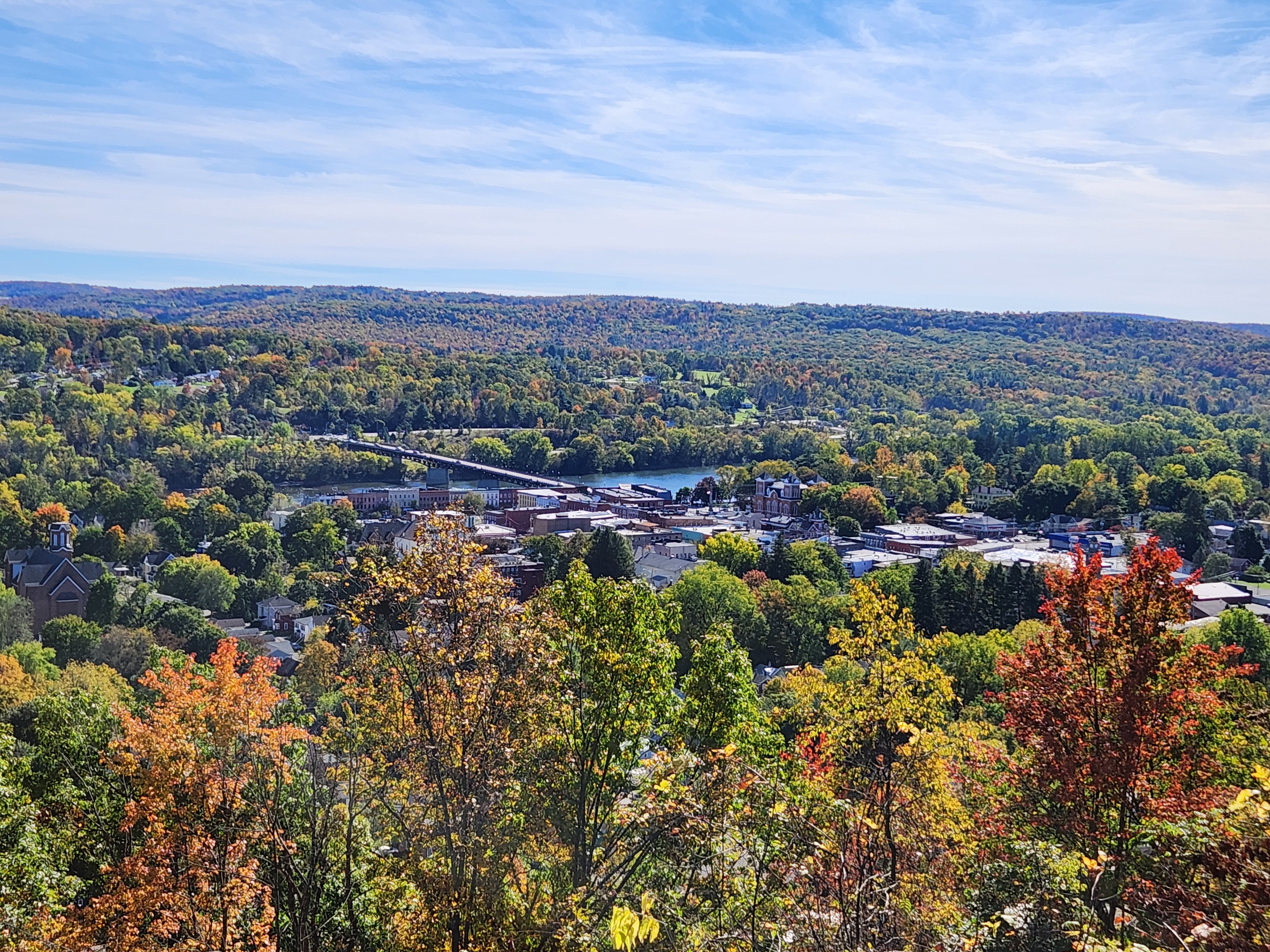
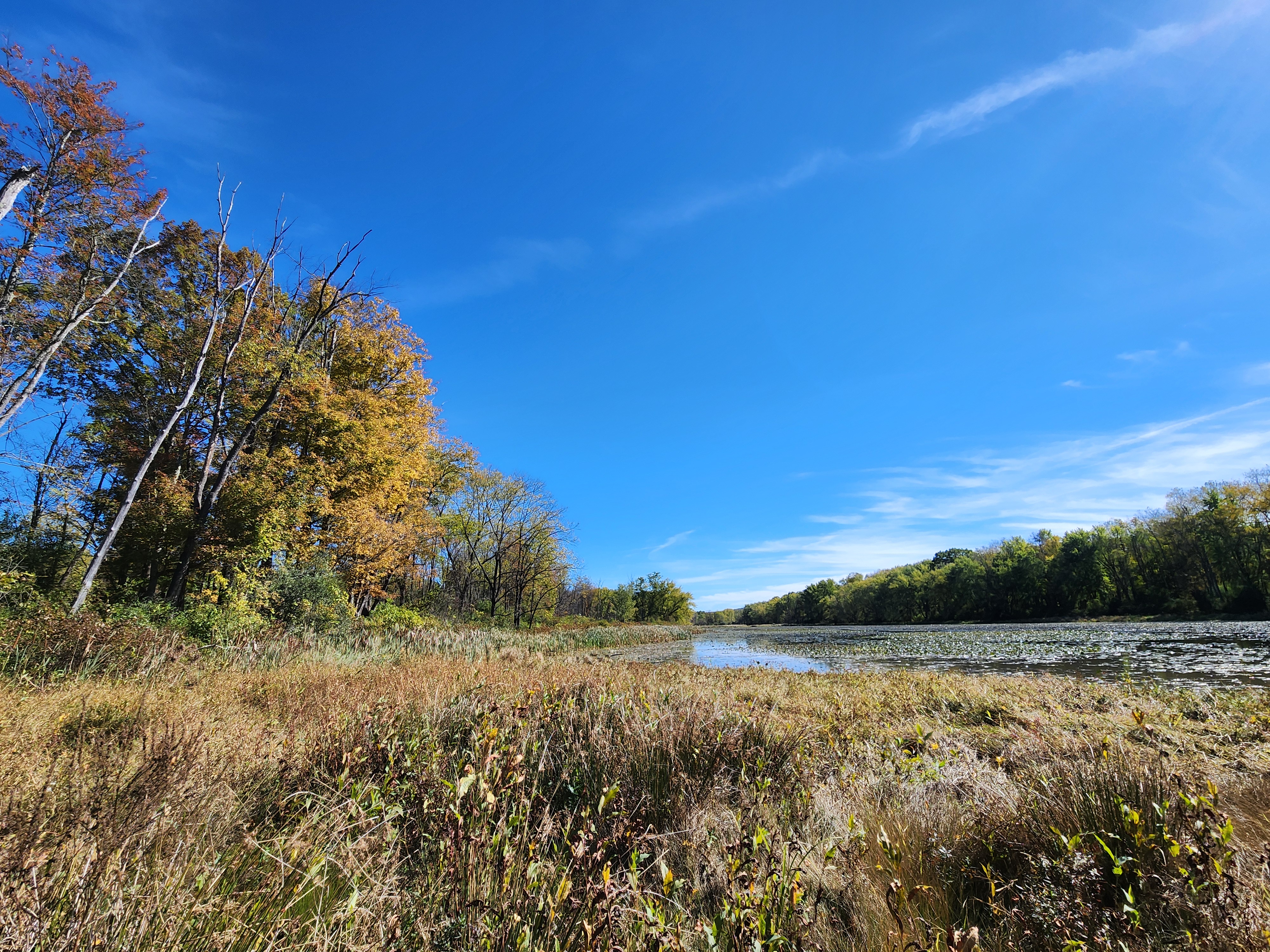
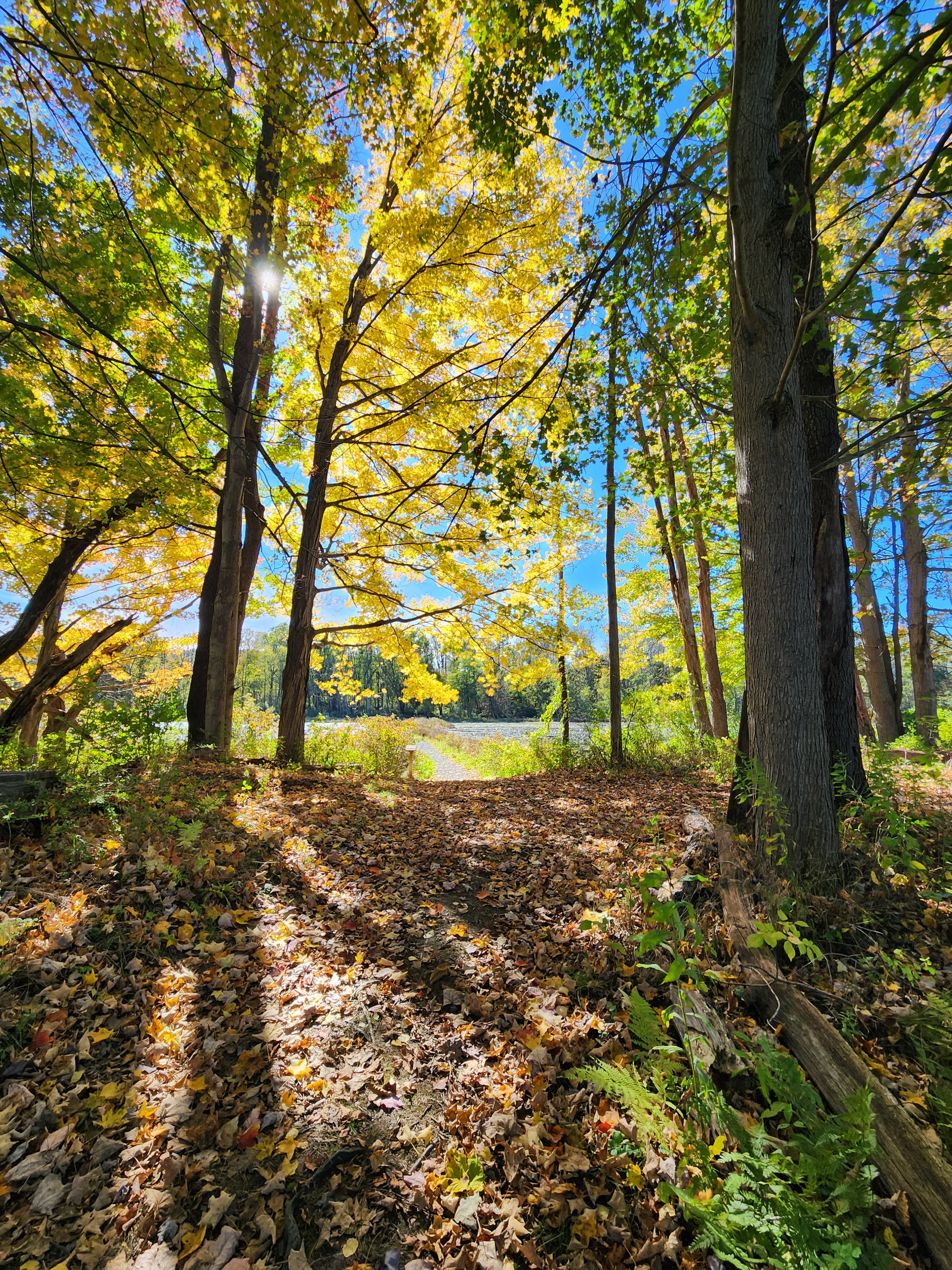
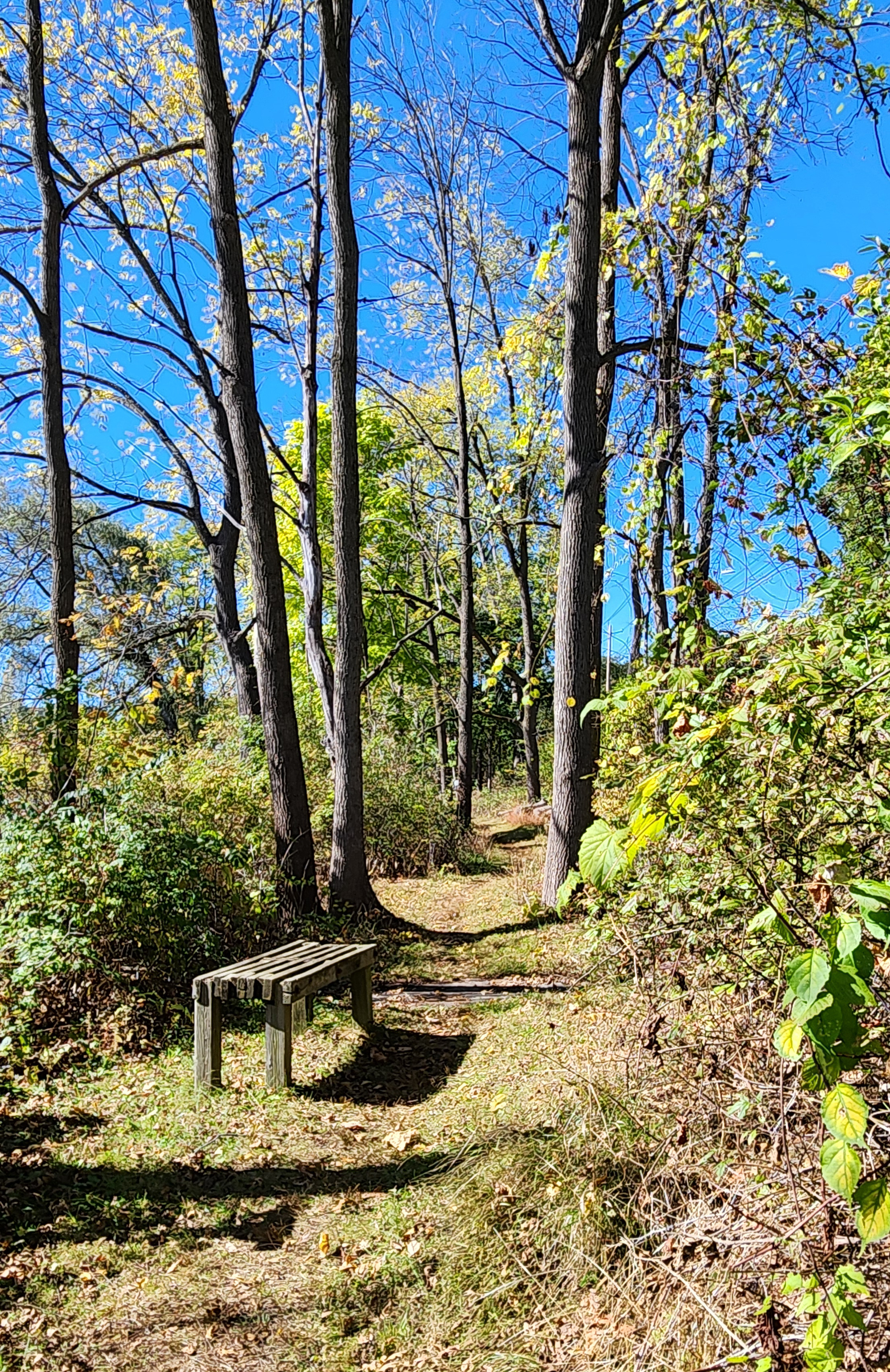
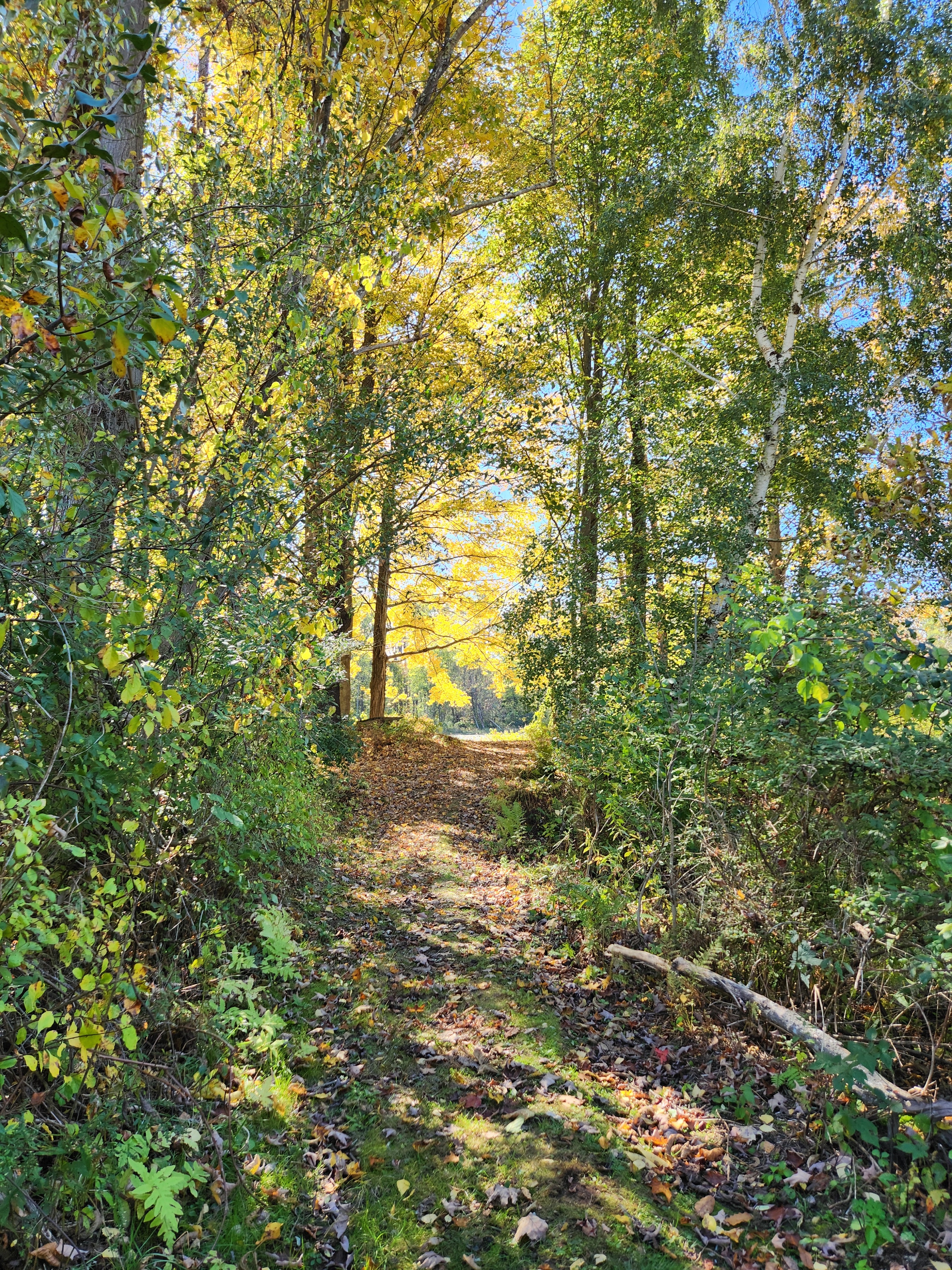
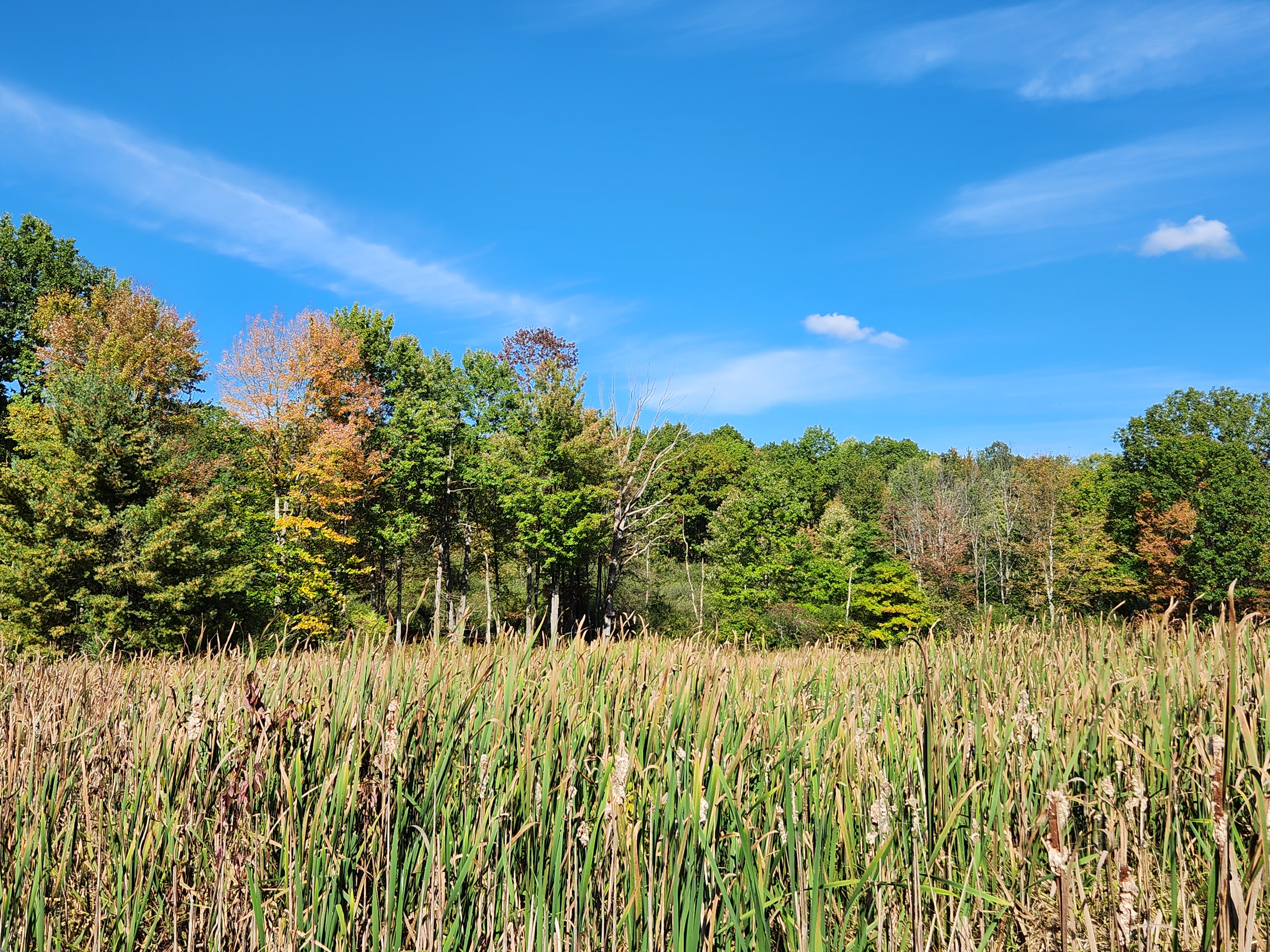
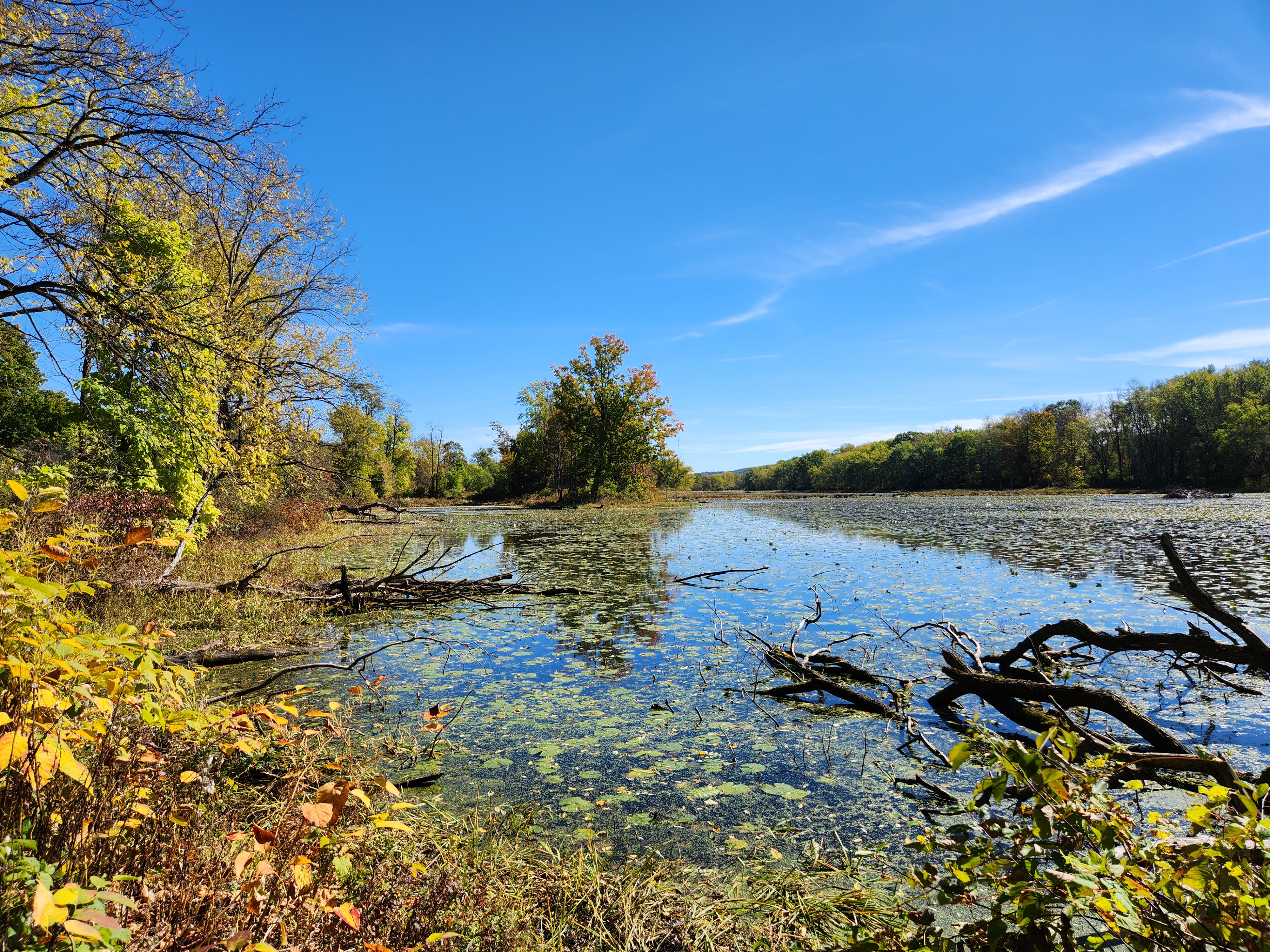
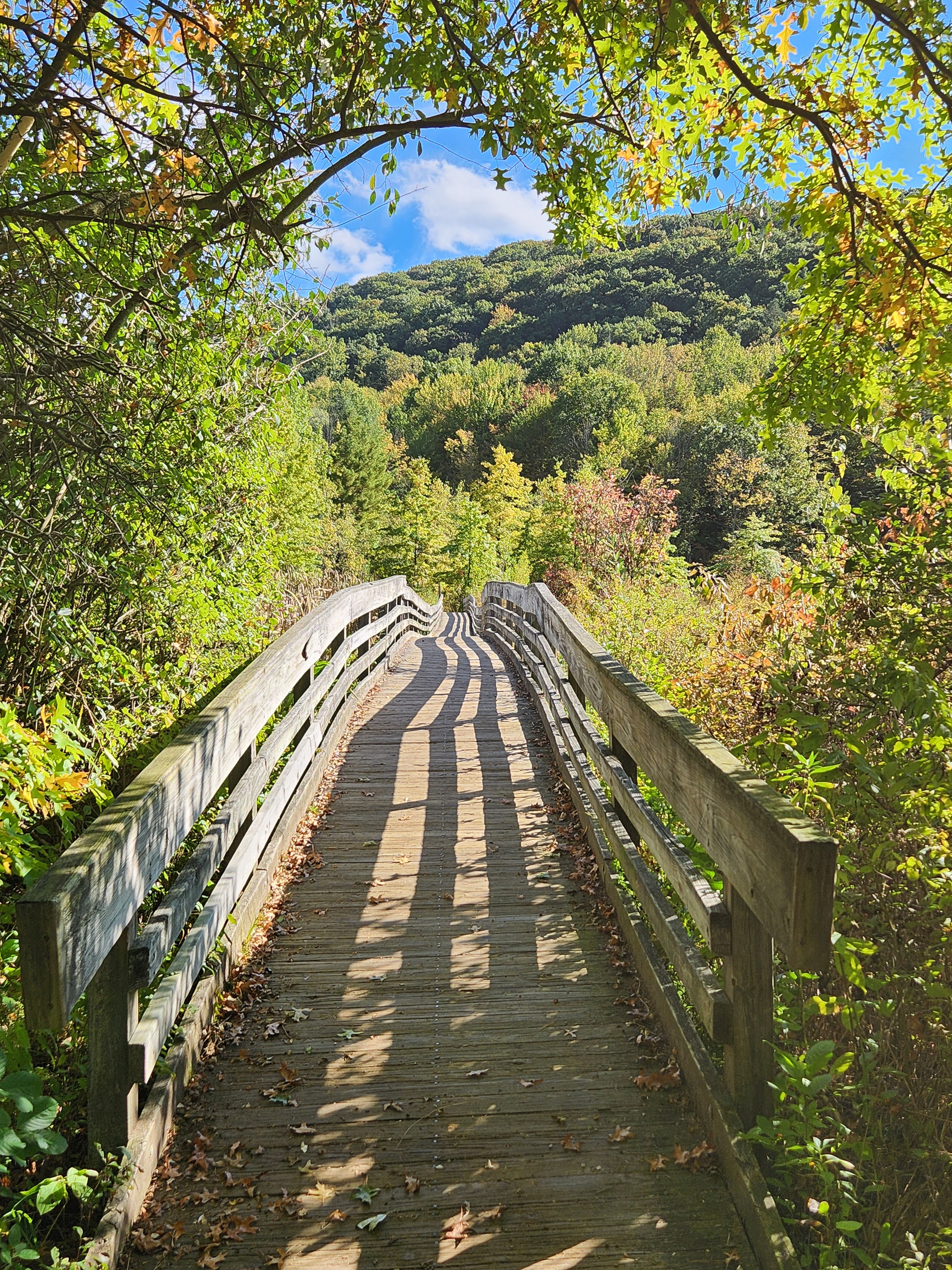
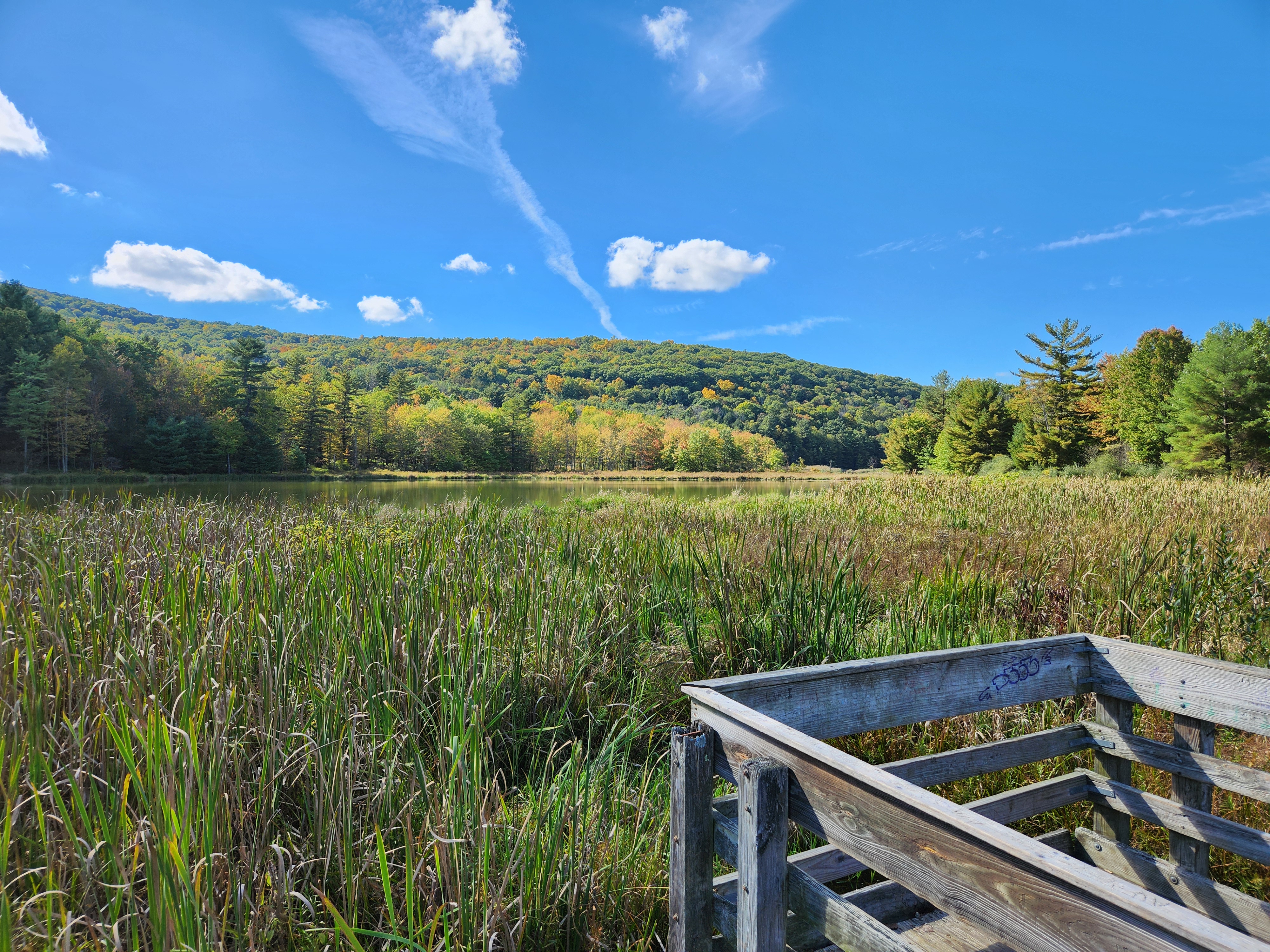
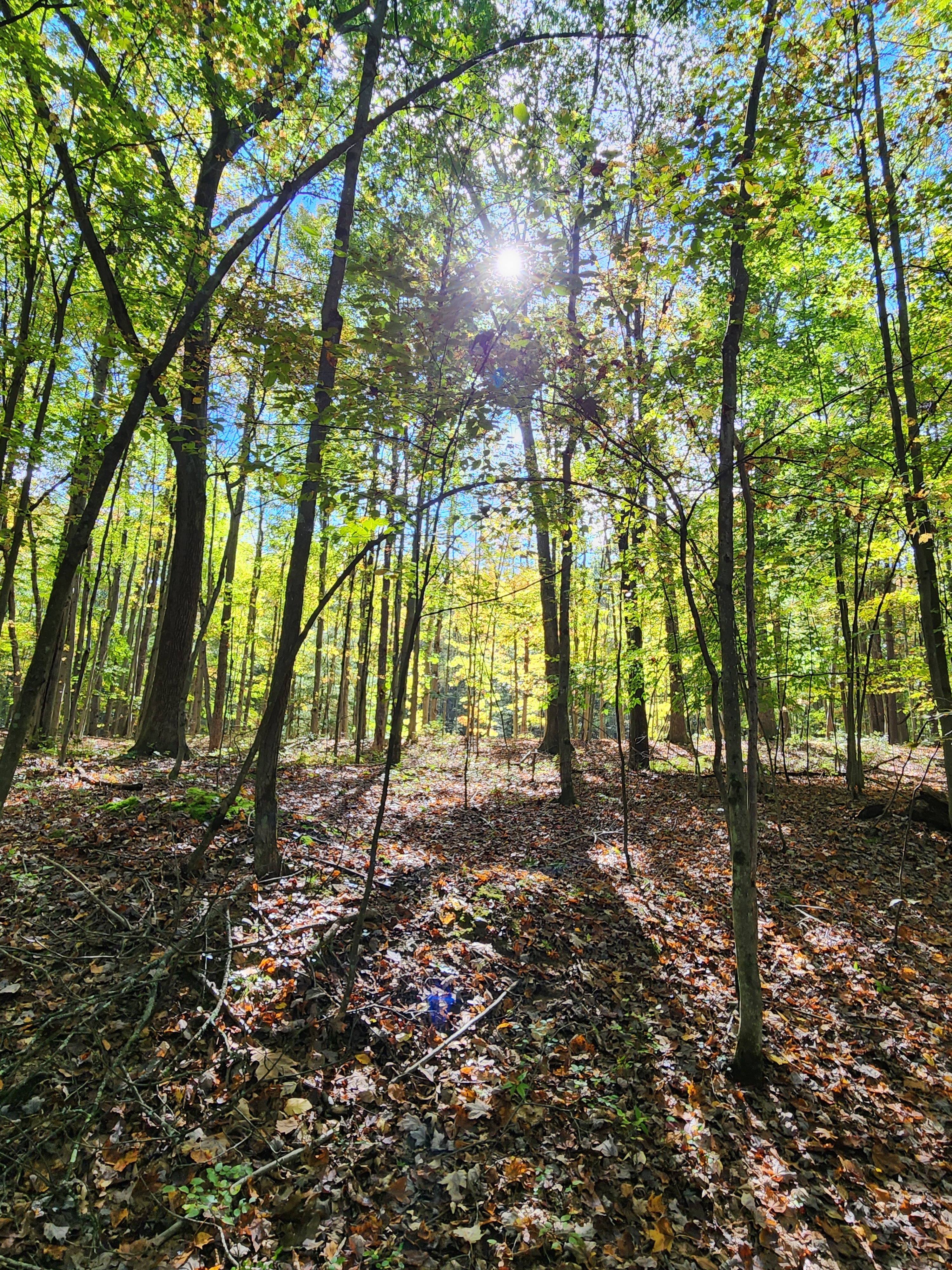
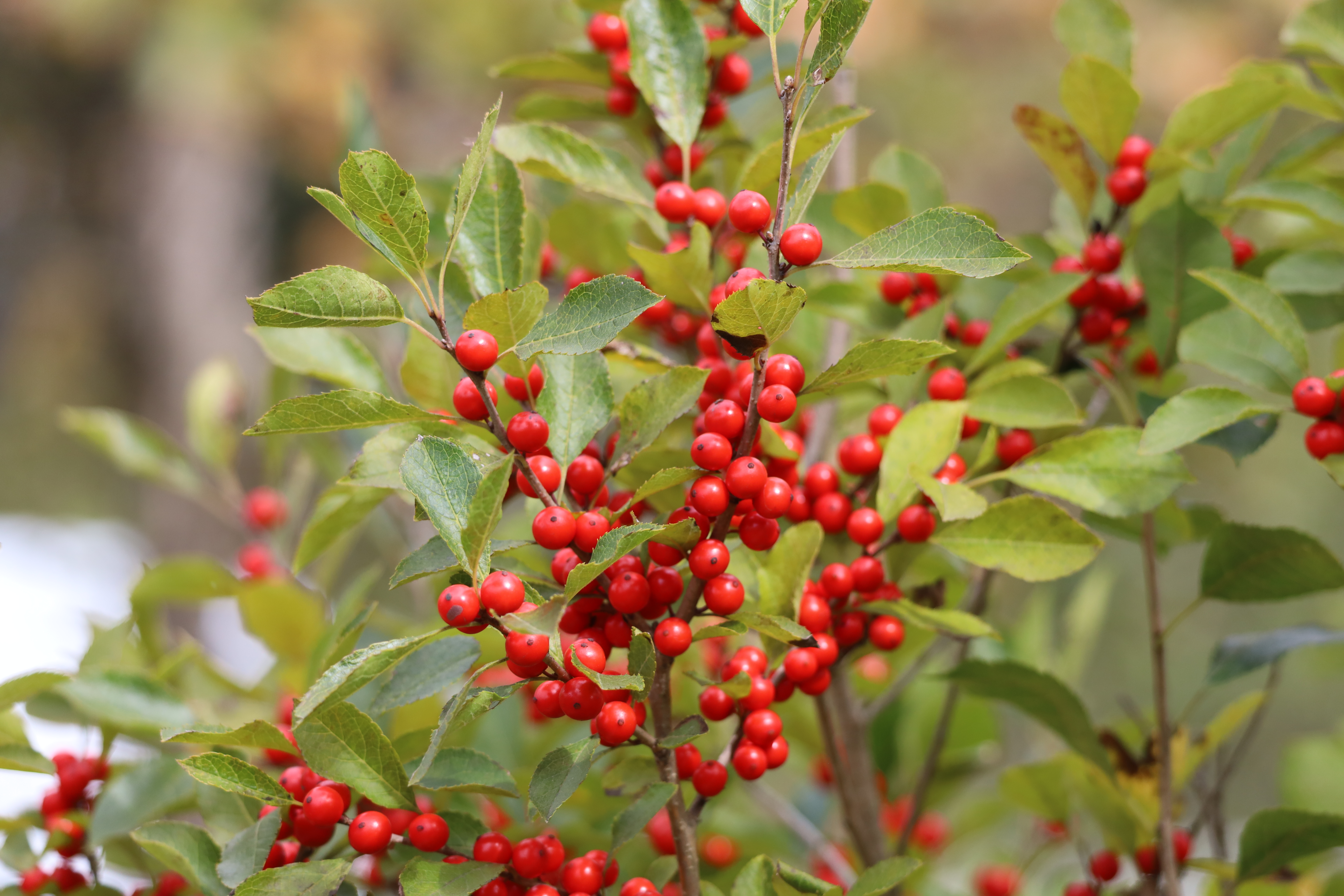
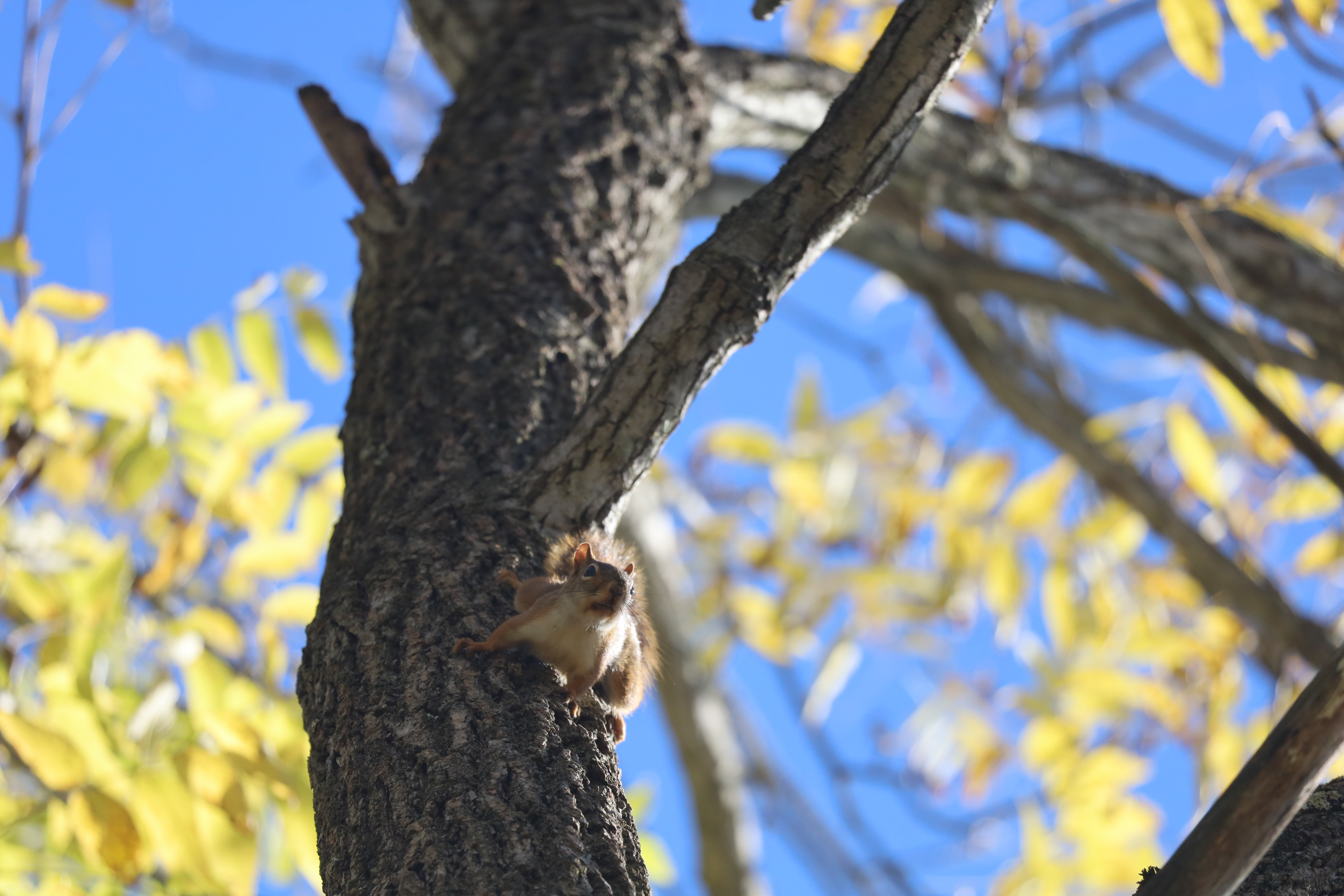
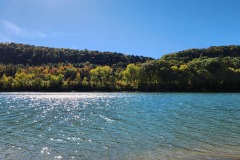
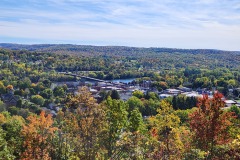
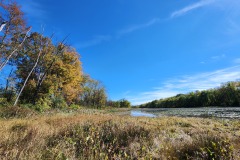
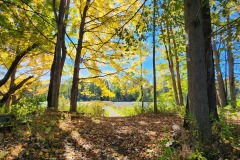
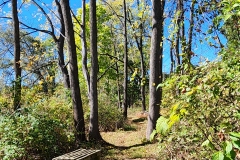
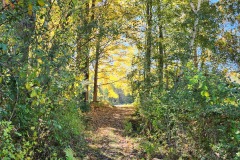
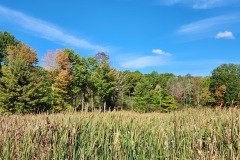
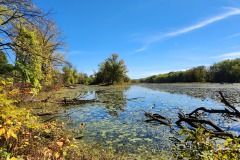
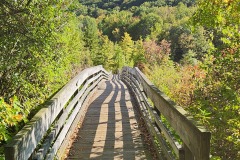
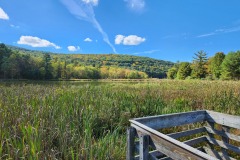
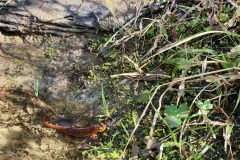
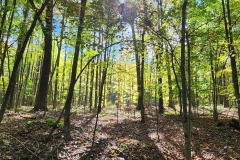
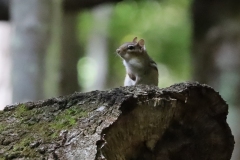
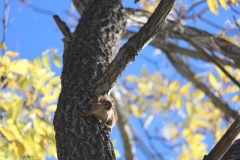
I’ve compiled images from three different walks into this gallery. There are enough photos that the slideshow spills over to a second page, reached by the arrow at bottom. It’s not a super colorful fall here — more yellows and browns than reds and oranges. But the unique autumn sunlight and odors of autumn give familiar trails a touch of enchantment just the same.
-
Pond Album
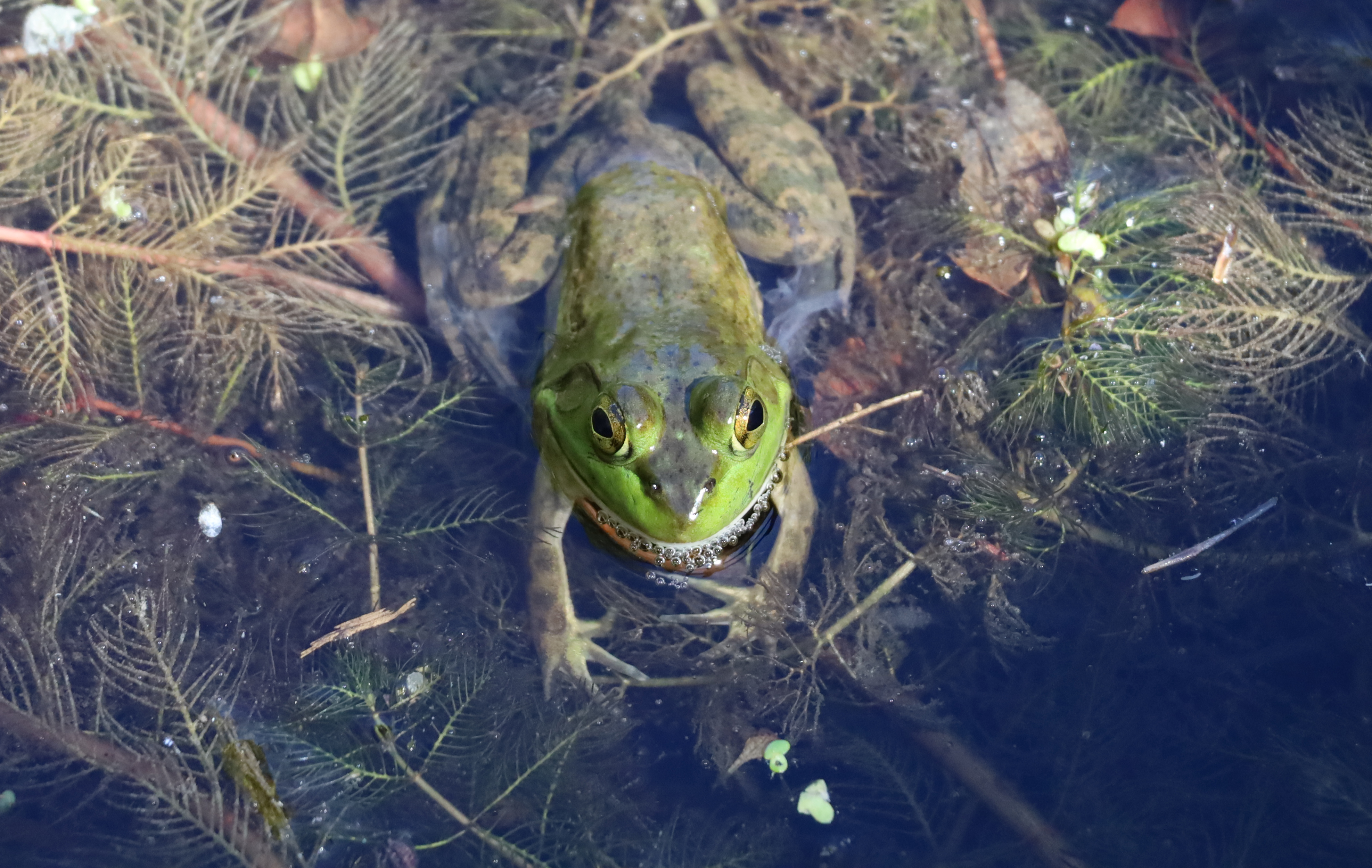
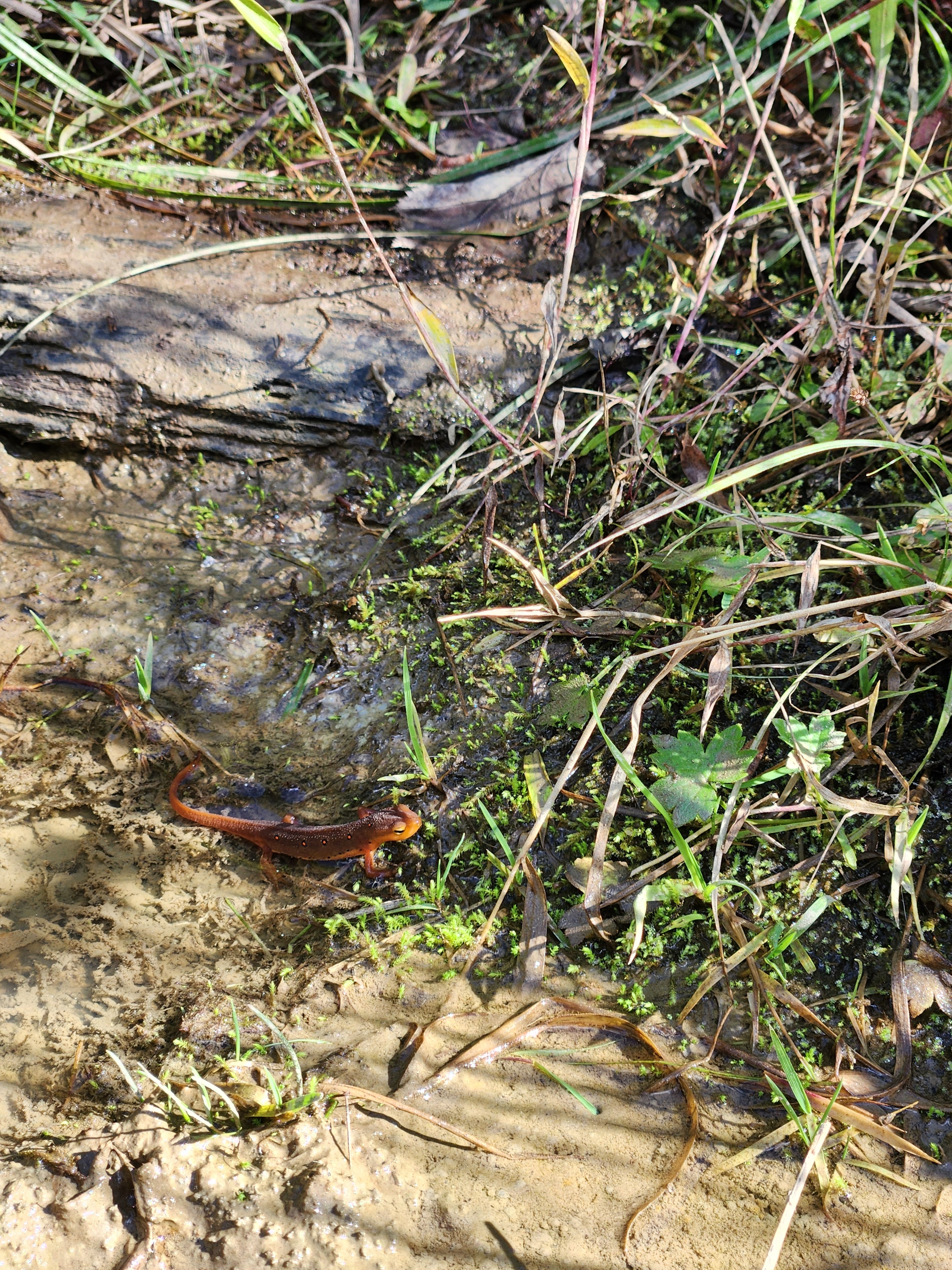
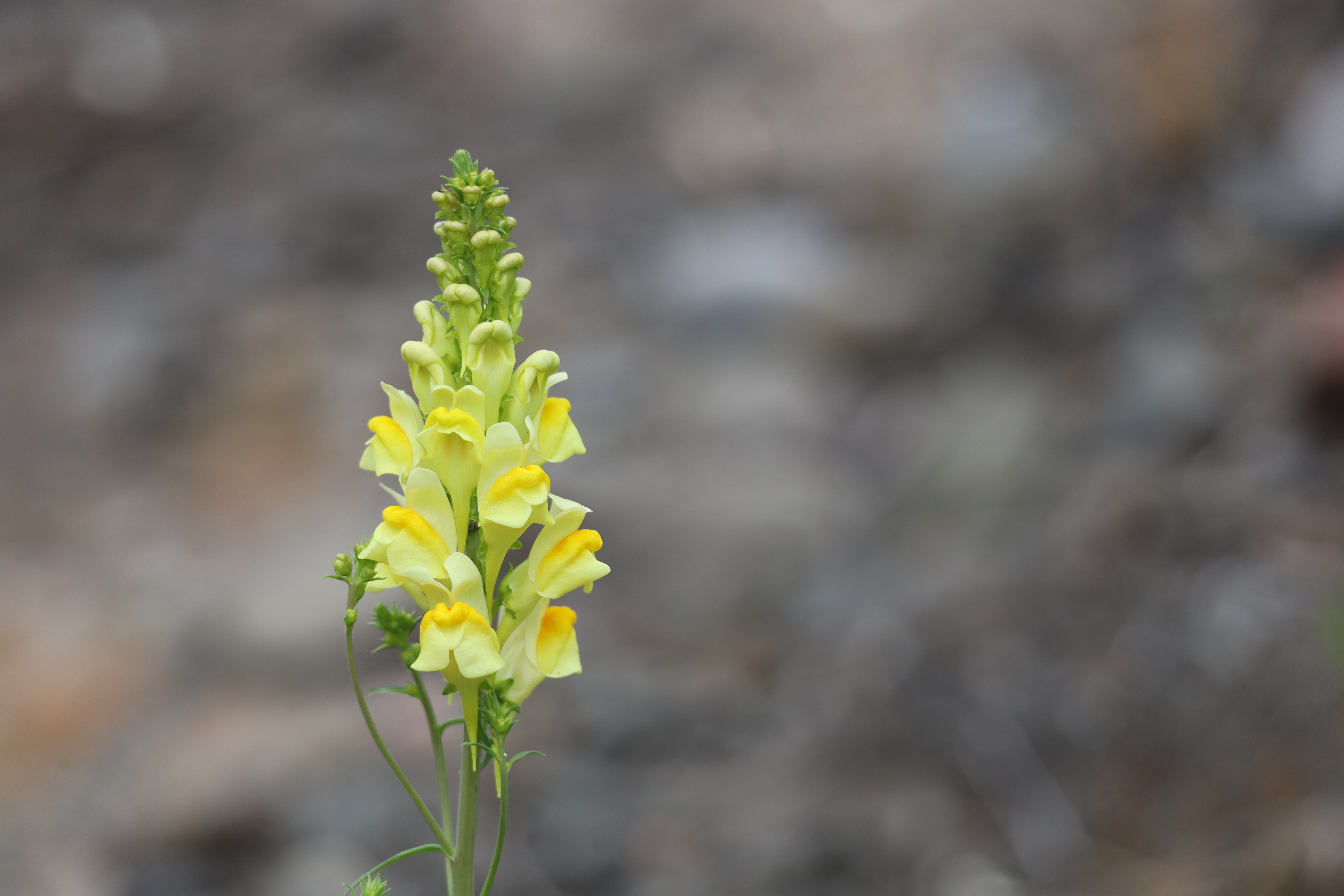
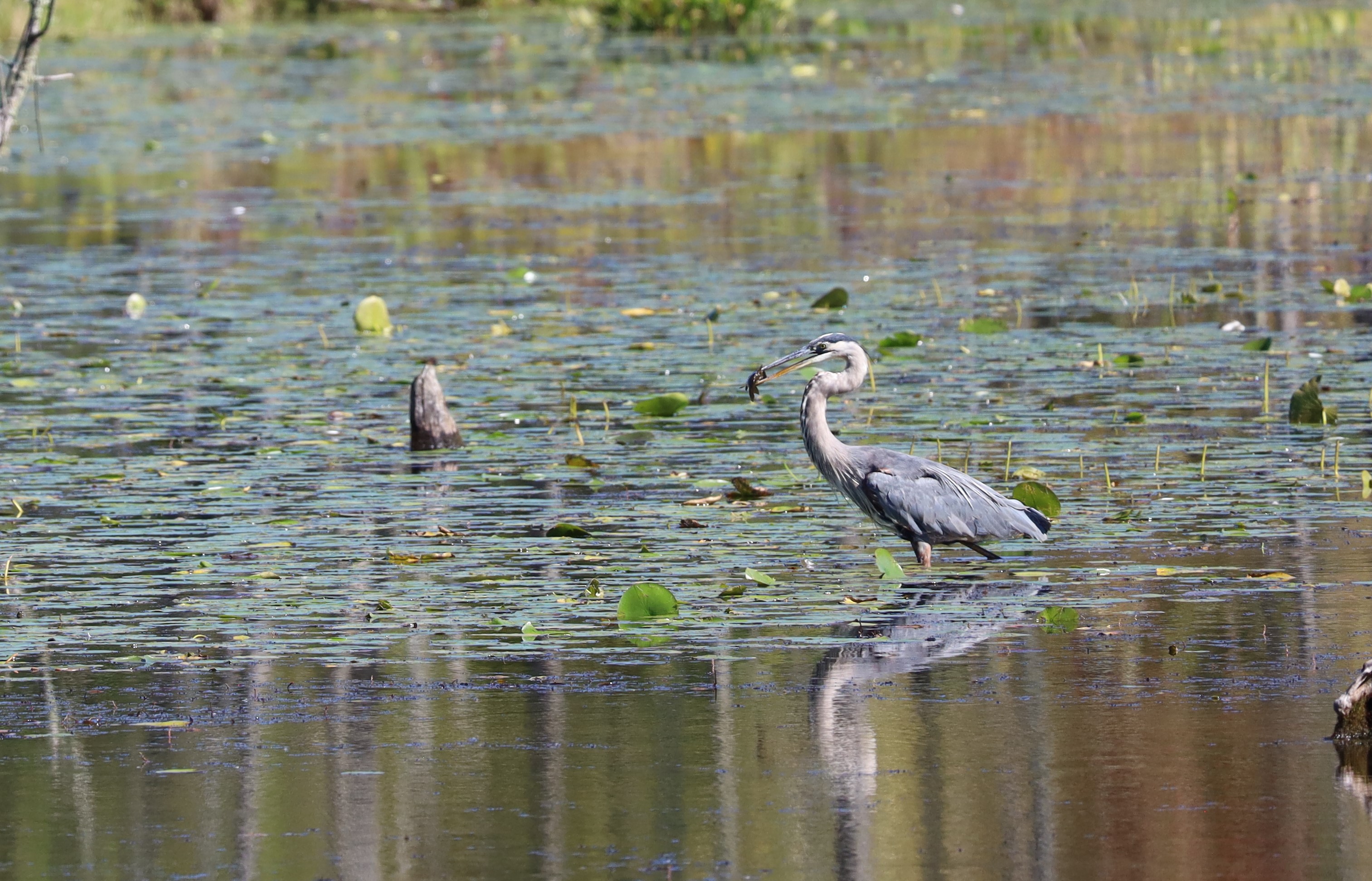
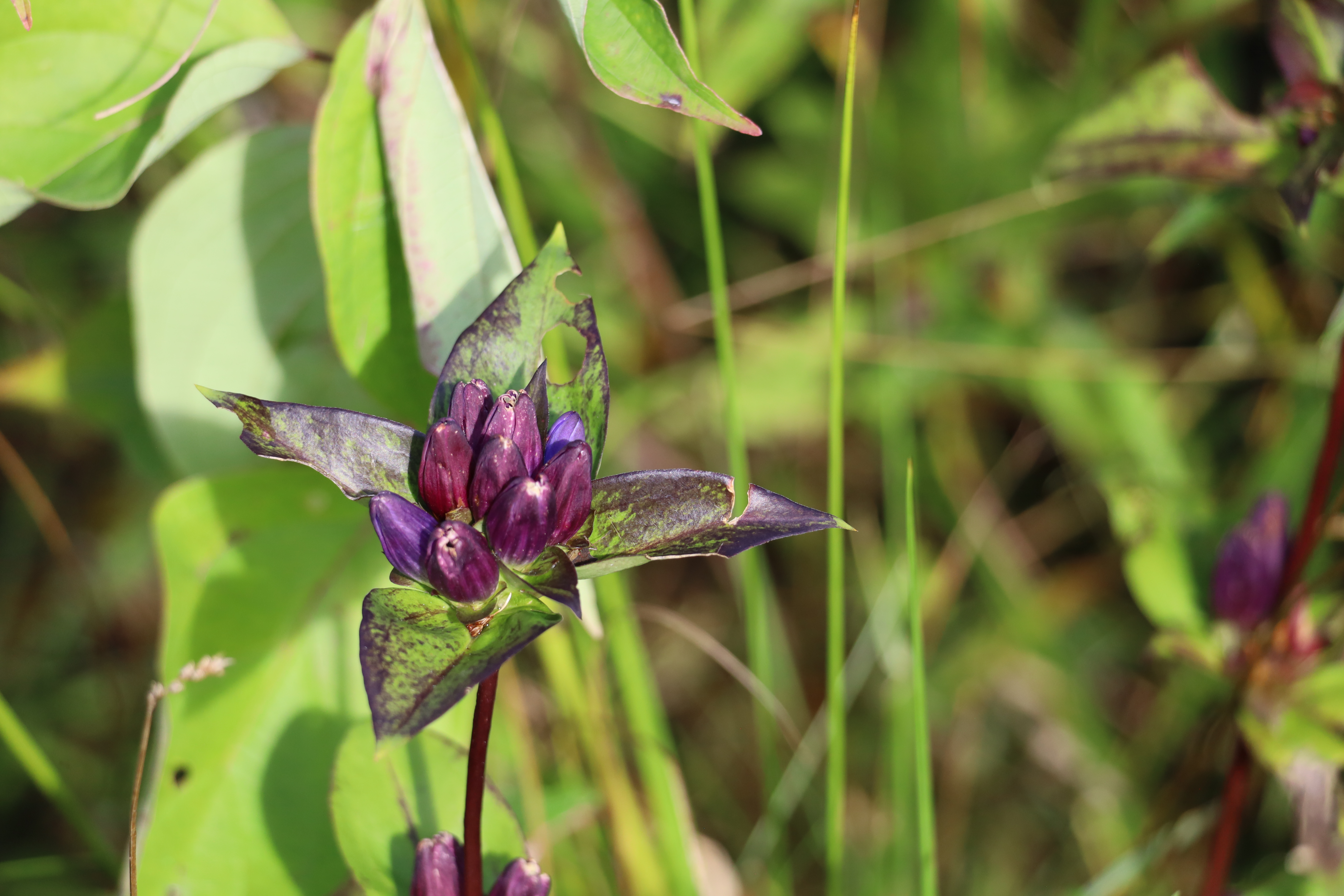
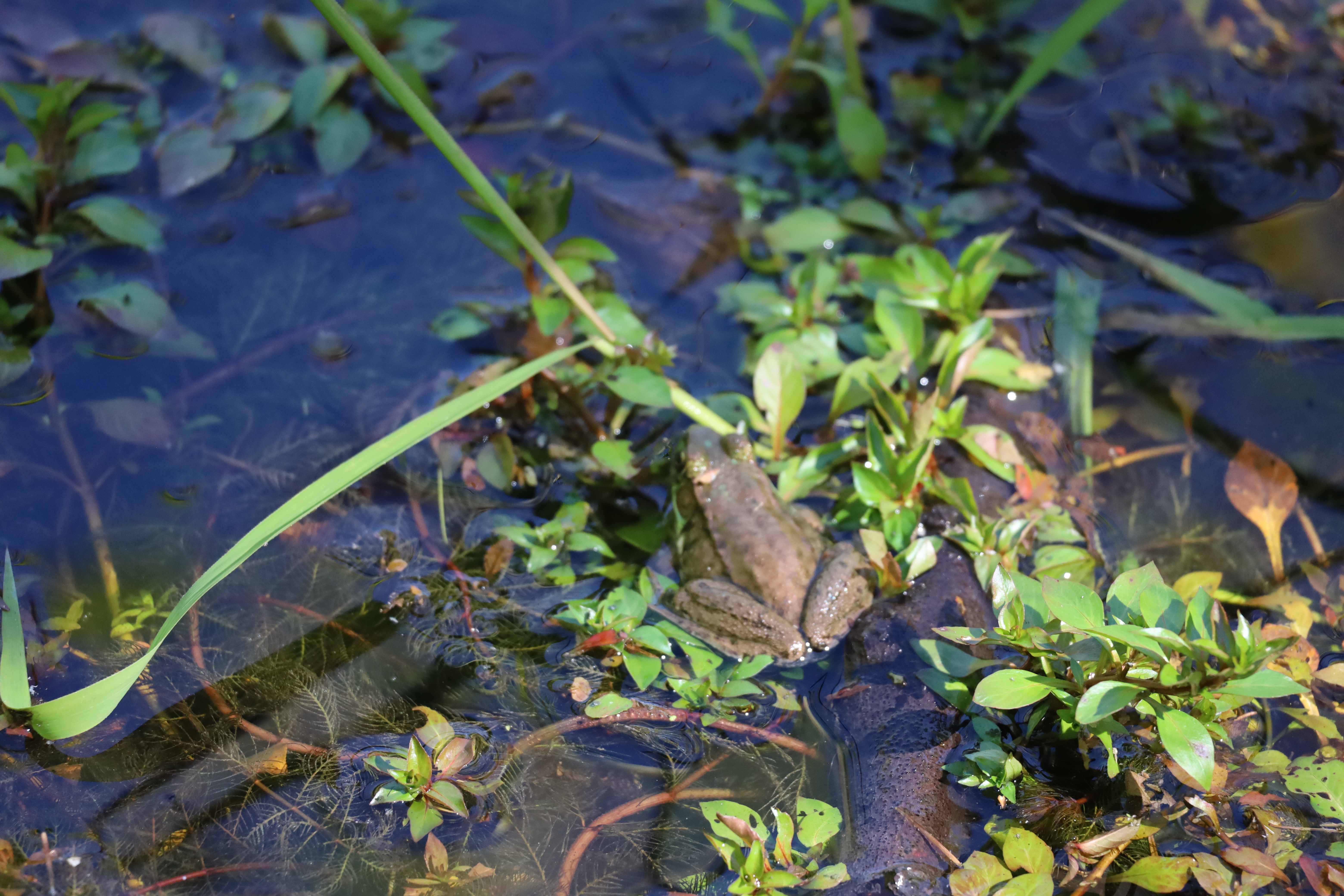
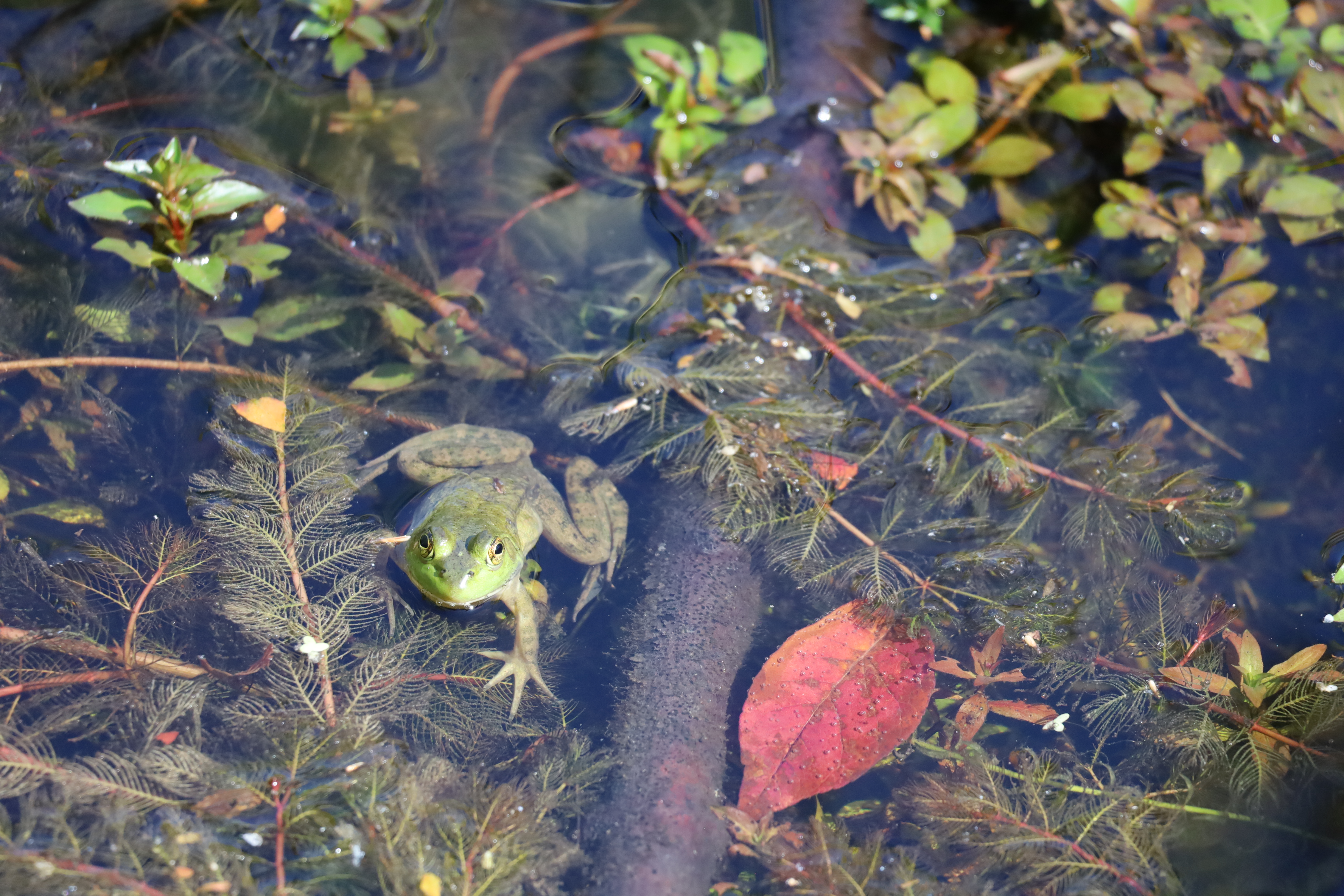
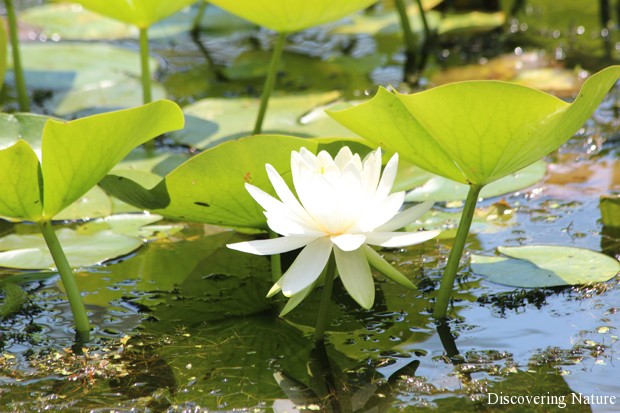
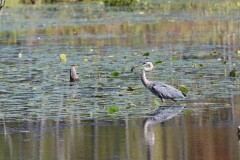
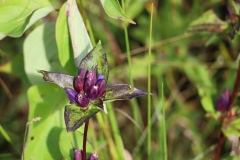
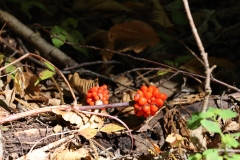
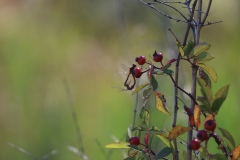
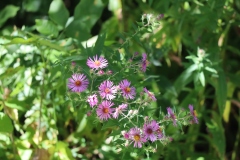
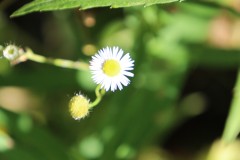
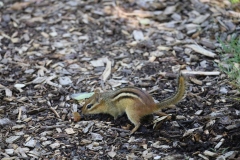
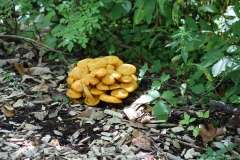
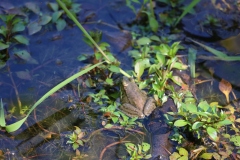
I never followed up my heron post with the other pictures from my Sapsucker Woods walk. Here they are — a reminder that we always see new sights. Several of these plants are unfamiliar to me, and I need to follow up on them.
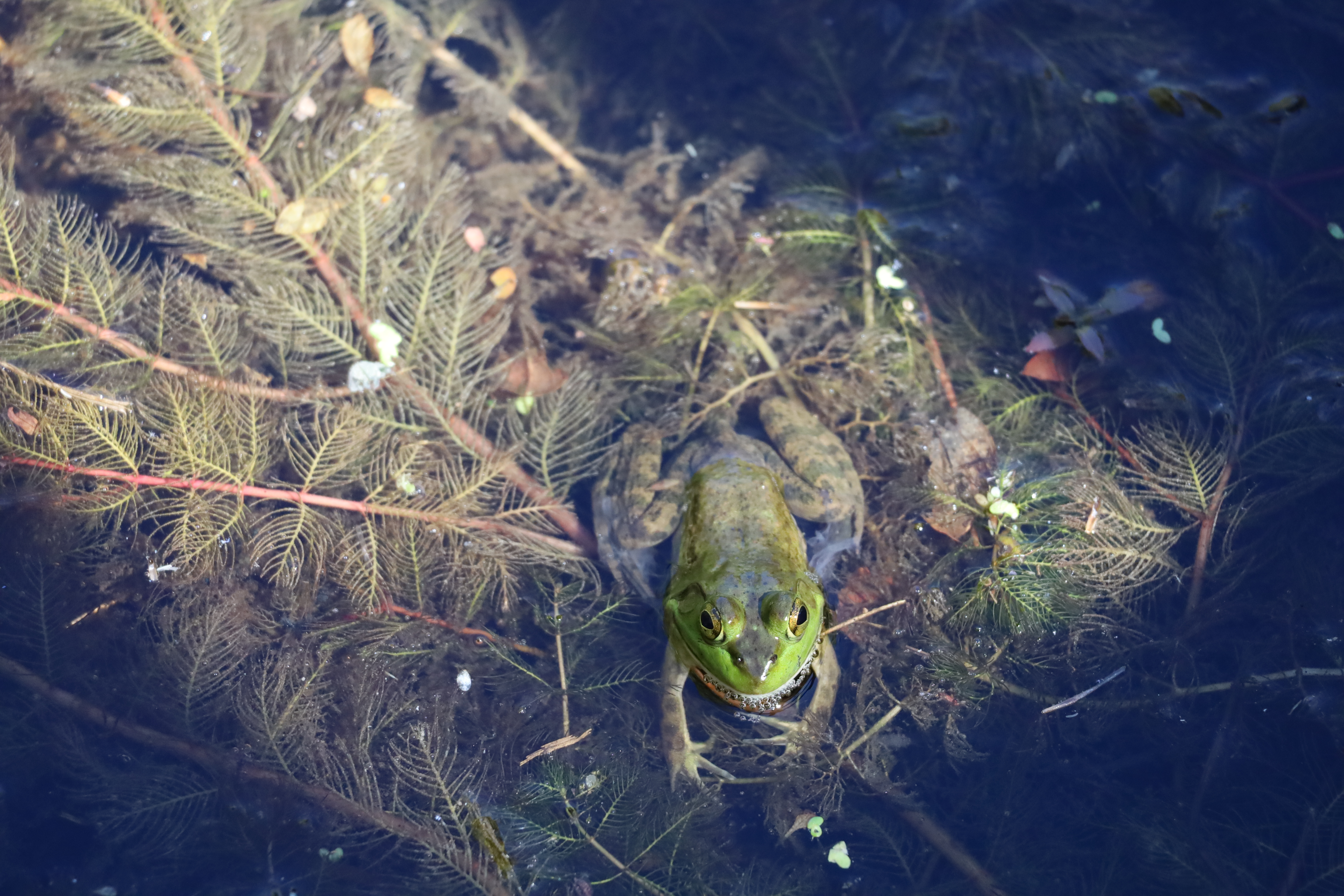
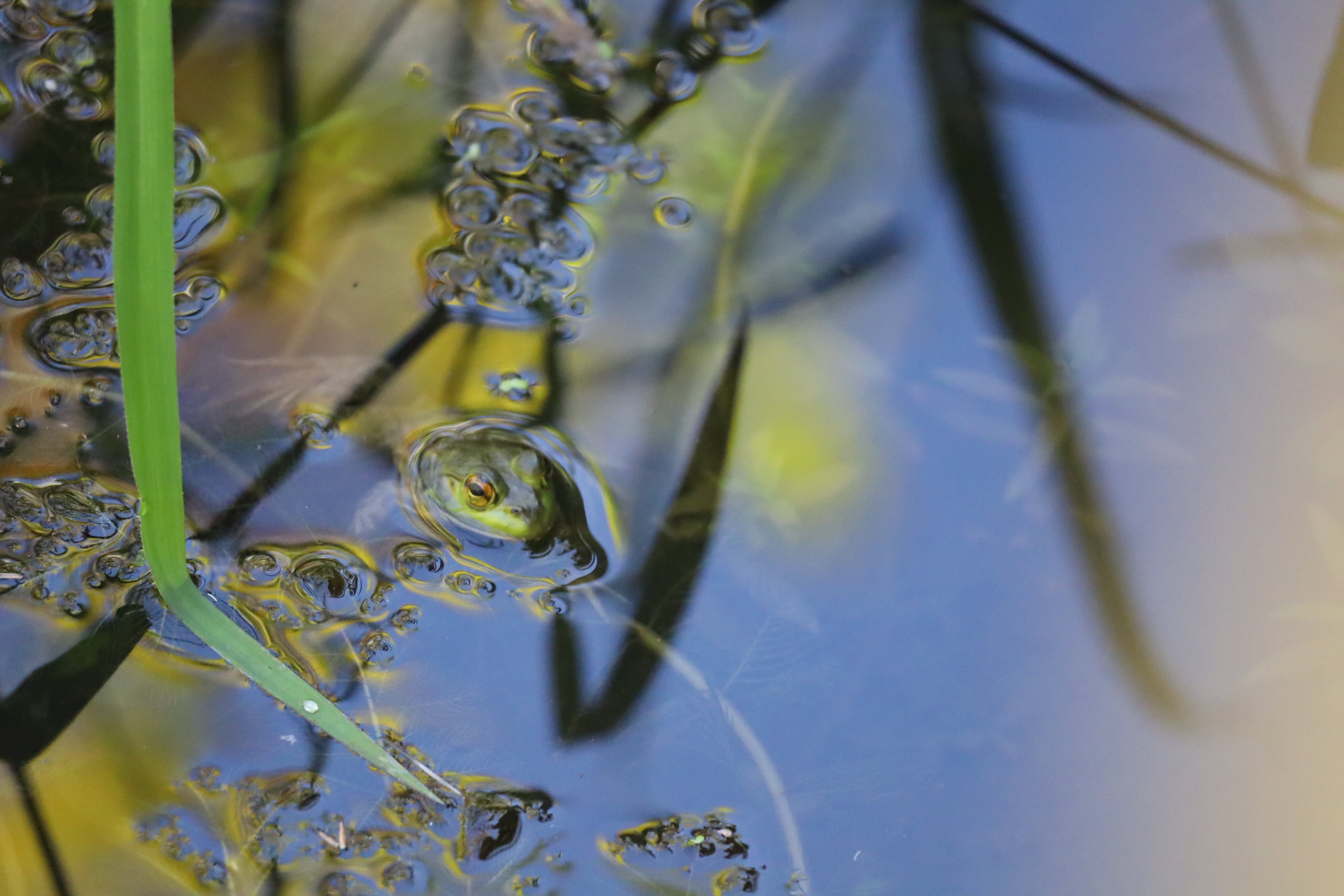
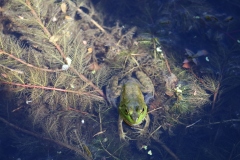
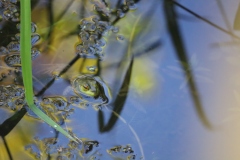
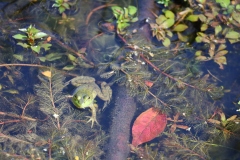
I’d also like to learn more about frogs. Years ago I took a picture of one sitting atop the ice on a frozen marsh in winter. On this walk, I saw this handsome fellow with his bubbly smile. I wonder: why the bubbles?
Anna Botsford Comstock is no help in this, but I do learn from her Handbook of Nature Study that:
- Their ears are the round gray spots next to their eyes. They’re visible on the frog in the picture.
- Frogs hibernate, burrowed into the mud of ponds. What made the one on ice appear in January remains a mystery. Reading the rest of that post makes me think it was an unseasonably warm spell, because the birds also were behaving as if it was spring. The frog may have been doing the same thing.
- They are a favorite food of herons. This I knew already.
- They can cover ground much more quickly than toads due to their muscular, developed hind legs, but water is their home environment.
- Frogs have a chameleon power to change to the color of their surroundings. This reminded me of one that I found on my kitchen counter shortly after my husband and I moved in. At that time the counter was dark green — in keeping with the original ’70s vintage of the kitchen! — and the frog sat motionless on it, identical in color, next to the sink. I was sure it was a prank, a plastic frog placed there by my husband, but in fact it was a real frog. I have no idea how it got there, other than perhaps it came through the drain. It’s the one and only indoor frog I’ve ever seen. I moved it out to the front step and later in the day it was still there but had changed to gray.
So much for my brief investigation of Comstock’s comments on frogs. Now on to the pictures.
-
Why I leave the zinnias
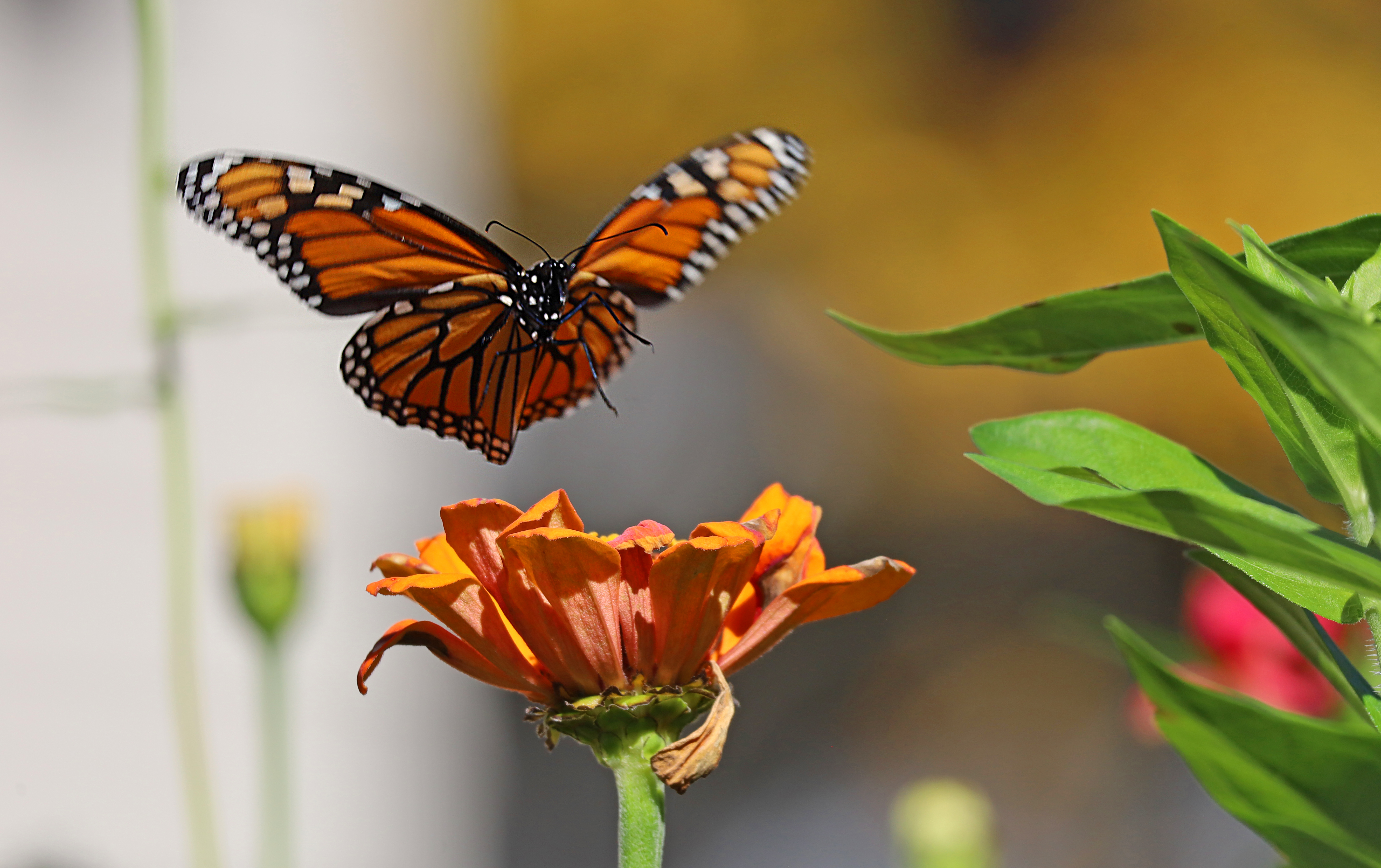
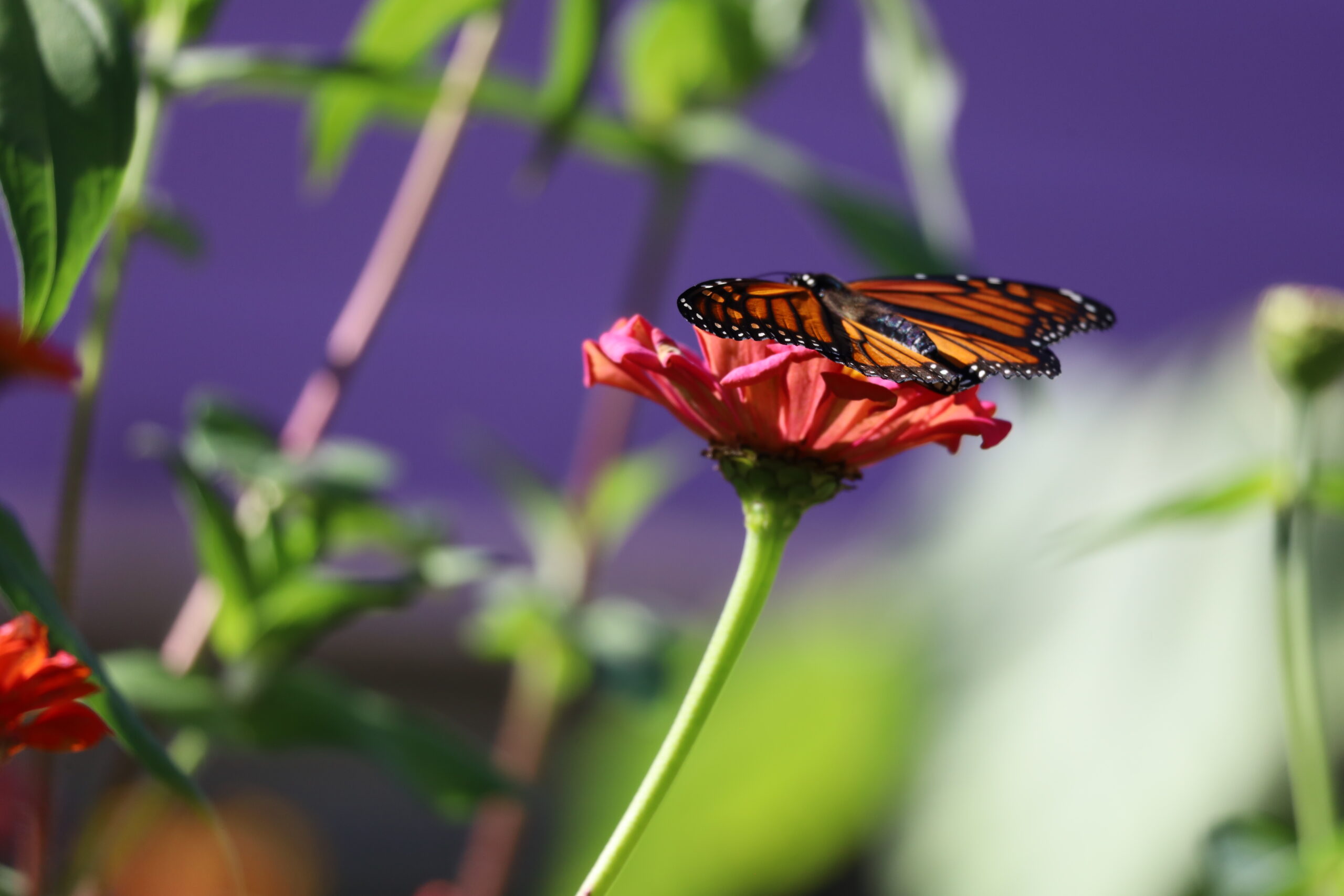
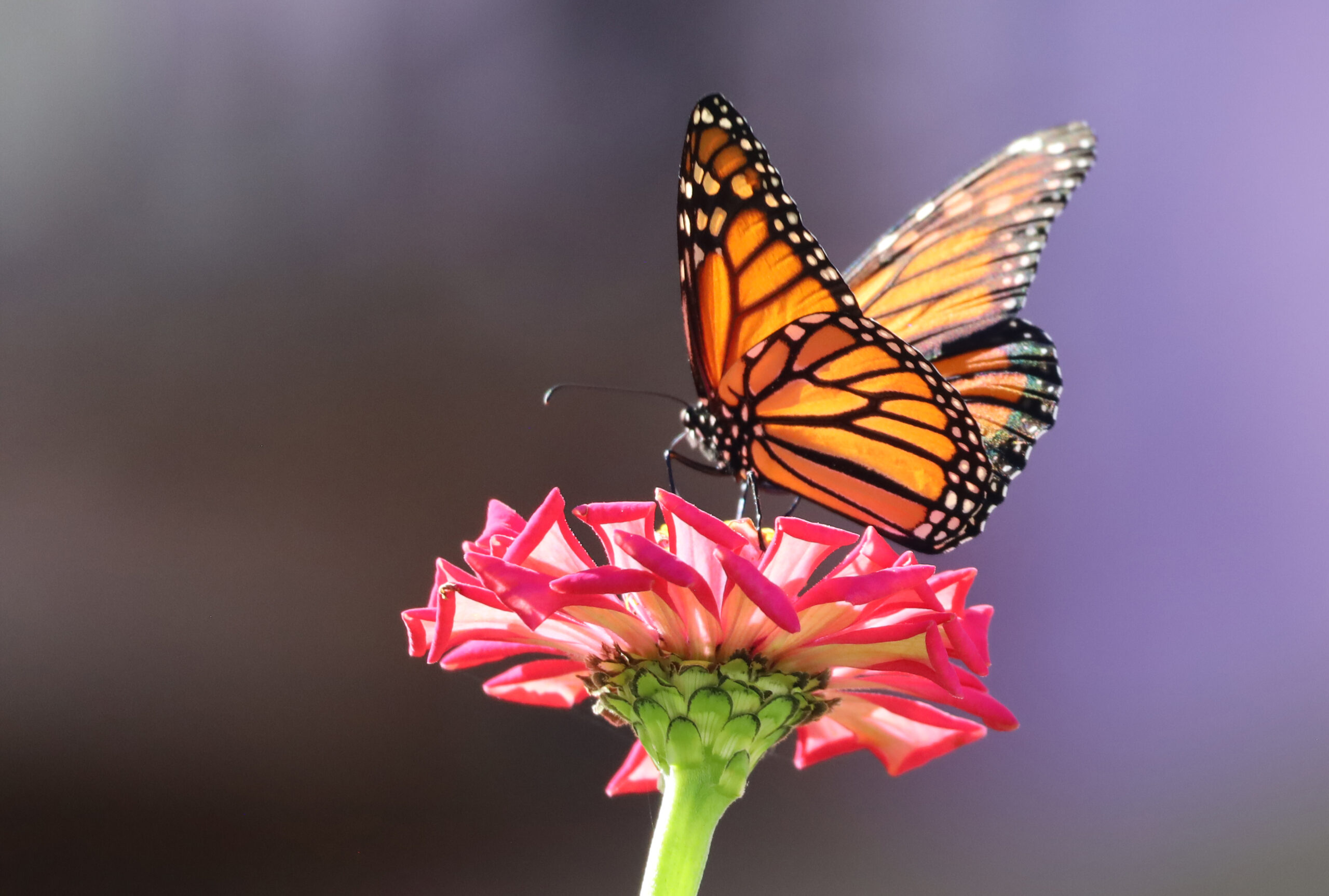
These flowers are past their prime, but I leave them for the various passersby that might benefit from them: bees, goldfinches, passing hummingbirds, and butterflies. Today I saw a monarch battling the warm breezes to feast on them, and since it’s one of a precious few I’ve seen this summer, I wanted to take some pictures.
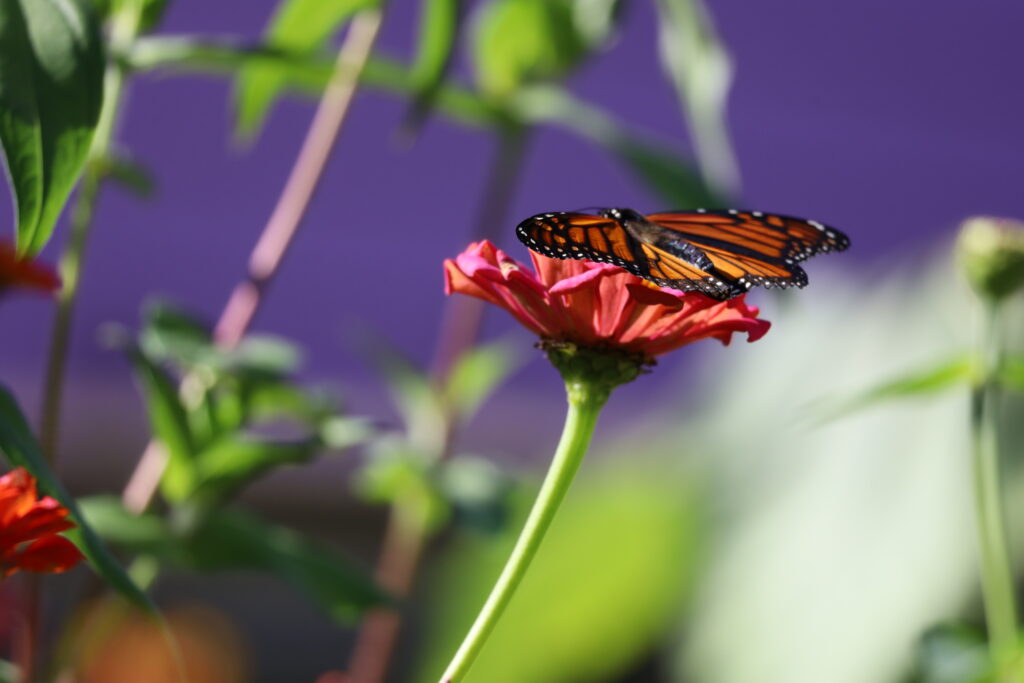
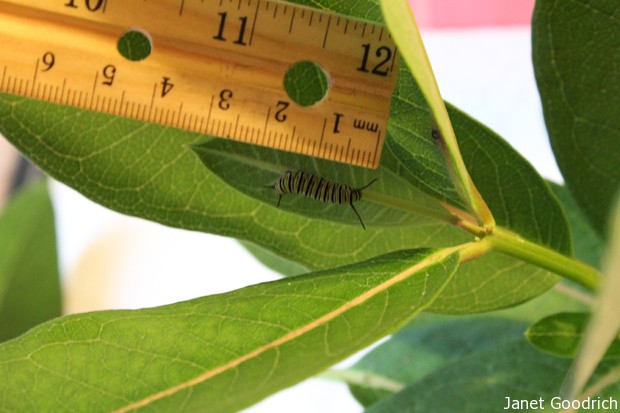
In August and early September, I searched several times for some caterpillars to see through the process of metamorphosis, but I didn’t find a single one. Monarchs aren’t doing well these days.
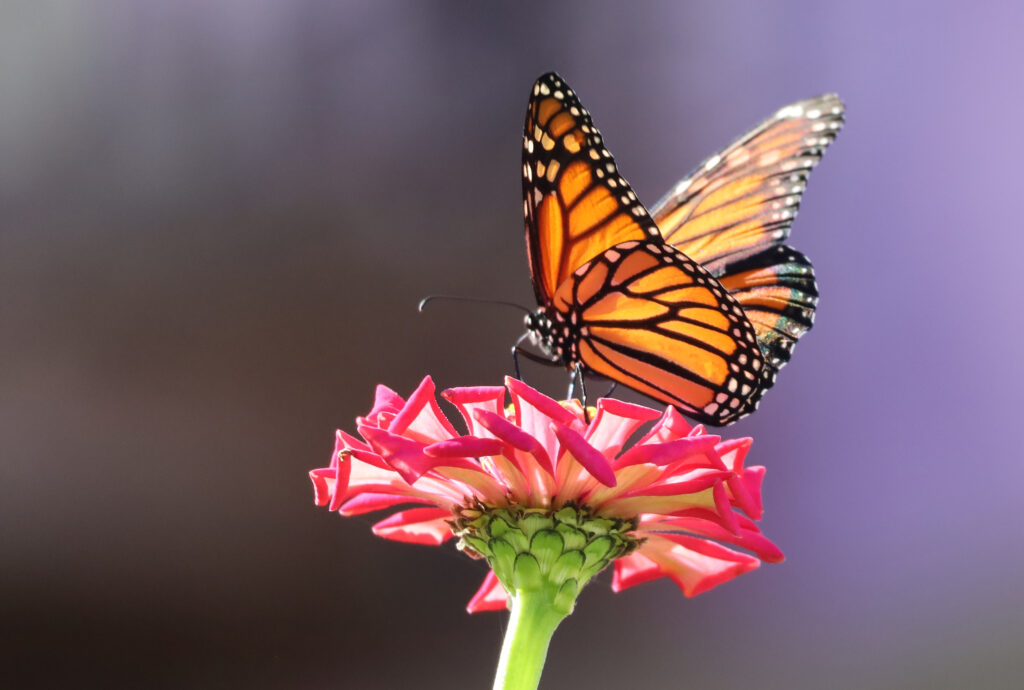
All the more reason to stop and admire while we can.